 Australia
•
2 views
Australia
•
2 views
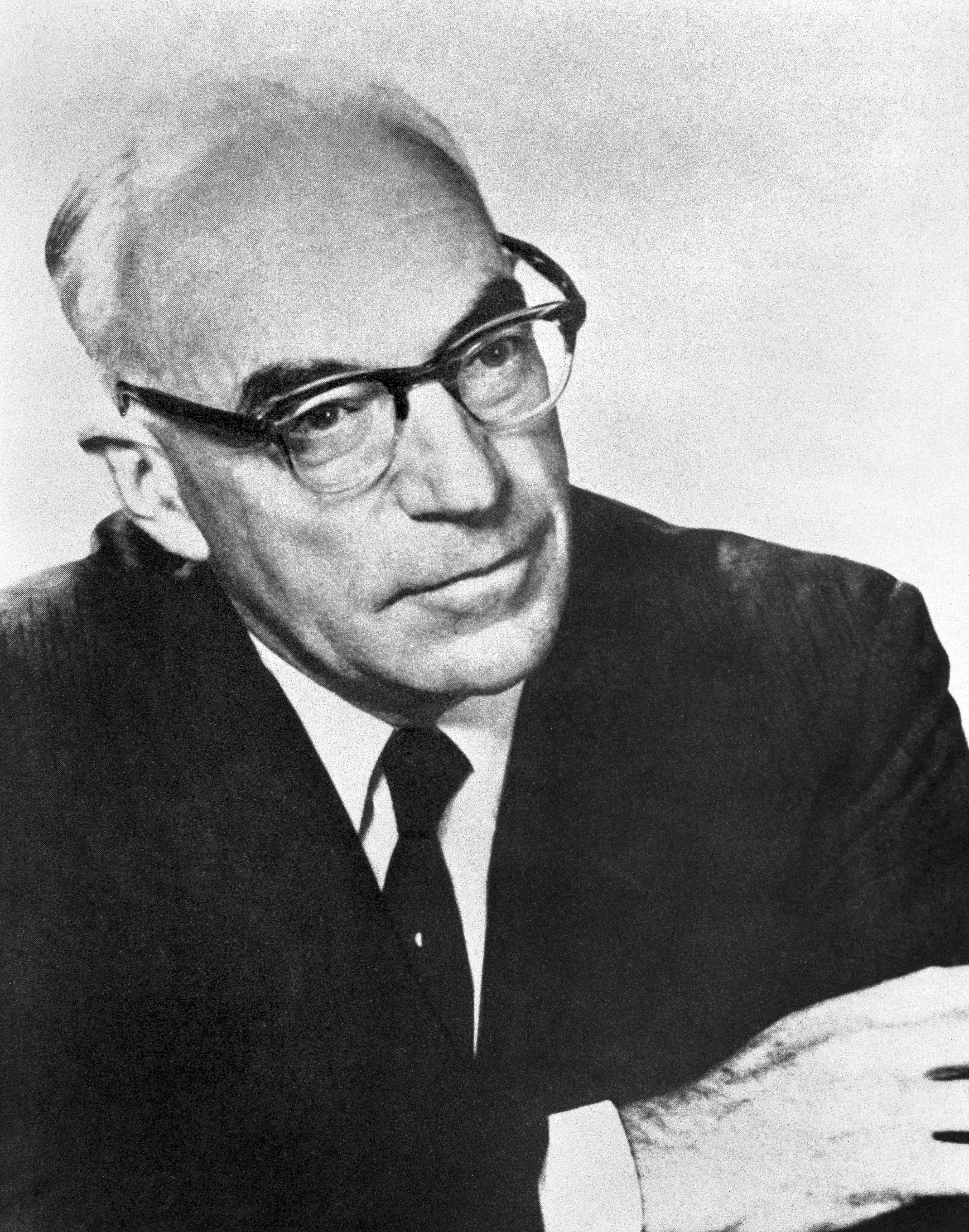
John Eccles

Melbourne (Victoria), Australia
Archival Overview
Australian neurophysiologist who won the 1963 Nobel Prize in Medicine for discovering the ionic mechanisms of synaptic inhibition, proving that hyperpolarizing chloride ion influx generates inhibitory postsynaptic potentials (IPSPs).
Biographical Record
Sir John Carew Eccles (1903–1997) studied as a Rhodes Scholar at Oxford under Charles Sherrington, co-authoring classic papers on spinal reflexes. For decades, Eccles championed the theory that synaptic transmission was purely electrical rather than chemical.
Influenced by philosopher Karl Popper to rigorously seek the falsification of his own hypotheses, Eccles used glass microelectrodes inside spinal motoneurons at the Australian National University in Canberra in 1951. When his recordings revealed hyperpolarizing inhibitory postsynaptic potentials (IPSPs) driven by chloride ion influx, Eccles publicly and joyfully conceded his electrical hypothesis, proving chemical inhibition.
Key Life Milestones
Discovery of the Inhibitory Postsynaptic Potential (IPSP)
Recorded the hyperpolarizing inhibitory potential in motoneurons, proving chemical synaptic inhibition.
Awarded the Nobel Prize in Medicine
Honored alongside Alan Hodgkin and Andrew Huxley for discoveries concerning the ionic mechanisms of nerve membranes.
Memorial Guestbook & Tributes
0 messages recordedLeave a Respectful Tribute
Final Resting Place
Perpetual MemorialContra (Tenero-Contra, Ticino), Switzerland