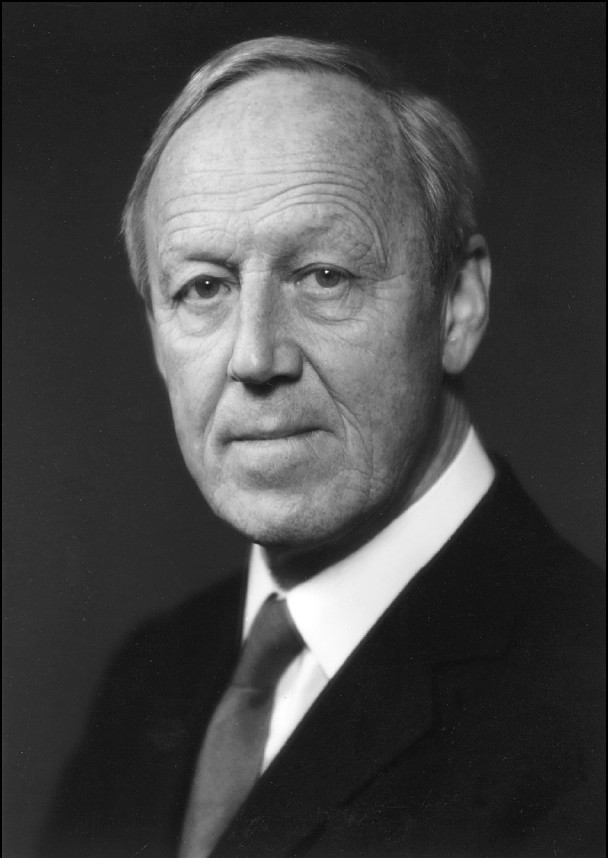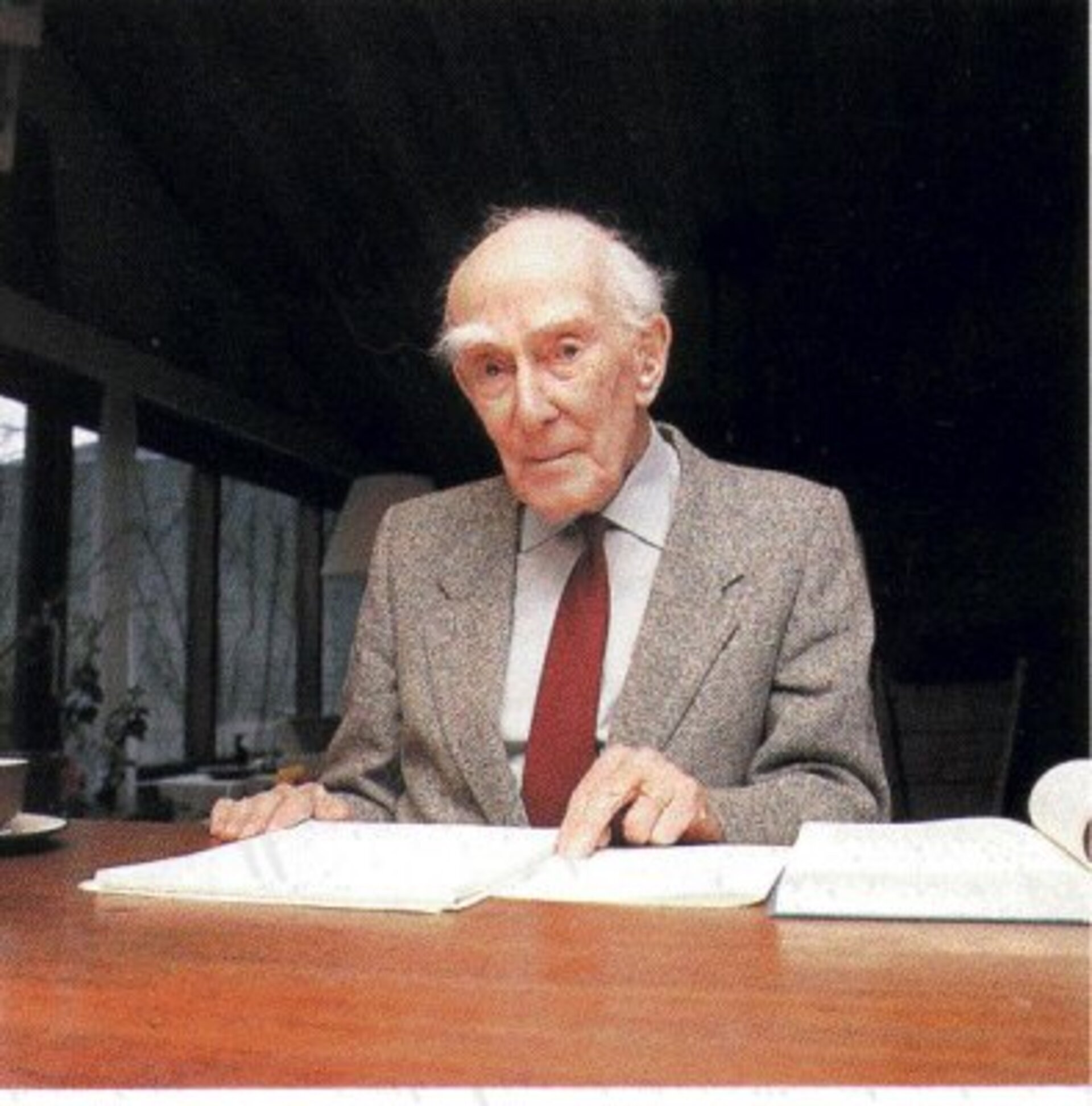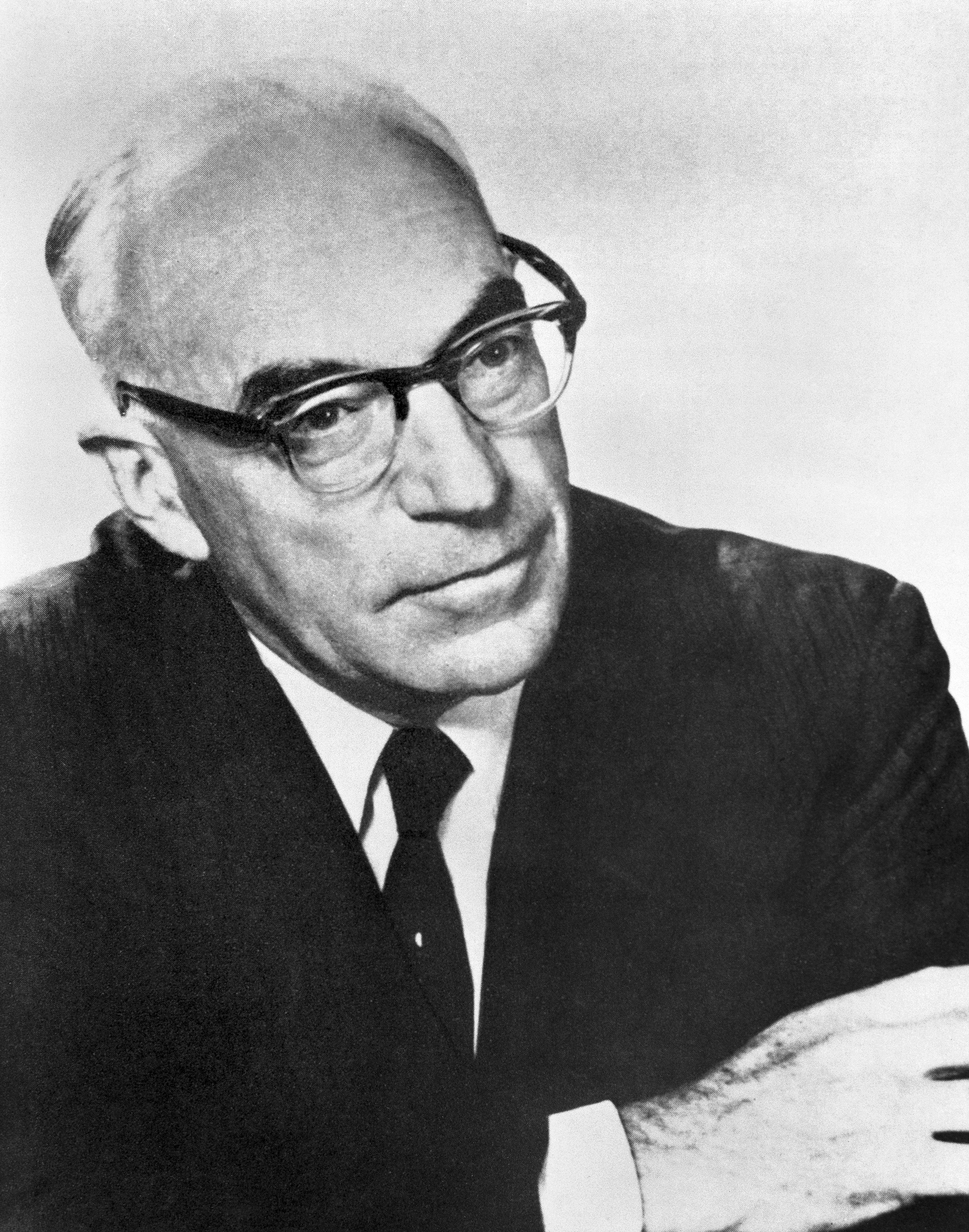
John Eccles
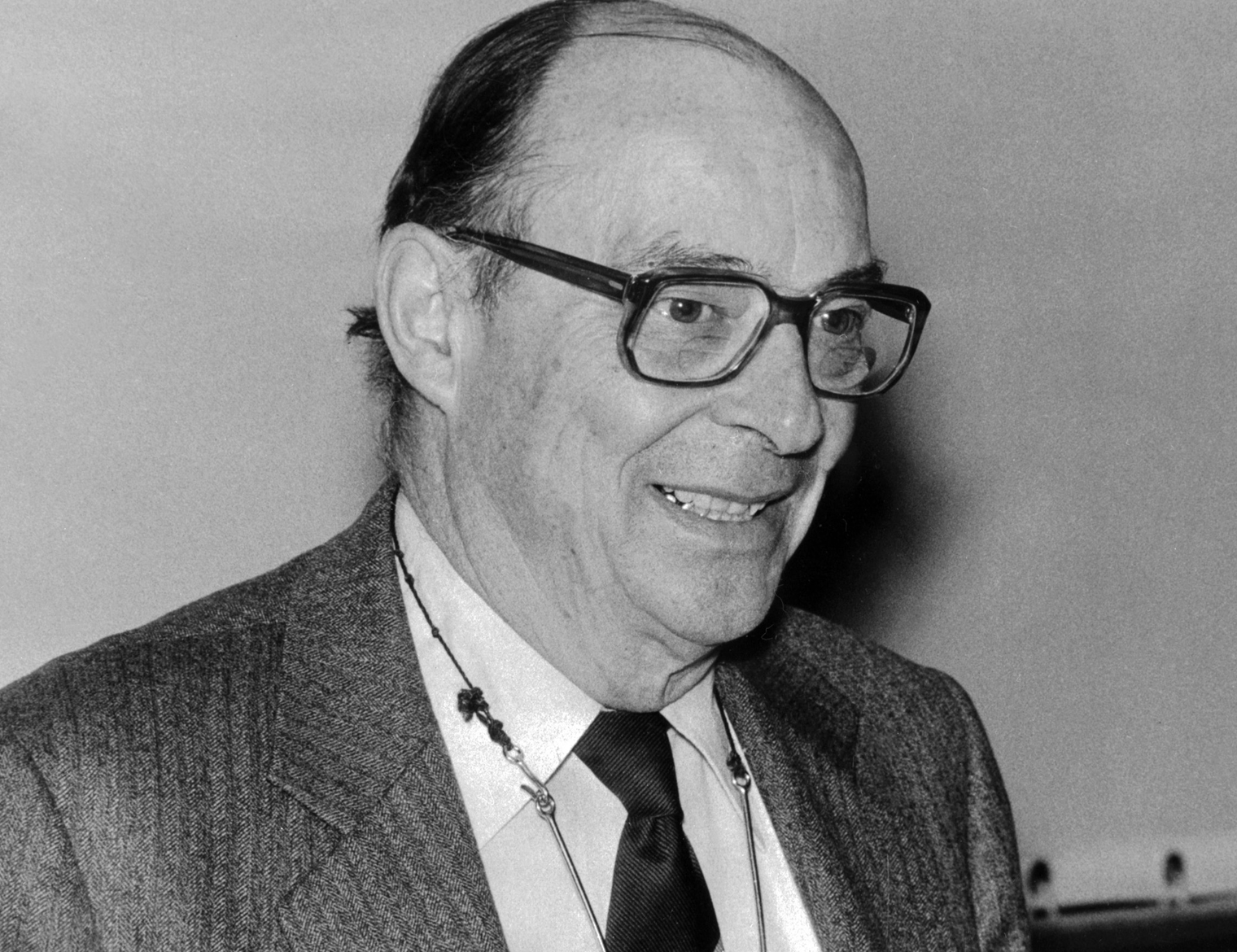
Australian neurophysiologist who won the 1963 Nobel Prize in Medicine for discovering the ionic mechanisms of synaptic inhibition, proving that hyperpolarizing chloride ion influx generates inhibitory postsynaptic potentials (IPSPs).
Start typing to search worldwide archives and community tributes
Filterable archive covering centuries of intellectual, artistic, and moral contributions to the human story.
Australian neurophysiologist who won the 1963 Nobel Prize in Medicine for discovering the ionic mechanisms of synaptic inhibition, proving that hyperpolarizing chloride ion influx generates inhibitory postsynaptic potentials (IPSPs).
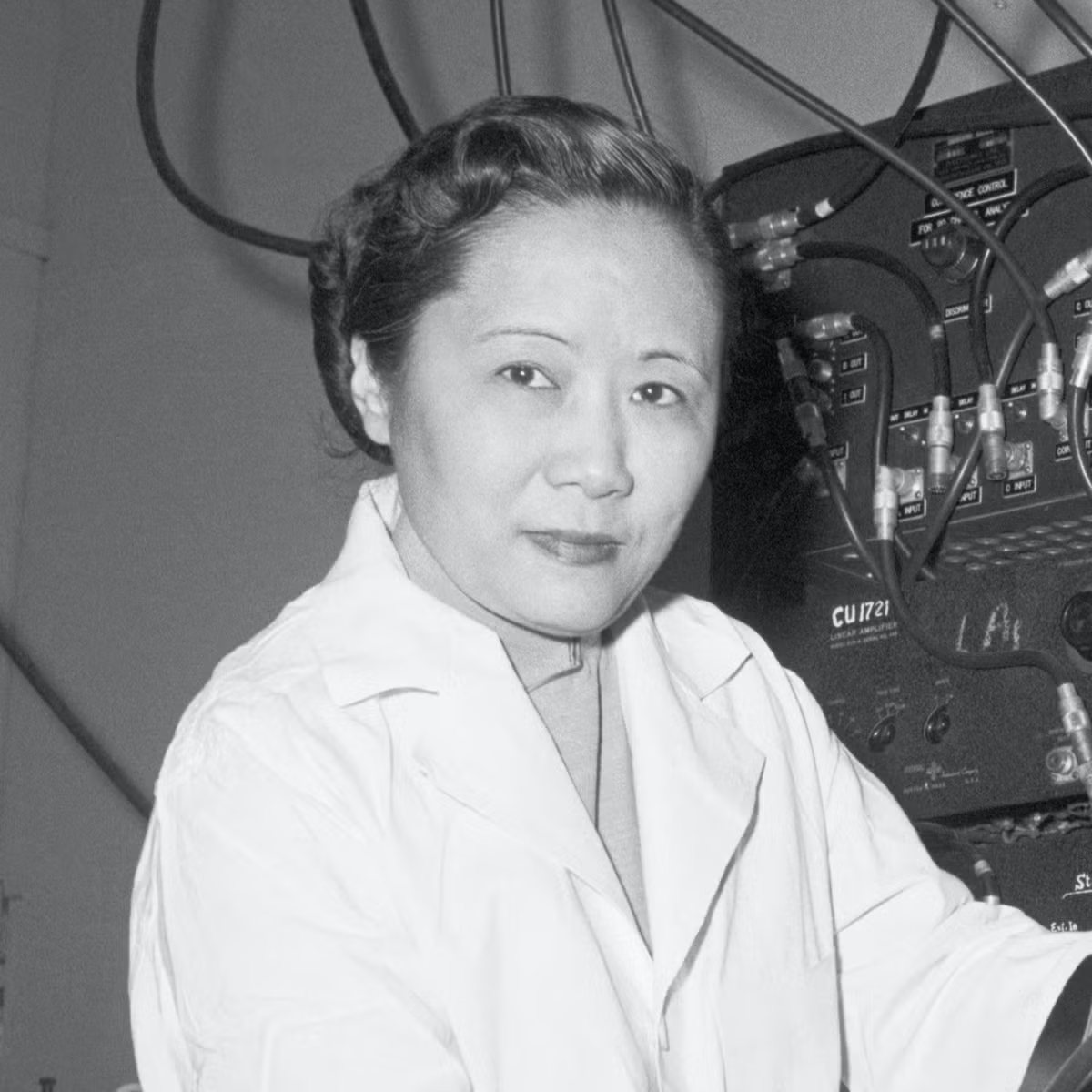
Trailblazing experimental physicist known as the 'First Lady of Physics' who disproved the conservation of parity.
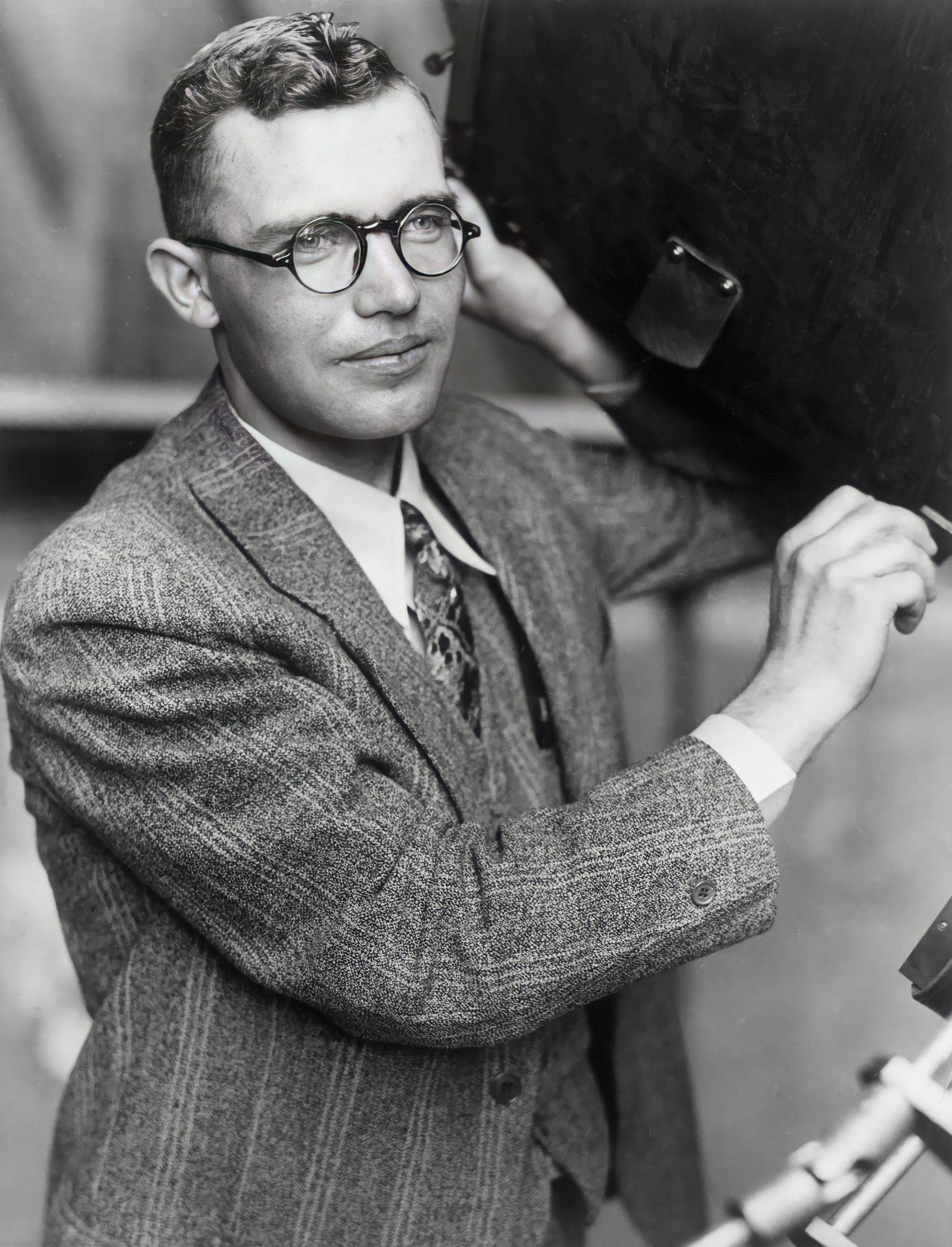
American astronomer who discovered Pluto in 1930 and hundreds of asteroids and variable stars.
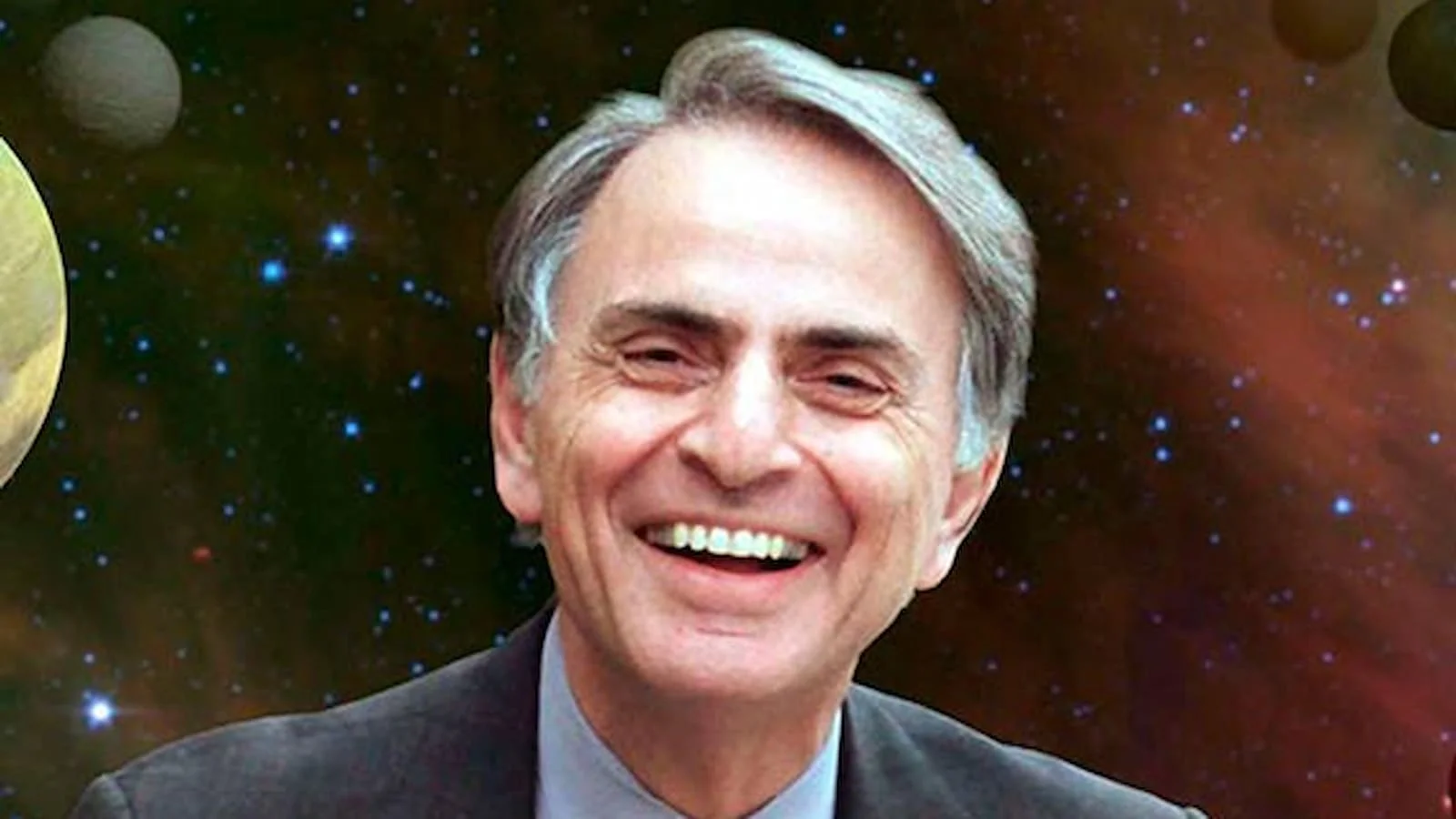
American astronomer, astrobiologist, and science communicator who created Cosmos and championed the search for extraterrestrial life.
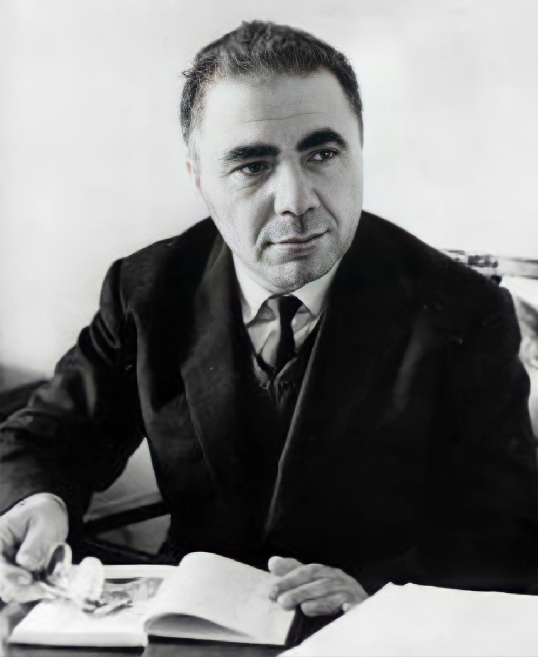
Soviet-Armenian astronomer and father of theoretical astrophysics in the USSR who discovered stellar associations.
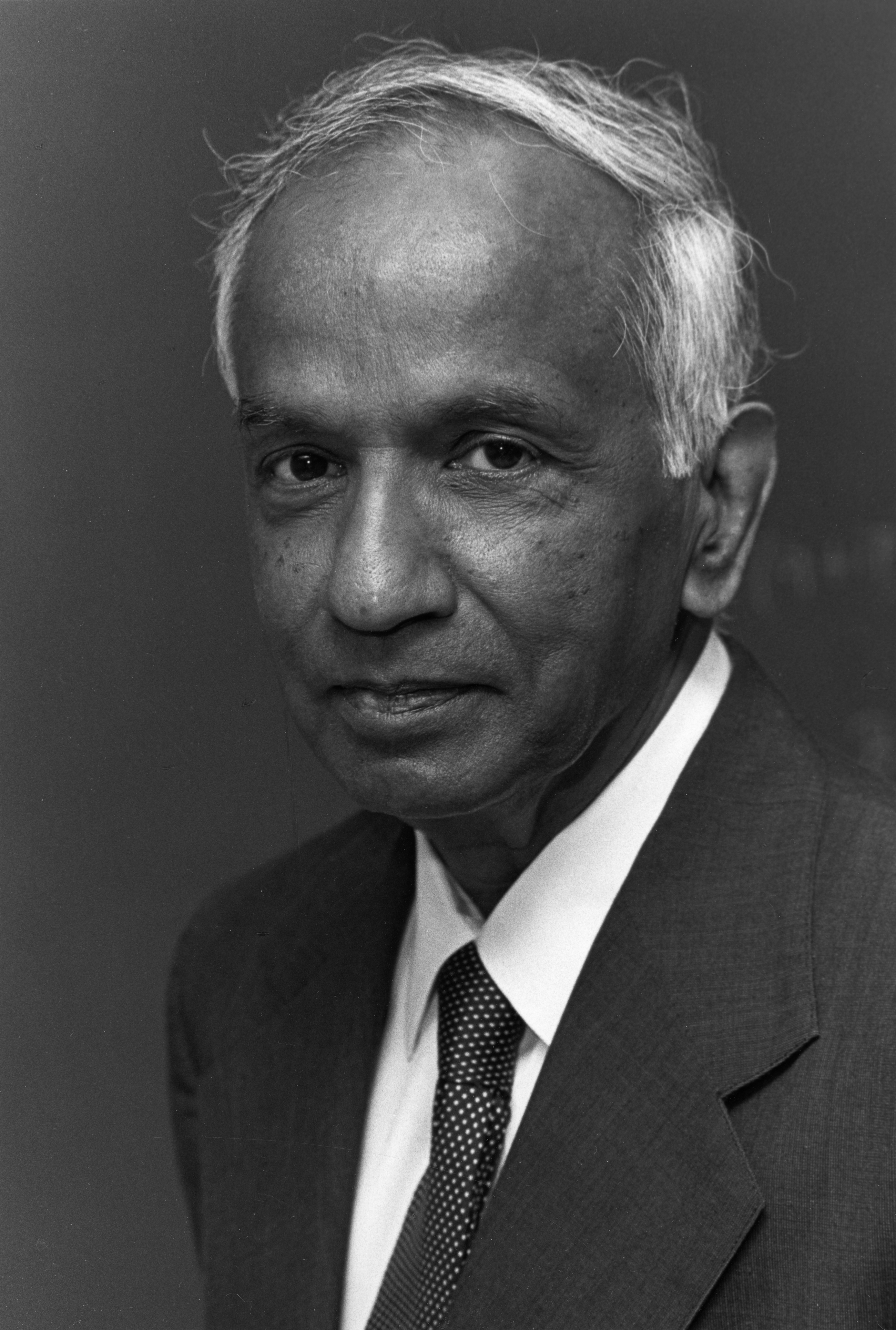
Indian-American astrophysicist who discovered the Chandrasekhar limit for white dwarf stars, earning the 1983 Nobel Prize.
Swedish plasma physicist who founded magnetohydrodynamics (MHD) and won the 1970 Nobel Prize in Physics.
Pioneering development economist and researcher at the University of Oran whose landmark studies illuminated the informal economy and industrial transition in North Africa.
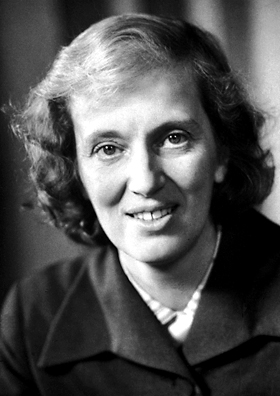
British chemist and X-ray crystallographer who deciphered the atomic structures of penicillin, vitamin B12, and insulin, winning the 1964 Nobel Prize in Chemistry as a giant of structural biology.
British pioneer of X-ray crystallography who determined the atomic structures of penicillin, vitamin B12, and insulin.
Spanish-American biochemist who discovered polynucleotide phosphorylase, synthesizing RNA in vitro and deciphering key components of the universal genetic code, winning the 1959 Nobel Prize in Medicine.
Distinguished sociologist, researcher on Saharan nomadic pastoralism, and Director of INESG, assassinated during the intellectual purges of 1993.
Towering Egyptian geographer, geopolitical theorist, and writer whose monumental four-volume encyclopedia 'The Personality of Egypt' provided an unmatched interdisciplinary analysis of Egypt's geographical, historical, and cultural identity.
Visionary Dutch astronomer who proved the Milky Way rotates, located its center, and predicted the Oort cloud of comets.
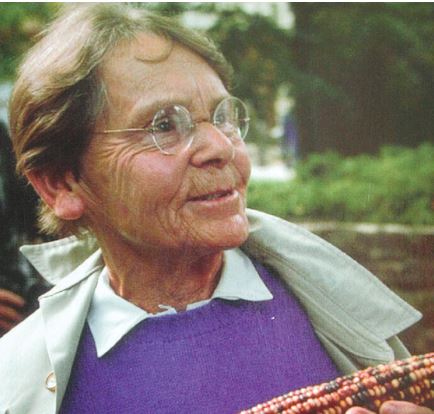
American cytogeneticist whose discovery of mobile genetic elements (transposons or 'jumping genes') proved that genomes are dynamic, mutable systems, winning an unshared Nobel Prize in 1983.
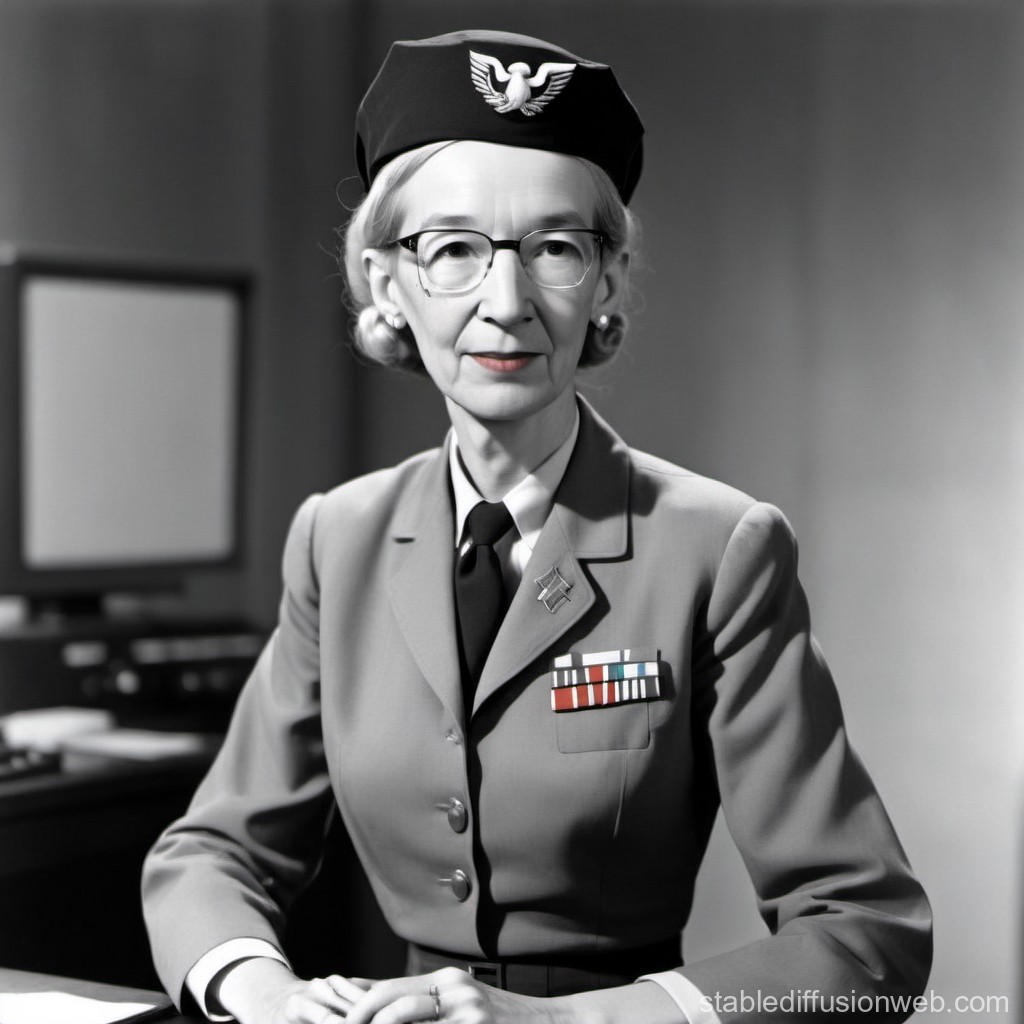
U.S. Navy Rear Admiral and computer pioneer who invented the first compiler and popularized machine-independent languages (COBOL).
Only person to win two Nobel Prizes in Physics, co-inventing the transistor and explaining superconductivity (BCS theory).
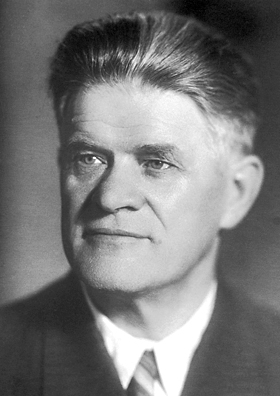
Soviet experimental physicist who discovered Cherenkov radiationโthe eerie blue light emitted when charged particles travel through a dielectric medium faster than the phase velocity of light.