Public Figures & Cultural Luminaries
Filterable archive covering centuries of intellectual, artistic, and moral contributions to the human story.
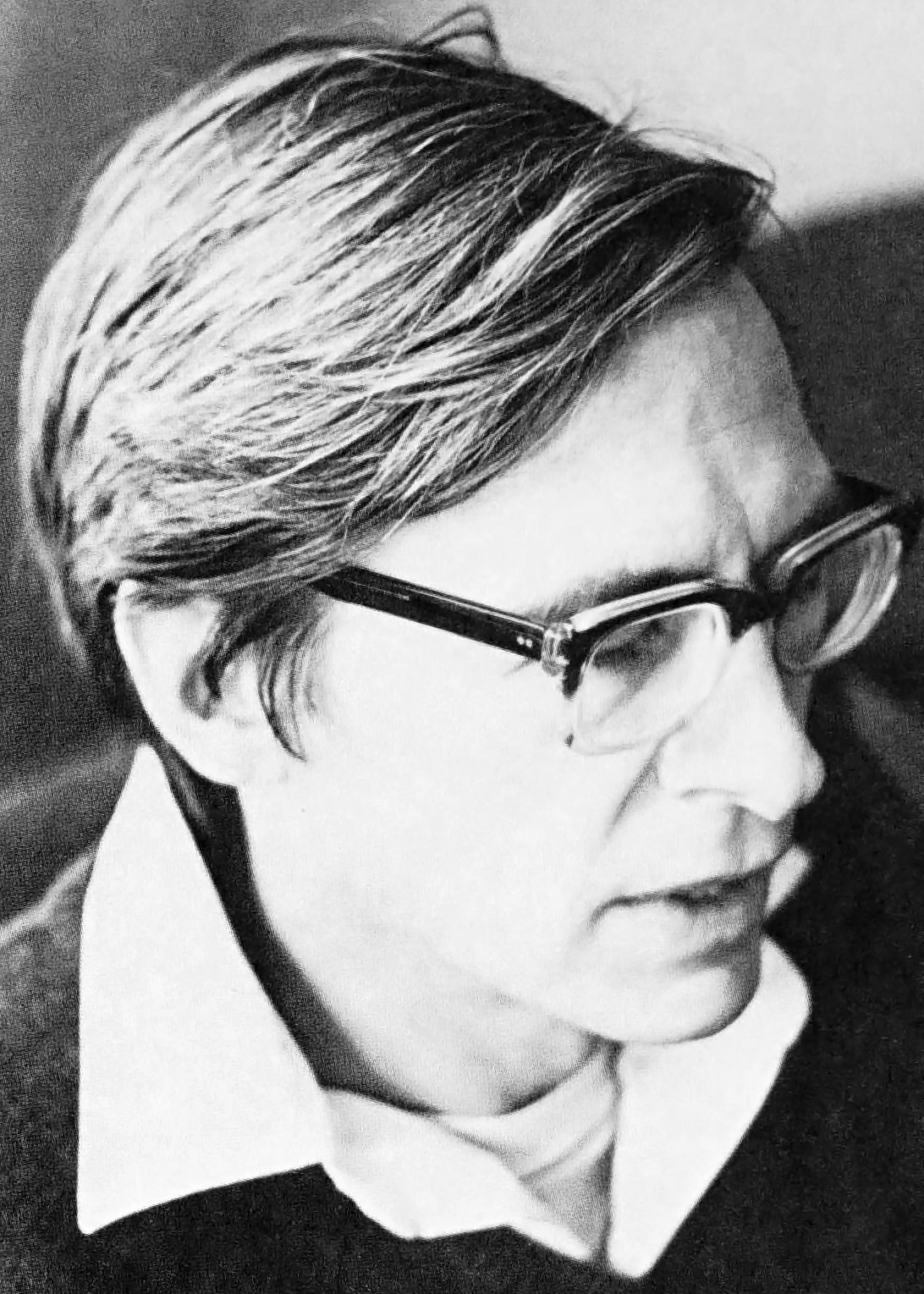
John Rawls
 (John Bordley Rawls)
American political philosopher whose 1971 masterpiece A Theory of Justice revived normative political philosophy, introducing the 'veil of ignorance' and 'justice as fairness'.
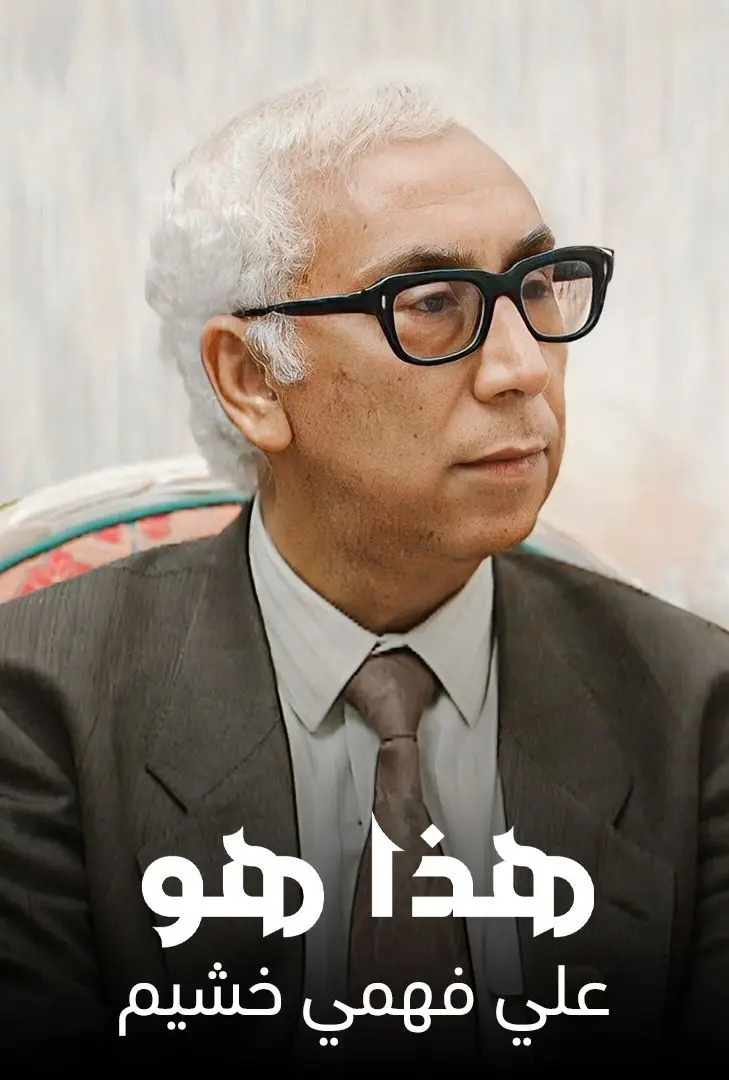
Abdel Rahman Badawi
 (عبد الرحمن بدوي)
Towering Egyptian philosopher regarded as the father of Arab existentialism, author of over 150 encyclopedic works on Greek, Islamic, and modern European metaphysics.
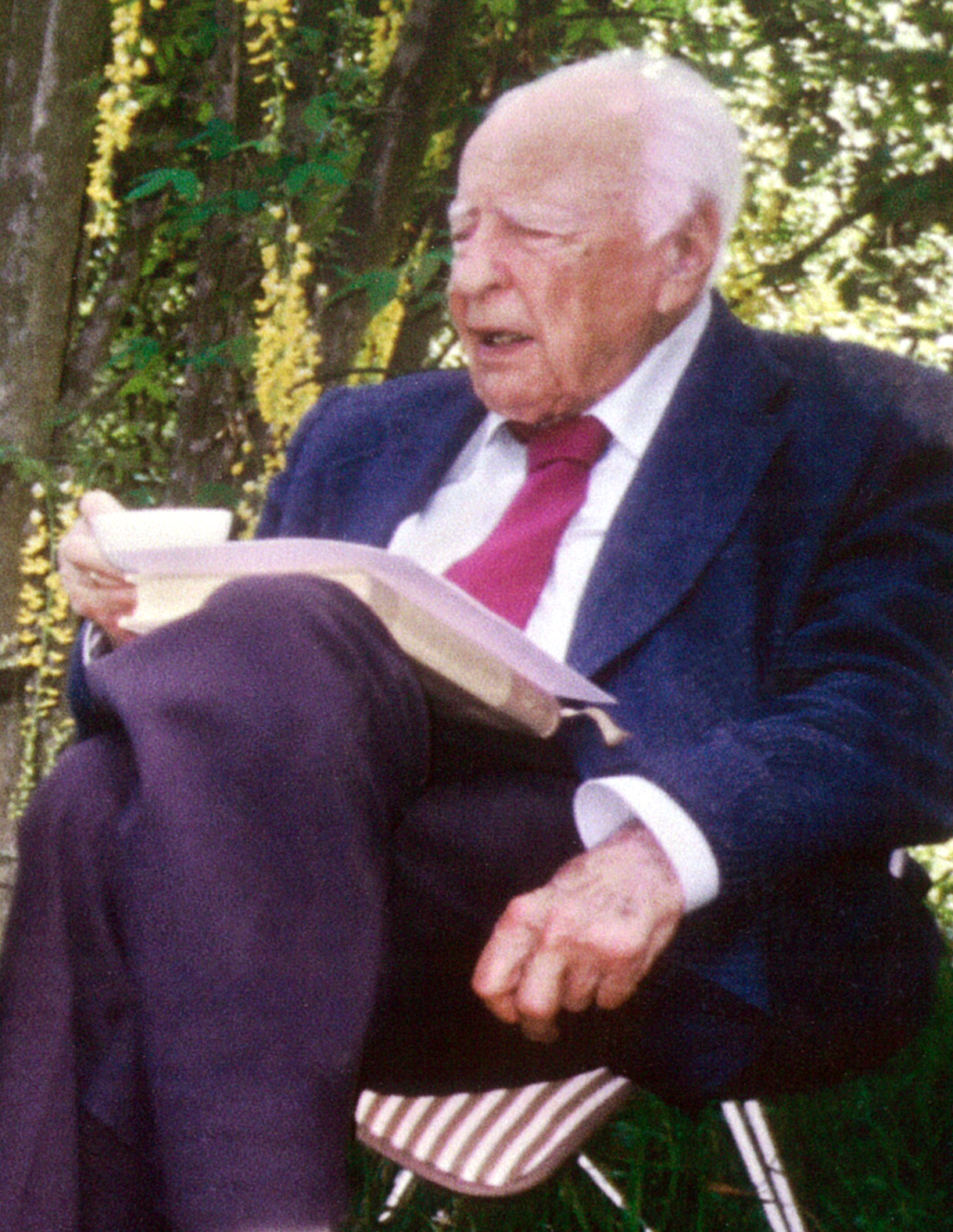
Hans-Georg Gadamer
 (Hans-Georg Gadamer)
German philosopher whose 1960 masterwork Truth and Method established philosophical hermeneutics, defining human understanding through the 'fusion of horizons' (Horizontverschmelzung) and dialogue.
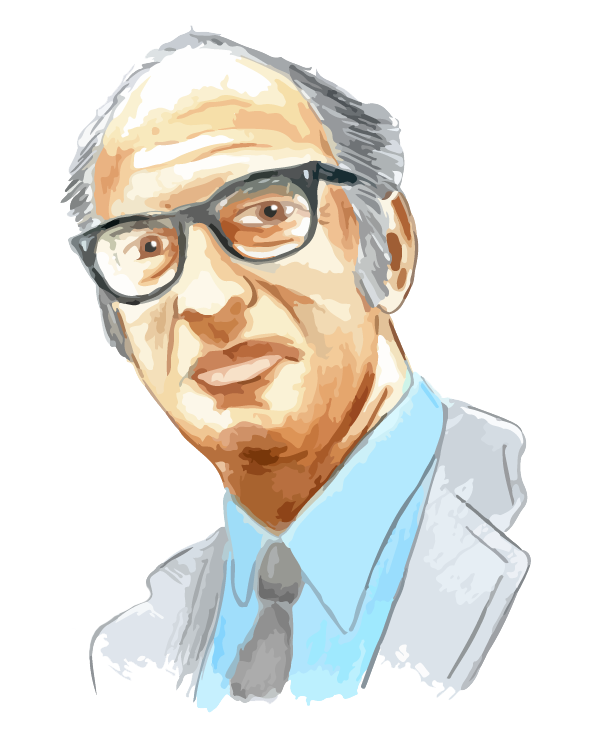
Thomas Kuhn
(Thomas Samuel Kuhn)
American philosopher and historian of science whose 1962 landmark book The Structure of Scientific Revolutions coined 'paradigm shift', revolutionizing the understanding of scientific progress.
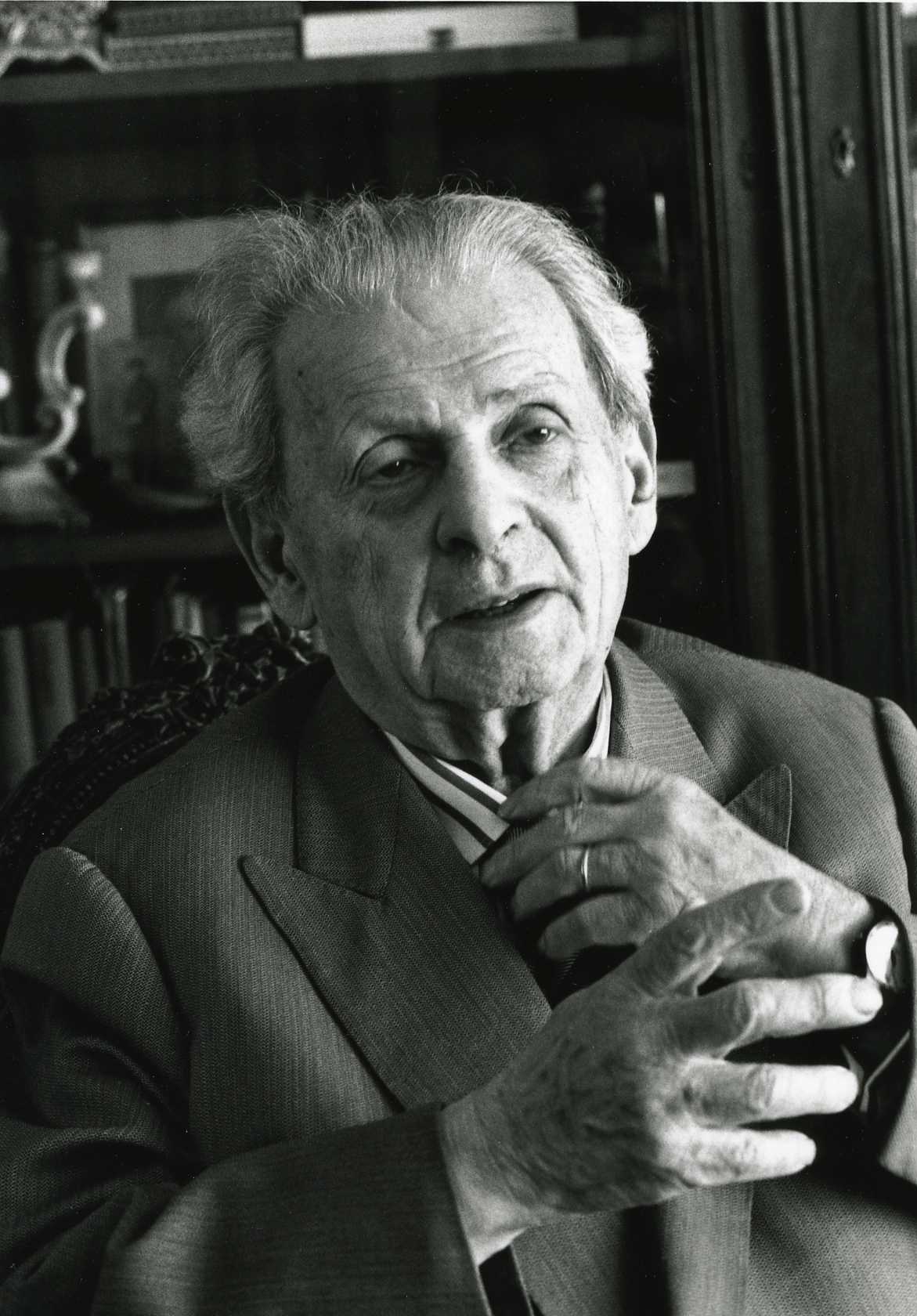
Emmanuel Levinas
 (Emmanuel Levinas)
Lithuanian-born French philosopher who established ethics as 'First Philosophy' in Totality and Infinity, centering thought on infinite responsibility before the Face of the Other (l'Autre).
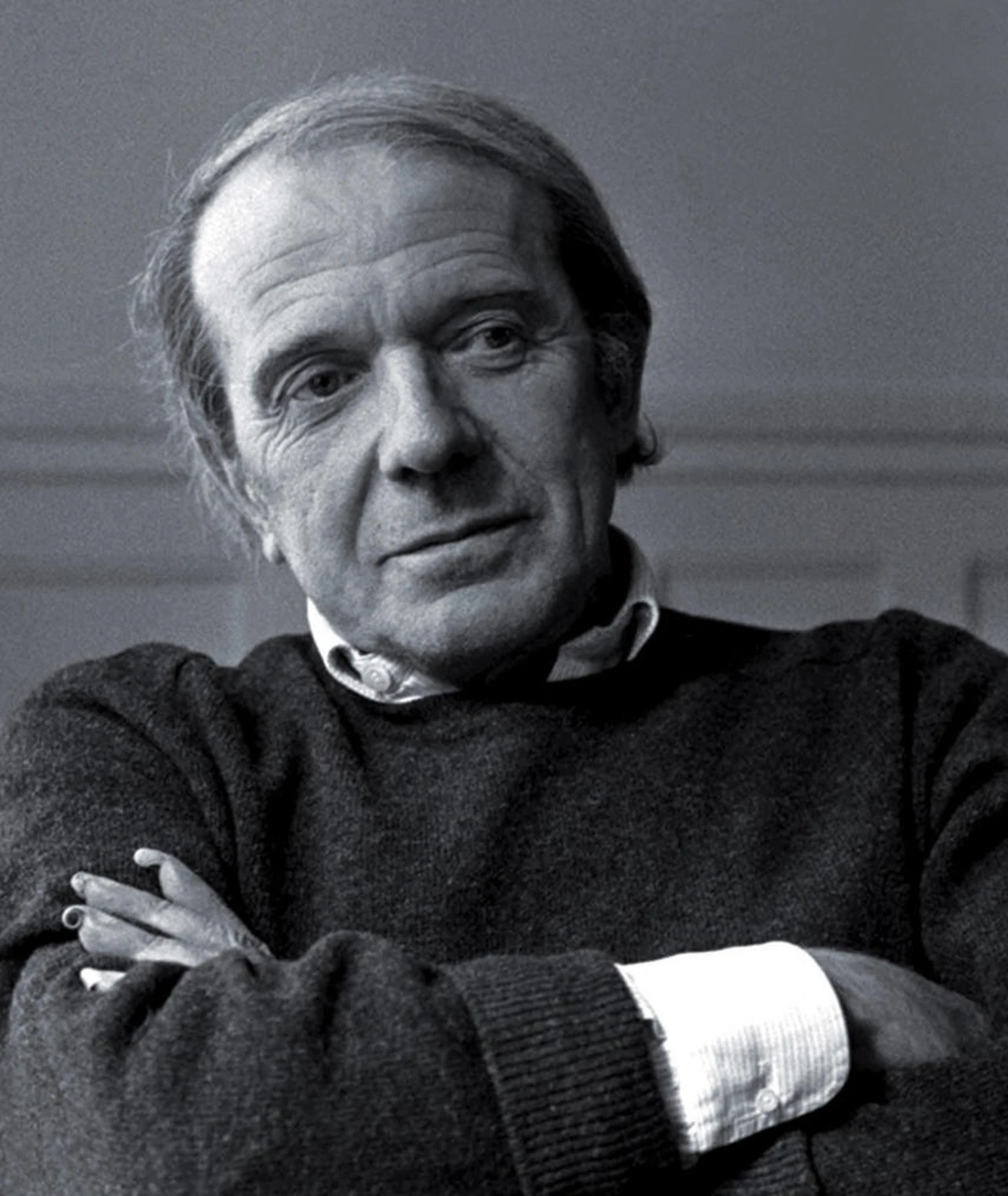
Gilles Deleuze
 (Gilles Deleuze)
French post-structuralist philosopher who transformed metaphysics in Difference and Repetition and co-authored Capitalism and Schizophrenia (Anti-Oedipus and A Thousand Plateaus) with Felix Guattari.
Ali al-Wardi
 (علي الوردي)
Founding father of Iraqi sociology whose books analyzed the duality of the Iraqi character between Bedouin values and urban civilization.
John Humphrey
 (John Peters Humphrey)
Visionary Canadian legal scholar and Director of the UN Human Rights Division who wrote the historic first draft of the Universal Declaration of Human Rights.
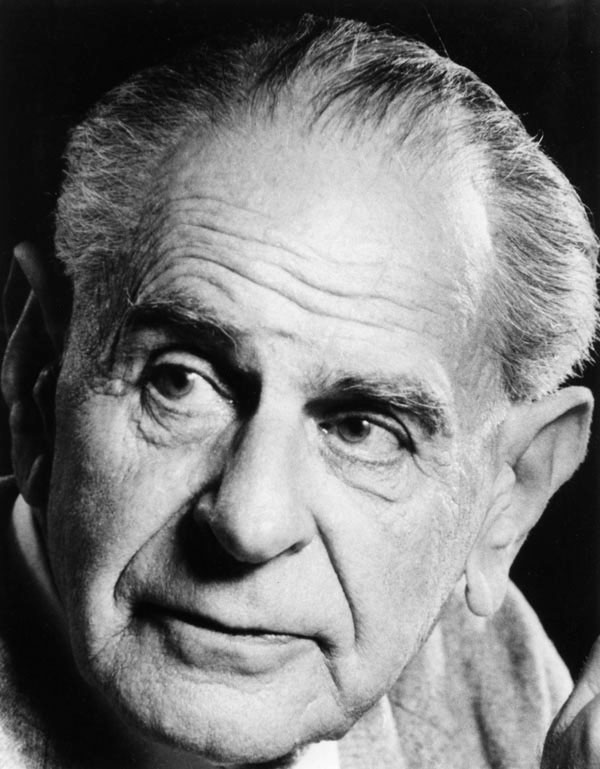
Karl Popper
 (Karl Raimund Popper)
Austrian-British philosopher who revolutionized the philosophy of science with the criterion of falsifiability in The Logic of Scientific Discovery and defended democracy in The Open Society and Its Enemies.
Zaki Naguib Mahmoud
(زكي نجيب محمود)
Celebrated as the 'Philosopher of Arab Rationalism', he earned his doctorate at King's College London and pioneered logical positivism and linguistic analysis in modern Arab philosophy.
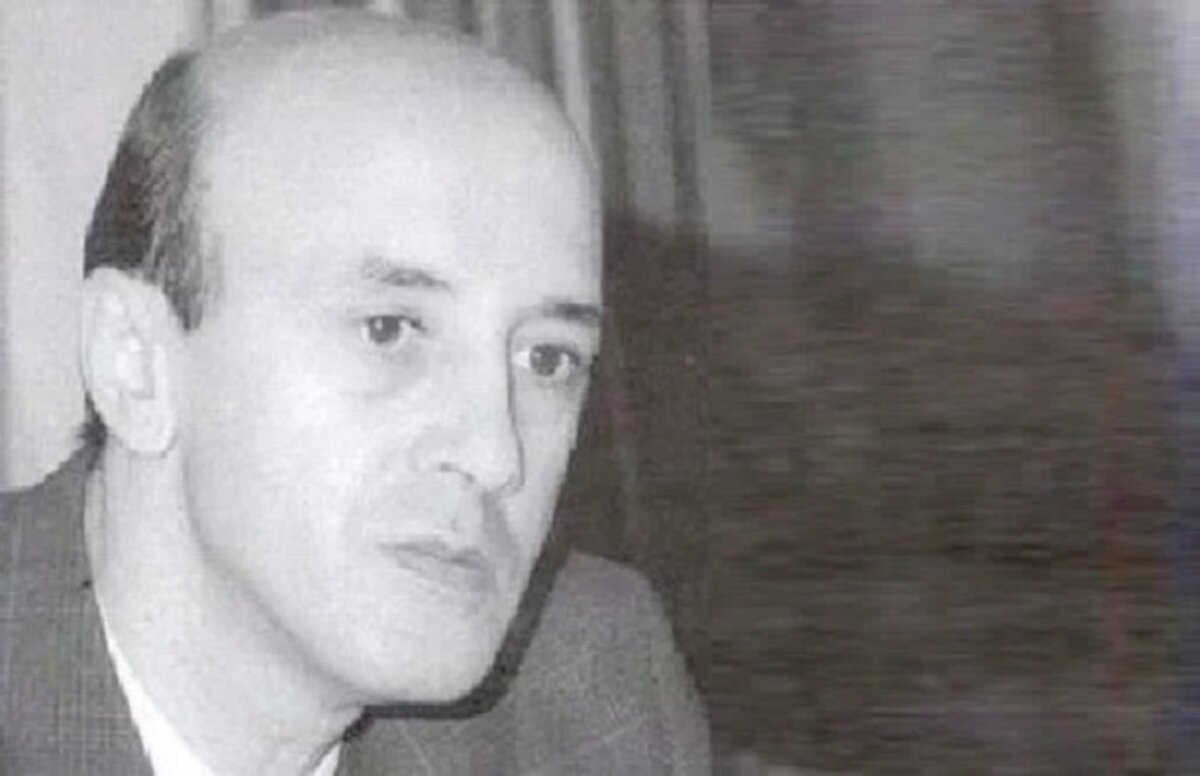
Djillali Liabes
 (الجيلالي اليابس)
Eminent sociologist, philosopher, and Minister of Higher Education who formulated rigorous critical analyses of Algerian agrarian and industrial development before being assassinated in 1993.
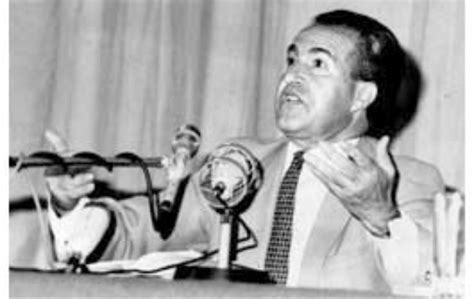
Mouloud Kacem Naït Belkacem
(مولود قاسم نايت بلقاسم)
Distinguished Algerian philosopher, polyglot linguist fluent in nine languages, and statesman who served as GPRA diplomat and Minister of Original Education, championing cultural decolonization.
Michel Aflaq
 (ميشيل عفلق)
Syrian Greek Orthodox philosopher who co-founded the Arab Ba'ath Party in 1947, formulating its core triad of 'Unity, Freedom, Socialism'.
George Grant
(George Parkin Grant)
Philosopher and public intellectual whose 1965 masterpiece Lament for a Nation argued that American corporate capitalism and universal technology were extinguishing Canada's sovereign existence.
Charles Malik
 (شارل مالك)
Distinguished Lebanese philosopher and diplomat who served as President of the UN General Assembly and co-authored the 1948 Universal Declaration of Human Rights.
Subhi Mahmassani
(صبحي المحمصاني)
Preeminent Lebanese legal philosopher and judge whose 'Philosophy of Jurisprudence in Islam' became the standard international comparative law text.
Mahmoud Mohamed Taha
 (محمود محمد طه)
Visionary Sudanese Islamic thinker, civil engineer, and leader of the Republican Brothers whose revolutionary book The Second Message of Islam advocated universal human rights, gender equality, and religious tolerance.
Alexis Kagame
 (Alexis Kagame)
Monumental Rwandan philosopher, Roman Catholic theologian, and linguist whose landmark 1956 treatise 'La philosophie bantu-rwandaise de l'être' pioneered African comparative philosophy.