Public Figures & Cultural Luminaries
Filterable archive covering centuries of intellectual, artistic, and moral contributions to the human story.
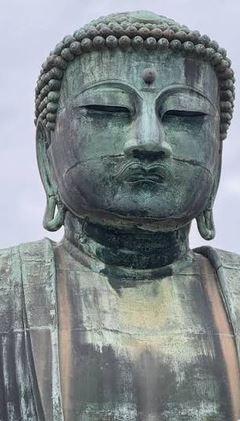
Akshapada Gotama
 (अक्षपाद गौतम)
Ancient Indian sage and logician who authored the 'Nyaya Sutras', establishing the foundational system of Indian formal logic, epistemology, and the four valid means of knowledge (Pramanas).
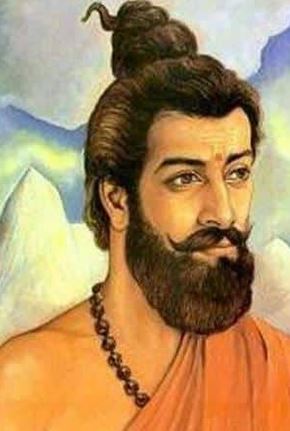
Kanada
(कणाद)
Ancient Indian sage and natural philosopher who founded the Vaisheshika philosophical school and formulated the earliest known atomic theory of matter, defining the indestructible atom (Parmanu) and laws of motion.
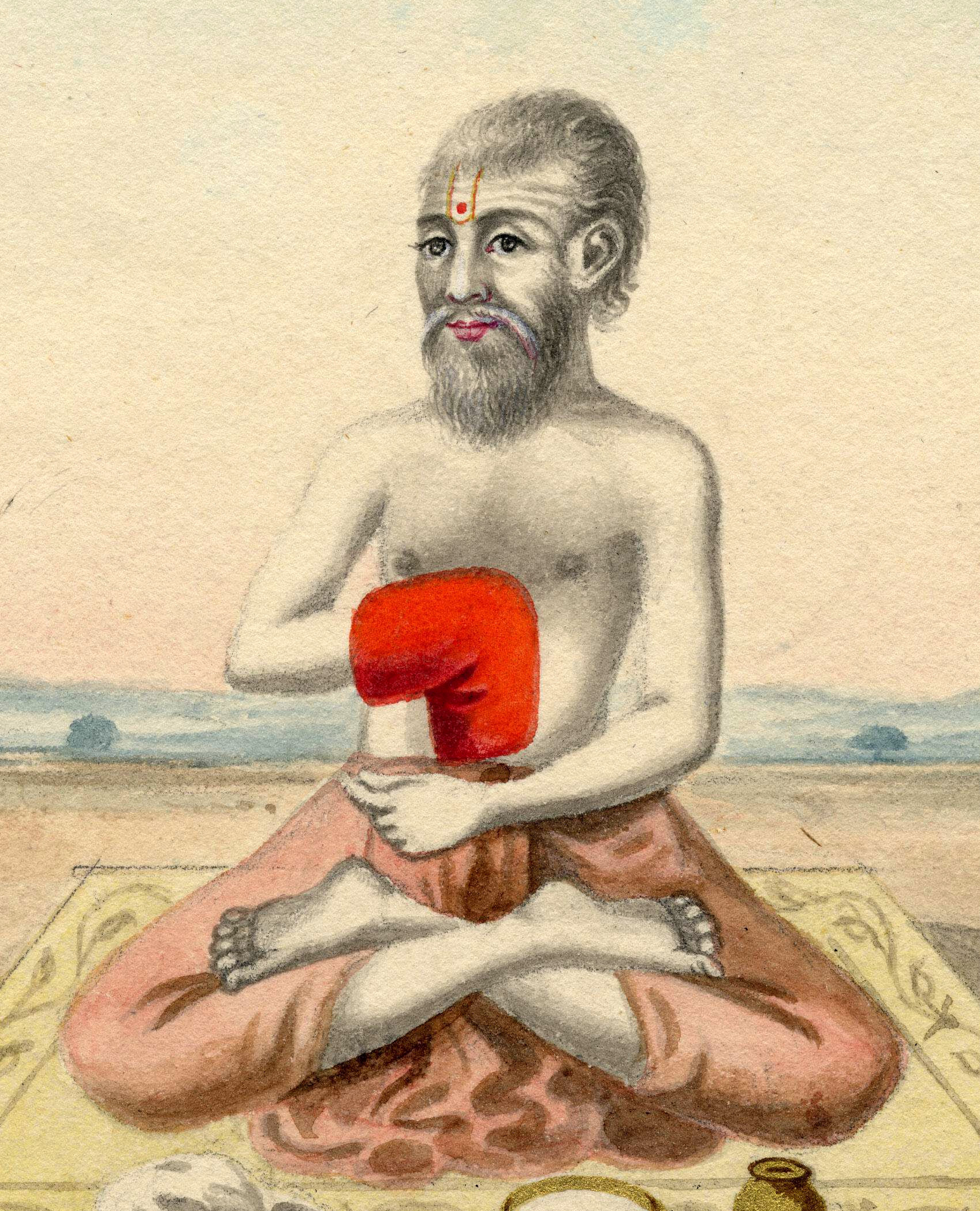
Kapila
(कपिल)
Ancient Indian philosopher and Vedic sage revered as the founder of Samkhya, India's oldest classical dualistic philosophical system, analyzing the cosmic relationship between pure consciousness (Purusha) and primordial matter (Prakriti).
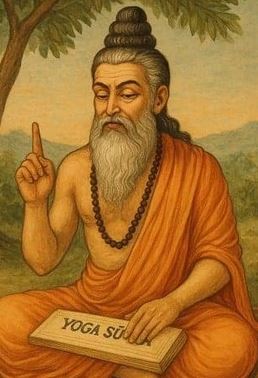
Patanjali
(पतञ्जलि)
Ancient Indian sage and philosopher who compiled the foundational 'Yoga Sutras', codifying classical Raja Yoga into the Eight Limbs (Ashtanga) to achieve mastery of the mind and spiritual liberation.
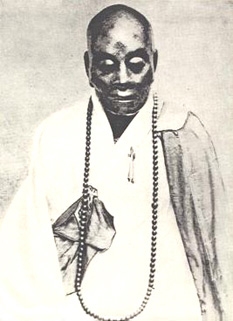
Huineng
 (惠能)
(惠能)
Illiterate firewood seller who became the historic Sixth Patriarch of Chan (Zen) Buddhism, founder of the Southern School of Sudden Enlightenment, whose teachings are preserved in the sacred 'Platform Sutra'.
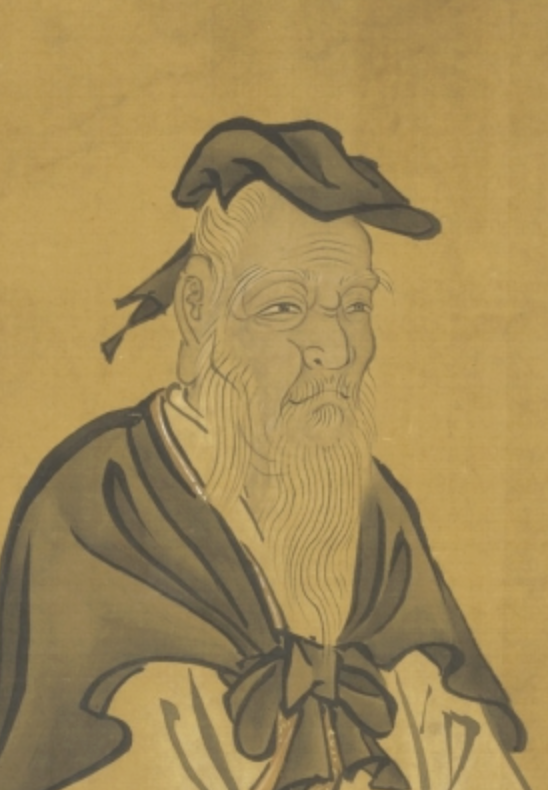
Dong Zhongshu
(董仲舒)
Han dynasty philosopher and imperial chancellor who persuaded Emperor Wu of Han to make Confucianism the sole official state ideology of the Chinese empire, formulating the doctrine of 'Mutual Resonance between Heaven and Man'.
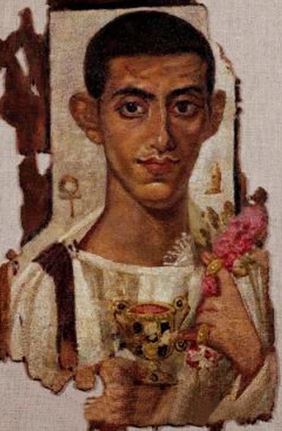
Ammonius Saccas
 (أمونيو ساكاس)
Pioneering Alexandrian philosopher who reconciled the philosophies of Plato and Aristotle and taught Plotinus, Origen, and Longinus, serving as the foundational catalyst of Neoplatonism.
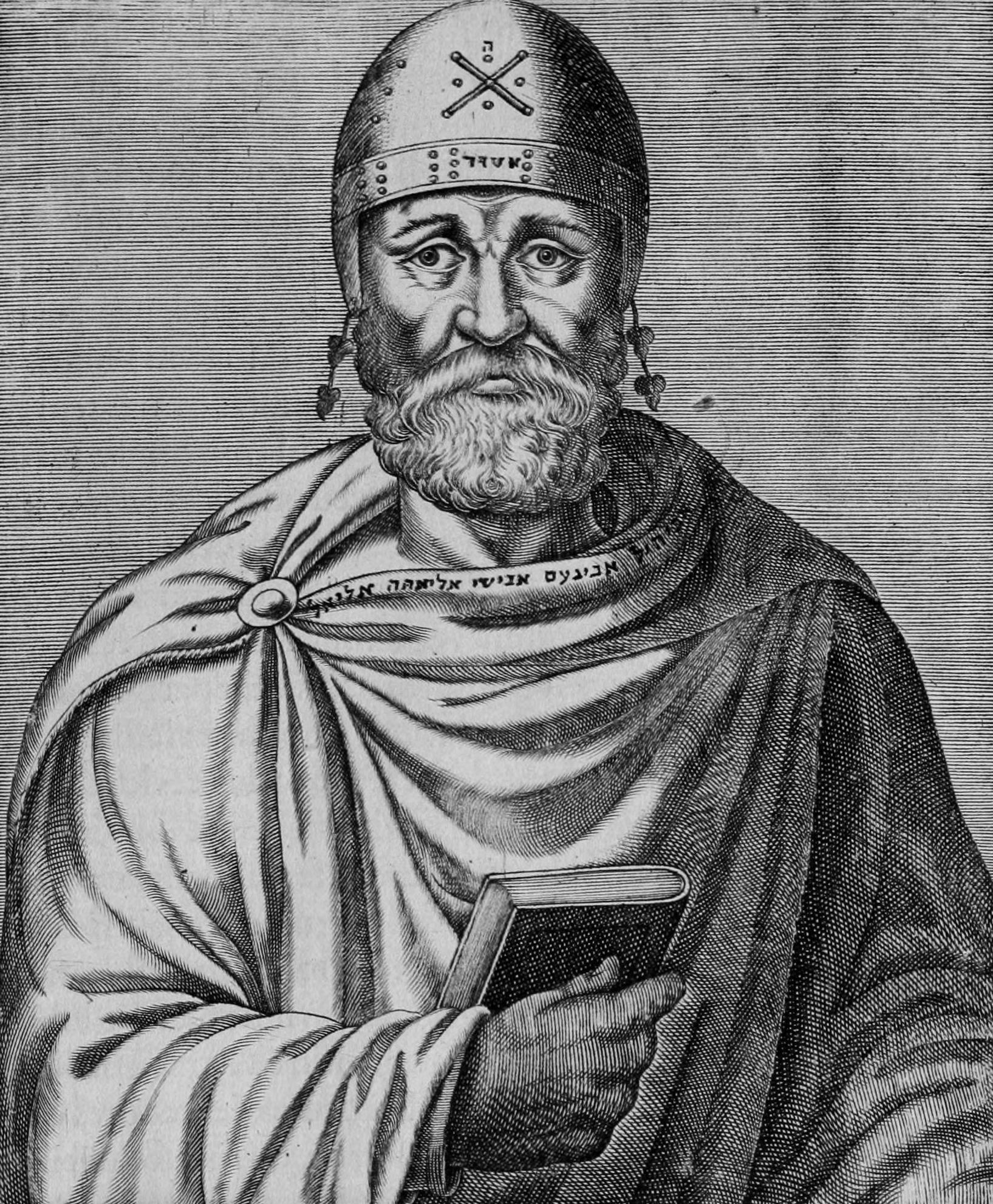
Philo of Alexandria
(فيلو الإسكندري (فيلون))
Hellenistic Jewish philosopher of Alexandria who pioneered the allegorical interpretation of the Hebrew Scriptures, synthesized the Torah with Platonic and Stoic philosophy, and developed the theology of the divine 'Logos'.
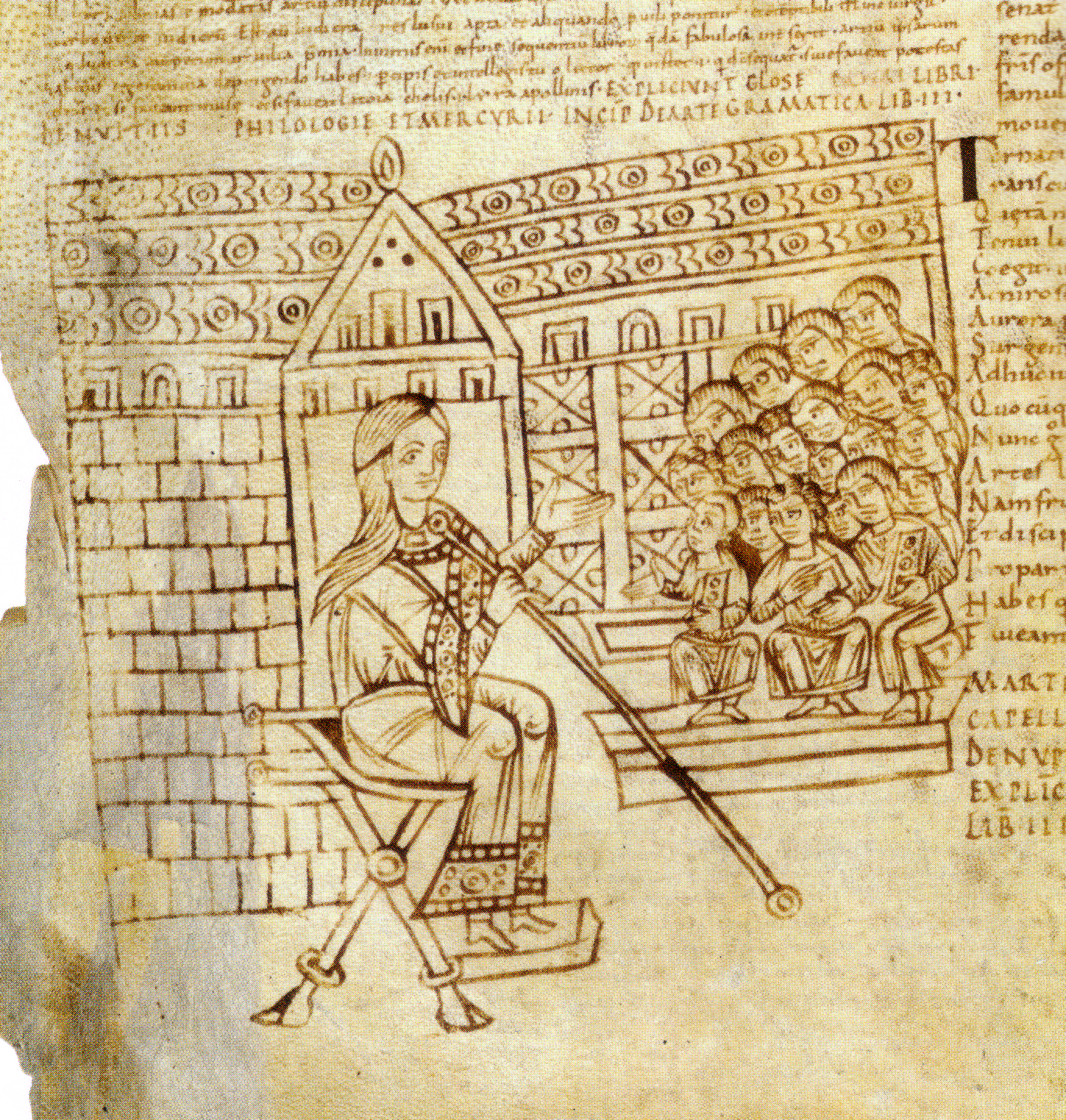
Martianus Capella
 (مارتيانوس كابيلا)
Late antique Latin writer and lawyer from Numidia whose allegorical encyclopedia 'The Marriage of Philology and Mercury' defined the medieval curriculum of the Seven Liberal Arts (Trivium and Quadrivium).
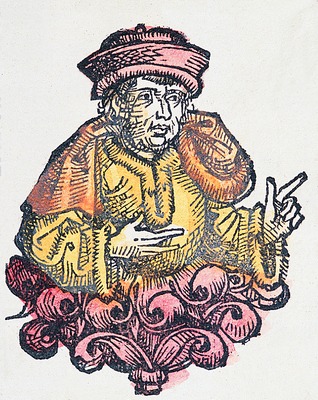
Arnobius of Sicca
 (أرنوبيوس السيكي)
Numidian master rhetorician from Le Kef, Tunisia, who fiercely attacked Roman pagan mythology and defended the Christian faith in his seven-volume treatise 'Adversus Nationes'.
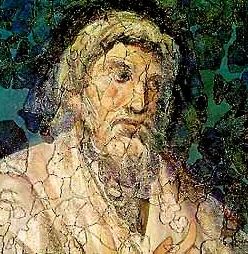
Lactantius (لاكطانسيوس)
North African Berber Christian author known as the 'Christian Cicero', who served as Latin rhetorician to Emperor Diocletian, converted to Christianity, and tutored the eldest son of Constantine the Great.
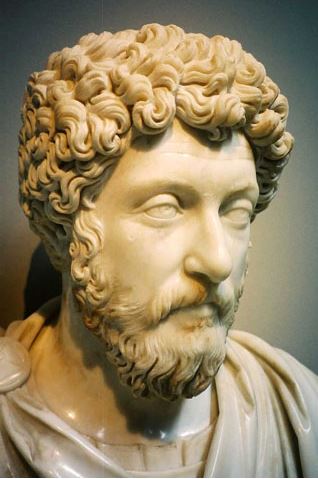
Minucius Felix (ماركوس مينوسيوس فيليكس)
North African Roman lawyer from Cirta (Constantine) who authored 'Octavius', one of the earliest and most elegant Christian philosophical dialogues in Latin literature.
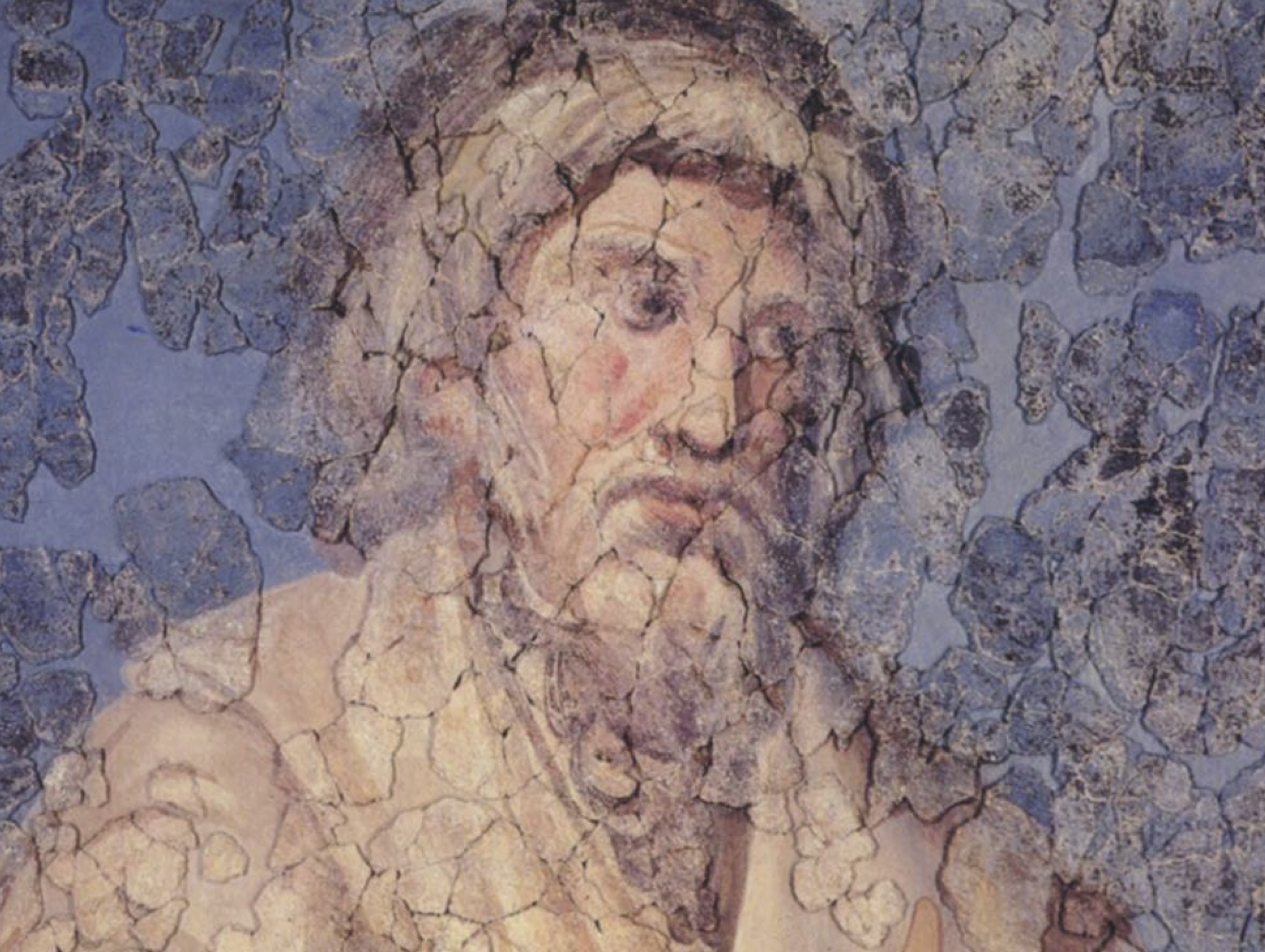
Apuleius of Madauros
(أبوليوس المادوري)
Numidian Berber Latin author and Platonist philosopher from M'Daourouch, Algeria, who wrote 'The Golden Ass' (Metamorphoses), the only complete Latin novel to survive from antiquity, containing the myth of Cupid and Psyche.
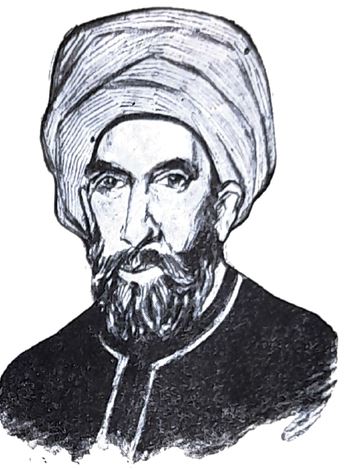
Ibn Tufayl (Abubacer)
 (أبو بكر محمد بن عبد الملك بن طفيل القيسي)
Andalusian philosopher and royal physician whose pioneering allegorical novel Hayy ibn Yaqzan (Alive, Son of Awake) explored human reason discovering supreme truth in total isolation.
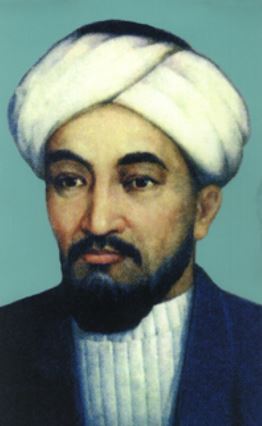
Al-Farabi (Abu Nasr al-Farabi)
 (أبو نصر محمد الفارابي)
Revered across medieval civilizations as 'The Second Teacher' (after Aristotle), who integrated logic, Neoplatonic metaphysics, and political philosophy in The Virtuous City.
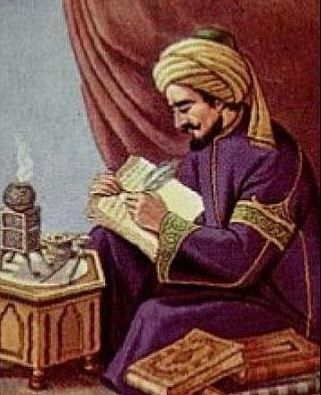
Al-Kindi (Abu Yusuf Ya'qub ibn Ishaq)
 (أبو يوسف يعقوب بن إسحاق الكِندي)
'The Philosopher of the Arabs' who inaugurated the translation and integration of Aristotle and Plato at the House of Wisdom (Bayt al-Hikma) in Abbasid Baghdad.
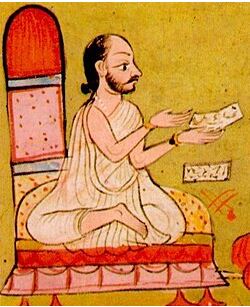
Bhartrihari
(भर्तृहरि)
Sanskrit philosopher of language whose Vakyapadiya established the metaphysics of Shabda Brahman (the Word as divine ground of reality) and the semantic flash of intuition (Sphota).
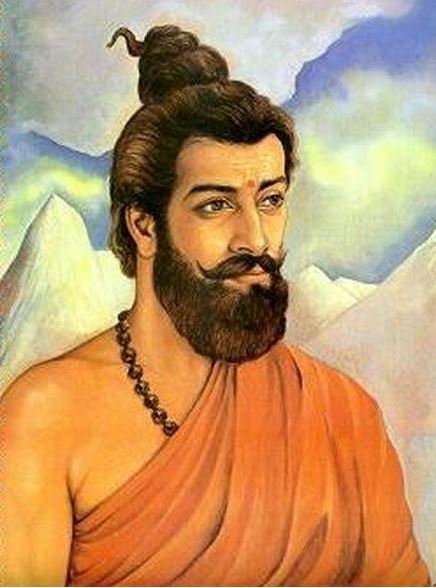
Maharishi Kanada
(कणाद महर्षि)
Ancient Indian sage who founded the Vaisheshika school of natural philosophy, formulating an atomic theory of matter (paramanu) centuries before modern chemistry.