Public Figures & Cultural Luminaries
Filterable archive covering centuries of intellectual, artistic, and moral contributions to the human story.
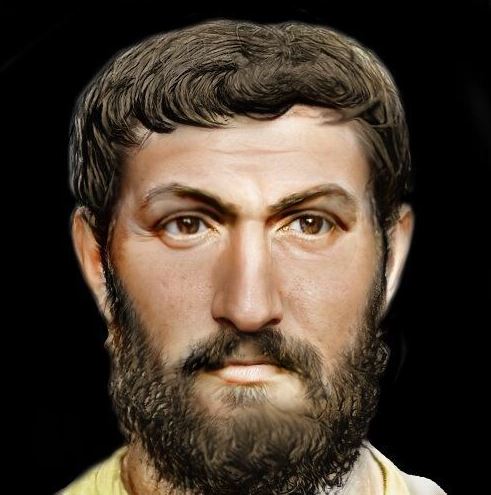
Parmenides of Elea
 (Παρμενίδης ὁ Ἐλεάτης)
Founder of the Eleatic school and father of Western ontology, whose hexameter poem On Nature distinguished between the timeless realm of Truth (Aletheia) and sensory Opinion (Doxa).
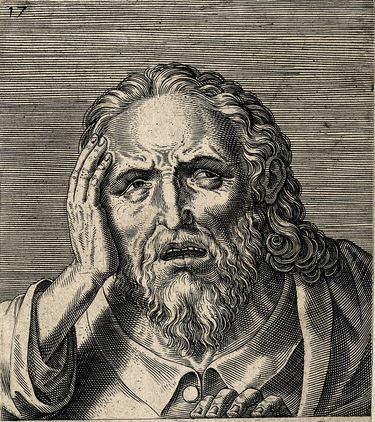
Heraclitus of Ephesus
 (Ἡράκλειτος ὁ Ἐφέσιος)
Presocratic philosopher famous for his doctrine of universal cosmic flux (Panta Rhei), identifying living fire as the primordial element and the divine Logos as the rational order uniting opposites.
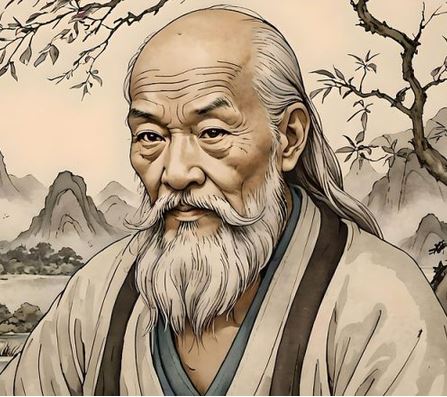
Laozi (Li Er)
 (老子 (李耳))
Ancient philosopher and royal archivist of the Zhou court. Father of Daoism and author of the Tao Te Ching (Daodejing), teaching natural simplicity, cosmic harmony, and effortless action (Wu Wei).
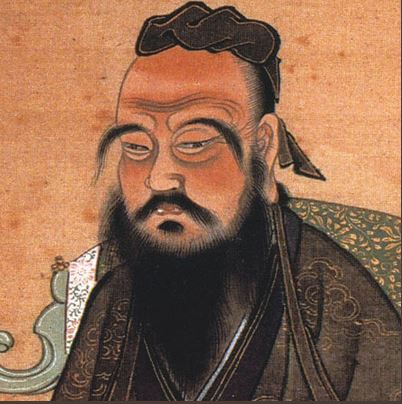
Kong Qiu (Kong Fuzi)
(孔夫子 (孔丘))
Philosopher and educator whose moral philosophy—recorded in the Analects—formed the foundation of East Asian civilization for over two millennia. Championed benevolence (Ren), righteousness (Yi), and harmonious ethical governance.
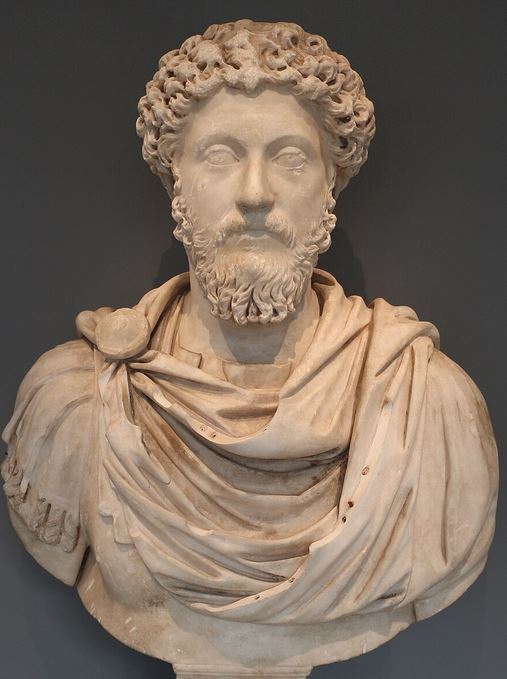
Marcus Aurelius Antoninus
(M·AVRELIVS·ANTONINVS·AVGVSTVS)
The last of the "Five Good Emperors" and humanity's quintessential philosopher-king. Led Rome through war and the Antonine plague while penning Meditations—a timeless masterwork of Stoic duty and inner peace.
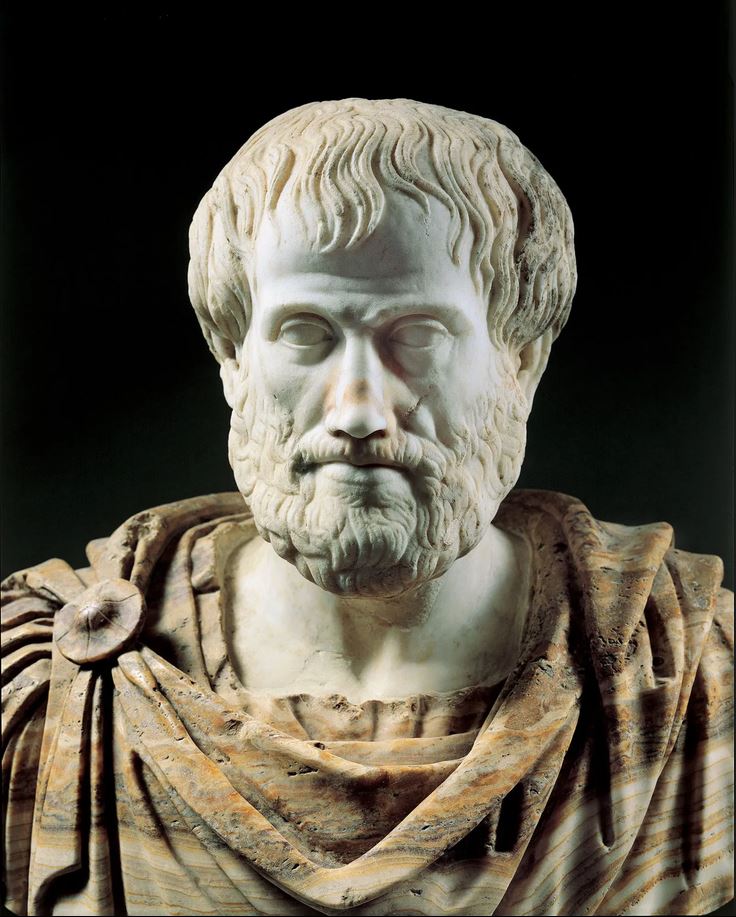
Aristotle of Stagira
(Ἀριστοτέλης (Aristotélēs))
Universal polymath whose treatises founded formal logic, biology, physics, ethics, politics, and poetics. Revered in Islamic scholarship as "The First Teacher" and in the European scholastic tradition as "The Philosopher".
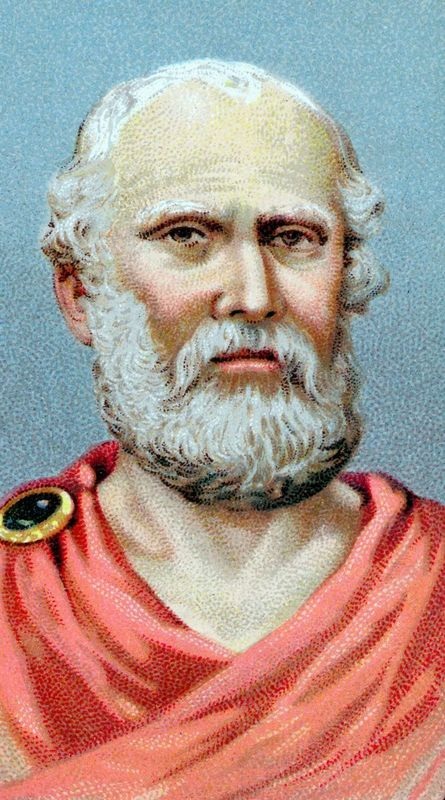
Plato (Aristocles)
(Πλάτων (Plátōn))
Disciple of Socrates and teacher of Aristotle, Plato founded the Academy in Athens—the Western world's first institution of higher learning. Author of immortal dialogues on justice, metaphysics, love, and ideal governance.
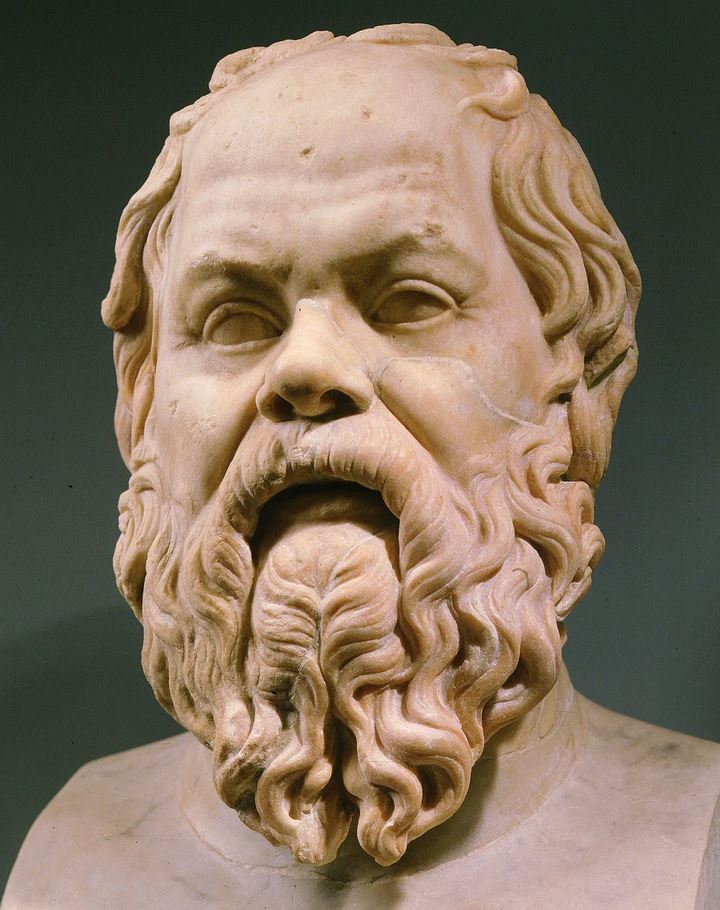
Socrates of Athens
(Σωκράτης (Sōkrátēs))
Foundational pillar of Western moral philosophy whose method of critical questioning (the Socratic method) revolutionized rational dialogue. Accepted death by hemlock with steadfast moral composure.