 German Empire
•
1 views
German Empire
•
1 views
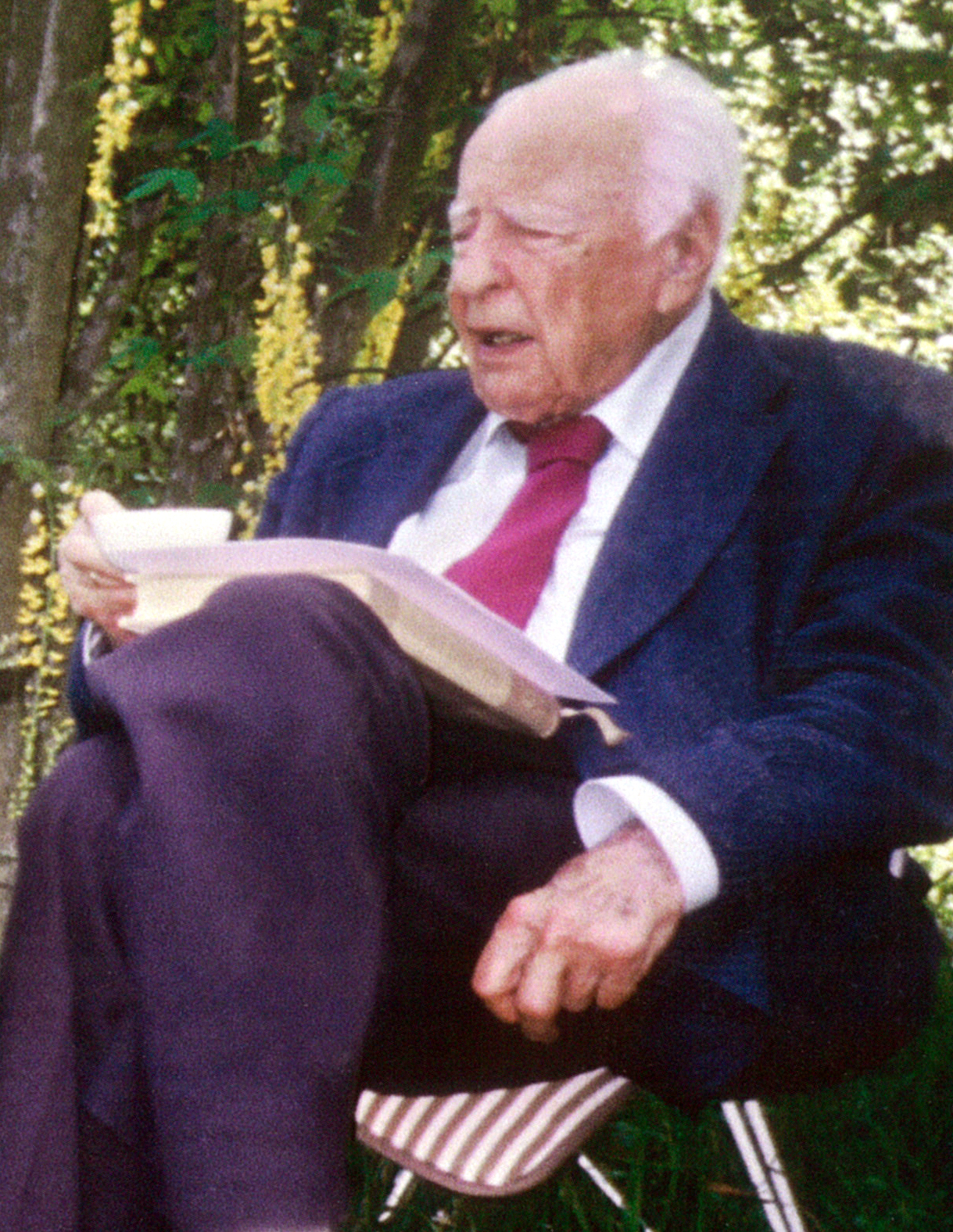
Hans-Georg Gadamer

Marburg, German Empire
Archival Overview
German philosopher whose 1960 masterwork Truth and Method established philosophical hermeneutics, defining human understanding through the 'fusion of horizons' (Horizontverschmelzung) and dialogue.
Biographical Record
A student of Martin Heidegger and Paul Natorp in Marburg, Hans-Georg Gadamer (1900–2002) succeeded Karl Jaspers at Heidelberg University. In his magnum opus 'Wahrheit und Methode' ('Truth and Method', 1960), he argued that truth in art, history, and literature cannot be captured by scientific method.
Gadamer rehabilitated tradition and prejudice (pre-judgments) as necessary conditions for all human comprehension. In dialogue with texts or others, understanding occurs through a 'fusion of horizons', wherein our historical perspective meets and transforms another's. He lived and taught past the age of one hundred.
Key Life Milestones
Truth and Method (Wahrheit und Methode)
Published the foundational classic of philosophical hermeneutics, vindicating truth outside scientific method.
The Gadamer-Habermas Debate
Engaged in historic debate on ideology critique, language universality, and tradition.
Memorial Guestbook & Tributes
0 messages recordedLeave a Respectful Tribute
Final Resting Place
Perpetual MemorialHeidelberg, Germany