 United States
•
1 views
United States
•
1 views
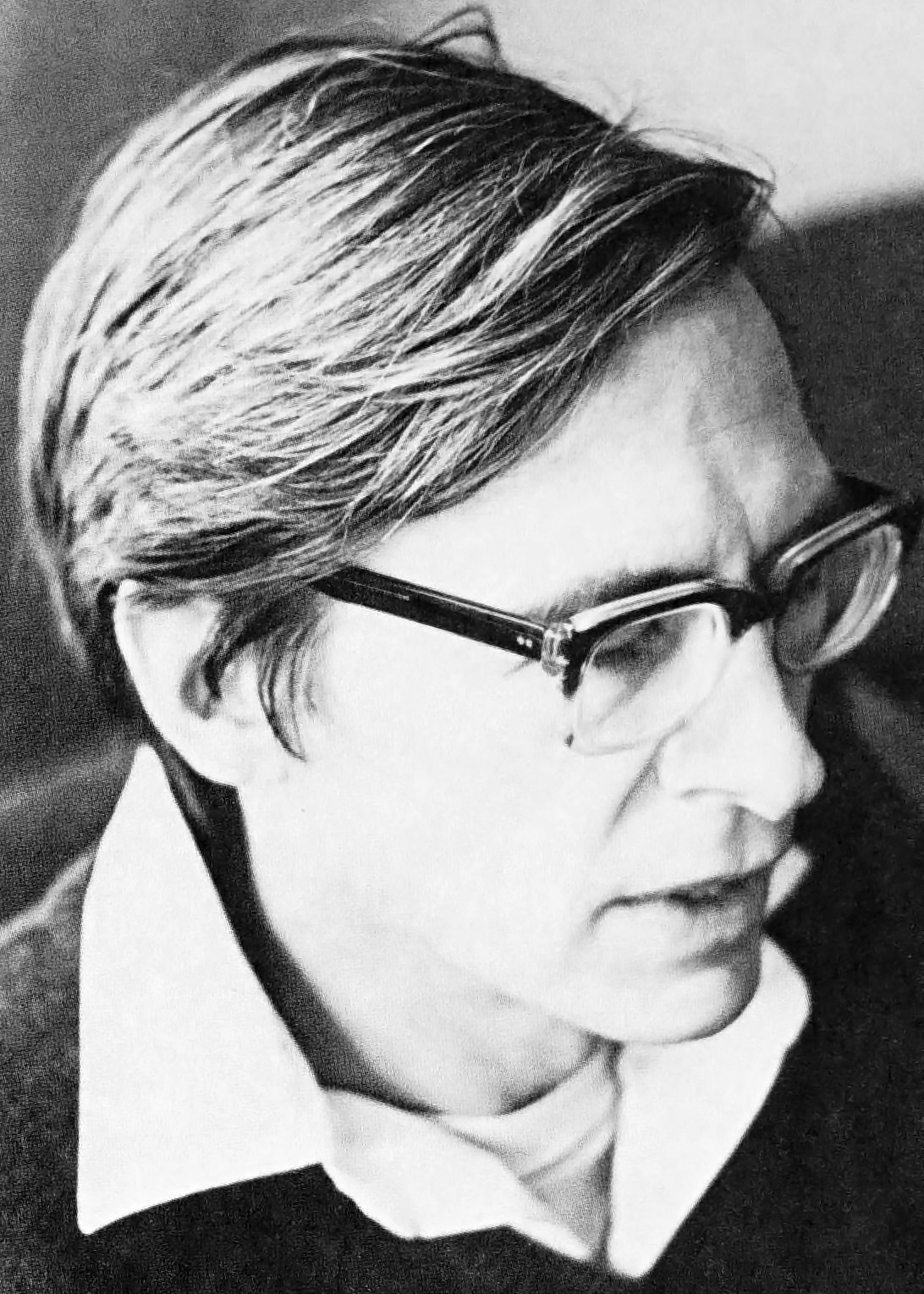
John Rawls

Baltimore (Maryland), United States
Archival Overview
American political philosopher whose 1971 masterpiece A Theory of Justice revived normative political philosophy, introducing the 'veil of ignorance' and 'justice as fairness'.
Biographical Record
After serving in the Pacific infantry during World War II and witnessing the ruins of Hiroshima, John Rawls (1921–2002) dedicated his academic career at Harvard to answering how a just and free society can be established. In 'A Theory of Justice' (1971), he proposed the thought experiment of the 'Original Position'.
Behind a 'veil of ignorance'—where no one knows their social class, race, gender, or natural talents—rational individuals would agree on two fundamental principles: maximum equal basic liberties for all, and socioeconomic inequalities arranged to benefit the least advantaged (the Difference Principle).
Key Life Milestones
A Theory of Justice
Published the monumental work revitalizing social contract theory and liberal egalitarianism.
Political Liberalism
Formulated the concept of overlapping consensus in pluralistic constitutional democracies.
Memorial Guestbook & Tributes
0 messages recordedLeave a Respectful Tribute
Final Resting Place
Perpetual MemorialCambridge (Massachusetts), United States