Public Figures & Cultural Luminaries
Filterable archive covering centuries of intellectual, artistic, and moral contributions to the human story.
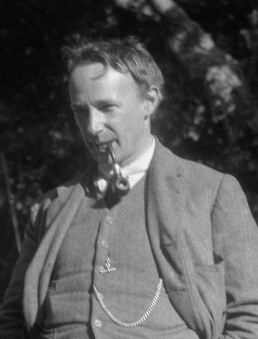
G. E. Moore
 (George Edward Moore)
British philosopher who co-founded analytic philosophy with Bertrand Russell, famous for Principia Ethica, the concept of the naturalistic fallacy, and his common sense defense of the external world.
Salama Moussa
 (سلامة موسى)
Trailblazing secular thinker, socialist pioneer, and essayist from Zagazig who introduced modern evolutionary theory, comparative sociology, and women's civil rights to early 20th-century Arab intellectual discourse.
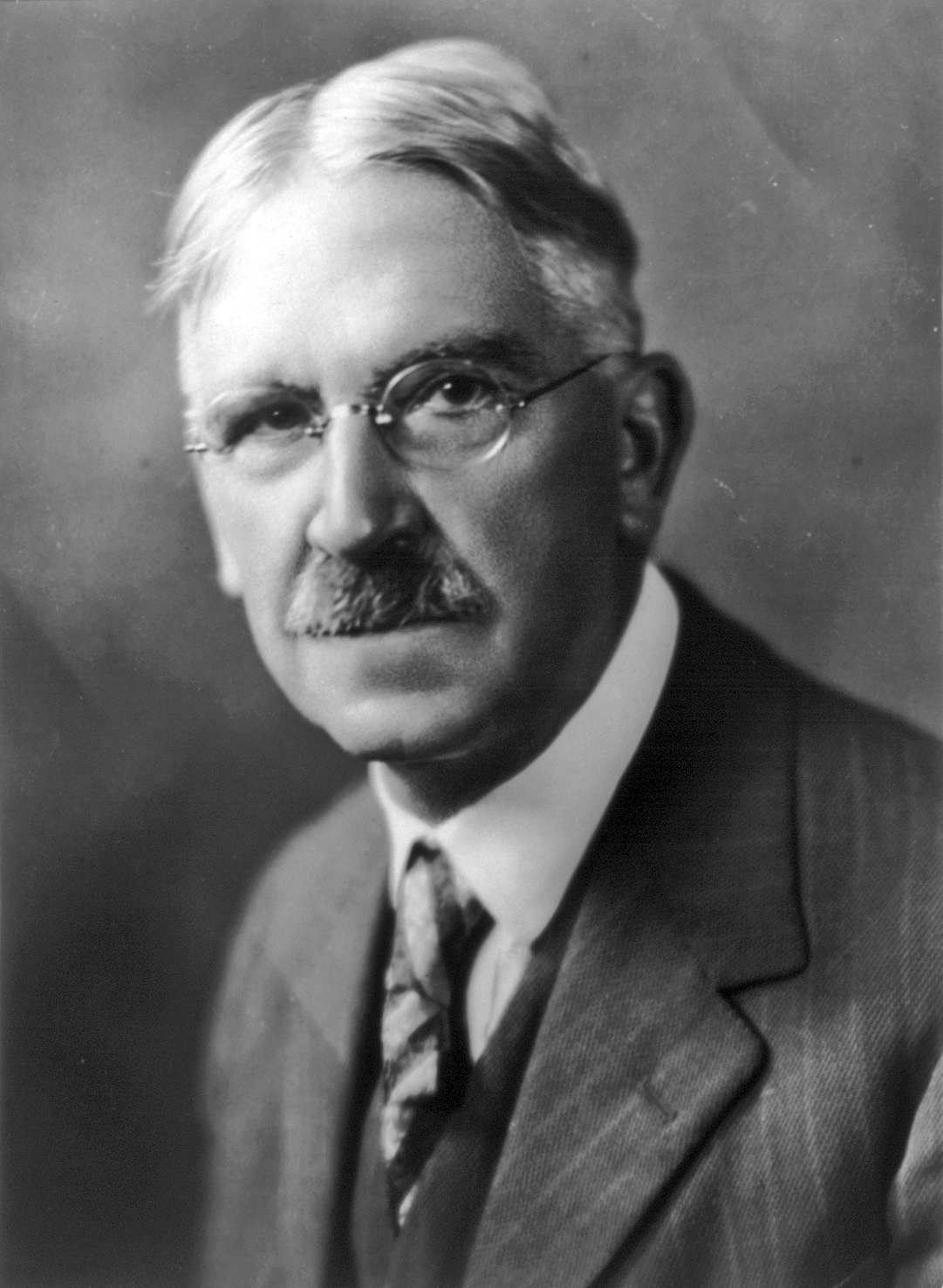
John Dewey
 (John Dewey)
American philosopher, psychologist, and educational reformer who developed instrumentalism and progressive education, co-founded the NAACP and the ACLU, and authored Democracy and Education.
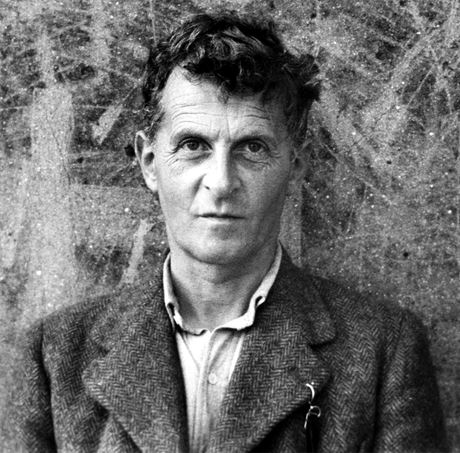
Ludwig Wittgenstein
 (Ludwig Josef Johann Wittgenstein)
Austrian-British philosopher who revolutionized philosophy twice: with the logical atomism of the Tractatus and the ordinary language 'language games' of Philosophical Investigations.
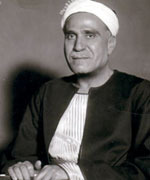
Mustafa Abd al-Raziq
(مصطفى عبد الرازق)
Enlightened philosopher and Grand Imam of Al-Azhar who studied at the Sorbonne and Lyons, introduced the modern academic study of Islamic philosophy, and authored Tamhid li-Tarikh al-Falsafa al-Islamiyya.
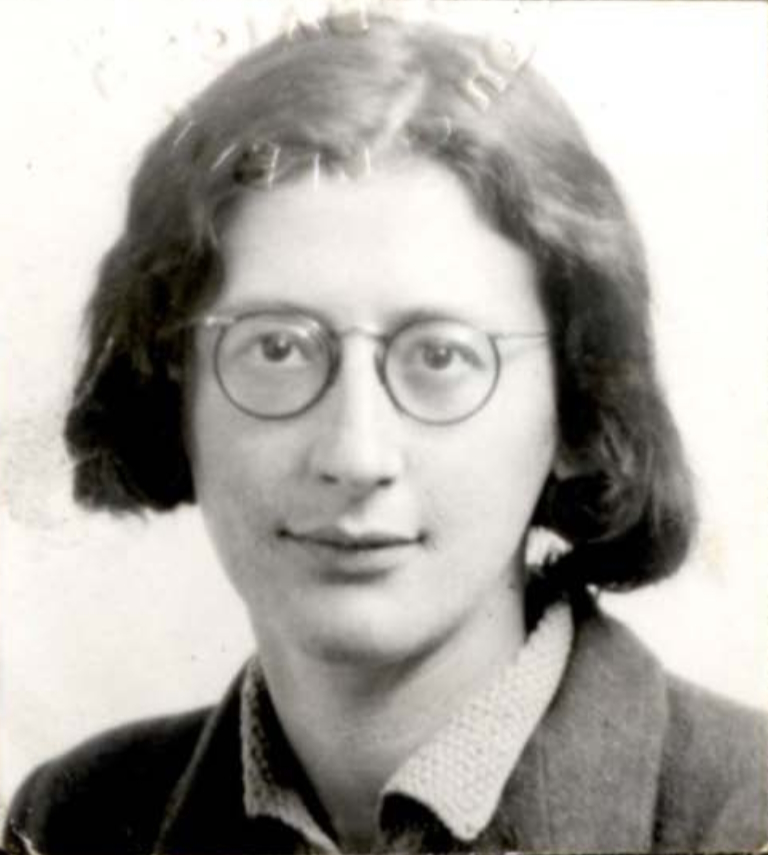
Simone Weil
 (Simone Adolphine Weil)
French philosopher, mystic, and social activist celebrated for Waiting for God and Gravity and Grace, who renounced elite privilege to work in automobile factories and Spanish Civil War trenches.
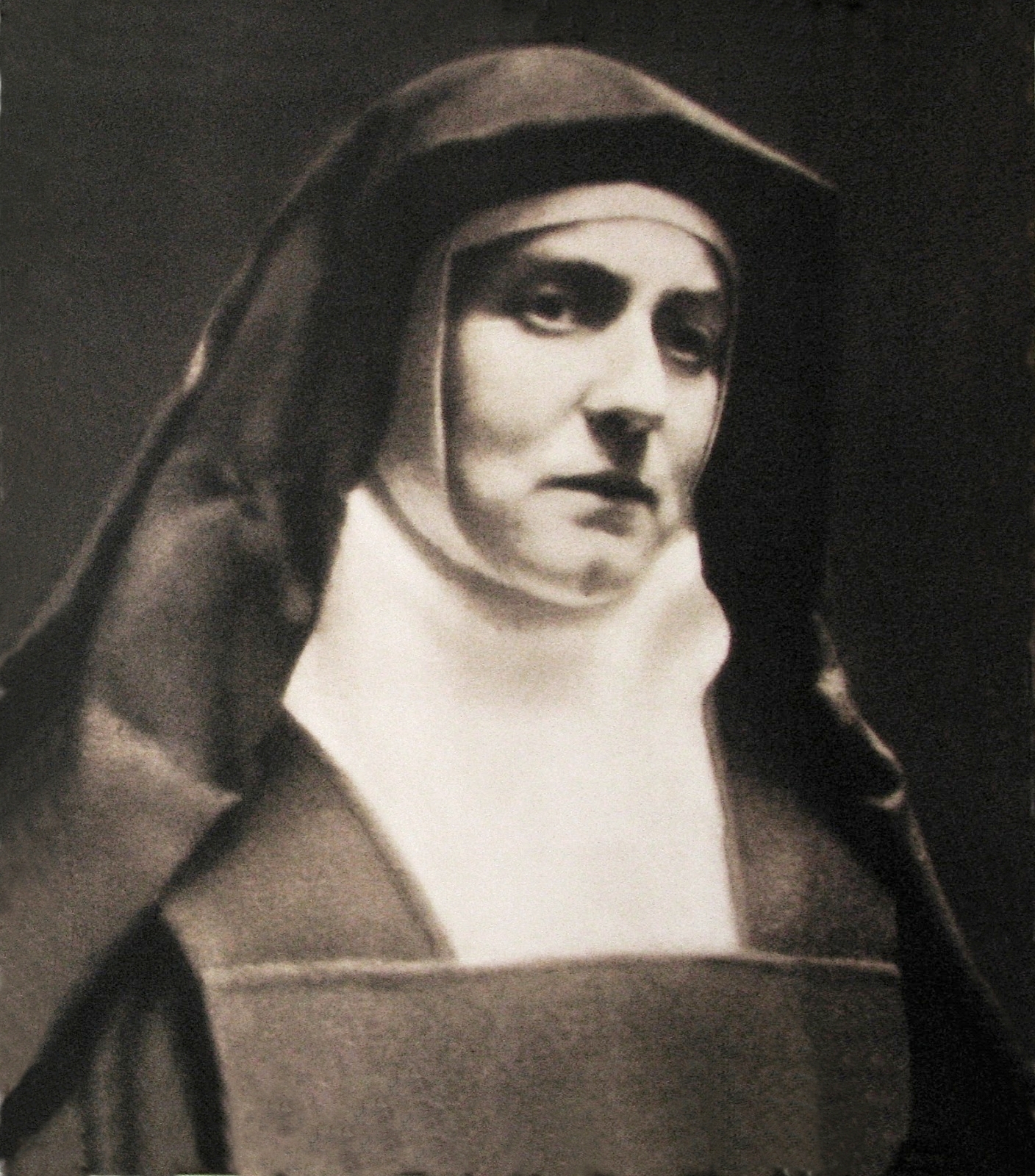
Edith Stein
 (Edith Stein (Saint Teresa Benedicta of the Cross))
German-Jewish philosopher and phenomenologist who was Edmund Husserl's assistant, authored On the Problem of Empathy, converted to Catholicism, and was murdered at Auschwitz-Birkenau.
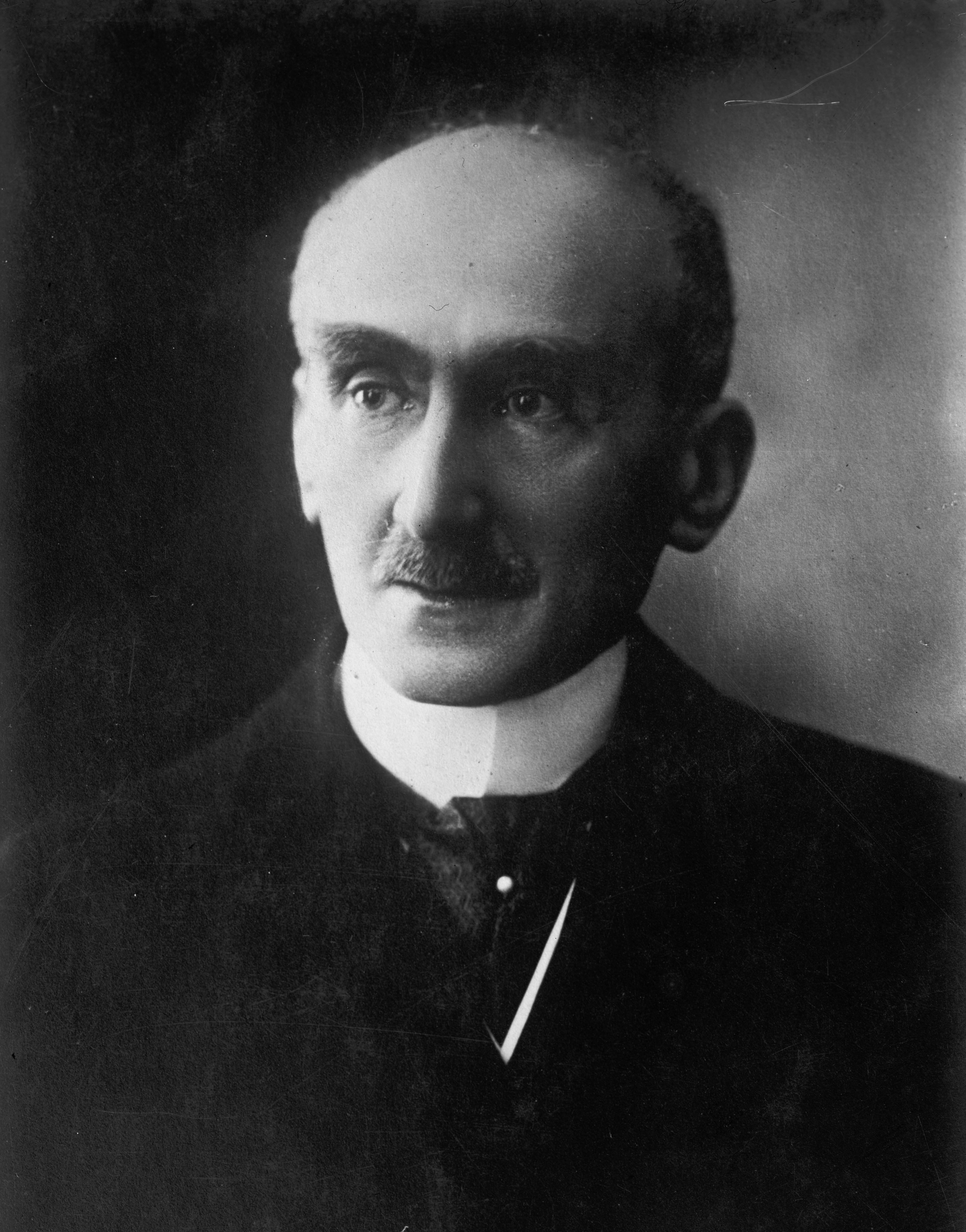
Henri Bergson
(Henri-Louis Bergson)
French philosopher of intuition and process who won the 1927 Nobel Prize in Literature, world-famous for Time and Free Will, Creative Evolution, and his concept of living duration (la duree).
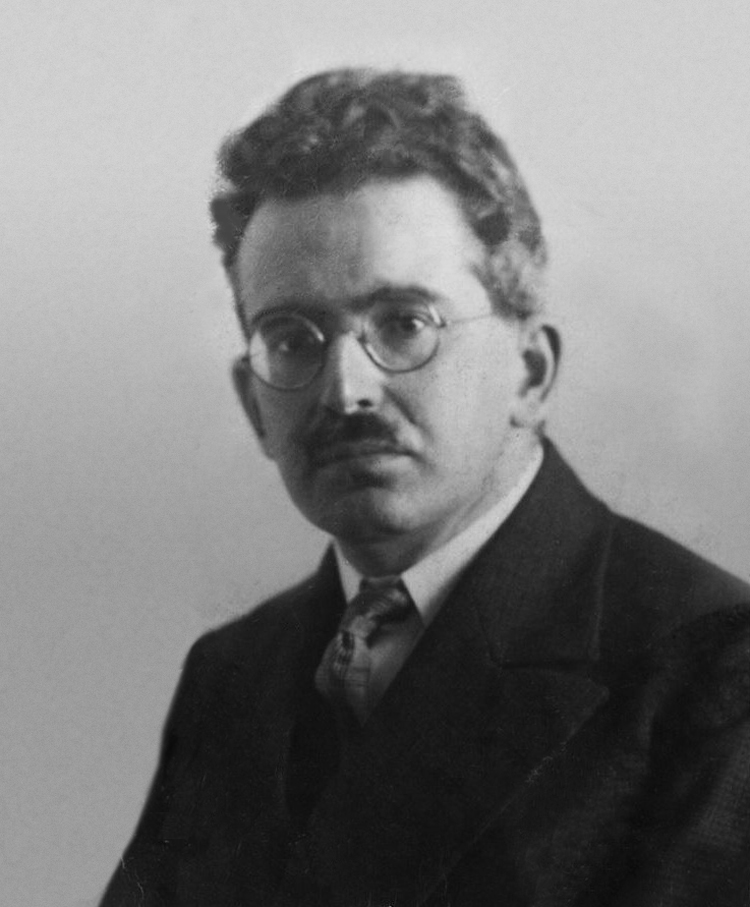
Walter Benjamin
 (Walter Bendix Schönflies Benjamin)
German-Jewish philosopher, literary essayist, and cultural critic celebrated for The Work of Art in the Age of Mechanical Reproduction and Theses on the Philosophy of History.
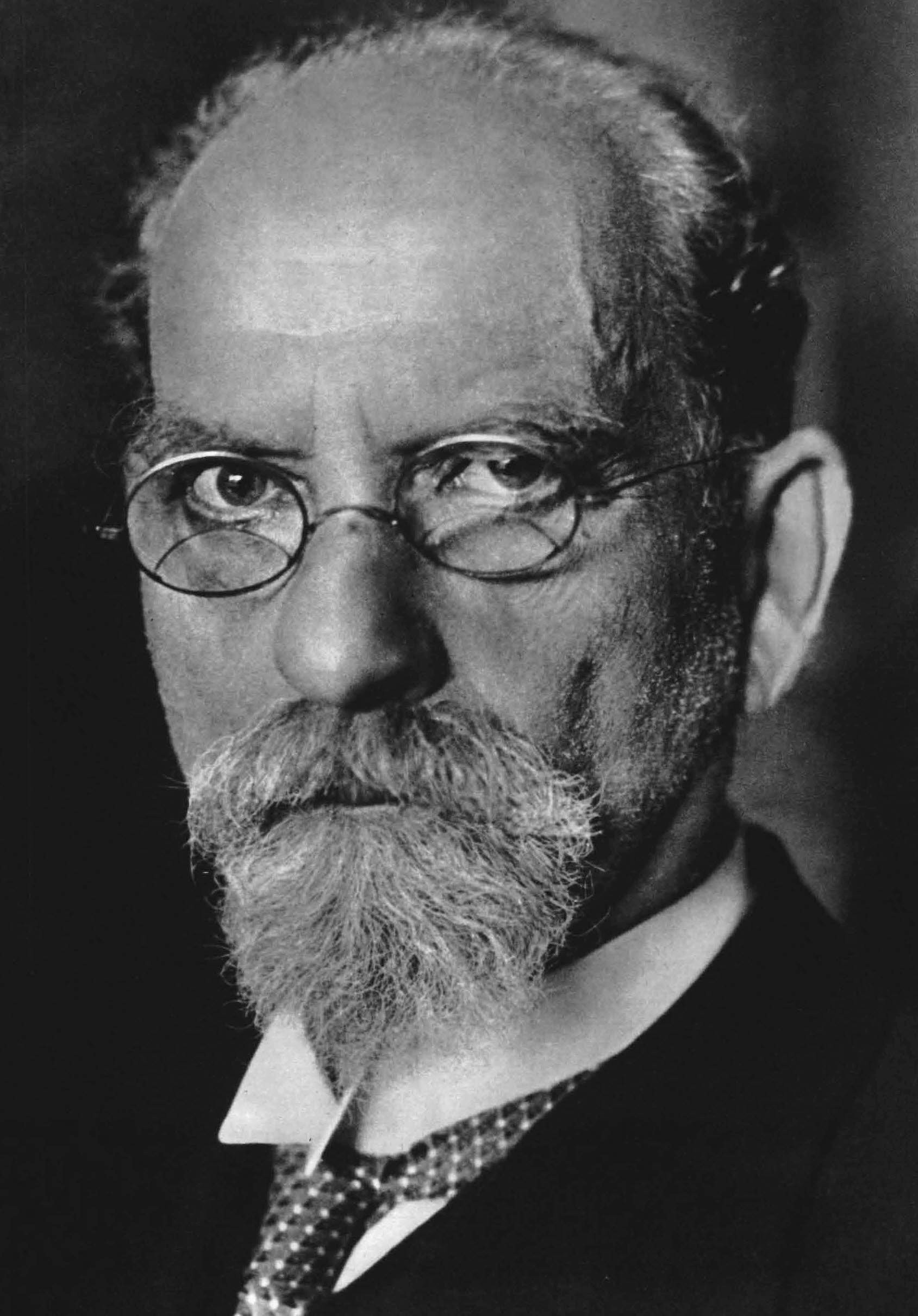
Edmund Husserl
(Edmund Gustav Albrecht Husserl)
Austrian-German philosopher who founded phenomenology with Logical Investigations and Ideas I, seeking to return 'to the things themselves' by analyzing intentional consciousness and epoche.
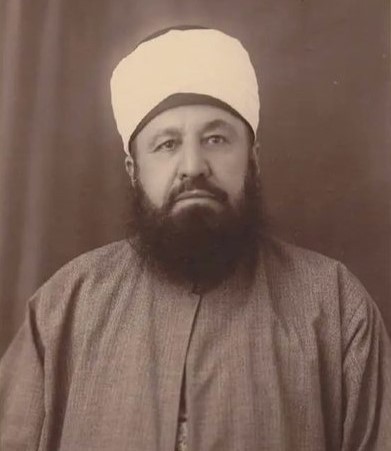
Rashid Rida
 (محمد رشيد رضا)
Influential Islamic scholar, editor, and political theorist who founded the seminal Cairo-based journal 'Al-Manar' in 1898, continuing the modernist reform tradition of Muhammad Abduh while articulating an early vision of the modern Islamic state.
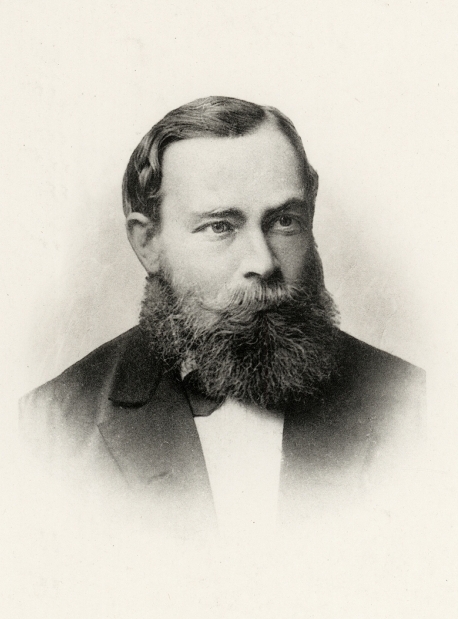
Gottlob Frege
(Friedrich Ludwig Gottlob Frege)
German mathematician, logician, and philosopher universally celebrated as the father of modern logic and analytic philosophy, who invented predicate calculus and distinguished Sense and Reference.
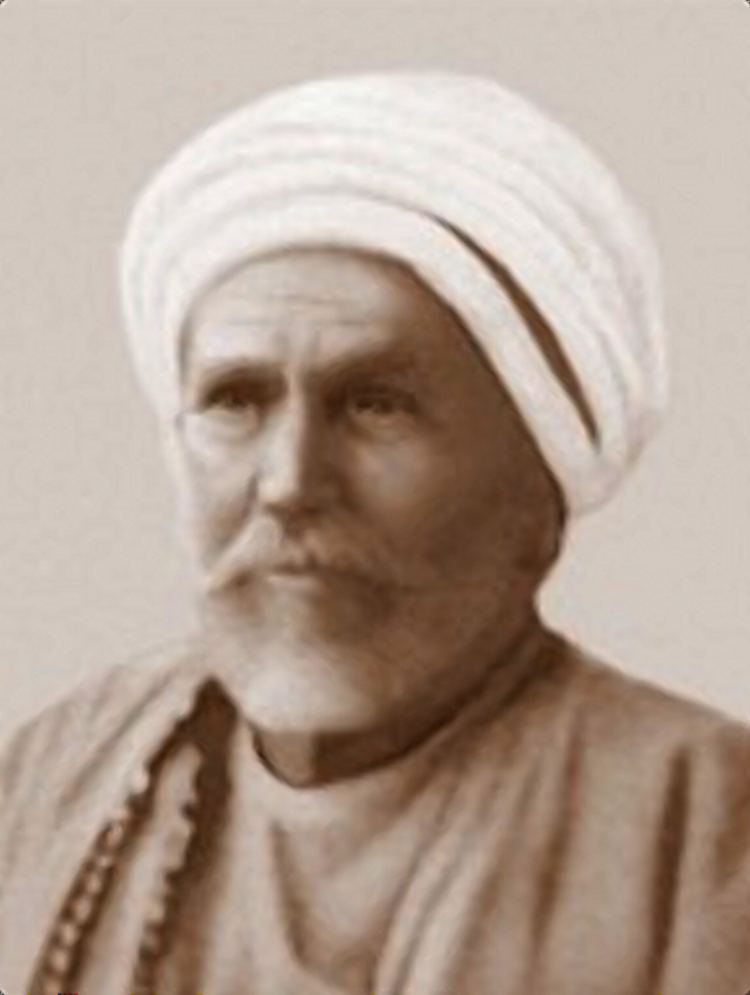
Salem Bouhageb
 (سالم بوحاجب)
Towering reformist thinker and revered professor at Ez-Zitouna who mentored the leaders of the Young Tunisian movement and advocated religious modernization through ijtihad.
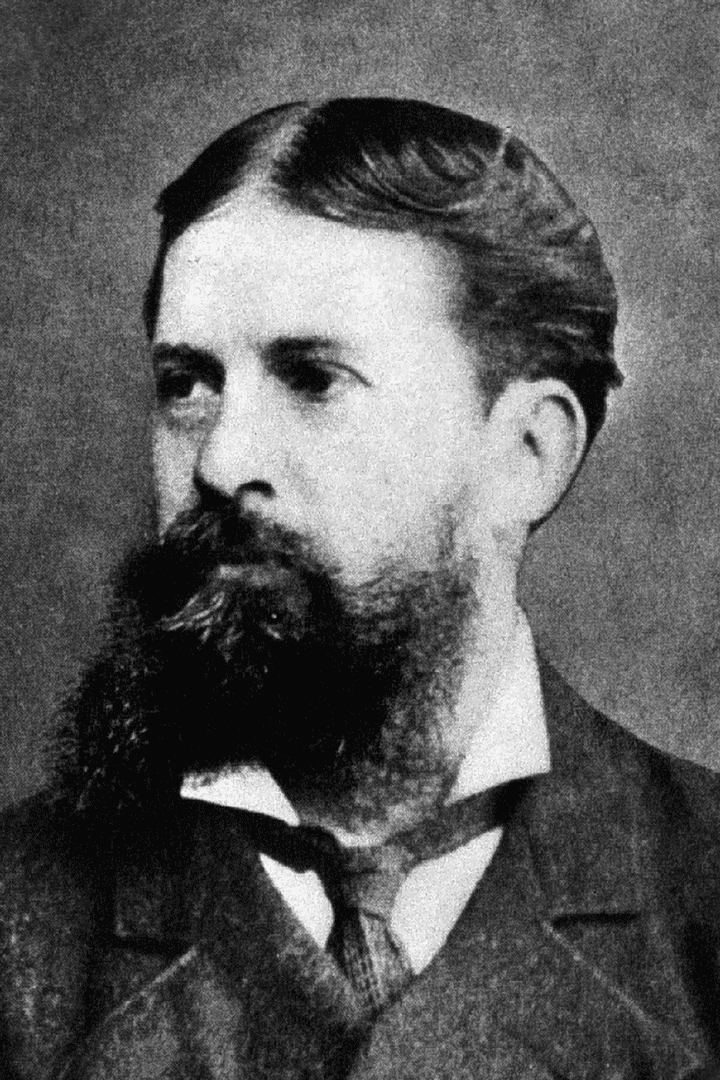
Charles Sanders Peirce
(Charles Sanders Peirce)
American philosopher, logician, and scientist celebrated as the father of pragmatism and modern semiotics, who introduced abduction (inference to the best explanation).
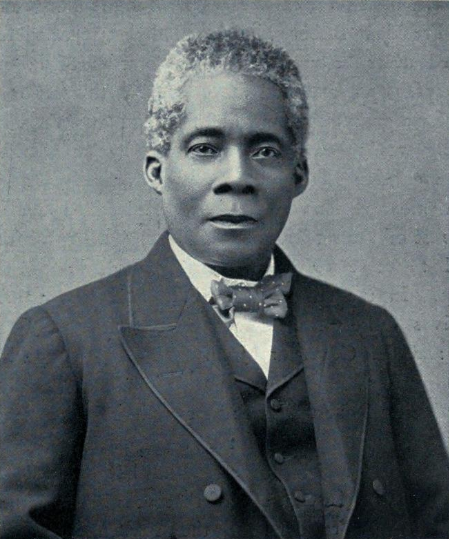
Edward Wilmot Blyden
(Edward Wilmot Blyden)
Educator, writer, and diplomat recognized as the father of Pan-Africanism, whose 1887 book Christianity, Islam and the Negro Race formulated the concept of the 'African Personality'.
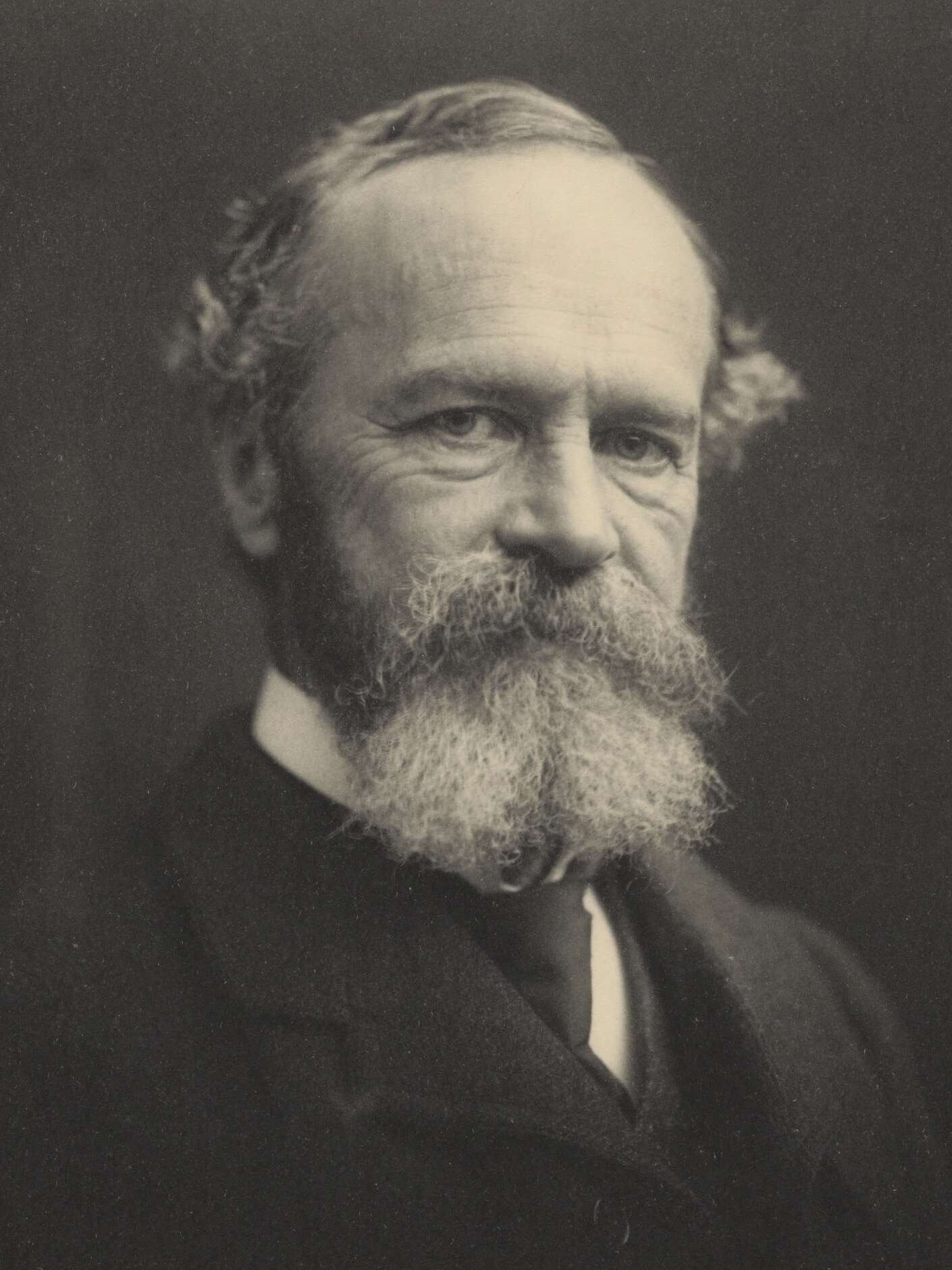
William James
(William James)
American philosopher and psychologist who founded American psychology with The Principles of Psychology and popularized Pragmatism, radical empiricism, and The Varieties of Religious Experience.
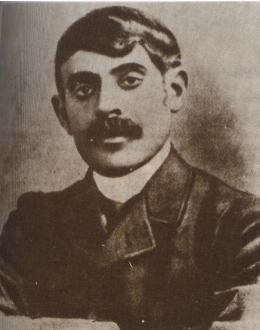
Qasim Amin
(قاسم أمين)
Eminent judge and social philosopher celebrated as the father of modern Arab feminism, whose revolutionary 1899 book The Liberation of Women ignited the struggle for female education and civil rights.
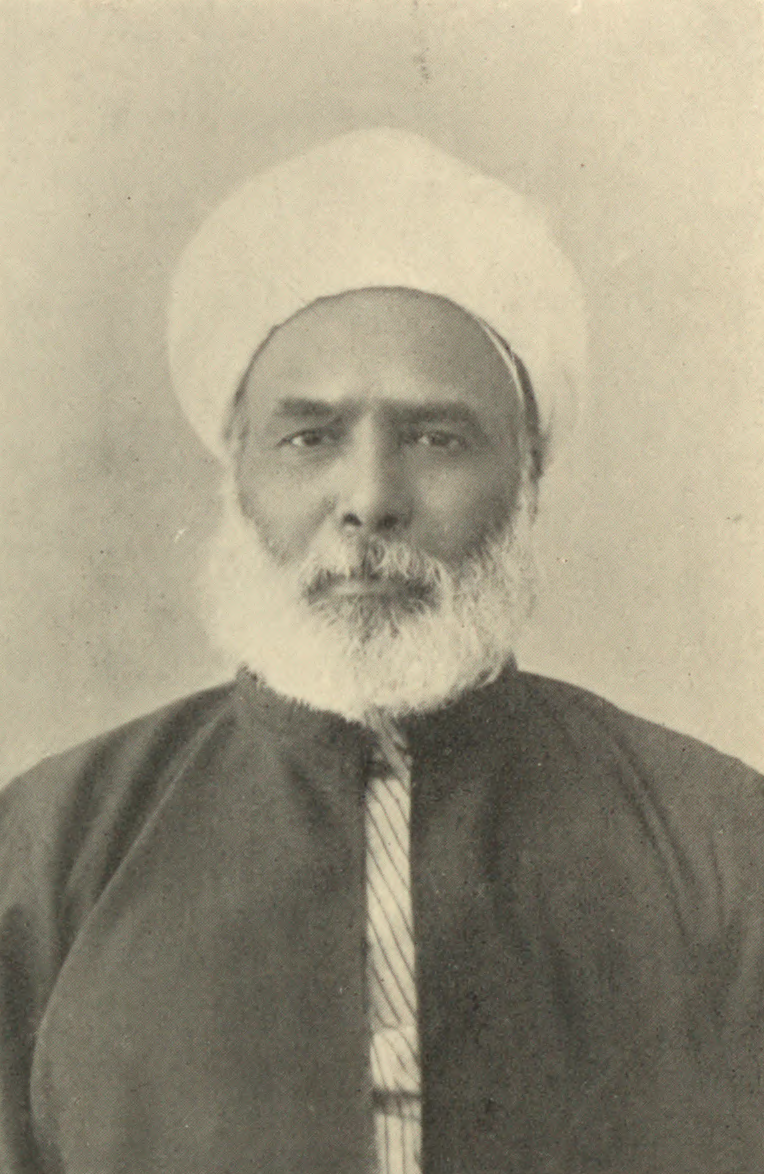
Muhammad Abduh
(محمد عبده)
Colossal Egyptian Islamic jurist, Grand Mufti of Egypt, and religious reformer whose intellectual work liberated Islamic thought from stagnant medieval imitation (taqlid), advocating rational interpretation (ijtihad) and modern scientific education.