Public Figures & Cultural Luminaries
Filterable archive covering centuries of intellectual, artistic, and moral contributions to the human story.
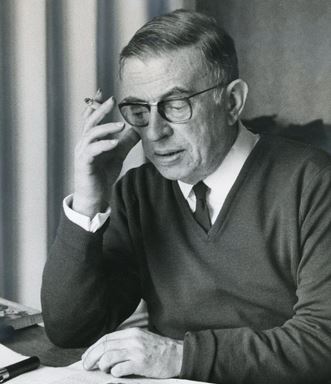
Jean-Paul Sartre
 (Jean-Paul Charles Aymard Sartre)
Foremost figure of 20th-century French existentialism whose Being and Nothingness proclaimed that 'existence precedes essence' and that human beings are radical agents condemned to be free.
Roland Barthes
(Roland Gérard Barthes)
French literary theorist, philosopher, and semiotician whose Mythologies (1957) decoded bourgeois consumer culture and whose epochal 1967 essay 'The Death of the Author' redefined modern literary criticism.
Ali Shariati
 (علی شریعتی)
Influential Iranian sociologist and philosopher whose lectures at the Hosseiniyeh Ershad articulated the ideology of the 1979 revolution.
Kamal Jumblatt
 (كمال جنبلاط)
Visionary Lebanese political leader, Druze chieftain, and philosopher who founded the Progressive Socialist Party and led the Lebanese National Movement.
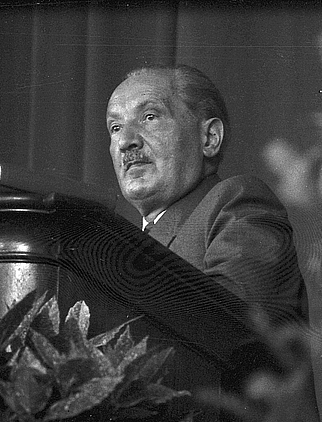
Martin Heidegger
 (Martin Heidegger)
German philosopher whose 1927 masterwork Being and Time revolutionized modern existentialism, hermeneutics, and continental philosophy by re-opening the question of Being (Seinsfrage).
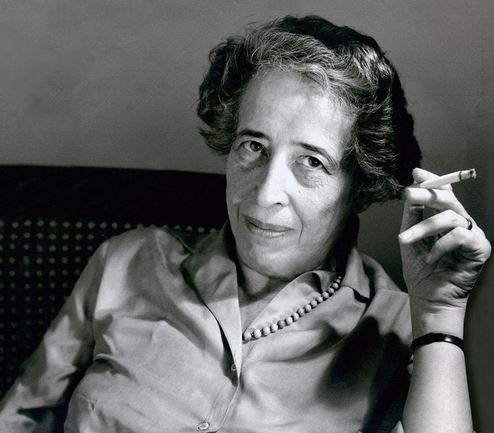
Hannah Arendt
(Johanna Arendt)
German-American political philosopher whose monumental works analyzed the mechanics of modern totalitarianism, the vita activa of citizenship, and the banality of evil.
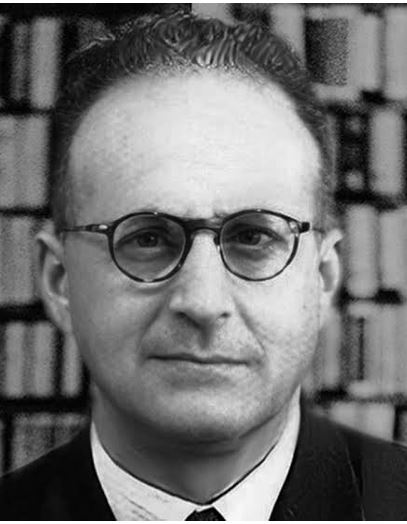
Malek Bennabi
 (مالك بن نبي)
Visionary Algerian philosopher of history and civilizational renewal who formulated the groundbreaking concept of 'colonizability' (colonisabilité) and authored 'The Conditions of Renaissance'.
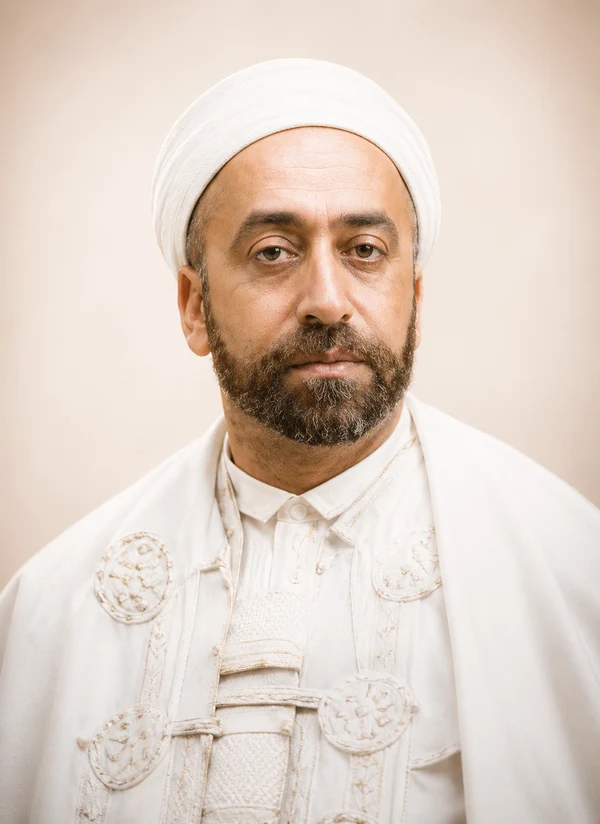
Muhammad al-Tahir ibn Ashur
 (محمد الطاهر بن عاشور)
Renowned Tunisian Islamic scholar, Grand Mufti, and rector of Ez-Zitouna University whose groundbreaking treatise Maqasid al-Shari'ah al-Islamiyyah pioneered the modern objective-oriented approach to Islamic jurisprudence and social reform.
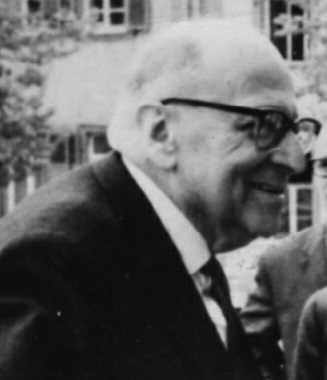
Max Horkheimer
(Max Horkheimer)
German philosopher and sociologist who directed the Institute for Social Research (Frankfurt School), formulated Critical Theory, and co-authored Dialectic of Enlightenment with Theodor Adorno.
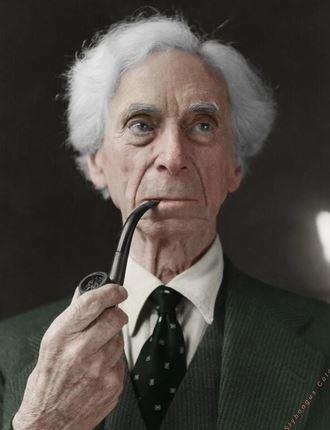
Bertrand Russell (3rd Earl Russell)
 (Bertrand Arthur William Russell)
British polymath, logician, and Nobel laureate who co-authored Principia Mathematica, founded analytic philosophy, and campaigned courageously for nuclear disarmament.
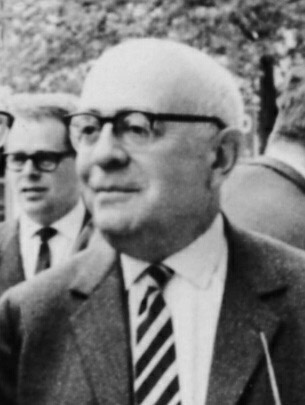
Theodor Adorno
(Theodor Ludwig Wiesengrund-Adorno)
German philosopher, sociologist, and music theorist of the Frankfurt School who co-authored Dialectic of Enlightenment and Minima Moralia, declaring that to write poetry after Auschwitz is barbaric.
Zaki al-Arsuzi
 (زكي الأرسوزي)
Syrian philosopher and linguistic theorist who formulated the philosophical and philological foundations of Arab national identity.
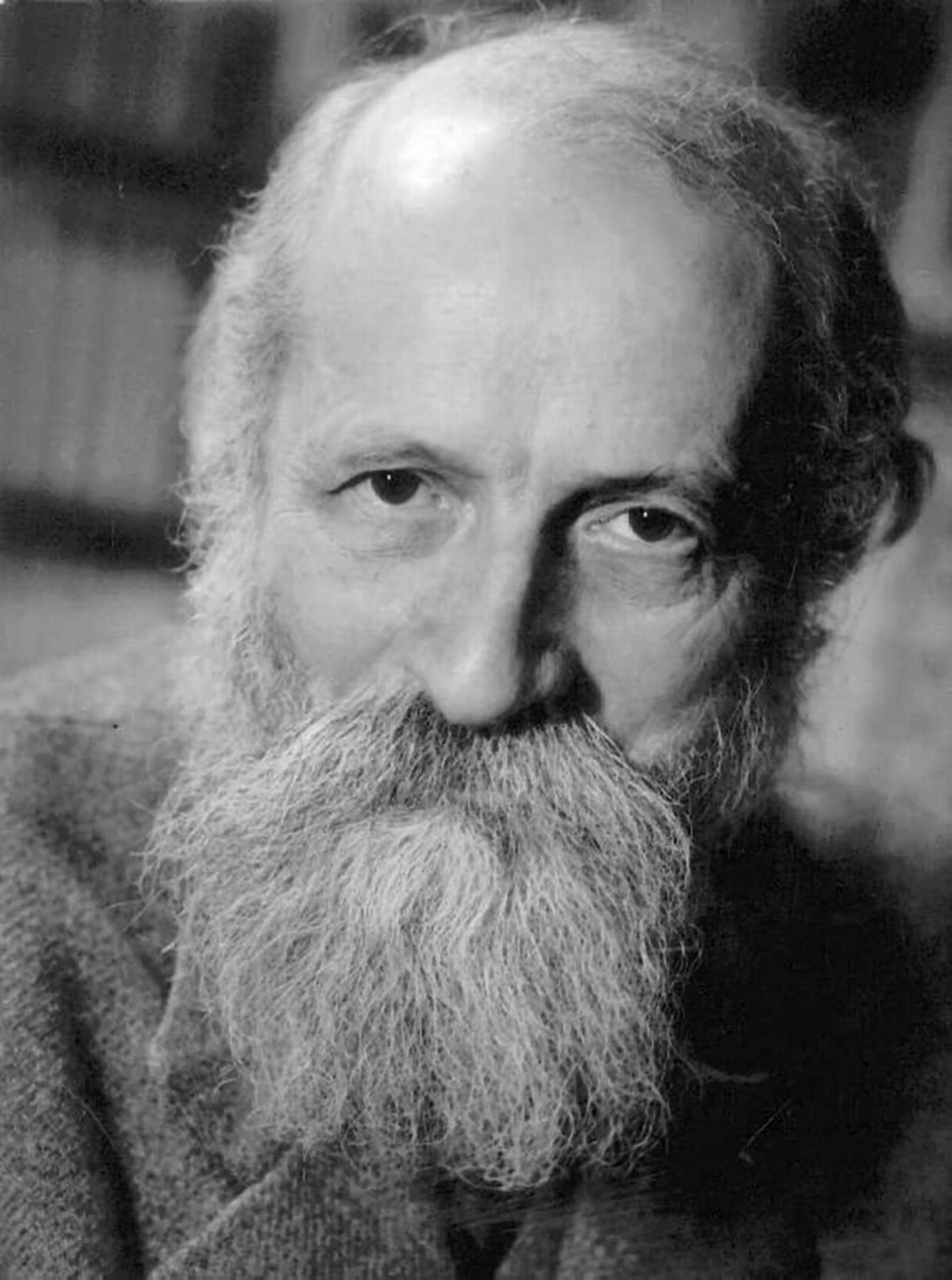
Martin Buber
 (מרטיን בובר)
Jewish-Austrian philosopher whose 1923 existential masterpiece I and Thou founded dialogical personalism, contrasting authentic human communion (I-Thou) with utilitarian objectification (I-It).
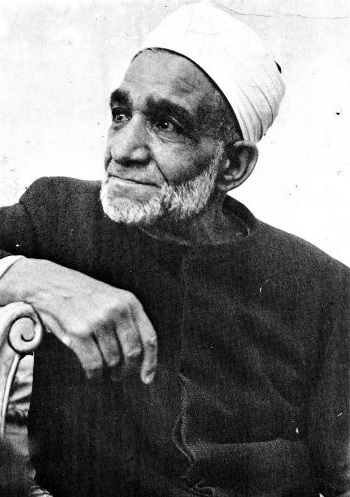
Mahmud Shaltut
 (محمود شلتوت)
Renowned Grand Imam of Al-Azhar whose visionary leadership modernized the institution into a university with faculties of medicine and engineering, and who issued the historic 1959 fatwa recognizing the Ja'fari (Shia) school of jurisprudence for interfaith unity.
Ahmad Lutfi al-Sayyid
(أحمد لطفي السيد)
Titan of modern Arab political philosophy known as 'Ustadh al-Jil' (The Teacher of the Generation), founding rector of Cairo University who translated Aristotle into Arabic and championed secular constitutionalism.
Ahmed Lutfi al-Sayyid
(أحمد لطفي السيد)
Venerated as the 'Professor of the Generation' (Ustadh al-Jil), he was the intellectual architect of liberal Egyptian nationalism, first rector of Cairo University, and translator of Aristotle.
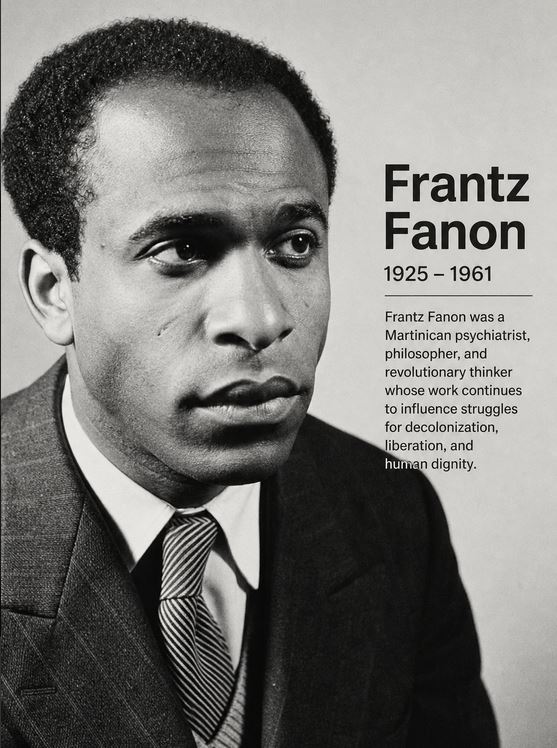
Frantz Omar Fanon
 (Frantz Fanon)
Profound Martinican-born psychiatrist, philosopher, and revolutionary whose diagnostic critiques of colonialism, racism, and mental liberation in Peau noire, masques blancs and Les Damnés de la terre reshaped global liberation movements.
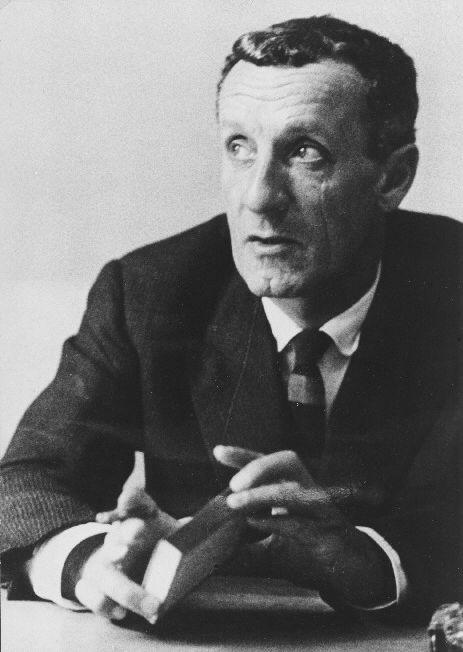
Maurice Merleau-Ponty
(Maurice Merleau-Ponty)
French phenomenologist whose 1945 masterpiece Phenomenology of Perception placed the living human body (le corps propre) at the center of perceptual consciousness and existential experience.