 Roman Republic
•
2 views
Roman Republic
•
2 views
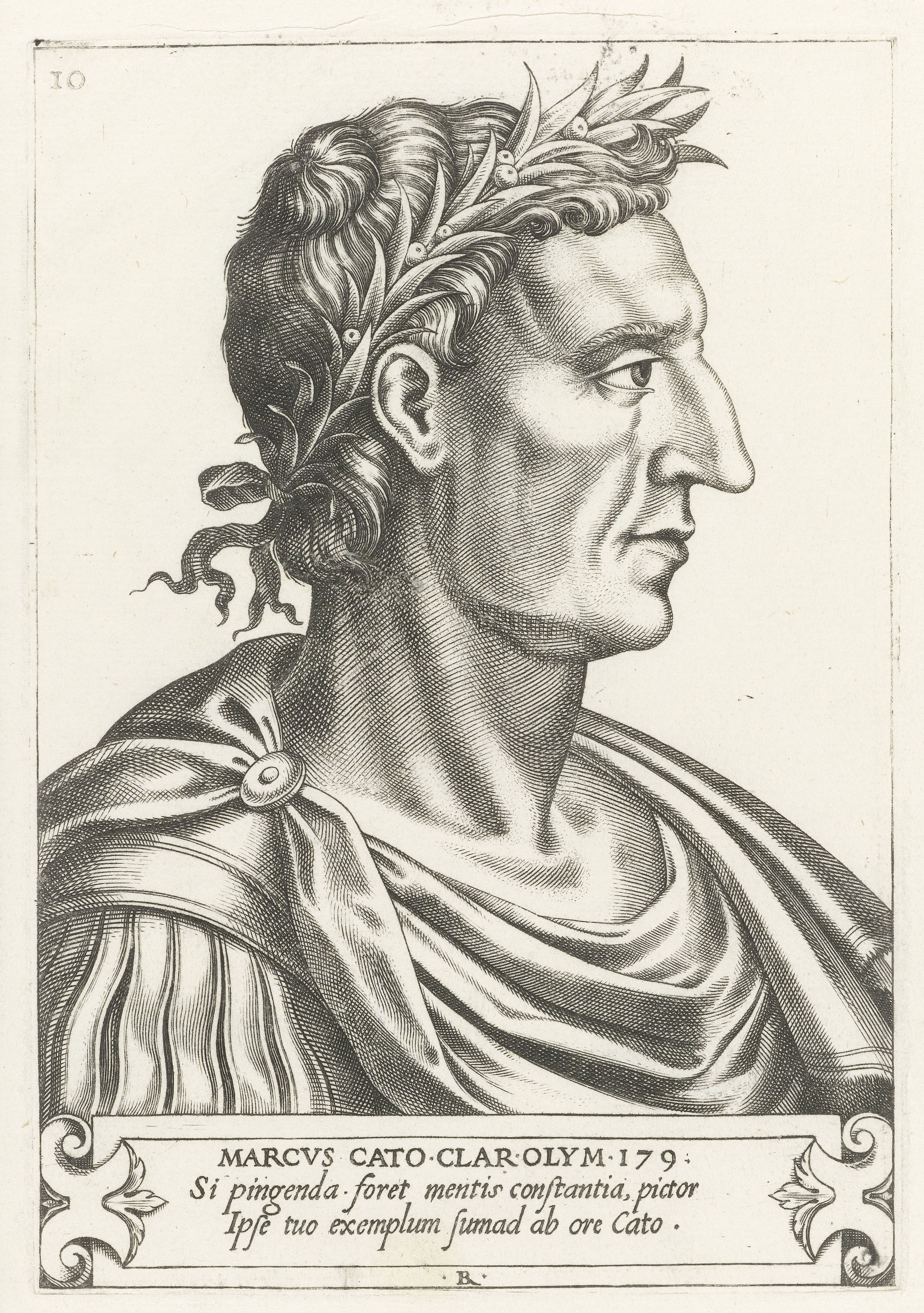
Marcus Porcius Cato

Tusculum, Roman Republic
Archival Overview
Roman statesman, orator, and Censor (Cato Censorius) who embodied austere republican virtue, resisted Hellenistic luxury, and ended every Senate speech with 'Carthago delenda est'.
Biographical Record
Marcus Porcius Cato (234–149 BCE), known as Cato the Elder or Cato the Censor, was a Roman statesman, orator, and writer from Tusculum. A 'novus homo' (new man) without aristocratic lineage, he fought with distinction in the Second Punic War under Fabius Maximus, rising through all offices of the cursus honorum to become consul in 195 BCE and censor in 184 BCE.
As censor, Cato waged an unyielding moral campaign against Greek luxury, financial corruption, and moral laxity, purging unworthy senators and regulating lavish expenditures. He authored De Agri Cultura (the oldest surviving complete Latin prose work) and the Origines, founding Latin historical prose. Convinced that Rome could never be secure while Carthage existed, he famously concluded every speech in the Roman Senate with the words: Ceterum censeo Carthaginem esse delendam ('Furthermore, I consider that Carthage must be destroyed').
Key Life Milestones
Elected Roman Censor
Elected censor with Lucius Valerius Flaccus, ruthlessly expelling corrupt senators and taxing luxury to protect traditional Roman mos maiorum.
Carthago Delenda Est
Returned from an embassy to North Africa with fresh figs, convincing the Roman Senate of Carthage's revival and necessitating its final destruction.
Memorial Guestbook & Tributes
0 messages recordedLeave a Respectful Tribute
Final Resting Place
Perpetual MemorialRome, Italy