 Roman Republic
•
4 views
Roman Republic
•
4 views
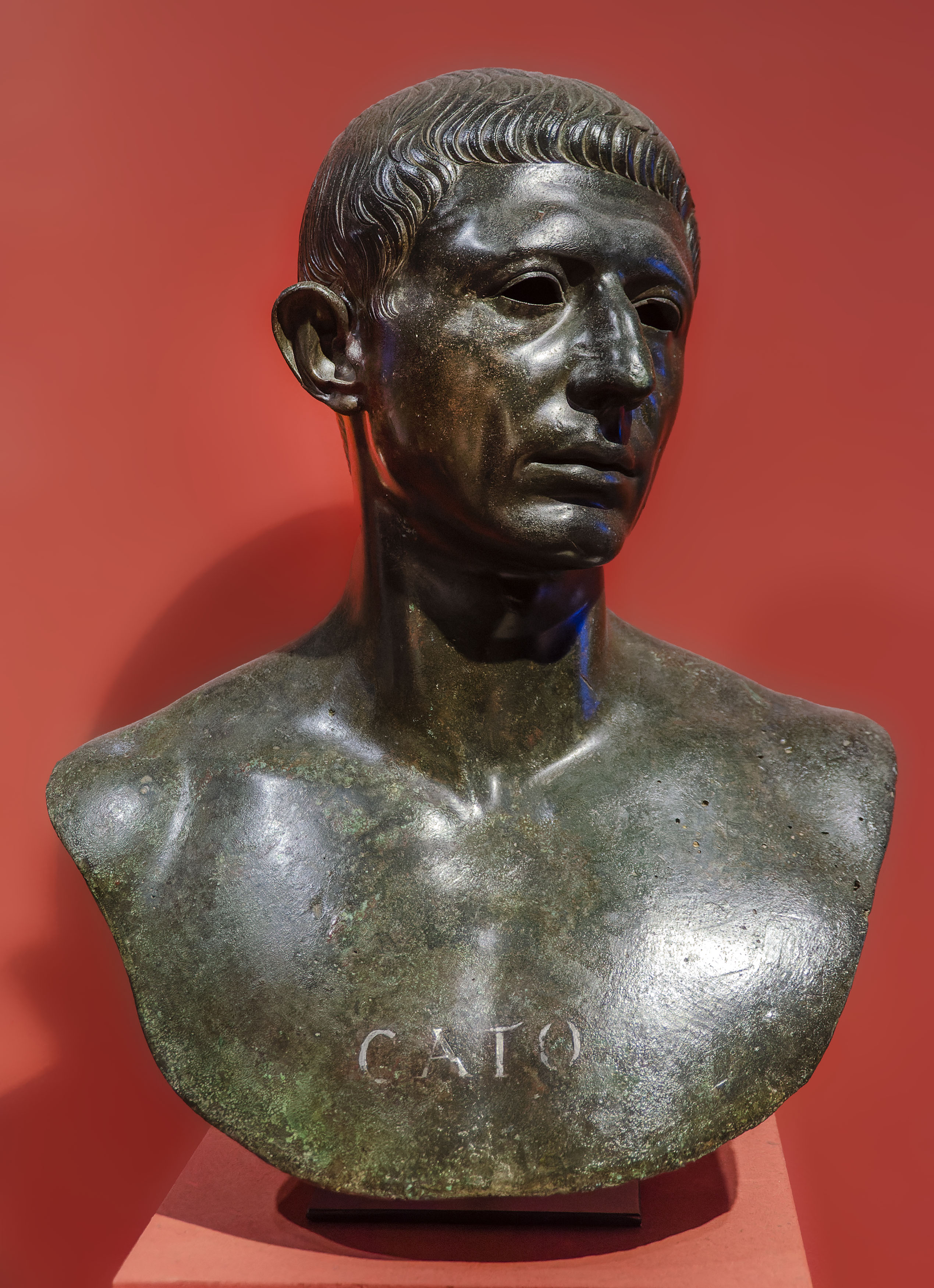
Marcus Porcius Cato Uticensis

Rome, Roman Republic
Archival Overview
Incorruptible Roman Stoic statesman and senator who led the constitutional defense of the Republic against Julius Caesar, choosing suicide at Utica over servitude.
Biographical Record
Marcus Porcius Cato Uticensis (95–46 BCE), known as Cato the Younger, was a Roman statesman, senator, and Stoic philosopher who became the supreme martyr of the dying Roman Republic. Great-grandson of Cato the Elder, he was renowned throughout Rome for rigid moral integrity, refusing bribes, prosecuting embezzlement while serving as quaestor, and walking barefoot through Rome in an unadorned black toga.
As leader of the conservative optimates faction in the Senate, Cato fiercely opposed the First Triumvirate of Julius Caesar, Pompey, and Crassus. During the Catilinarian conspiracy (63 BCE), his uncompromising speech persuaded the Senate to execute the aristocratic conspirators. When Caesar crossed the Rubicon and sparked civil war, Cato fought alongside republican forces; after their defeat at Thapsus, he read Plato's Phaedo on the immortality of the soul at Utica and stabbed himself to death rather than accept Caesar's pardon.
Key Life Milestones
Catilinarian Debate in the Senate
Delivered a decisive Senate speech overruling Julius Caesar, securing capital punishment for Catiline's aristocratic co-conspirators.
Death at Utica
Took his own life at Utica after ensuring the safe evacuation of his citizens, becoming the immortal symbol of republican stoicism.
Memorial Guestbook & Tributes
0 messages recordedLeave a Respectful Tribute
Final Resting Place
Perpetual MemorialUtica, Tunisia