Public Figures & Cultural Luminaries
Filterable archive covering centuries of intellectual, artistic, and moral contributions to the human story.
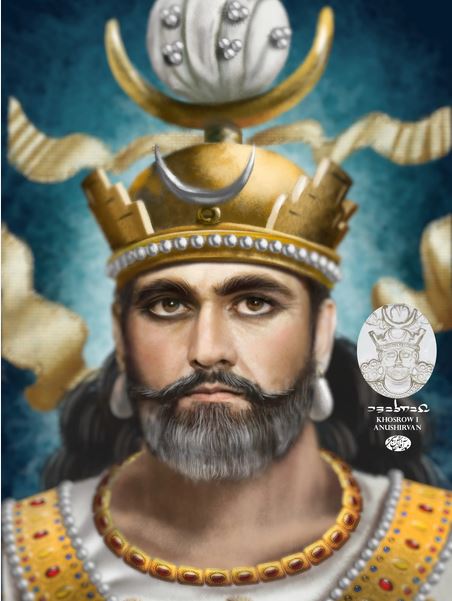
Khosrow I (Anushirvan the Just / Chosroes I)
 (خسرو انوشیروان (The Immortal Soul))
Zenith ruler of the Sasanian Persian Empire celebrated across Middle Eastern literature as "Anushirvan the Just." Modernized taxation, introduced rational bureaucratic governance, and translated Indian fables (Panchatantra) and Greek philosophy into Pahlavi.
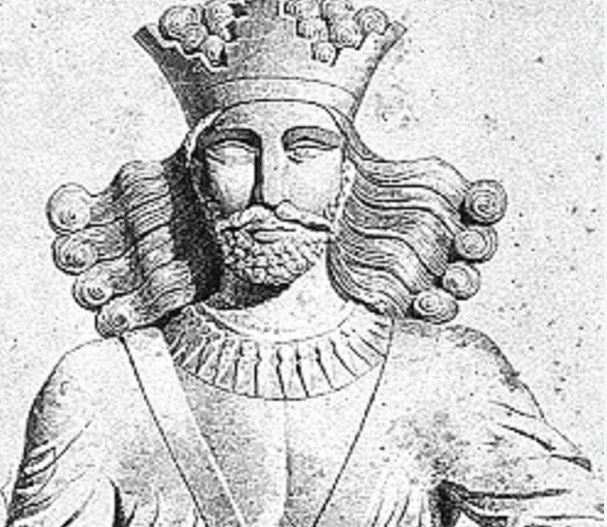
Shapur I (The Great / Shahanshah of Iran)
(شاپور یکم / Šābuhr)
Second Sasanian King of Kings who consolidated the Persian Empire, defeated three Roman emperors in battle (slaying Gordian III, extracting tribute from Philip the Arab, and capturing Emperor Valerian alive), and founded Gundeshapur academy.
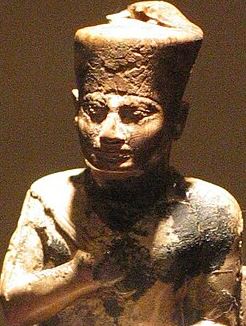
Khufu (Cheops / Khnum-Khufu)
 (Ḫw.f-wj (Khnum Protects Me))
Fourth Dynasty Pharaoh who conceived and oversaw the construction of the Great Pyramid of Giza—the tallest human-made structure on Earth for over 3,800 years and the sole surviving Wonder of the Ancient World.
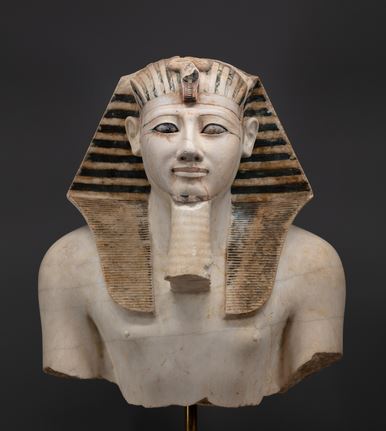
Thutmose III (Menkheperre / The Napoleon of Egypt)
(Mn-ḫpr-Rꜥ (Lasting is the Manifestation of Ra))
Greatest military Pharaoh in Egyptian history, reigning for fifty-four years. Conducted seventeen victorious military campaigns from the Euphrates to the Fourth Cataract of Nubia, establishing the New Kingdom as an unrivaled superpower.
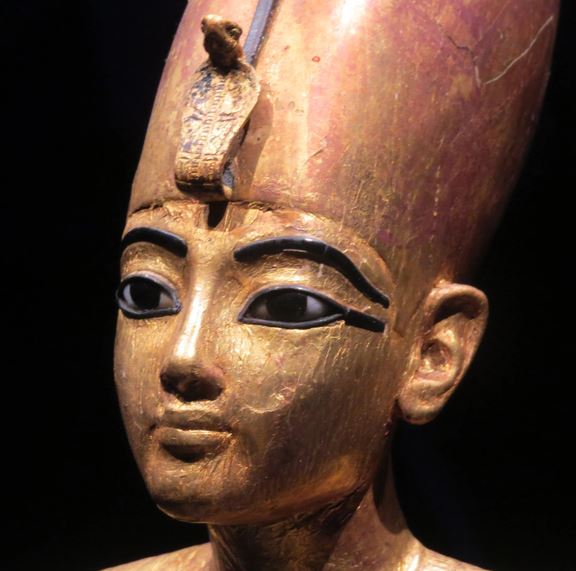
Tutankhamun (Nebkheperure)
(twt-ꜥnḫ-jmn (Living Image of Amun))
Eighteenth Dynasty Pharaoh celebrated globally for the discovery of his intact royal tomb (KV62) in the Valley of the Kings. Restored the traditional polytheistic religion of Amun after the Amarna period.
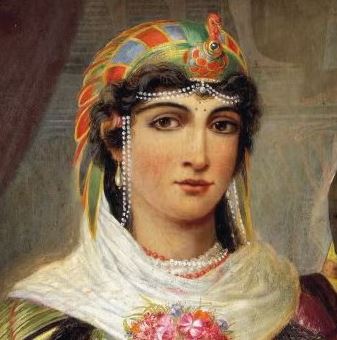
Cleopatra VII Thea Philopator
(Κλεοπάτρα Θεὰ Φιλοπάτωρ)
The last active ruler of the Ptolemaic Kingdom of Egypt. A brilliant polyglot, astute naval strategist, and charismatic diplomat who defended Egyptian sovereignty through political alliances with Julius Caesar and Mark Antony.
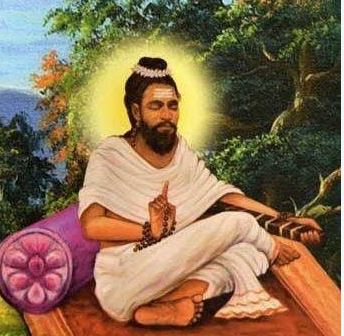
Acharya Abhinavagupta (Philosopher of Kashmir Shaivism)
 (अभिनवगुप्त (Abhinavagupta))
Tenth-century Kashmiri polymath, mystic, and aesthetician who synthesized Non-Dual Kashmir Shaivism (Trika / Pratyabhijna). Authored the encyclopedic Tantraloka and revolutionized Sanskrit literary aesthetics with the theory of Rasa (spiritual aesthetic taste).
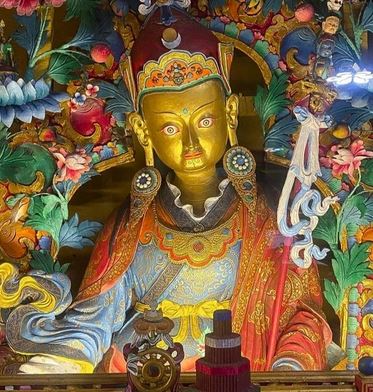
Padmasambhava (Guru Rinpoche / The Lotus Born)
 (པདྨ་འབྱུང་གནས། (Padma 'byung gnas))
Venerated across the Himalayan world as the "Second Buddha." Tantric master from Oddiyana invited by King Trisong Detsen in the eighth century to subdue local demons, construct Samye Monastery, and establish Vajrayana Buddhism in Tibet.
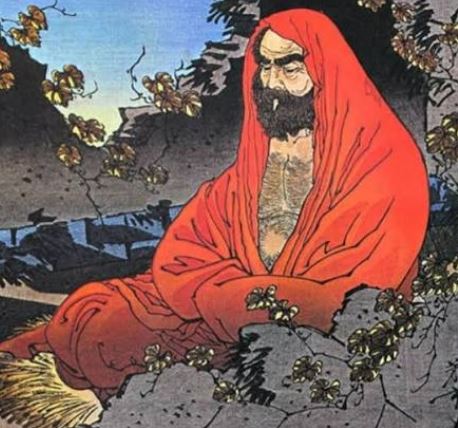
Bodhidharma (First Patriarch of Chan / Zen)
(菩提達摩 (Putidamo / Daruma))
Semi-legendary Indian monk who journeyed across the Himalayas to China, founding the Chan (Zen) tradition. Famous for meditating nine years facing a cave wall at Shaolin Monastery, transmitting direct mind-to-mind awakening beyond words.
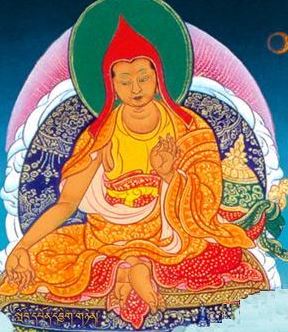
Vasubandhu (The Master of Abhidharma & Yogacara)
(वसुबन्धु (Vasubandhu))
Fourth-century Gandharan philosopher and scholar who mastered Sarvastivada Abhidharma before being converted by his brother Asanga to Yogacara (Mind-Only) Buddhism, authoring the Abhidharmakosha and Twenty Verses on Consciousness-Only.
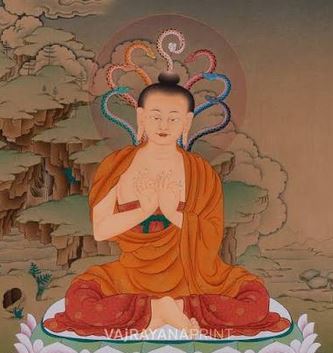
Acharya Nagarjuna (Founder of the Middle Way)
(नागार्जुन (Nāgārjuna))
One of history's greatest dialectical philosophers and founder of the Madhyamaka (Middle Way) school of Mahayana Buddhism. Formulated the doctrine of Sunyata (Emptiness) in the Mulamadhyamakakarika, dismantling all rigid conceptual dogmas.
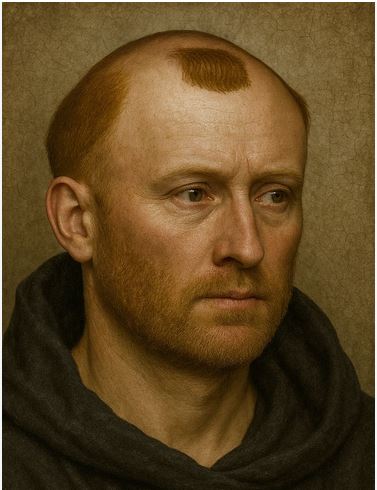
Eckhart von Hochheim (Meister Eckhart)
 (Eckhart von Hochheim)
Profound Dominican philosopher and mystic whose sermons explored the uncreated divine ground (Grund) of the soul. Taught radical detachment (Gelassenheit) and the eternal birth of the Word within human consciousness.
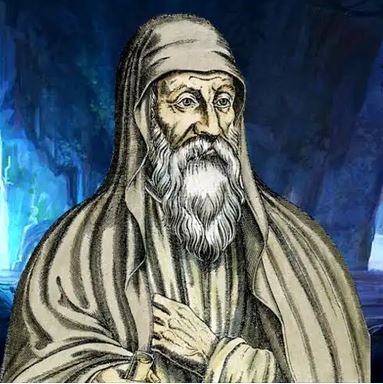
Origen Adamantius (Father of Christian Exegesis)
(Ὠριγένης Ἀδαμάντιος)
One of antiquity's most prolific intellects and the pioneer of systematic Christian theology. Created the Hexapla, formulated allegorical biblical hermeneutics, and authored On First Principles (De Principiis).
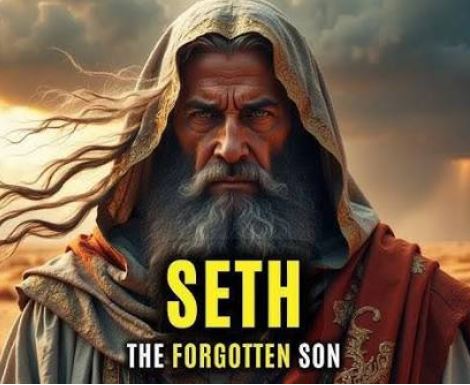
Seth / Sheeth (The Righteous Seed)
 (שֵׁת / شيث عليه السلام)
Third recorded son of Adam and Eve, granted by divine grace to replace Abel. Preserved sacred monotheism, moral law, and astronomical wisdom through the primeval generations before the Great Flood.
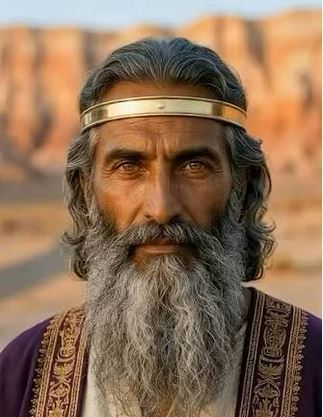
Melchizedek (King of Salem & Priest of the Most High)
 (מַלְכִּי־צֶדֶק)
Enigmatic king-priest of Salem (Jerusalem) who blessed Abraham following the rescue of Lot. Offered bread and wine, serving as the immortal archetype of an eternal priesthood of peace and righteousness.
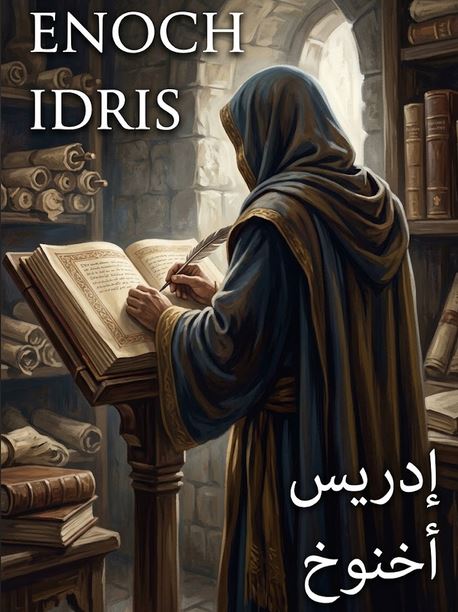
Enoch / Idris (The Scribe of Heaven)
(חֲנוֹךְ / إدريس عليه السلام)
Seventh patriarch from Adam celebrated in Jewish, Christian, and Islamic tradition as the first human to write with the reed pen and study astronomical orbits. Walked with God and was taken up without experiencing death.
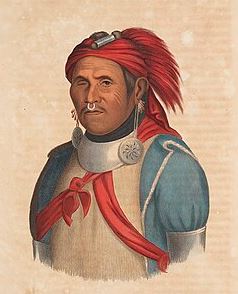
Tenskwatawa (The Open Door / Shawnee Prophet)
 (Tenskwatawa (The Open Door))
Shawnee spiritual leader and brother of Tecumseh. After falling into a death-like coma in 1805, he awakened with visionary teachings calling for total indigenous spiritual purification, resistance to alcohol, and pan-tribal unity.
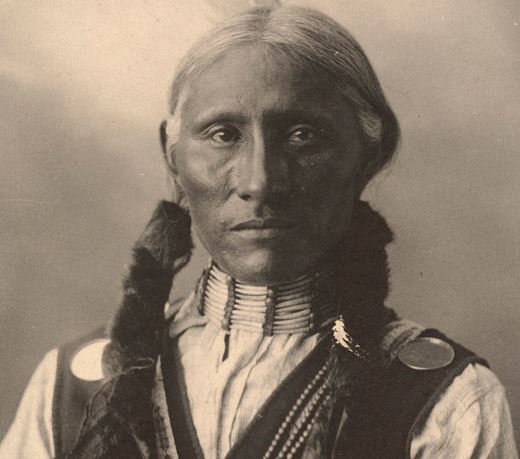
Sweet Medicine (Motsé'eóeve)
(Motsé'eóeve (Sweet Medicine))
Sacred prophet and cultural founder of the Cheyenne people. Summoned inside holy Bear Butte (Noahvose) by the Creator (Ma'heo'o), he received the Four Sacred Arrows and the Council of Forty-Four Peace Chiefs system.