Public Figures & Cultural Luminaries
Filterable archive covering centuries of intellectual, artistic, and moral contributions to the human story.
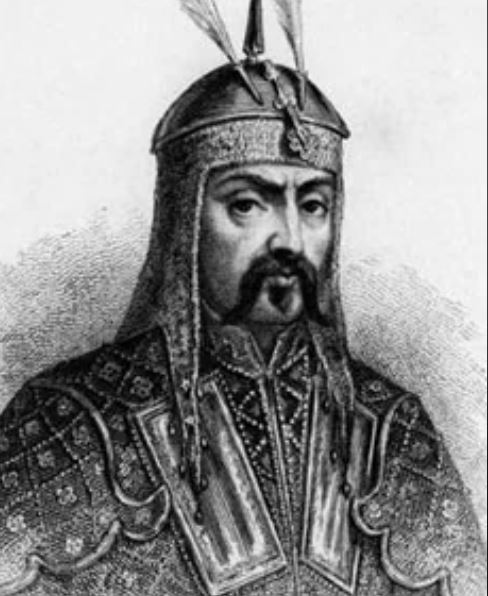
Subutai Baghatur
 (Сүбээдэй)
Genghis Khan's greatest general and the premier grand strategist of the Mongol Empire. Directed more than 20 campaigns and 65 pitched battles across Eurasia, conquering more territory than any commander in human history.
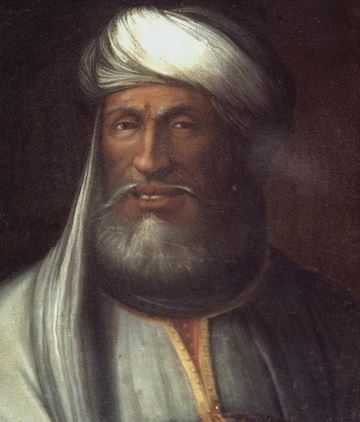
Tariq ibn Ziyad
 (طارق بن زياد)
Berber military commander under the Umayyad Caliphate who initiated the Muslim conquest of the Iberian Peninsula in 711 CE. Gibraltar (Jabal Tariq) is named forever in his honor.
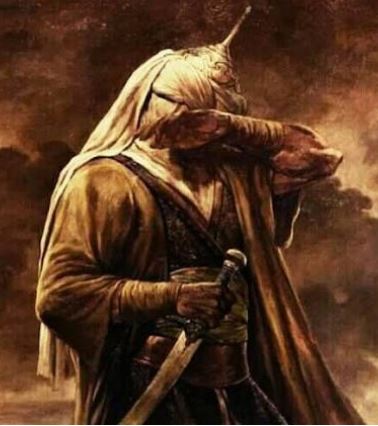
Khalid ibn al-Walid
 (خالد بن الوليد)
Legendary Muslim general known as the "Drawn Sword of God" (Sayf Allah al-Maslul). Undefeated in over a hundred battles, he conquered Mesopotamia and the Levant, shattering the Byzantine and Sassanid empires at Yarmouk and Firaz.
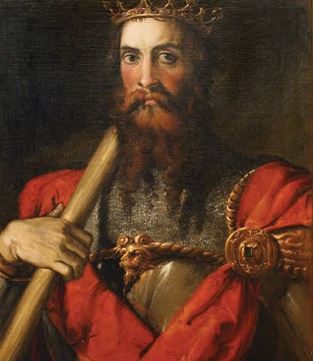
Narses
 (Ναρσῆς)
Armenian-born Byzantine court eunuch and master military commander who, at the age of seventy-four, crushed the Ostrogoths and the Franco-Alemannic invasion, completing the reconquest of Italy.
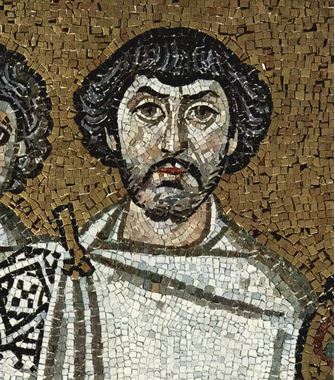
Flavius Belisarius
 (Φλάβιος Βελισάριος)
Byzantine supreme military commander hailed as "the Last of the Romans." Reconquered North Africa from the Vandals and Italy from the Ostrogoths through unparalleled defensive mastery and tactical cunning.
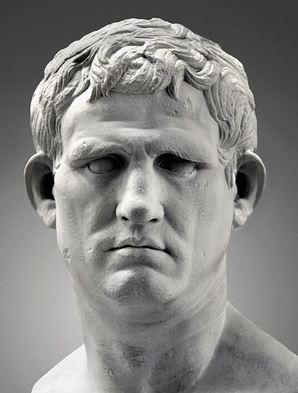
Marcus Vipsanius Agrippa
 (Marcus Vipsanius Agrippa)
Genius Roman naval commander and engineer whose tactical victories at Naulochus and Actium established Octavian as Emperor Augustus and founded the Roman Empire. Also builder of the original Pantheon.
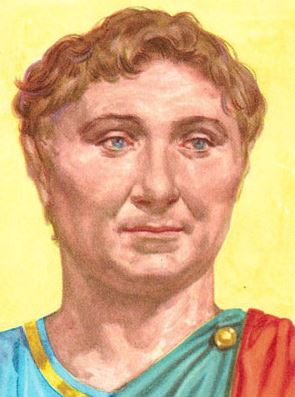
Gnaeus Pompeius Magnus
(Gnaeus Pompeius Magnus)
Celebrated Roman military commander who cleared the Mediterranean of piracy in three months, conquered the Levant and Judea for Rome, and led the Senatorial forces in the civil war against Julius Caesar.
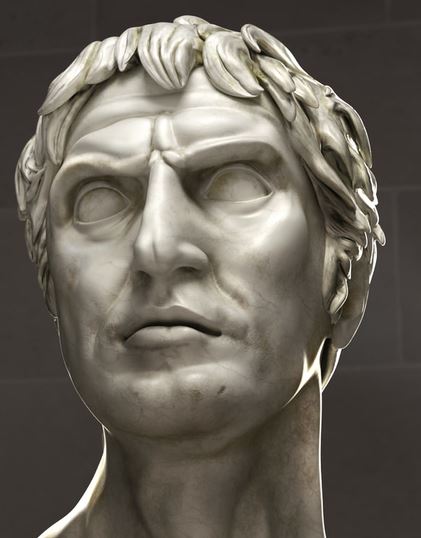
Lucius Cornelius Sulla Felix
(Lucius Cornelius Sulla Felix)
Formidable Roman general, victor of the First Mithridatic War, and dictator who was the first commander to march Roman legions on Rome itself, profoundly altering Republican constitutional politics.
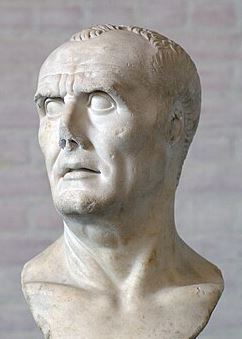
Gaius Marius
(Gaius Marius)
Roman general who served an unprecedented seven consulships. Transformed Rome's military from a citizen militia into a professional standing army through the revolutionary Marian reforms, saving the Republic from Germanic invasion.
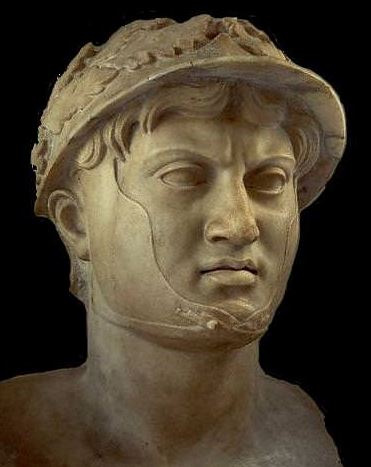
Pyrrhus King of Epirus
 (Πύρρος)
Hellenistic warrior-king ranked by Hannibal Barca as one of history's greatest field generals. His costly victories against the Roman Republic gave rise to the enduring expression "Pyrrhic victory."
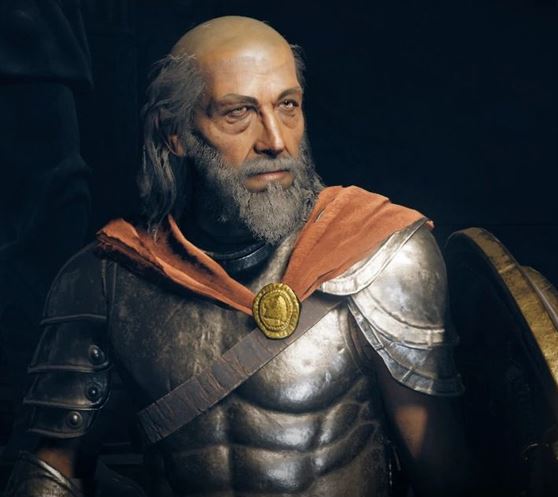
Epaminondas of Thebes
(Ἐπαμεινώνδας)
Theban military visionary and philosopher-general who smashed Sparta's legendary military supremacy at the Battle of Leuctra using the revolutionary oblique order phalanx, reshaping classical Greece.
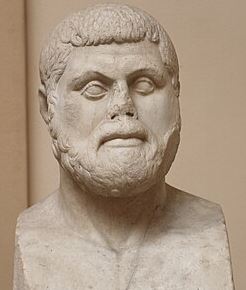
Themistocles
(Θεμιστοκλῆς)
Athenian statesman and naval strategist whose foresight convinced Athens to construct a 200-trireme battle fleet, resulting in the preservation of Greek civilization at the naval Battle of Salamis.
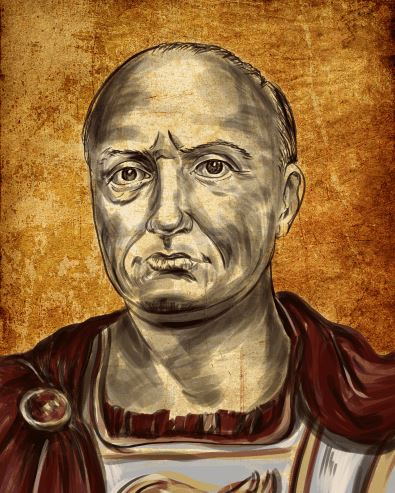
Publius Cornelius Scipio Africanus
(Publius Cornelius Scipio Africanus)
Roman general and statesman widely regarded as one of the greatest military commanders in human history. Best known for decisively defeating Hannibal Barca at the Battle of Zama, concluding the Second Punic War.
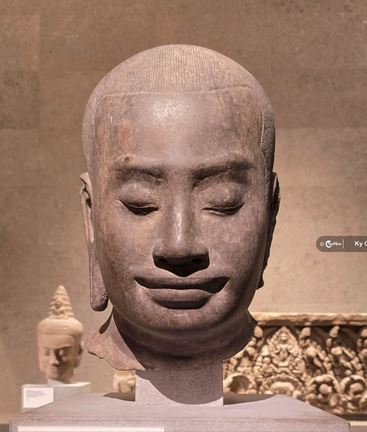
Jayavarman VII (Mahaking of the Khmer Empire)
 (ជ័យវរ្ម័នទី ៧ (Jayavarman VII))
Greatest sovereign of the Khmer Empire. Liberated the kingdom from Cham invaders, constructed the fortified royal city of Angkor Thom with the enigmatic multi-faced stone towers of the Bayon, and established a nationwide network of 102 free public hospitals.
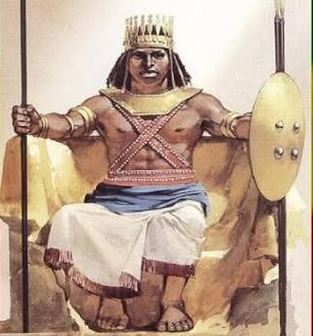
Ezana of Axum (King of Saba and Salhen)
 (ዒዛና (King Ezana))
Fourth-century monarch who elevated the Kingdom of Axum to an international trade superpower between the Roman Empire and India. Converted to Christianity under Frumentius, issuing the first coins in the world bearing the Christian cross.
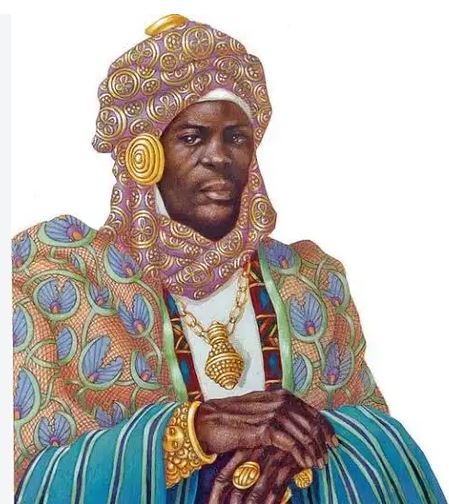
Askia Muhammad I (Askia the Great / Muhammad Ture)
 (Askia Muḥammad Tūrē)
Visionary Emperor of the Songhai Empire who expanded the state into the largest empire in West African history. Created an efficient administrative bureaucracy, standardized weights and measures, and established the intellectual golden age of Gao and Timbuktu.
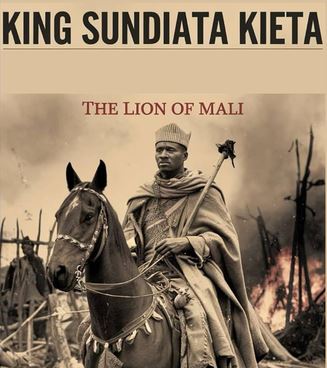
Sundiata Keita (The Lion King of Mali / Mari Djata)
 (Sogolon Diata Keïta)
Heroic warrior prince who overcame physical paralysis to vanquish the sorcerer king Sumanguru Kante at the Battle of Kirina (1235 CE). Founded the Mali Empire and proclaimed the Kouroukan Fouga—one of the earliest oral charters of human rights.
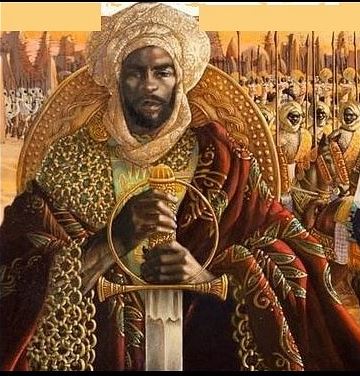
Mansa Musa I (Emperor of Mali / Lion of Mali)
(Mansa Kankou Moussa)
Tenth Emperor of the Mali Empire recognized as the wealthiest individual in world history. His historic pilgrimage to Mecca in 1324 put West Africa on European maps and funded the transformation of Timbuktu into a global center of Islamic scholarship.