Public Figures & Cultural Luminaries
Filterable archive covering centuries of intellectual, artistic, and moral contributions to the human story.
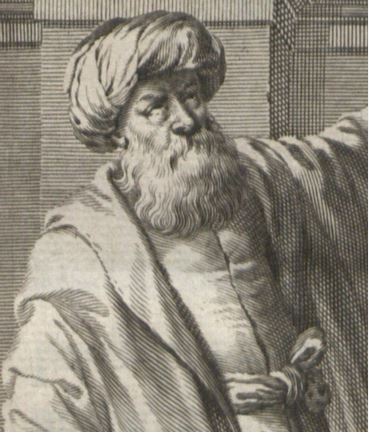
Alhazen (Ibn al-Haytham)
 (الحسن بن الهيثم)
Pioneer of modern optics and the experimental scientific method whose Book of Optics (Kitab al-Manazir) proved that vision occurs when light rays enter the eye and explained the camera obscura.
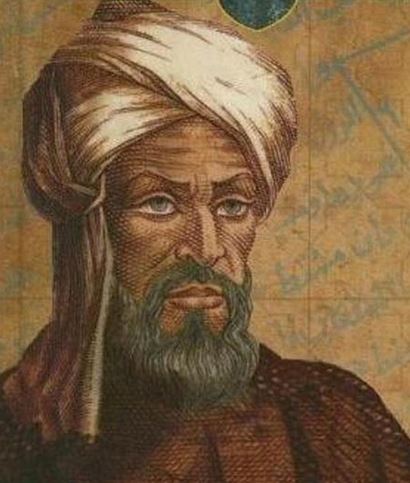
Muhammad ibn Musa al-Khwarizmi
 (محمد بن موسى الخوارزمي)
Persian polymath at Baghdad's House of Wisdom who founded algebra (al-jabr), gave his name to the 'algorithm', and introduced Hindu-Arabic numerals and decimal positional notation to the West.
Brahmagupta
 (ब्रह्मगुप्त)
Genius astronomer and mathematician who formulated the mathematical rules of zero (shunya) as a number, operations with negative numbers, and the Brahmagupta formula for cyclic quadrilaterals.
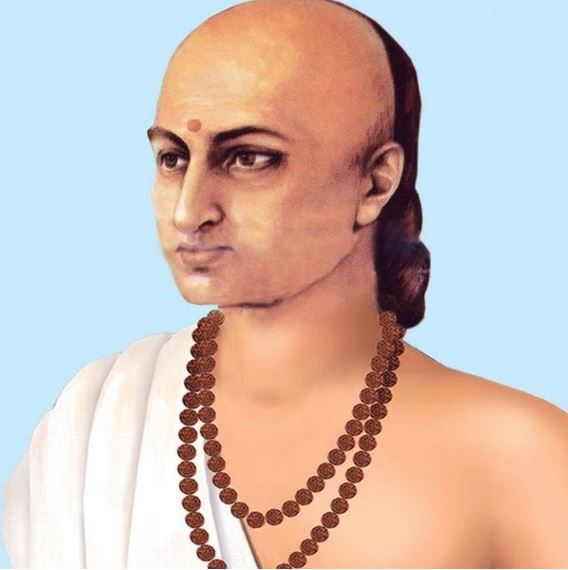
Aryabhata (Aryabhata I)
(आर्यभट)
Master of Gupta Dynasty mathematics and astronomy whose Aryabhatiya introduced trigonometry (sine tables), calculated Pi to 3.1416, and proved the Earth rotates on its axis.
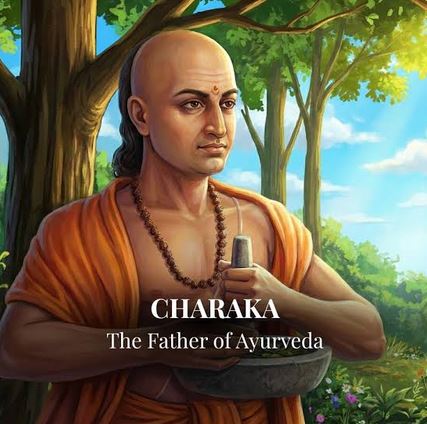
Charaka
 (चरक)
Ancient Indian physician and philosopher who compiled the Charaka Samhita, the foundational treatise of Ayurvedic internal medicine, cellular biology, and medical ethics.
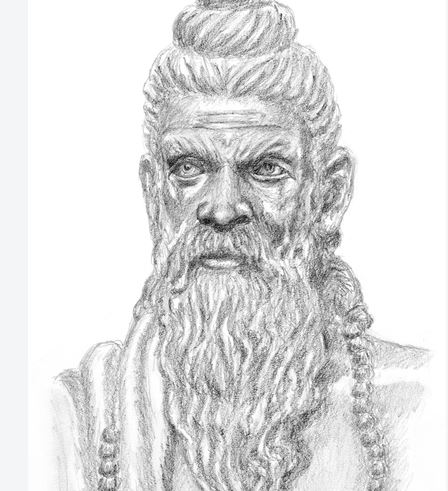
Sushruta
(सुश्रुत)
Ancient Indian surgeon hailed as the 'Father of Plastic Surgery', whose Sanskrit compendium Sushruta Samhita detailed rhinoplasty forehead flaps, cataract couching, and 121 surgical instruments.
Heron of Alexandria (Hero)
 (Ἥρων ὁ Ἀλεξανδρεύς)
Brilliant Greco-Egyptian engineer and geometer who invented the aeolipile (the world's first steam engine), automatic temple doors, programmable theater automata, and Heron's formula.
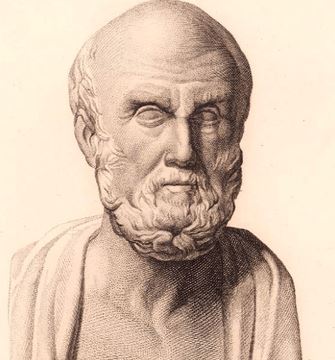
Hippocrates of Kos
 (Ἱπποκράτης ὁ Κῷος)
'Father of Medicine' who liberated healing from superstition, established clinical observation of symptoms, and created the foundational medical code of ethics: the Hippocratic Oath.
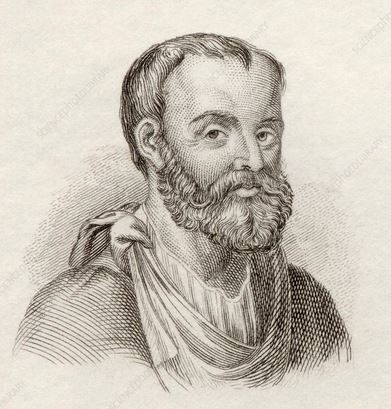
Galen of Pergamon (Aelius Galenus)
 (Κλαύδιος Γαληνός)
Preeminent physician of the Roman Empire whose experimental anatomical vivisections, surgical techniques, and humoral pharmacology dominated Western and Islamic medicine for 1,500 years.
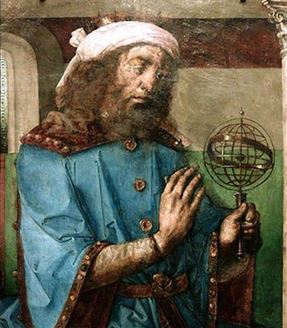
Claudius Ptolemy
(Κλαύδιος Πτολεμαῖος)
Greco-Egyptian polymath whose monumental astronomical treatise, the Almagest, and Geographia defined celestial mechanics and global cartography for fourteen centuries.
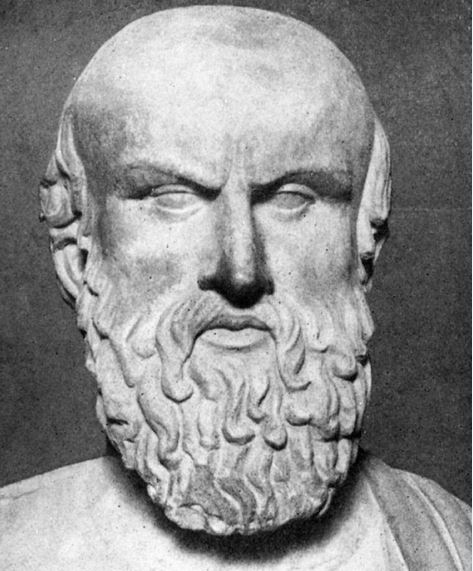
Hipparchus of Nicaea
(Ἵππαρχος ὁ Νικαεύς)
Greatest observational astronomer of antiquity, who discovered the precession of the equinoxes, compiled the first comprehensive star catalog, and founded trigonometry.
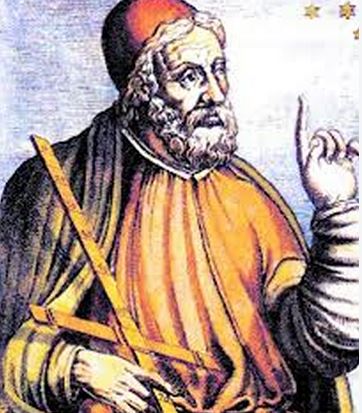
Aristarchus of Samos
(Ἀρίσταρχος ὁ Σάμιος)
Ancient Greek astronomer and mathematician who proposed the first known heliocentric model of the universe eighteen centuries before Copernicus, placing the Sun at the center of planetary orbits.
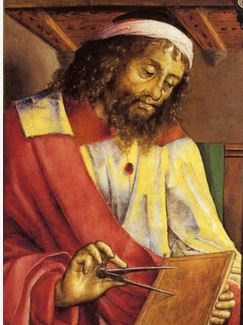
Euclid of Alexandria
(Εὐκλείδης)
'Father of Geometry' whose thirteen-book treatise The Elements established the axiomatic-deductive method that formed the bedrock of mathematics and science for two millennia.
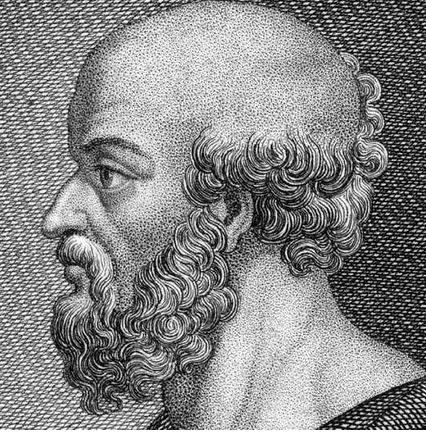
Eratosthenes of Cyrene
 (Ἐρατοσθένης ὁ Κυρηναῖος)
Chief Librarian of the Great Library of Alexandria who calculated the Earth's circumference with astonishing accuracy using sun shadows and invented the Sieve of Eratosthenes for prime numbers.
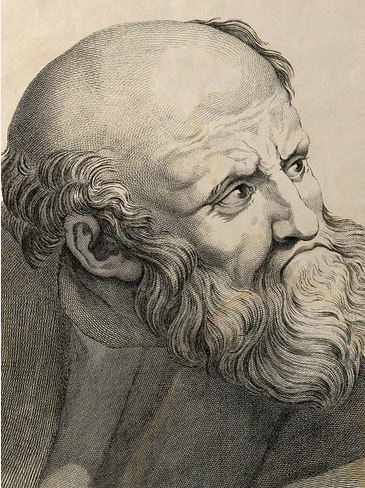
Anaximander of Miletus
(Ἀναξίμανδρος)
Early Greek natural philosopher who introduced the concept of the Apeiron (the Boundless), drew the first world map, and proposed an early theory of biological evolution.
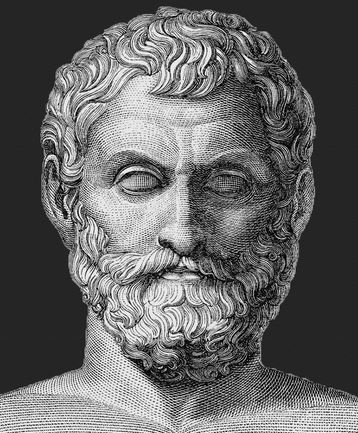
Thales of Miletus
(Θαλῆς ὁ Μιλήσιος)
Regarded as the first scientist and natural philosopher in Western history, who predicted the solar eclipse of 585 BCE and identified water as the fundamental cosmic principle.
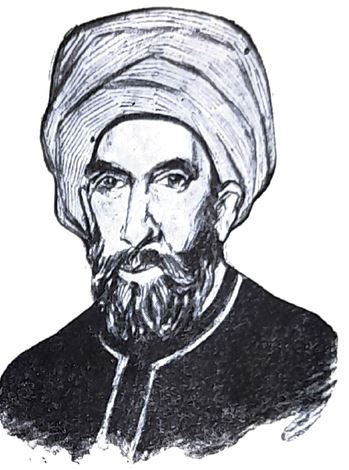
Ibn Tufayl (Abubacer)
 (أبو بكر محمد بن عبد الملك بن طفيل القيسي)
Andalusian philosopher and royal physician whose pioneering allegorical novel Hayy ibn Yaqzan (Alive, Son of Awake) explored human reason discovering supreme truth in total isolation.
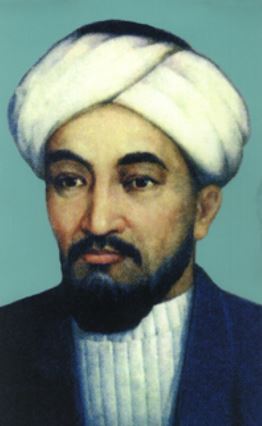
Al-Farabi (Abu Nasr al-Farabi)
 (أبو نصر محمد الفارابي)
Revered across medieval civilizations as 'The Second Teacher' (after Aristotle), who integrated logic, Neoplatonic metaphysics, and political philosophy in The Virtuous City.