 Kazakhstan
•
8 views
Kazakhstan
•
8 views
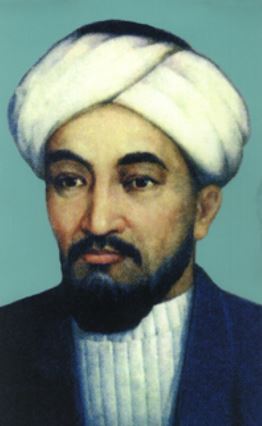
Al-Farabi (Abu Nasr al-Farabi)

Farab (Otrar), Kazakhstan
Archival Overview
Revered across medieval civilizations as 'The Second Teacher' (after Aristotle), who integrated logic, Neoplatonic metaphysics, and political philosophy in The Virtuous City.
Biographical Record
Abu Nasr al-Farabi (c. 872–950 CE), born in Farab on the Silk Road, studied logic in Baghdad under Christian masters before living at the cosmopolitan court of Sayf al-Dawla in Aleppo and Damascus. He lived as an ascetic Sufi, carrying out his philosophical inquiries with monastic detachment.
His political masterwork, The Virtuous City (*Al-Madina al-Fadila*), synthesized Plato's Republic with Islamic statecraft, comparing the healthy state to a living body whose organs cooperate under a philosopher-king. His monumental *Kitab al-Musiqa al-Kabir* (Great Book of Music) pioneered musical acoustic theory.
Key Life Milestones
Composition of 'The Virtuous City'
Authored his magnum opus on political philosophy, civic virtue, and the ideal governance of human societies.
Publication of 'The Great Book of Music'
Compiled the most comprehensive acoustic and musical treatise of the Middle Ages, inventing new modal instruments.
Memorial Guestbook & Tributes
0 messages recordedLeave a Respectful Tribute
Final Resting Place
Perpetual MemorialDamascus, Syria