Public Figures & Cultural Luminaries
Filterable archive covering centuries of intellectual, artistic, and moral contributions to the human story.

Vermina of Numidia
 (ⴼⵉⵔⵎⵉⵏⴰ)
King of the western Masaesyli Numidians and son of Syphax, who commanded Berber cavalry at the Battle of Zama and later secured Roman recognition of his sovereignty.

Gaia of Numidia
(ⴳⴰⵢⴰ)
King of the Massylian Numidians who unified eastern Numidian tribes, allied with Carthage against Syphax, and laid the dynastic foundations for his son Massinissa.
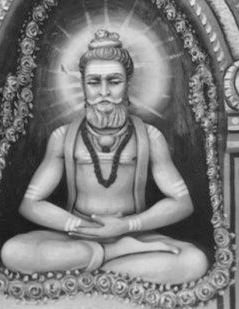
Allama Prabhu
 (ಅಲ್ಲಮ ಪ್ರಭು)
Eminent 12th-century Veerashaiva mystic and poet who served as the revered President of the Anubhava Mantapa, mentoring Basavanna and Akka Mahadevi.
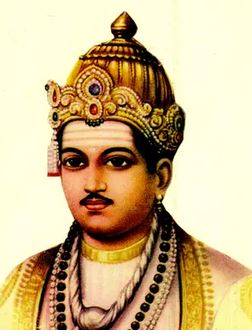
Basavanna
(ಬಸವಣ್ಣ)
12th-century Kannada philosopher, statesman, and founder of the Lingayat movement who created the Anubhava Mantapa, the first democratic spiritual parliament.
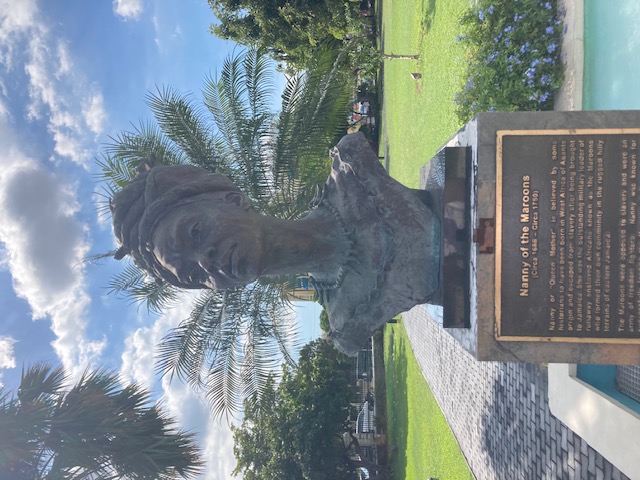
Nanny of the Maroons
 (Granny Nanny)
Paramount leader of the Jamaican Windward Maroons who defeated the British army in the First Maroon War and secured sovereign autonomous lands for freed people.
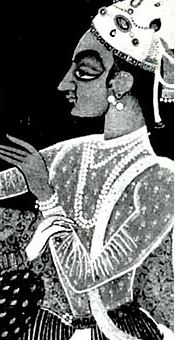
Bhavabhuti
(भवभूति (Bhavabhūti))
Eighth-century Indian Sanskrit dramatist and poet, regarded as the peer of Kalidasa, celebrated for his profound mastery of pathos (karuna rasa) in his tragic masterpiece 'Uttararamacarita'.
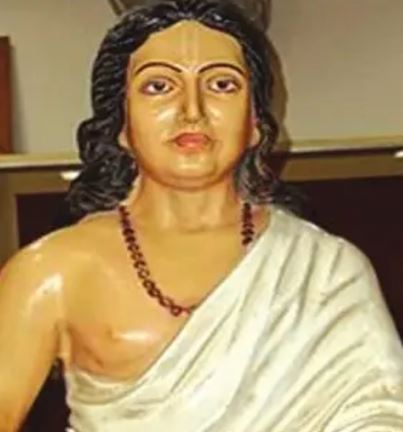
Bhasa
(भास (Bhāsa))
One of the earliest and most celebrated playwrights in Sanskrit literature (c. 2nd–3rd Century CE), whose thirteen plays—feared lost for centuries until rediscovered in Kerala in 1912—include the drama 'Svapnavasavadatta'.
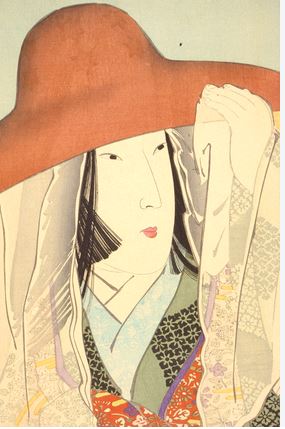
Sei Shonagon
 (清少納言 (Kiyohara clan))
Heian-period Japanese court lady, poet, and author (c. 966–1017) whose masterpiece 'The Pillow Book' (Makura no Soshi) founded the zuihitsu ('following the brush') genre of personal essays and witty observations.
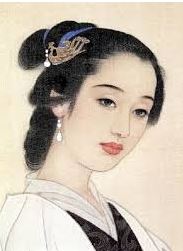
Li Qingzhao
 (李清照 (Yi'an Jushi))
Universally acknowledged as the greatest woman poet in Chinese history (1084–c. 1155), whose exquisitely crafted Ci lyric poetry evolved from radiant youthful romance into devastating meditations on widowhood and exile.
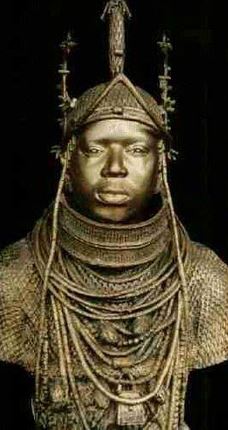
Oba Esigie
 (Ọba Ẹsigie)
Visionary Oba of Benin (reigned c. 1504–1550) who triumphed in the Idah War, instituted the prestigious office of Queen Mother (Iyoba) for his mother Idia, and presided over the Golden Age of Benin bronze and brass casting.
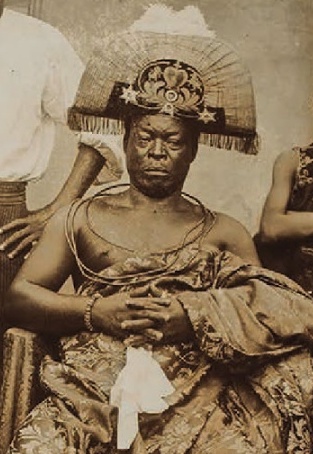
Oba Ozolua (Ọba Ozolua n'Ibaromi)
Fearsome warrior Oba of the Kingdom of Benin (reigned c. 1481–1504), known as 'Ozolua the Conqueror', who fought over two hundred campaigns, expanded Benin's borders, and initiated early diplomatic contact with Portuguese explorers.
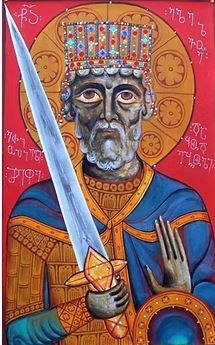
Kaleb of Axum
 (ካሌብ (Elesbaan))
Emperor of Aksum (reigned c. 514–542 CE), venerated as Saint Elesbaan, who launched a massive naval expedition across the Red Sea in 525 CE to liberate Himyarite Christians in Yemen, before voluntarily abdicating his throne to live as a hermit monk.
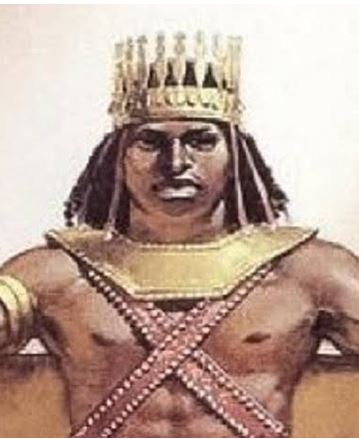
Ezana of Axum
(ዔዛና (ʿĒzānā))
Fourth-century Emperor of the Kingdom of Aksum who adopted Christianity as the official state religion, minted the first coins in Africa bearing the Christian cross, and expanded Aksumite authority across the Horn of Africa and southern Arabia.
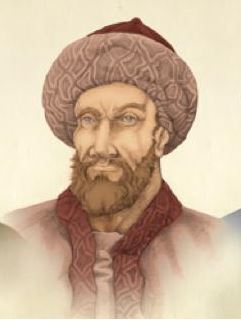
Banu Musa Brothers
 (بنو موسى (أحمد ومحمد والحسن))
Three brilliant Persian brothers (Jafar Muhammad, Ahmad, and Al-Hasan) of the House of Wisdom in Baghdad who authored the 850 CE 'Book of Ingenious Devices', inventing over one hundred automated hydraulic machines, feedback valves, and programmable instruments.
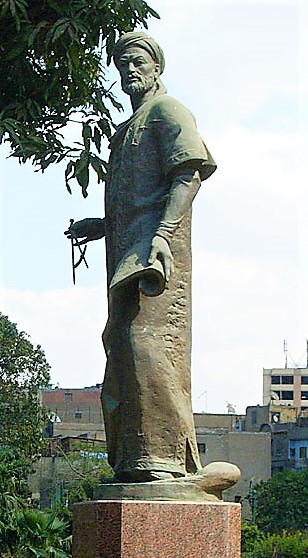
Al-Farghani
(أبو العباس أحمد بن محمد بن كثير الفرغاني)
Abbasid astronomer known as Alfraganus, author of 'Elements of Astronomy', whose measurements of the Earth's circumference influenced Christopher Columbus, and who engineered the iconic Nilometer on Roda Island in Cairo.
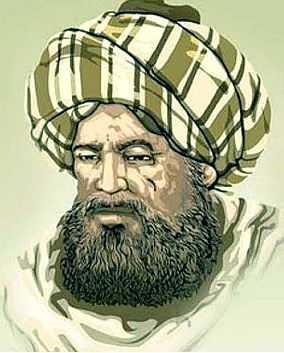
Al-Battani
(أبو عبد الله محمد بن جابر البتاني)
Astronomer and mathematician known in the West as Albatenius, whose astronomical tables 'Kitab al-Zij' accurately calculated the solar year to 365 days, 5 hours, 46 minutes, and 24 seconds, and introduced fundamental trigonometric functions.
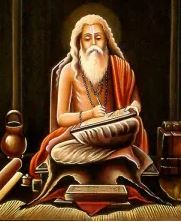
Badarayana
(बादरायण)
Revered ancient Indian sage who authored the foundational 'Brahma Sutras' (Vedanta Sutras), synthesizing the mystical teachings of the Upanishads into the bedrock of all Vedanta philosophy.
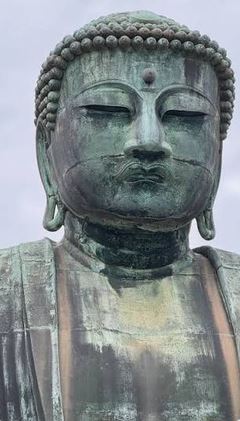
Akshapada Gotama
(अक्षपाद गौतम)
Ancient Indian sage and logician who authored the 'Nyaya Sutras', establishing the foundational system of Indian formal logic, epistemology, and the four valid means of knowledge (Pramanas).