 India
•
3 views
India
•
3 views
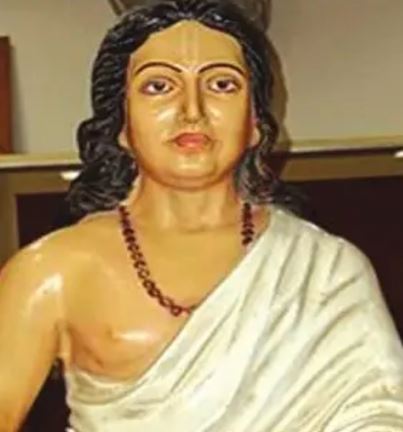
Bhasa

Pataliputra / Ujjain, India
Archival Overview
One of the earliest and most celebrated playwrights in Sanskrit literature (c. 2nd–3rd Century CE), whose thirteen plays—feared lost for centuries until rediscovered in Kerala in 1912—include the drama 'Svapnavasavadatta'.
Biographical Record
Bhasa lived centuries before Kalidasa, who explicitly paid homage to Bhasa's established reputation in his own works. For nearly a thousand years, Bhasa's original texts were believed lost to history until palm-leaf manuscripts containing thirteen of his plays were discovered in a temple in Kerala in 1912 by scholar T. Ganapati Sastri.
Bhasa broke traditional dramaturgical rules, frequently depicting combat, sleep, and death on stage. His masterwork 'Svapnavasavadatta' (The Vision of Vasavadatta) is considered a pinnacle of classical Indian drama, portraying political intrigue, noble sacrifice, and love with dramatic speed.
Key Life Milestones
The Vision of Vasavadatta
Composed 'Svapnavasavadatta', depicting King Udayana's grief and reunion with Queen Vasavadatta.
Dramatization of Mahabharata Epics
Wrote a cycle of unconventional plays, including 'Urubhanga', offering human sympathy to tragic warrior Duryodhana.
Memorial Guestbook & Tributes
0 messages recordedLeave a Respectful Tribute
Final Resting Place
Perpetual MemorialUjjain (Madhya Pradesh), India