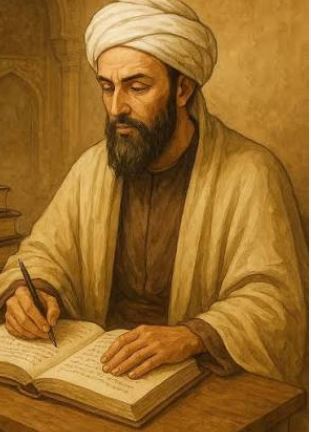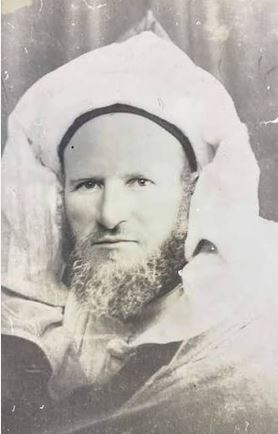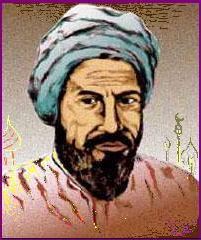
Ibn al-Nafis (Ala al-Din al-Qurashi)
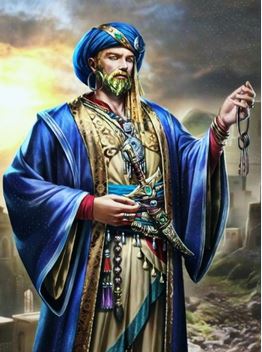
Syrian-Egyptian physician and chief of Cairo's hospital who discovered pulmonary transit (lesser blood circulation) 300 years before William Harvey and Michael Servetus, refuting Galen.
Start typing to search worldwide archives and community tributes
Filterable archive covering centuries of intellectual, artistic, and moral contributions to the human story.
Syrian-Egyptian physician and chief of Cairo's hospital who discovered pulmonary transit (lesser blood circulation) 300 years before William Harvey and Michael Servetus, refuting Galen.
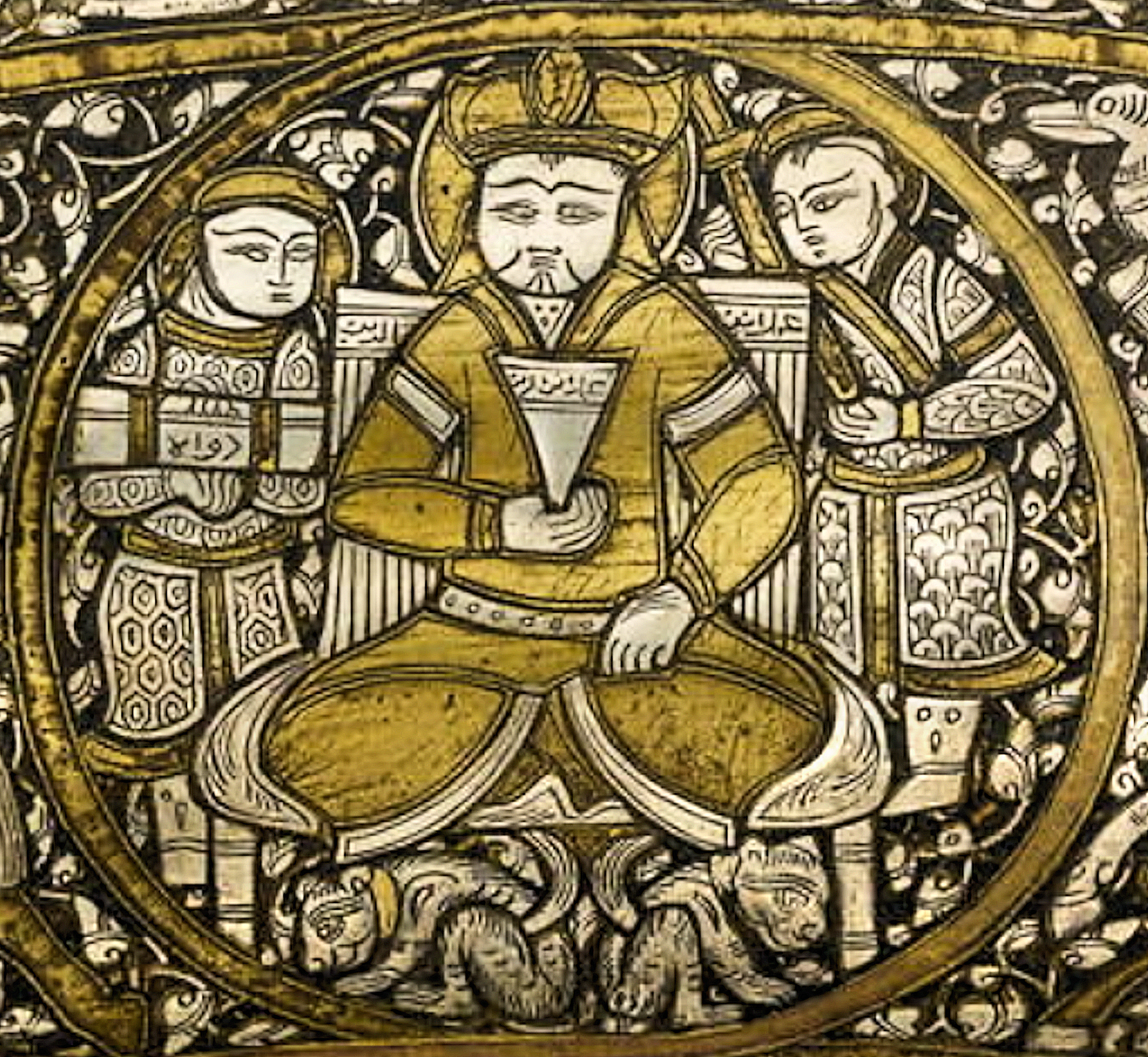
Greatest Marinid Sultan of Morocco (1258โ1286) who founded the imperial palace city of Fes Jdid (1276), built the royal pantheon at Chellah, and led four military expeditions to defend the Kingdom of Granada.
Hafsid ruler of Tunis (1279โ1283 AD) who took power with Catalan-Aragonese mercenary support, developing diplomatic ties across the western Mediterranean.
Astute Zenata Berber statesman who founded the Zayyanid Kingdom of Tlemcen in 1236, fortified the Mechouar palace, and defended Algerian regional sovereignty against Marinid and Hafsid rivals for nearly half a century.
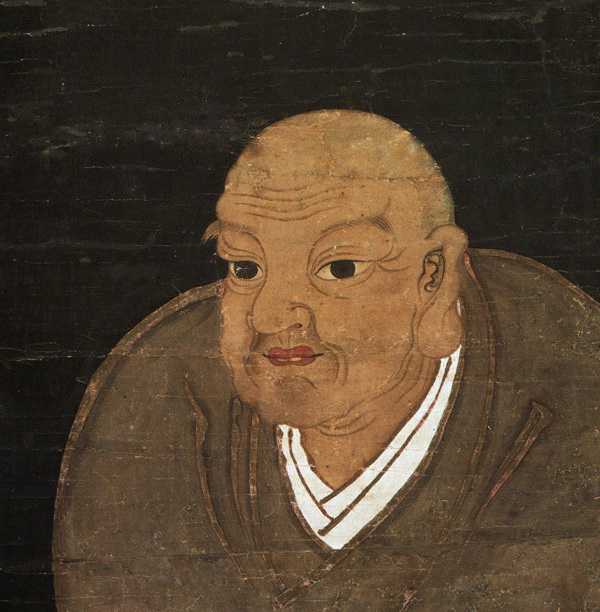
Fiery Kamakura reformer and founder of Nichiren Buddhism who declared the Lotus Sutra the supreme teaching and established the chanting of 'Namu Myoho Renge Kyo' for personal and national peace.
Extraordinary Moroccan astronomer and mathematician whose landmark treatise on spherical astronomy, astrolabes, and sundials was the most comprehensive practical astronomical manual in the medieval Islamic world.
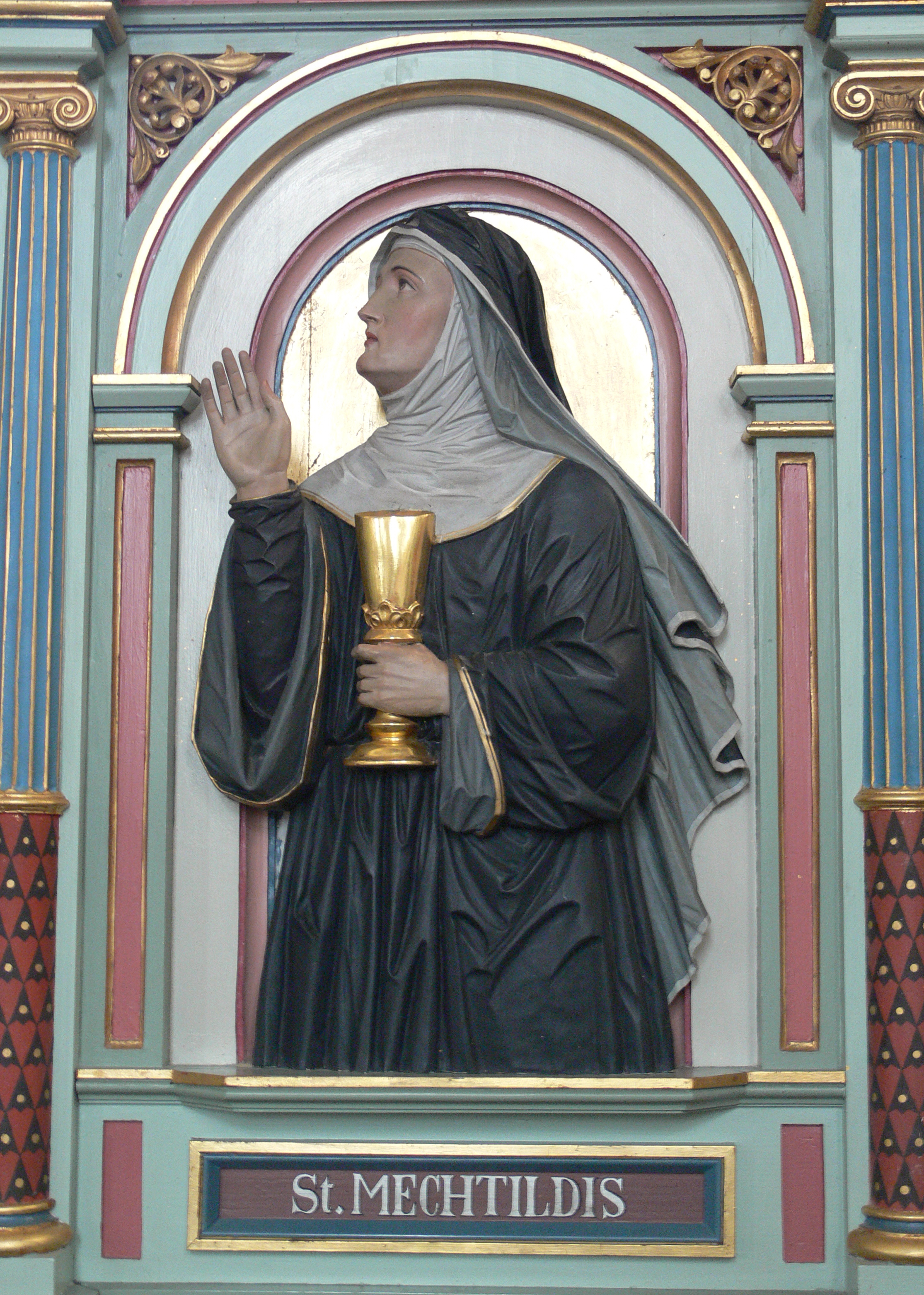
Beguine mystic and visionary poet whose 'The Flowing Light of the Godhead' pioneered vernacular German mystical literature, expressing ecstatic Bridal Mysticism.
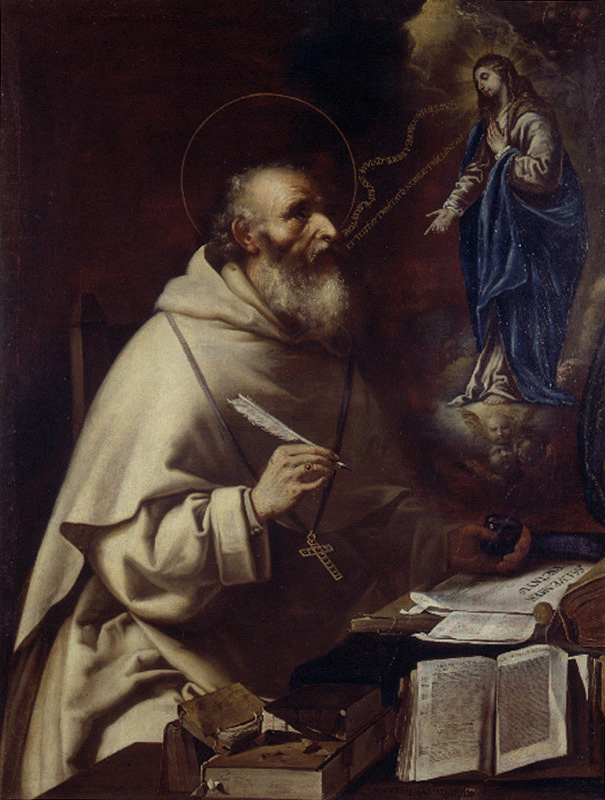
Dominican polymath, Bishop of Regensburg, and Doctor of the Church who introduced Aristotelian science to medieval Europe and mentored Thomas Aquinas.
Hafsid Caliph (1277โ1279 AD) who succeeded his illustrious father al-Mustansir, remembered as a cultivated patron of Andalusian poets and calligraphers.
Renowned Shafi'i jurist, traditionist, and ascetic author of 'The Forty Hadith', 'Riyad al-Salihin', and 'Al-Majmu', who fearlessly challenged Sultan Baibars for the rights of the poor.
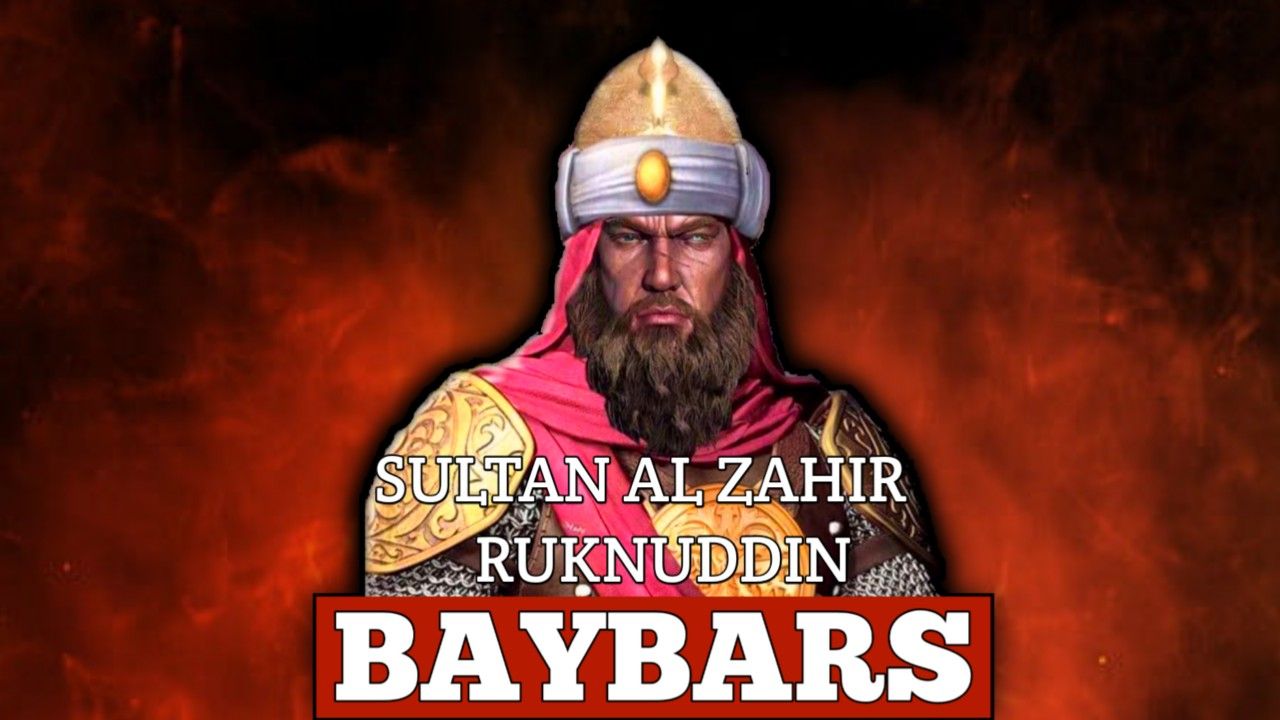
Fourth Mamluk Sultan of Egypt and Syria who crushed King Louis IX at Fariskur, commanded the vanguard that defeated the Mongols at Ain Jalut, and dismantled Crusader castles across the Levant.
Fourth Mamluk Sultan of Egypt and Syria, warrior-king who defeated the Seventh Crusade, crushed the Mongols at Ain Jalut, and dismantled Crusader kingdoms.
Hafsid monarch who assumed the title of Caliph (Amir al-Mu'minin) in 1259 and successfully repelled the Eighth Crusade led by King Louis IX of France in 1270.
Most venerated Sufi saint of Egypt and founder of the Ahmadiyya/Badawiyya order, celebrated for his rooftop vigils in Tanta, warrior courage against Crusaders, and immense charity.
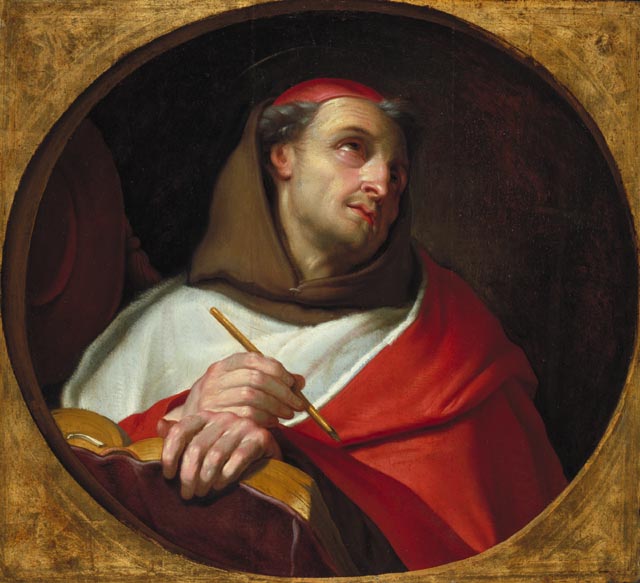
Revered as the 'Seraphic Doctor', Franciscan Minister General and scholastic philosopher who synthesized Augustinian mysticism with Christian philosophy in 'The Mind's Journey into God'.
Franciscan Minister General, Cardinal Bishop, and Doctor of the Church whose 'The Mind's Journey to God' (Itinerarium) synthesized Augustinian theology with mystical Francisan love.
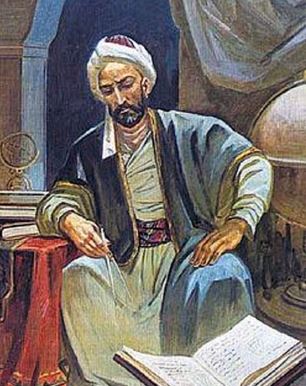
Persian polymath who designed the Maragheh Observatory, invented the Tusi-couple geometric model that inspired Copernicus, and authored the foundational moral treatise Akhlaq-i Nasiri.
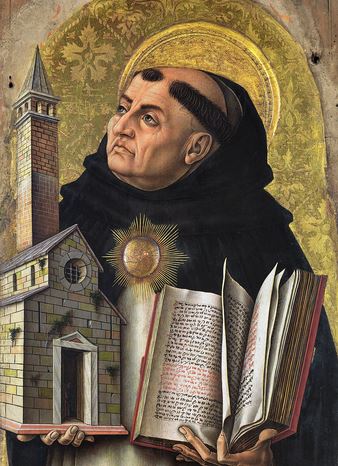
Foremost philosopher-theologian of scholasticism who brilliantly synthesized Aristotelian philosophy with Christian revelation. Author of the monumental Summa Theologiae and formulated the Five Ways of proving God's existence.