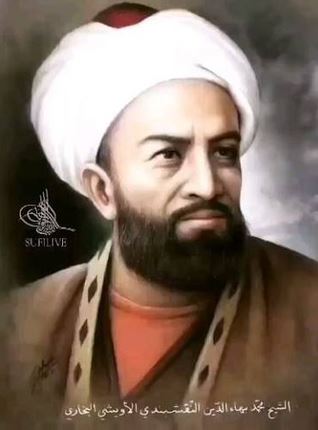
Muhammad Bahauddin Shah Naqshband
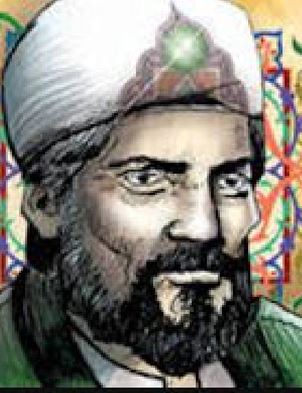
Founder of the Naqshbandi Sufi order whose golden principle 'Dil ba yar, dast ba kar' (Heart with God, hand in labor) established silent dhikr and active societal engagement across Eurasia.
Start typing to search worldwide archives and community tributes
Filterable archive covering centuries of intellectual, artistic, and moral contributions to the human story.
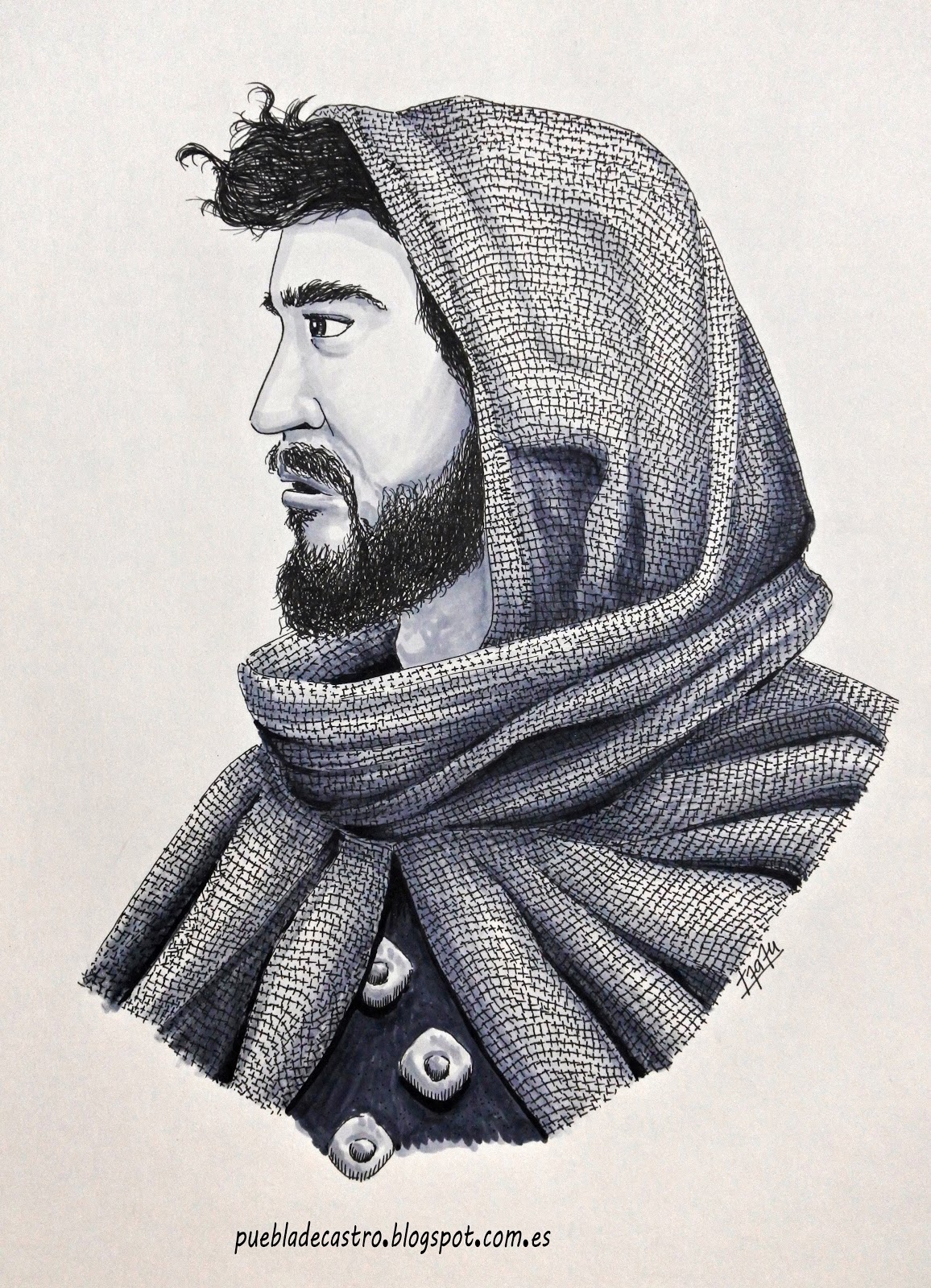
Founder of the Naqshbandi Sufi order whose golden principle 'Dil ba yar, dast ba kar' (Heart with God, hand in labor) established silent dhikr and active societal engagement across Eurasia.
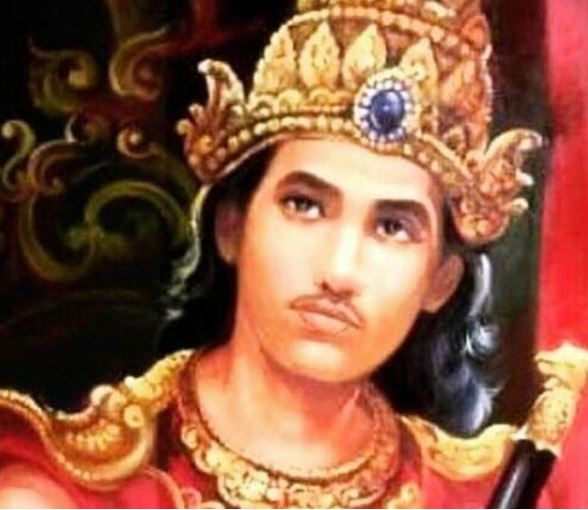
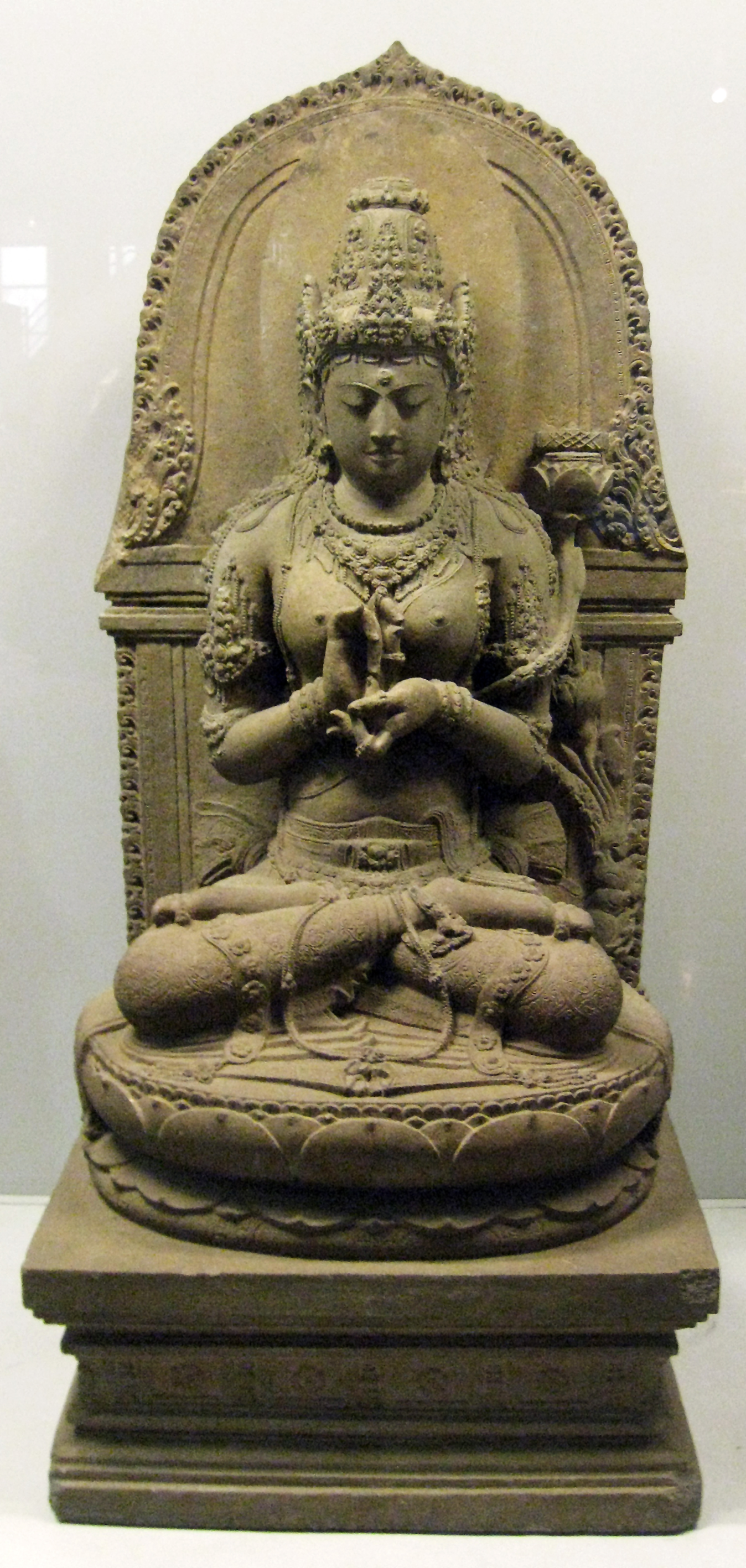
Fourth monarch of the Majapahit Empire whose reign alongside Prime Minister Gajah Mada represented the golden age of Indonesian maritime unity and classical Javanese culture.
Fourth monarch of the Majapahit Empire who, alongside Prime Minister Gajah Mada, guided Java to its golden age, uniting the entire Indonesian archipelago (Nusantara) from Sumatra to Papua under the national motto "Bhinneka Tunggal Ika" (Unity in Diversity).
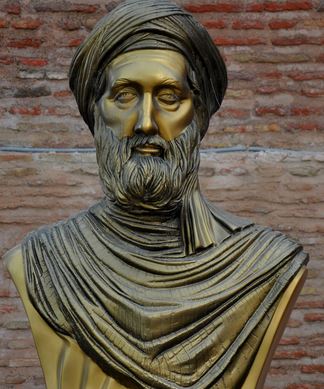
Andalusian legal philosopher whose groundbreaking work 'Al-Muwafaqat' founded the science of Maqasid al-Shariah (higher objectives of Islamic law), emphasizing universal human welfare.
Marinid Sultan (1384โ1386) celebrated for his deep piety, generous support for the madrasas of Fez, and patronage of illuminated Quranic calligraphers.
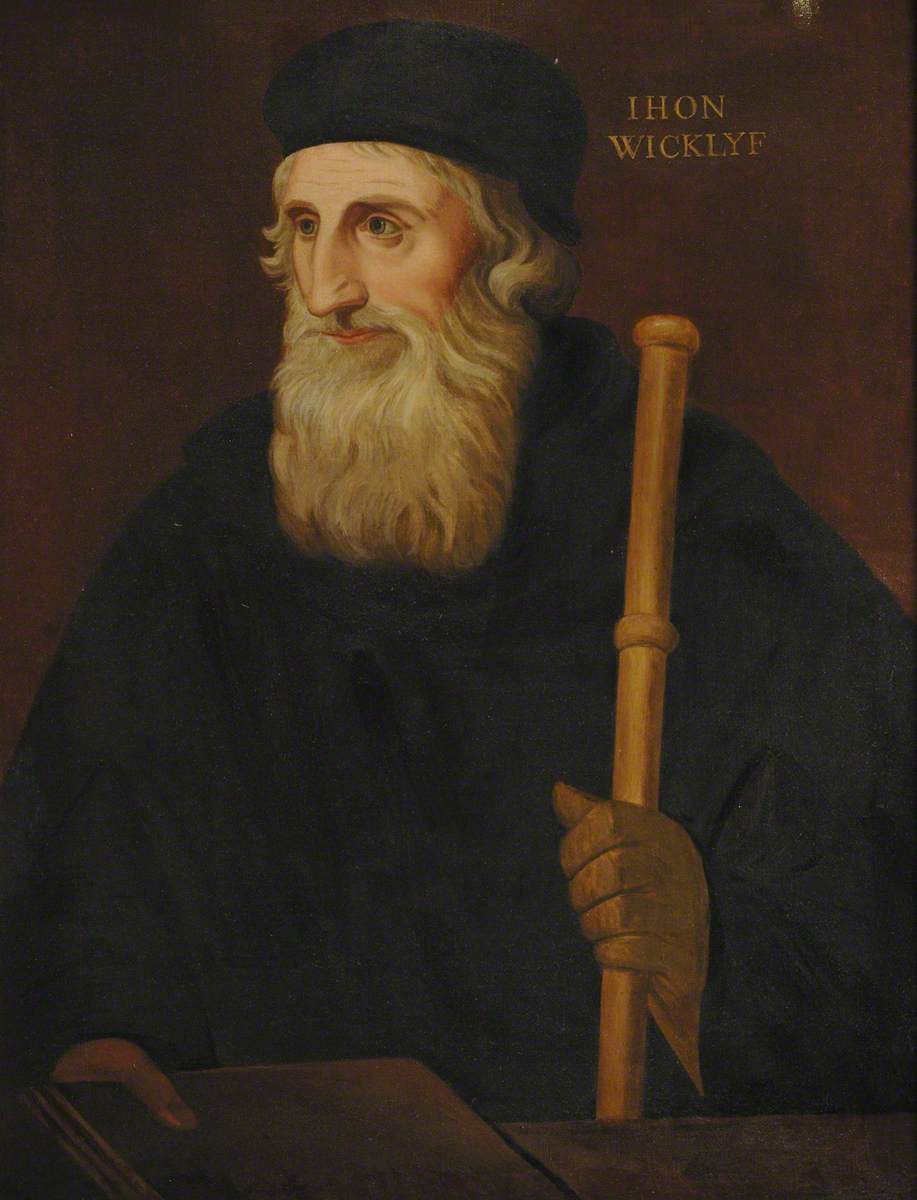
Oxford scholastic philosopher, theologian, and biblical translator hailed as the 'Morning Star of the Reformation' who produced the first complete English translation of the Bible.
Flemish rebel leader and godson of English Queen Philippa of Hainault who led the 1381โ1382 Ghent revolt against Count Louis of Male and French royal hegemony.
Intellectual and strategic King of France whose prudent leadership reversed the disastrous defeats of the Hundred Years' War, recovering almost all English-held territories with Constable Bertrand du Guesclin.
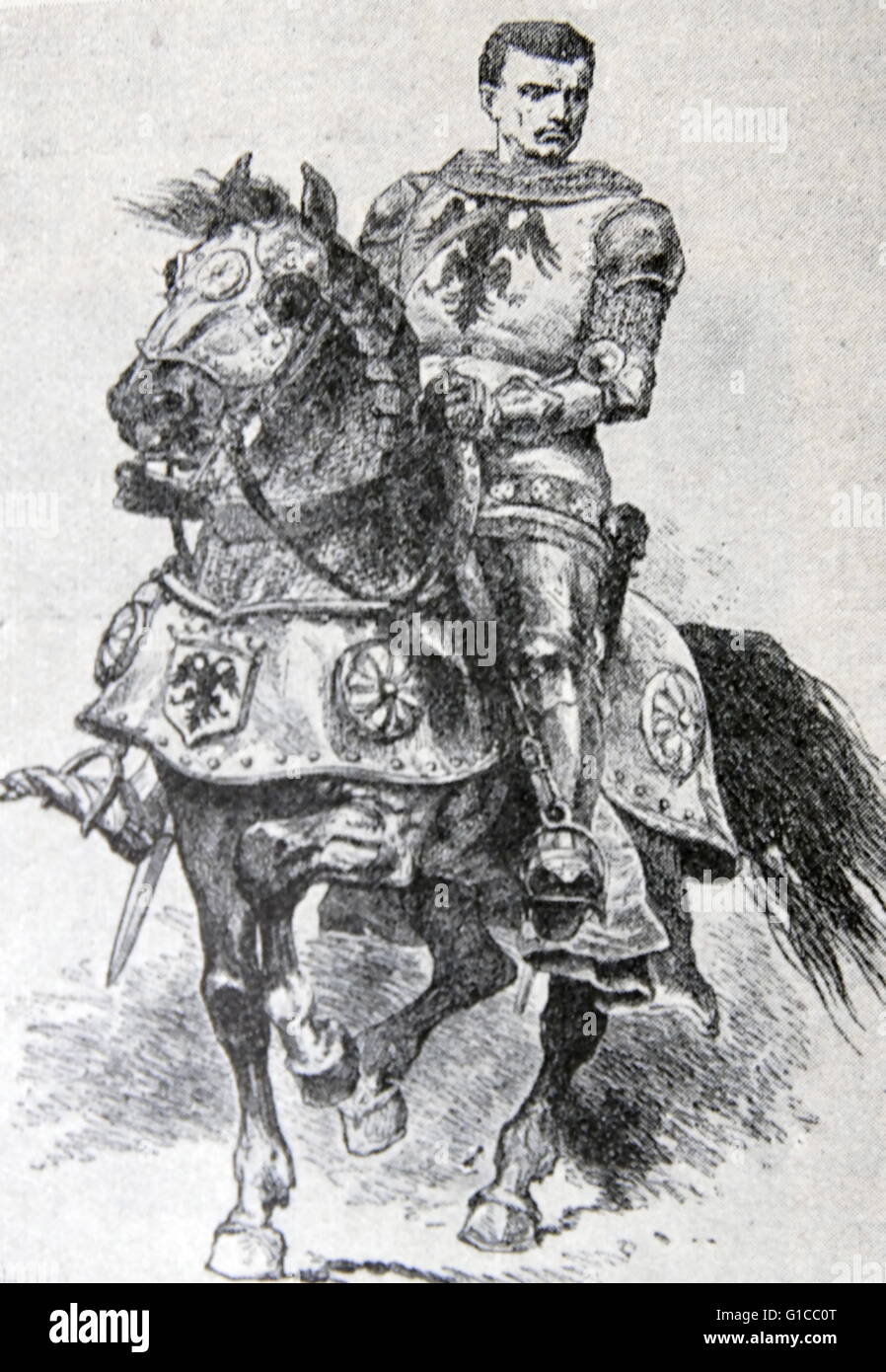
Constable of France and master of Fabian guerrilla warfare who recaptured nearly all territories lost to England in the Hundred Years' War.
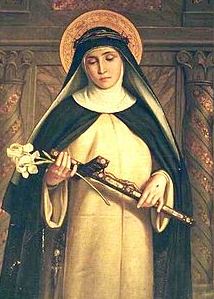
Dominican tertiary, mystic, and Doctor of the Church who boldly persuaded Pope Gregory XI to return to Rome from Avignon and authored 'The Dialogue of Divine Providence'.
Influential Marinid princess and philanthropist who funded public fountains, student accommodations, and Quranic recitation endowments throughout Fez el-Jdid.
14th-century Moroccan chronicler and topographer whose foundational monograph Zahrat al-As provides the definitive historical and architectural inventory of medieval Fez.
Distinguished 14th-century Tlemcen polymath, diplomat, and Maliki jurist who served at the Marinid, Hafsid, and Castilian courts, author of 'Al-Musnad al-Sahih' recording North African history.
Distinguished historian and younger brother of Ibn Khaldun, who served as prime minister and court chronicler of the Zayyanid Kingdom of Tlemcen and authored Bughyat al-Ruwwad.
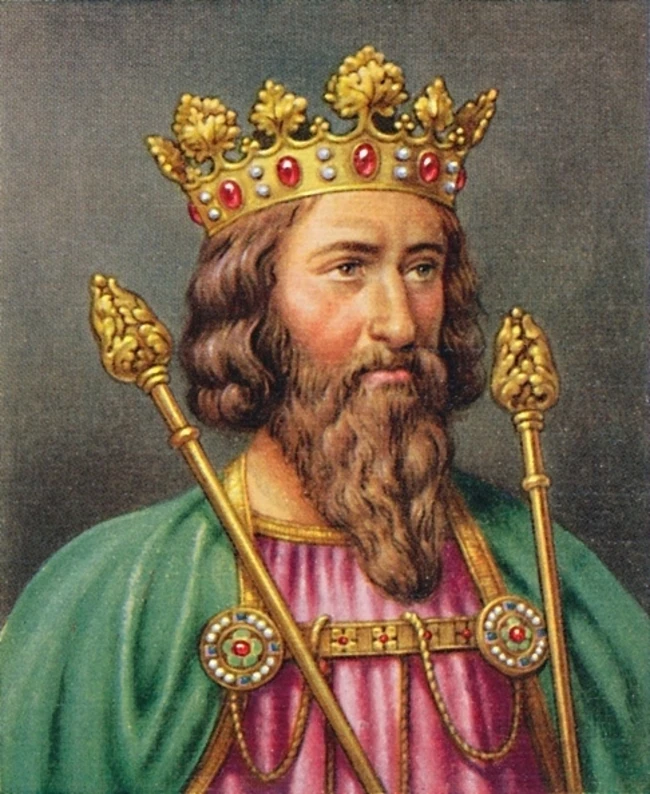
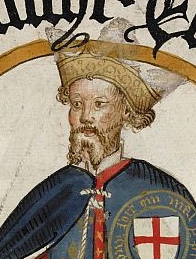
Plantagenet King whose fifty-year reign transformed England into a supreme military power and launched the Hundred Years' War.
Preeminent French composer and poet of the 14th-century Ars Nova, who composed the Messe de Nostre Dameโthe earliest complete polyphonic setting of the Ordinary of the Mass by a single known composer.
Prince of Wales and England's greatest chivalric warrior of the Hundred Years' War who won the Battle of Poitiers and captured King John II of France.
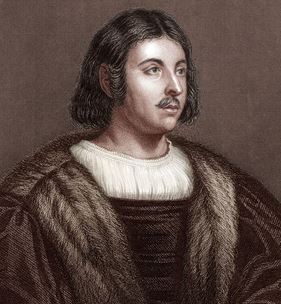
Pioneering Florentine Renaissance humanist and author of The Decameron, who captured the tragedy of the 1348 Black Death and forged European storytelling prose through one hundred lively, witty tales of human wit, eros, and resilience.