 Italy
•
8 views
Italy
•
8 views
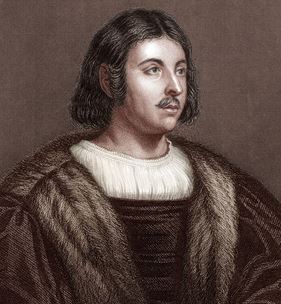
Giovanni Boccaccio

Certaldo or Florence, Italy
Archival Overview
Pioneering Florentine Renaissance humanist and author of The Decameron, who captured the tragedy of the 1348 Black Death and forged European storytelling prose through one hundred lively, witty tales of human wit, eros, and resilience.
Biographical Record
Giovanni Boccaccio (1313–1375), alongside Dante and his close friend Petrarch, forms the immortal triumvirate ('Three Crowns') of the Italian Renaissance. Having spent his youth in the lively Angevin court of Naples, Boccaccio returned to Florence just before the catastrophic arrival of the Black Death in 1348, which decimated Europe's population.
Between 1349 and 1353, Boccaccio penned The Decameron. Set against the harrowing realism of the plague, seven young women and three men flee Florence to a rural villa outside the city, taking turns over ten days telling one hundred tales. Blending sharp psychological observation, anti-clerical satire, tragic pathos, and sensual wit, Boccaccio established the vernacular novella as a supreme genre of Western European literature.
Key Life Milestones
Eyewitness Description of the Black Death in Florence
Authored the definitive, chilling historical prologue to the Decameron describing the terror of the bubonic plague.
Completion of The Decameron (Il Decamerone)
Finished his monumental collection of 100 novellas, laying the cornerstone of European vernacular prose.
Memorial Guestbook & Tributes
0 messages recordedLeave a Respectful Tribute
Final Resting Place
Perpetual MemorialCertaldo (Tuscany), Italy