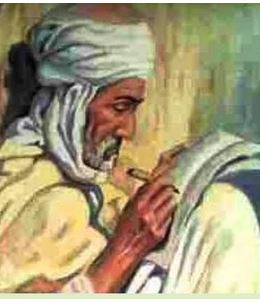
Ahmed Mohammed al-Maqqari
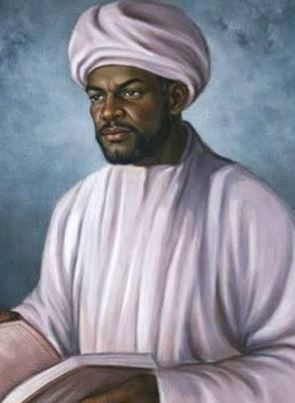
Immense North African historian, literary scholar, and mufti who studied in Tlemcen and Fez before authoring 'Nafh al-Tib' in Cairo—the monumental encyclopedia of Andalusian Islamic civilization.
Start typing to search worldwide archives and community tributes
Filterable archive covering centuries of intellectual, artistic, and moral contributions to the human story.
Immense North African historian, literary scholar, and mufti who studied in Tlemcen and Fez before authoring 'Nafh al-Tib' in Cairo—the monumental encyclopedia of Andalusian Islamic civilization.
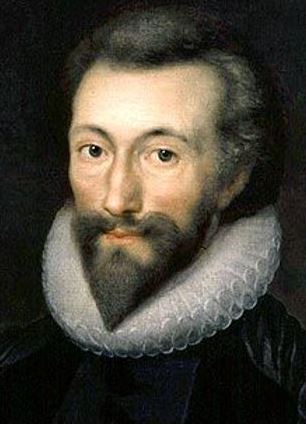
Foremost English metaphysical poet and Dean of St Paul's whose passionate erotic elegies, complex extended conceits, and profound Holy Sonnets gave English literature 'No man is an island' and 'Death, be not proud'.
Profound 17th-century philosopher and jurist who founded the School of Isfahan and formulated the doctrine of 'origination in meta-time' (huduth-e dahri).
Corsican-born founder of the Muradid Dynasty of Tunis (1613–1702), who transformed the office of Bey from a military tax-collector into a hereditary monarchy recognized by the Ottoman Sultan.
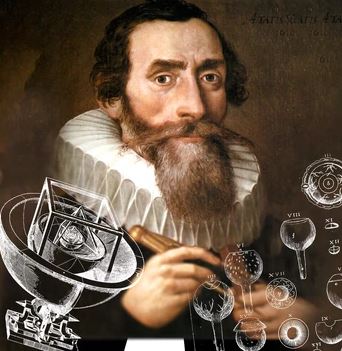
German astronomer and mathematician who discovered the three fundamental laws of planetary motion (elliptical orbits, equal areas in equal times, harmonic period-distance ratio).
Fierce Huguenot warrior, statesman, and poet whose monumental apocalyptic epic poem Les Tragiques (1616) stands as the greatest literary masterpiece of the French Wars of Religion.
Pious Saadian princess celebrated for establishing public endowments, educational trusts for orphaned girls, and restorative renovations for the Mouassine Mosque complex in Marrakech.
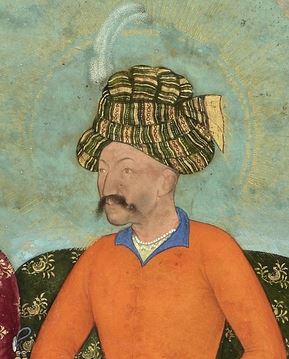
Fifth Safavid Shah celebrated as the greatest ruler of the dynasty. Transformed Isfahan into "Half the World" (Esfahan Nesf-e Jahan), centralized Persian statehood, and created the immortal royal square of Naqsh-e Jahan.
Normandy-born poet and royal courtier whose strict reforms of poetic vocabulary, syntax, and classical metric clarity established the foundation for seventeenth-century French Classicism, celebrated by Boileau's 'Enfin Malherbe vint'.
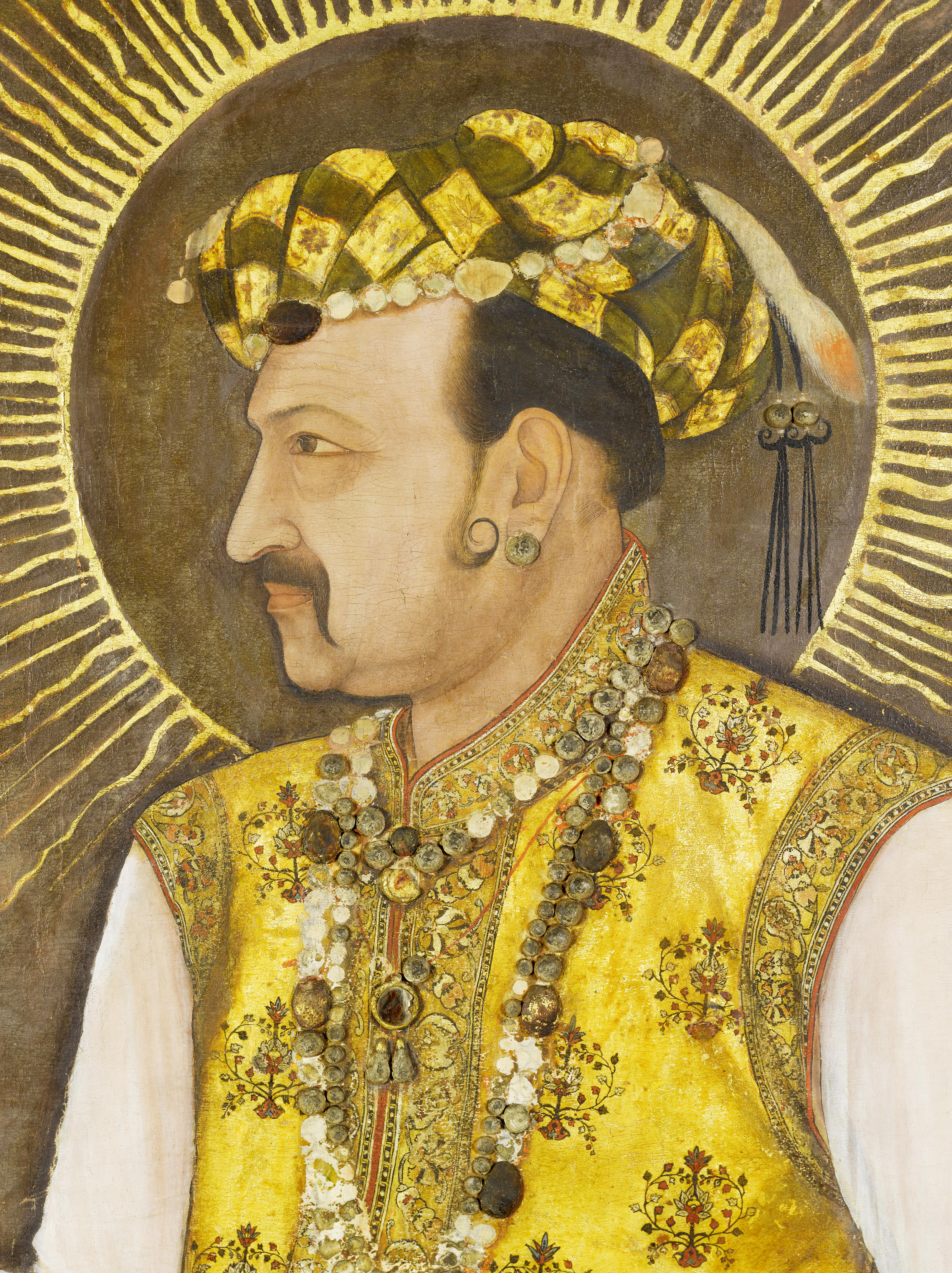
Fourth Mughal Emperor who patronized the golden age of Mughal miniature painting, established the 'Chain of Justice' (Zanjir-i Adl) at Agra, and recorded acute natural history observations in Jahangirnama.
Saadian Sultan (1603–1627) renowned as an erudite scholar whose legendary 4,000-volume royal library was captured by Spanish privateers in 1612 and remains the core of the Escorial Arabic manuscript collection.
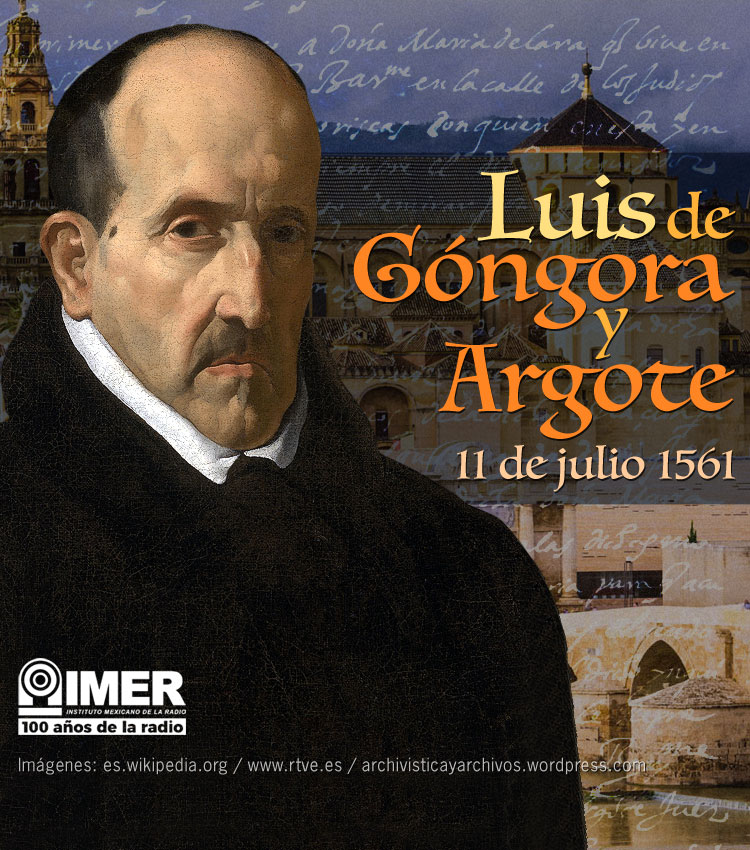
Spanish Golden Age Baroque lyric poet who originated Culteranismo (Gongorism), celebrated for his complex masterpiece Soledades and mythological epic Polifemo.
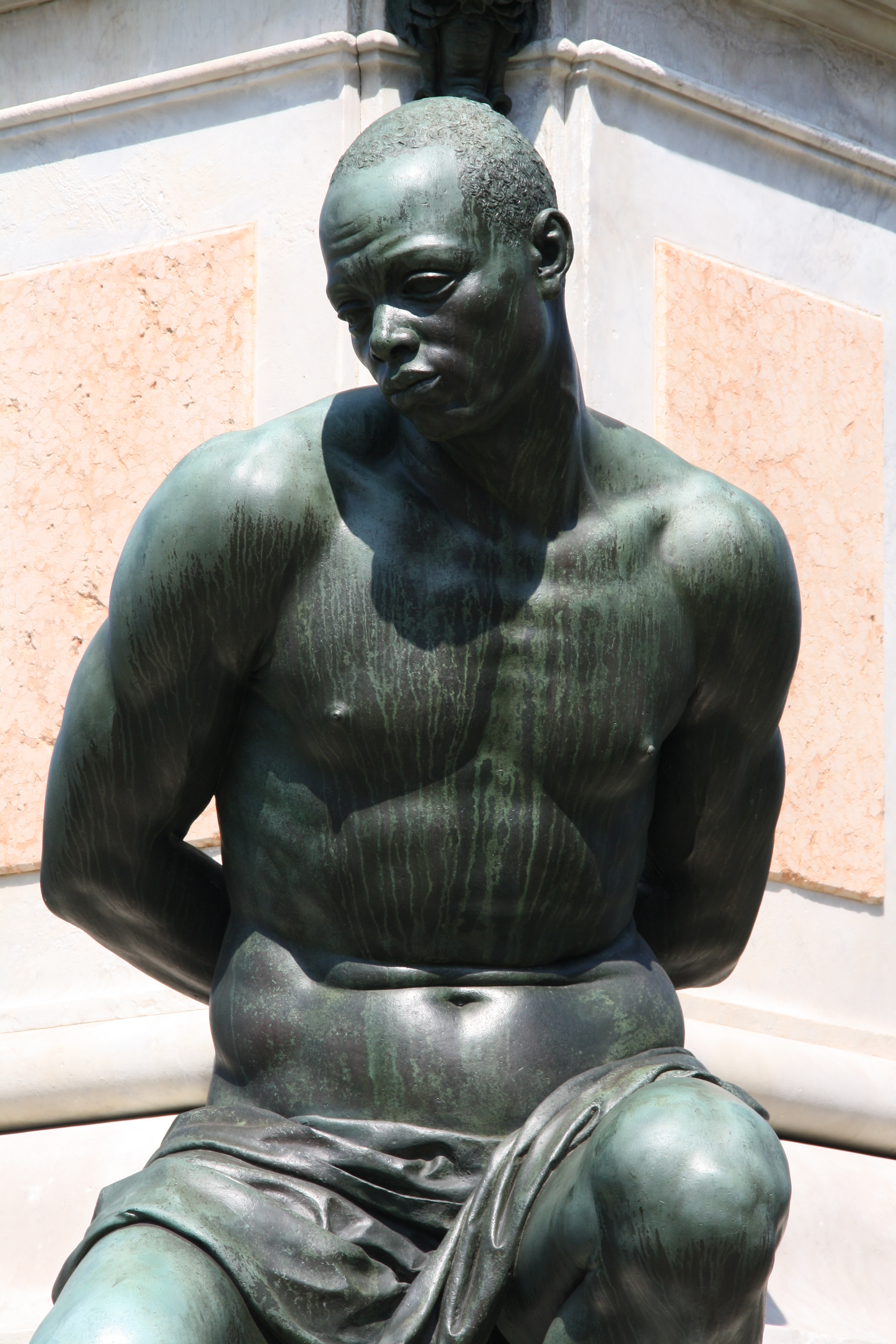
West African scholar and jurist of Timbuktu who wrote Mi'raj al-Su'ud, establishing the definitive Islamic legal and philosophical treatise prohibiting the enslavement of Muslims and non-subjugated Africans.
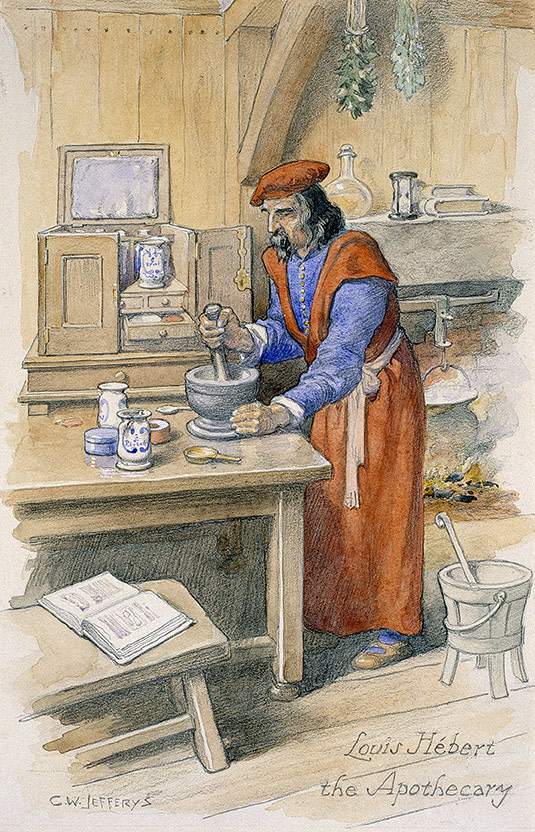
Pioneering Parisian apothecary who became the first European colonist to cultivate the soil of Canada, establishing the first permanent agricultural farm in Quebec City in 1617.
Ethiopian-born military commander and Prime Minister of the Ahmadnagar Sultanate who pioneered guerrilla warfare (Bargi-giri) to repeatedly repel the Mughal Empire.
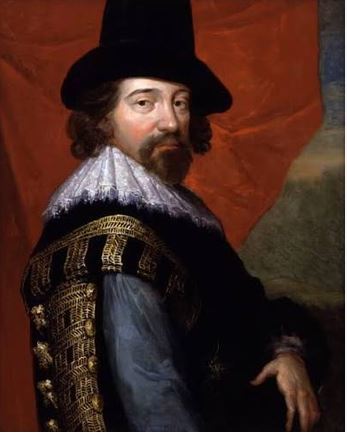
English philosopher and statesman whose Novum Organum established the empirical inductive method, dismantled the Idols of the Mind, and proclaimed that 'Knowledge is Power'.
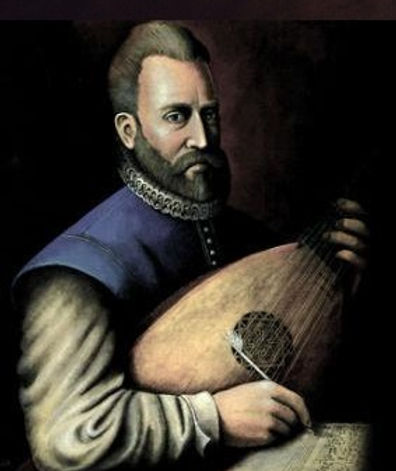
English Renaissance lutenist and composer celebrated as the master of Elizabethan musical melancholy, immortalized by 'Flow My Tears' and the Lachrimae consort pavans.
Master of the Flemish Baroque known as 'Velvet Brueghel' for his exquisite miniature brushwork, lush floral still lifes, paradise landscapes, and fruitful collaborations with Peter Paul Rubens.