 Kingdom of Spain
•
2 views
Kingdom of Spain
•
2 views
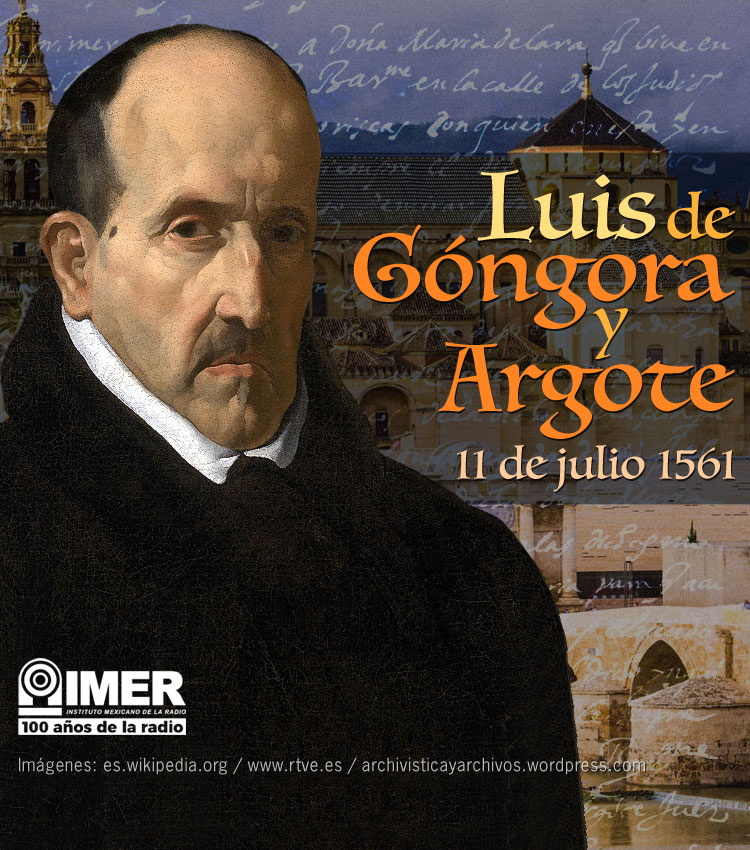
Luis de Góngora y Argote

Córdoba, Kingdom of Spain
Archival Overview
Spanish Golden Age Baroque lyric poet who originated Culteranismo (Gongorism), celebrated for his complex masterpiece Soledades and mythological epic Polifemo.
Biographical Record
Luis de Góngora y Argote (1561–1627) was a Spanish Baroque lyric poet from Córdoba who served as an honorary chaplain to King Philip III. A fierce literary rival of Francisco de Quevedo and Lope de Vega, Góngora created an intensely sophisticated, ornate poetic style that came to be known as culteranismo or gongorismo.
Characterized by Latinate syntax, complex hyperbaton, classical mythological allusions, and dazzling sensory metaphors, Góngora's major works—the Fábula de Polifemo y Galatea and the enigmatic, unfinished Soledades (Solitudes)—divided 17th-century European literary society. Rediscovered in the 1920s by the Spanish Generation of '27 (including García Lorca and Alberti), Góngora is revered as a pioneer of modern poetic obscurity and linguistic purity.
Key Life Milestones
Soledades and Polifemo
Circulated the Fábula de Polifemo y Galatea and the first Soledad, igniting the fiercest aesthetic debate of the Spanish Golden Age.
Royal Chaplain in Madrid
Appointed royal chaplain in Madrid, living at court while engaging in legendary satirical poetic duels with Quevedo.
Memorial Guestbook & Tributes
0 messages recordedLeave a Respectful Tribute
Final Resting Place
Perpetual MemorialCórdoba, Spain