Nakae Toju
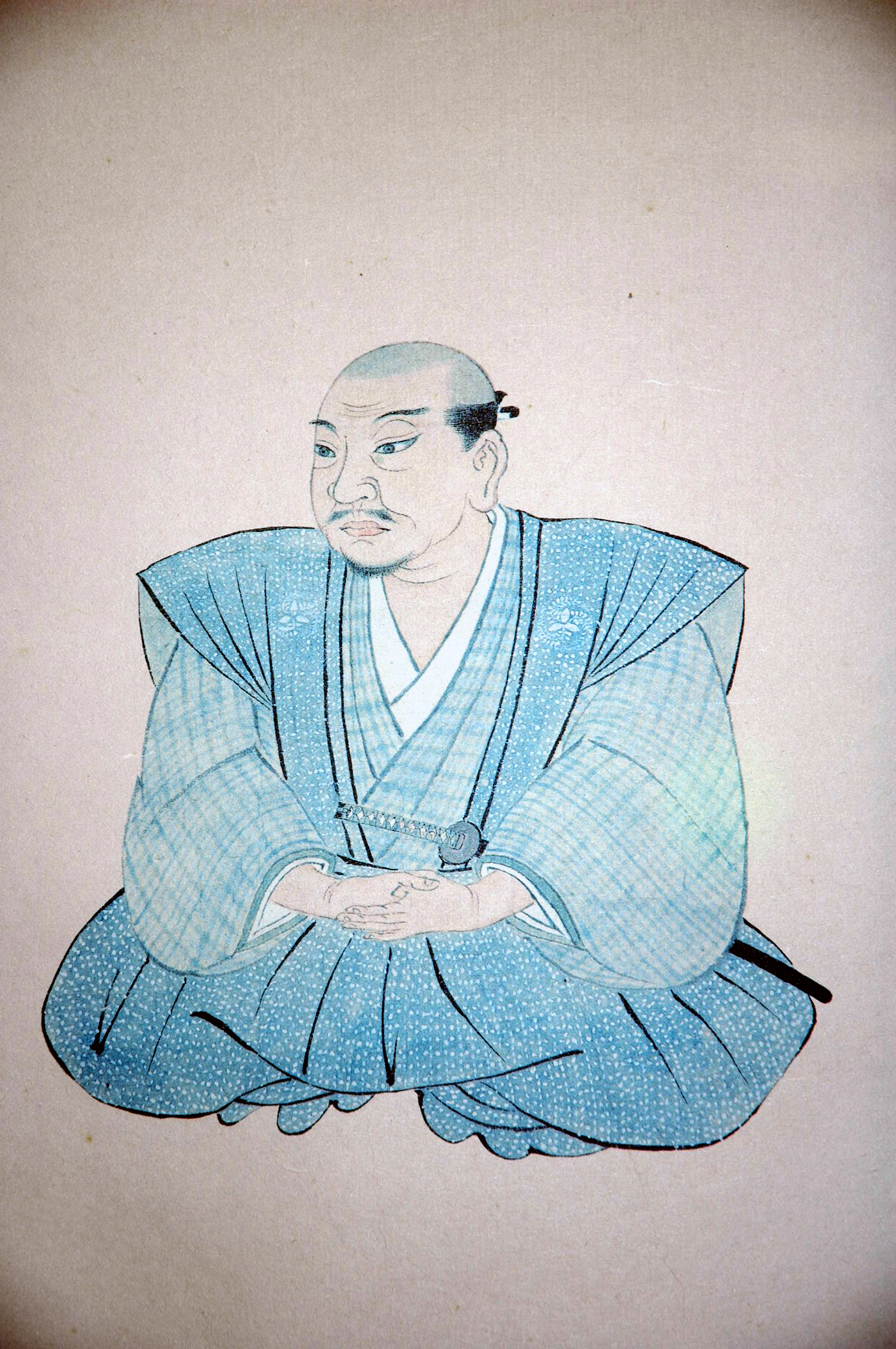
Revered Japanese Confucian philosopher known as the 'Sage of Omi', who resigned his samurai post to care for his elderly mother and founded the Japanese school of Wang Yangming Neo-Confucianism (Oyomeigaku).
Start typing to search worldwide archives and community tributes
Filterable archive covering centuries of intellectual, artistic, and moral contributions to the human story.
Revered Japanese Confucian philosopher known as the 'Sage of Omi', who resigned his samurai post to care for his elderly mother and founded the Japanese school of Wang Yangming Neo-Confucianism (Oyomeigaku).
Spanish Golden Age Mercedarian friar and dramatist who created the immortal myth of Don Juan in El burlador de Sevilla (The Trickster of Seville).
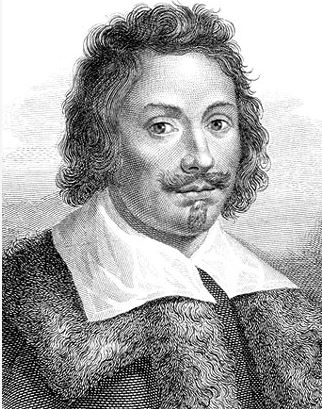
Italian physicist and disciple of Galileo who invented the mercury barometer, discovered Torricelli's Law of fluid efflux, and disproved nature's 'horror vacui' (horror of a vacuum).
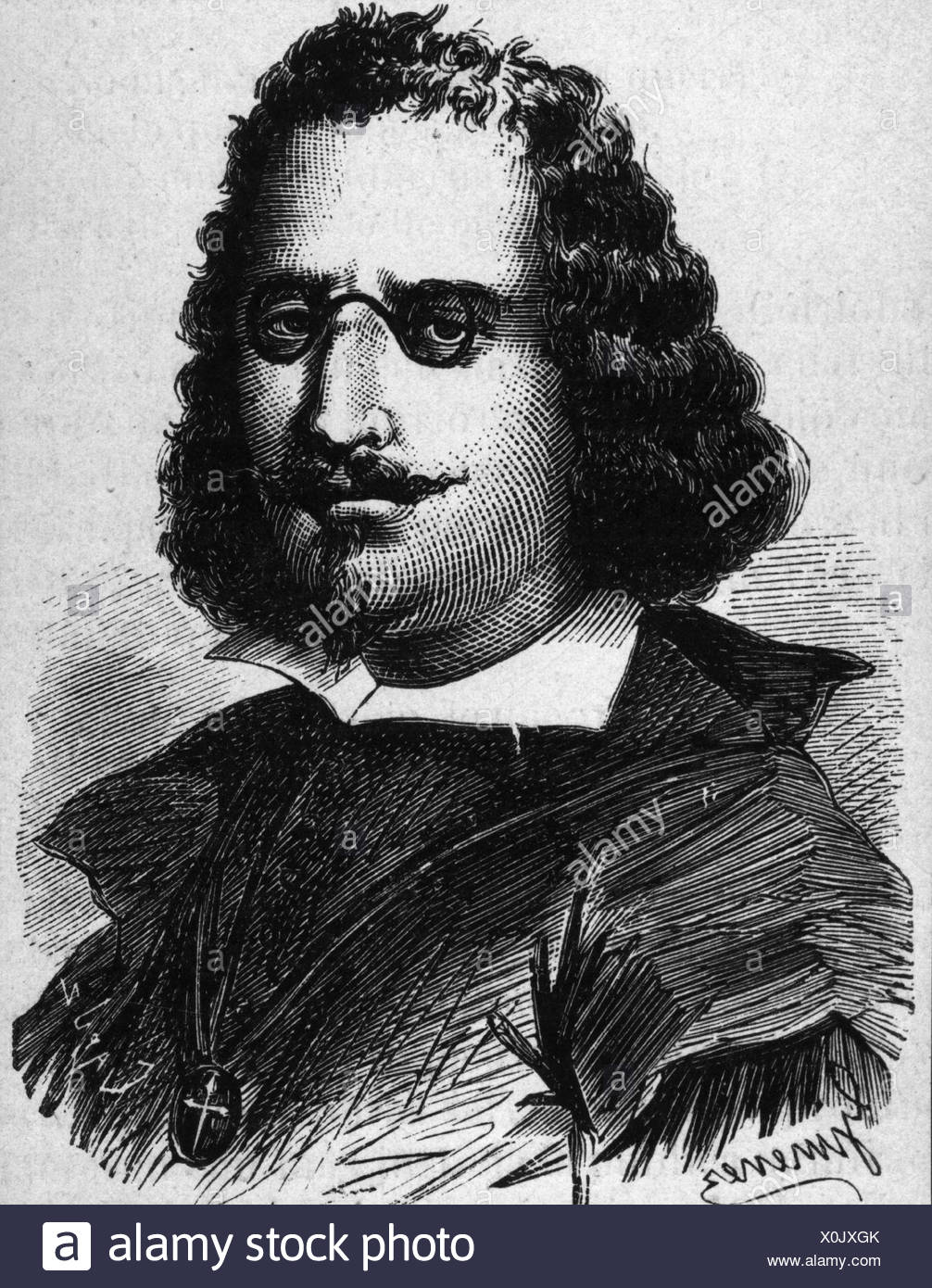
Spanish Golden Age master of Conceptismo, satirist, and poet whose picaresque novel El Buscรณn and piercing metaphysical sonnets dissected imperial decay.
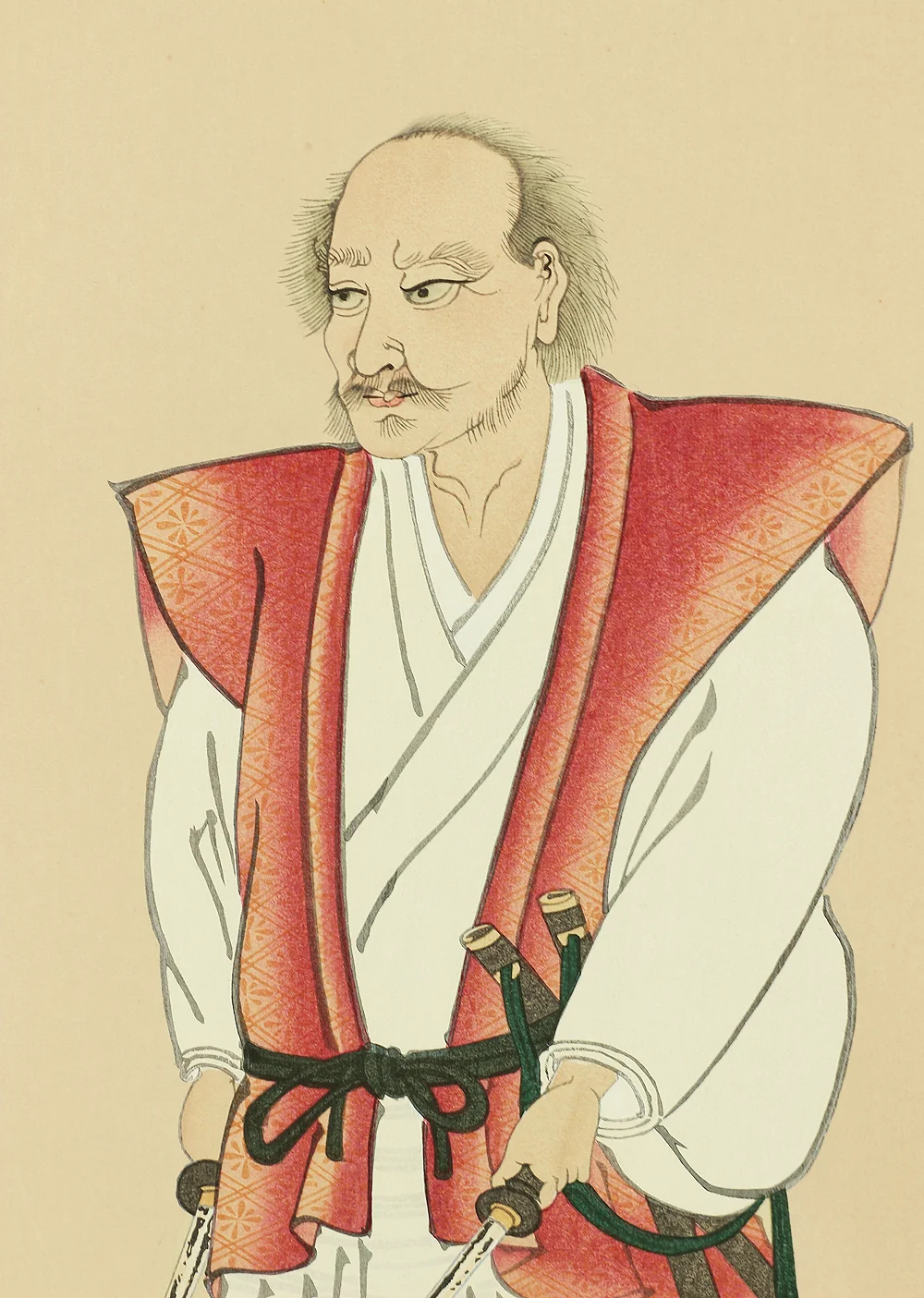
Japan's greatest swordsman and 'Sword Saint' (Kensei), who remained undefeated across sixty-one mortal duels, founded the two-sword Niten Ichi-ryu school, and authored The Book of Five Rings.
Supreme Admiral of the Algiers corsair fleet in the early 17th century, who married Princess Lalla Lalla-Houm and built the historic Ali Bitchin Mosque in the Casbah in 1622.
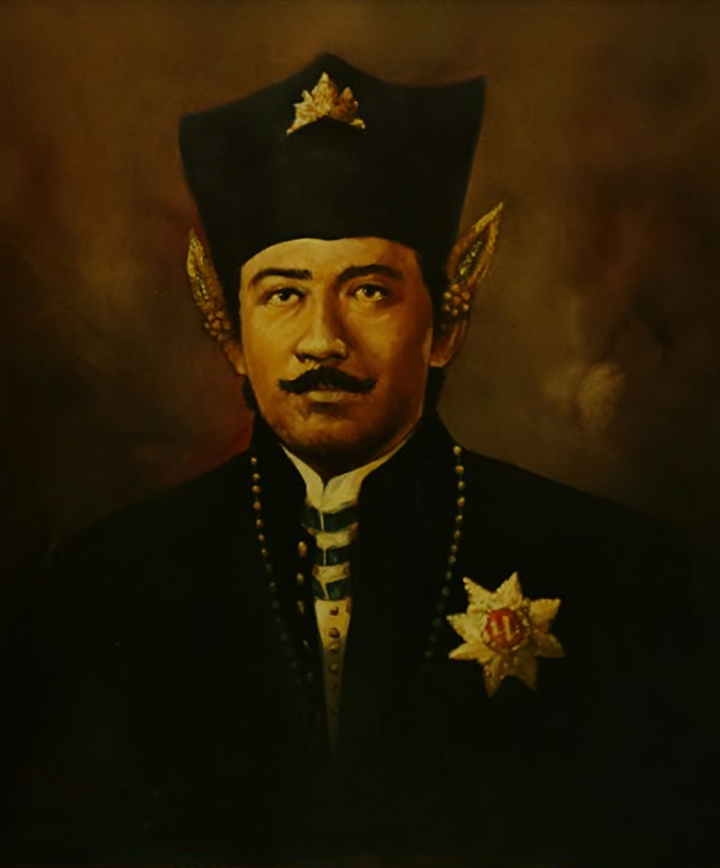
Third Sultan of Mataram who unified central and eastern Java, laid siege to Dutch Batavia twice in 1628 and 1629, created the Javanese calendar, and constructed the royal necropolis of Imogiri.
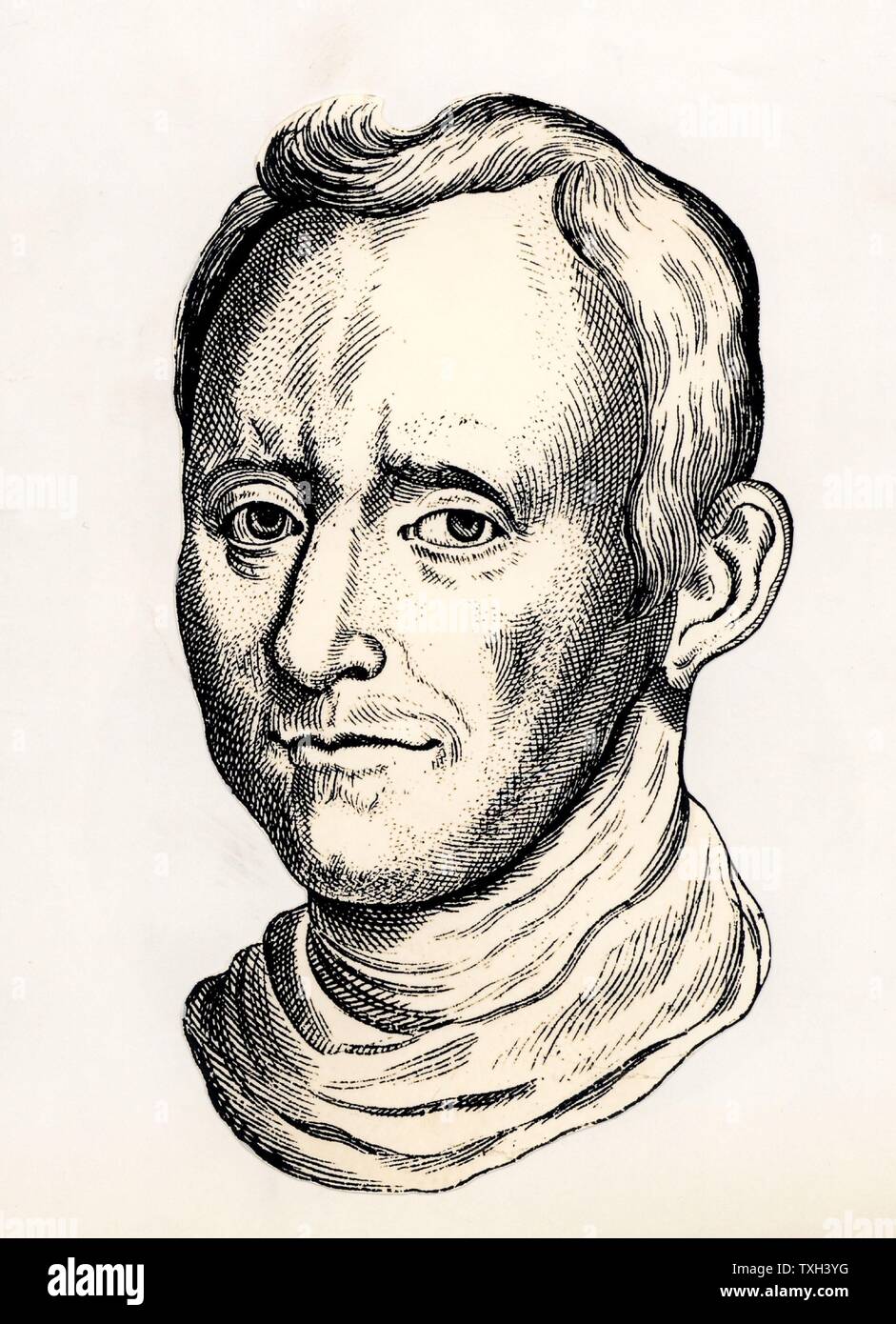
Visionary Flemish physician and alchemist recognized as the founder of pneumatic chemistry, who coined the scientific word 'gas' and conducted the famous five-year willow tree experiment on plant mass.
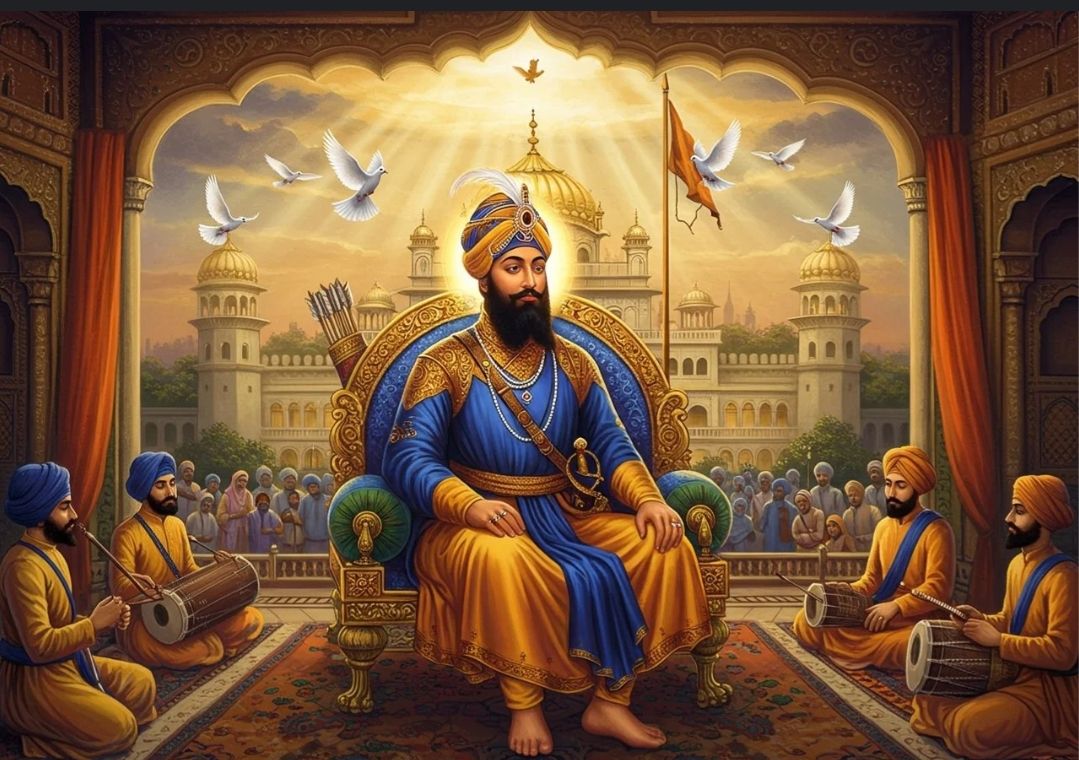
Son of the martyred Guru Arjan, Guru Hargobind transformed the Sikh community by introducing the doctrine of Miri-Piri (temporal sovereignty and spiritual power), wearing two swords, raising the Akal Takht, and liberating fifty-two kings from Gwalior Fort.
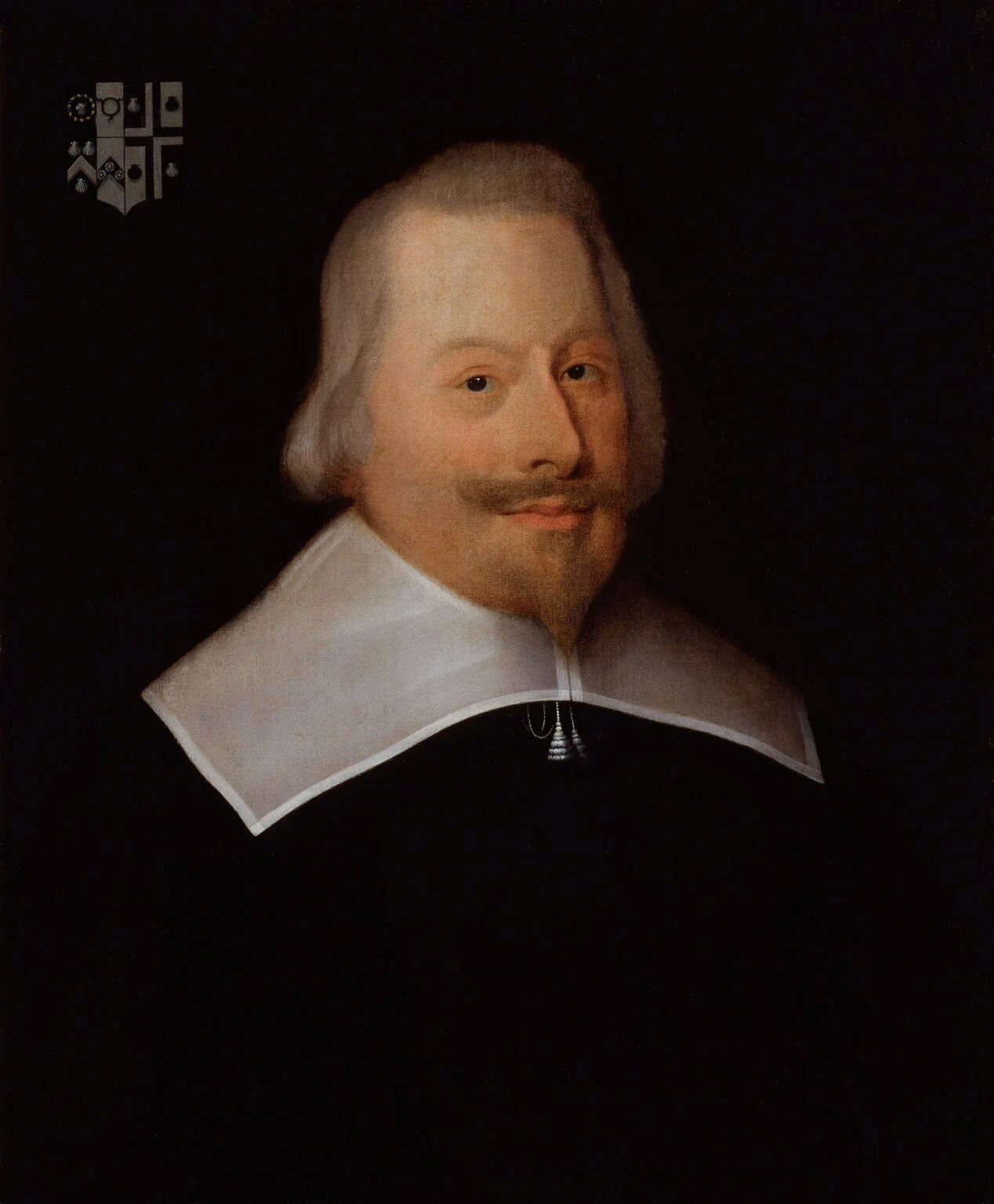
Master parliamentarian and leader of the Long Parliament whose Grand Remonstrance and resistance to Charles I asserted parliamentary supremacy.
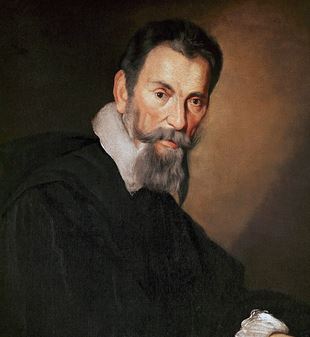
Revolutionary Italian composer who bridged the Renaissance and Baroque eras, pioneered the 'Seconda Pratica' making music servant to emotional text, composed the first operatic masterpiece (L'Orfeo), and transformed sacred music with his 1610 Vespers.
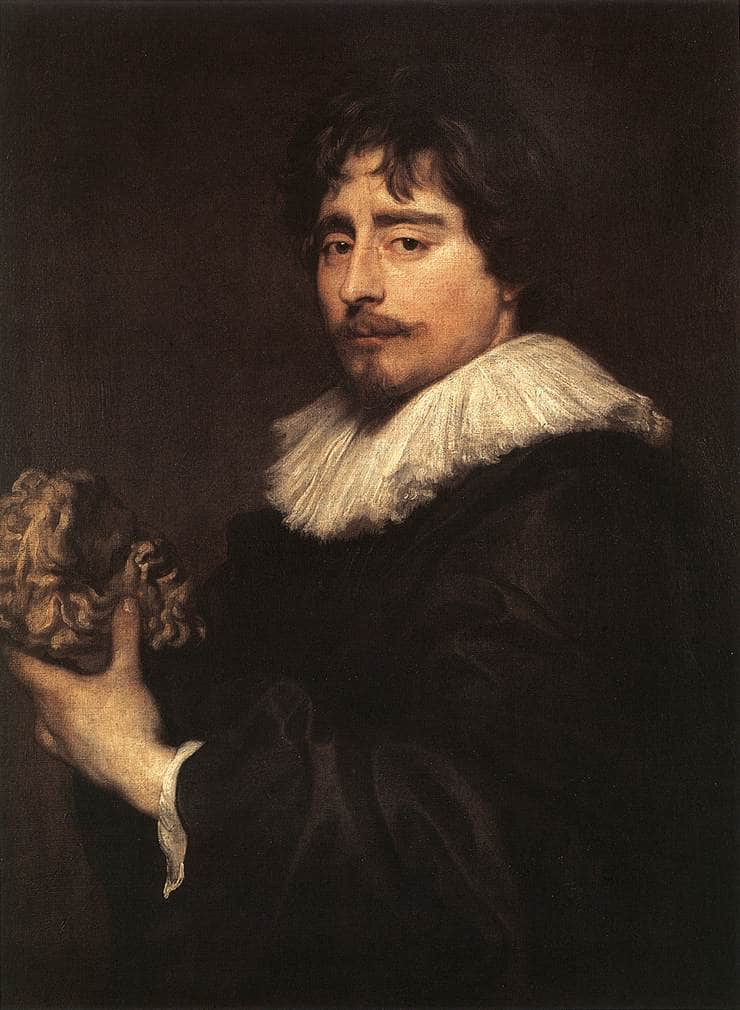
Brussels-born sculptor known in Rome as 'Il Fiammingo', who worked alongside Gian Lorenzo Bernini and Nicolas Poussin, championing an elegant classical ideal of marble sculpture.
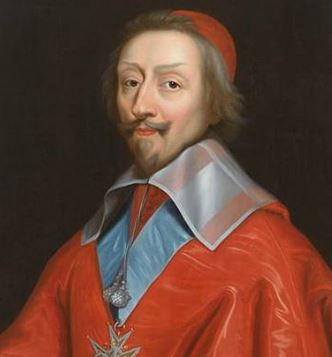
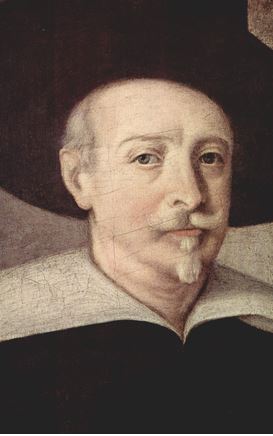
Pioneered modern realpolitik and centralized administrative statecraft, breaking Habsburg hegemony in Europe during the Thirty Years' War.
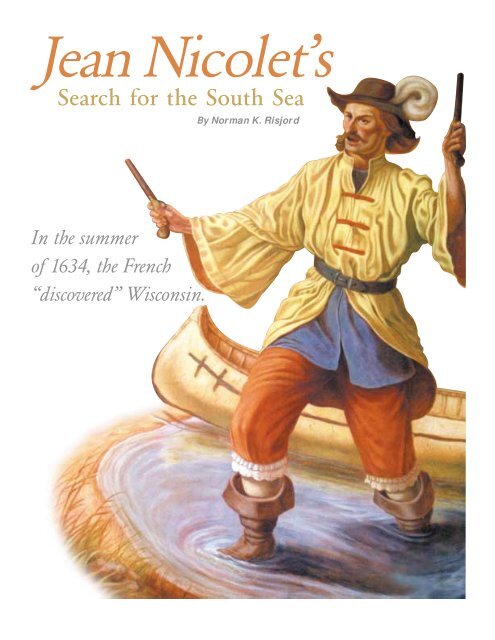
Early French explorer who arrived at Green Bay in 1634 wearing a damask Chinese robe, believing he had discovered the shortcut to Cathay.
Premier Bolognese master of classical Baroque painting whose ceiling fresco 'Aurora' and celestial, idealized religious canvases earned him the title 'The Divine'.
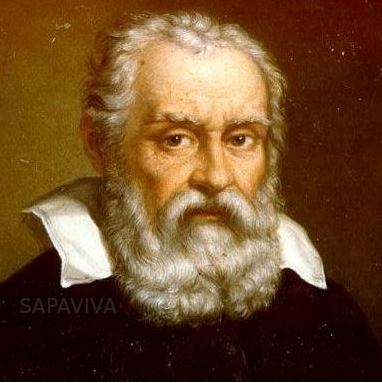
'Father of Modern Science' who improved the telescope to discover Jupiter's moons, Venusian phases, and lunar craters, formulated the law of falling bodies, and defended heliocentrism.
Invaluable chief minister, financier, and artillery commander to King Henry IV who restored France's devastated finances, famously declaring that agriculture and livestock were the two breasts that nourished the realm.
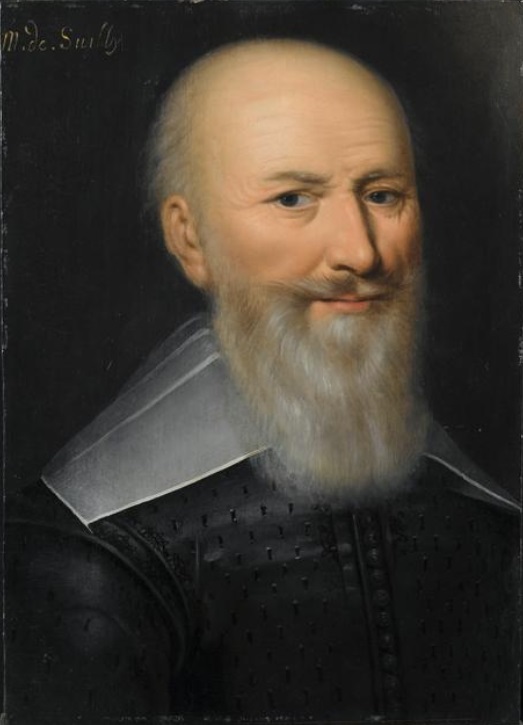
Trusted Huguenot chief minister to King Henry IV who restored French royal finances, modernized agriculture and infrastructure, and coined 'Labourage et pรขturage sont les deux mamelles de la France'.