 Italy
•
9 views
Italy
•
9 views
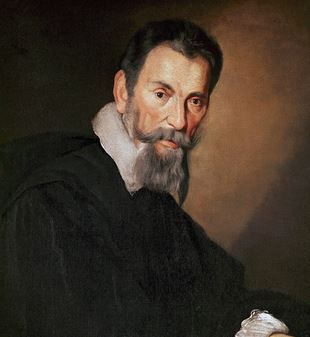
Claudio Giovanni Antonio Monteverdi

Cremona (Lombardy), Italy
Archival Overview
Revolutionary Italian composer who bridged the Renaissance and Baroque eras, pioneered the 'Seconda Pratica' making music servant to emotional text, composed the first operatic masterpiece (L'Orfeo), and transformed sacred music with his 1610 Vespers.
Biographical Record
Claudio Monteverdi (1567–1643), born in Cremona, was one of music history's supreme innovators. While serving Duke Vincenzo Gonzaga in Mantua, Monteverdi articulated the revolutionary doctrine of the Seconda Pratica (Second Practice), arguing that expressive emotional text must govern musical harmony, freely employing dramatic discords and chromaticism.
In 1607, Monteverdi staged L'Orfeo, the earliest opera still regularly performed worldwide, integrating recitative, madrigalian choruses, and full orchestral colors. In 1610, he published his monumental Vespro della Beata Vergine. Appointed maestro di cappella of St. Mark's Basilica in Venice in 1613, his late public operas—especially L'incoronazione di Poppea (1642)—founded modern musical drama.
Key Life Milestones
Premiere of L'Orfeo in Mantua
Staged the first true masterpiece of opera at the Palazzo Ducale of Mantua, birthing modern lyric drama.
Publication of the Vespro della Beata Vergine
Published his grand Vespers of 1610, uniting Renaissance sacred polyphony with innovative Baroque concertato style.
Memorial Guestbook & Tributes
0 messages recordedLeave a Respectful Tribute
Final Resting Place
Perpetual MemorialVenice, Italy