Public Figures & Cultural Luminaries
Filterable archive covering centuries of intellectual, artistic, and moral contributions to the human story.
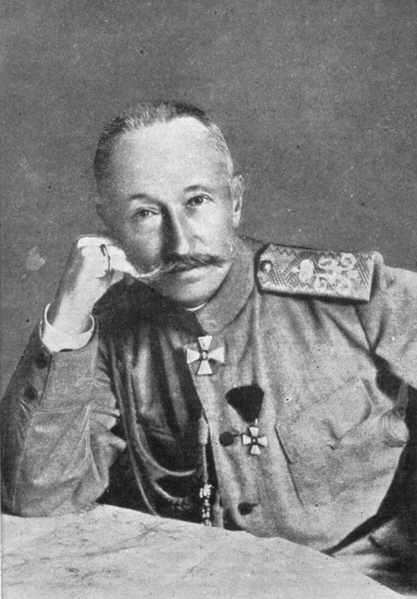
General Aleksei Alekseyevich Brusilov
 (Алексей Алексеевич Брусилов)
Russian cavalry general who innovated infiltration and short shock artillery tactics in the 1916 Brusilov Offensive, the greatest Allied breakthrough of World War I.
Iraj Mirza
 (ایرج میرزا)
Daring Qajar prince and satirical poet of the Constitutional era who used lucid, colloquial Persian to ridicule religious hypocrisy and champion women's education.
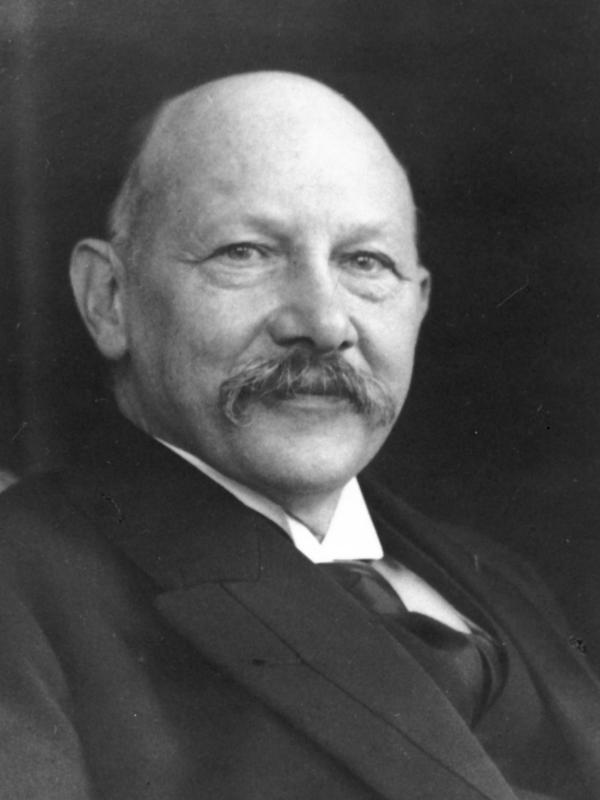
Heike Kamerlingh Onnes
 (Heike Kamerlingh Onnes)
Dutch low-temperature pioneer who liquefied helium and discovered superconductivity.
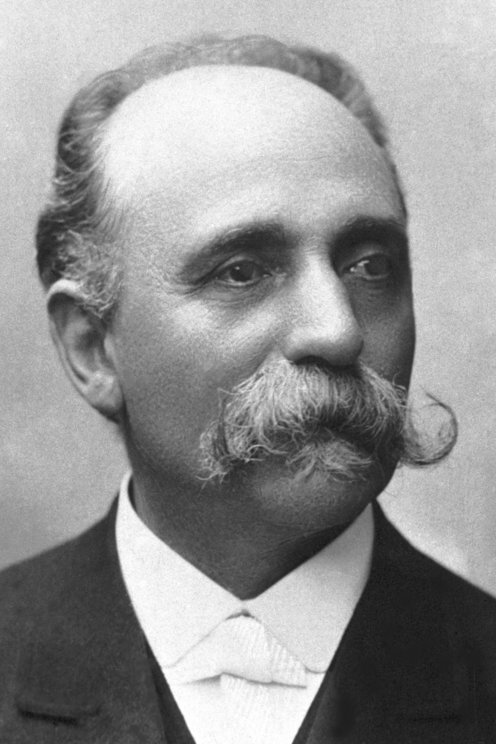
Camillo Golgi
 (Camillo Golgi)
Italian cytologist and Nobel laureate who discovered the Golgi apparatus in cells and invented the silver nitrate staining method for neurons.
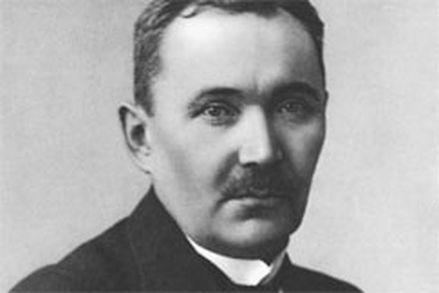
Eino Leino
 (Armas Einar Leopold Lönnbohm)
Beloved Finnish poet and bohemian genius whose rhythmic, melancholic masterpiece Helkavirsiä (Whitsongs) fused ancient Kalevala trochaic meter with modern European symbolism.
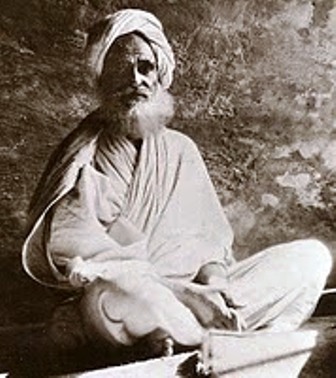
Osman Digna
 (عثمان دقنة)
Fabled military strategist of the Beja Hadendoa tribes in eastern Sudan who defeated British and Egyptian armies at El Teb and Tamai, breaking the British infantry square.
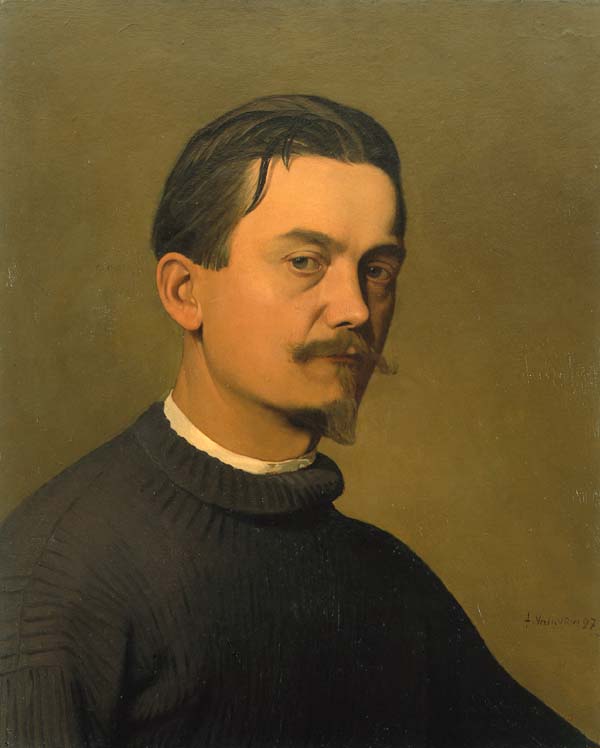
Félix Édouard Vallotton
 (Félix Vallotton)
Swiss-French painter, woodcut genius, and member of Les Nabis whose biting black-and-white print series 'Intimités' and cool, unsparing paintings captured modern bourgeois deceit.
Alfred Pérot
 (Jean-Baptiste Alfred Pérot)
French physicist and professor at the École Polytechnique who co-invented the Fabry-Pérot interferometer in 1897, establishing the international standard for the optical wavelength of the red cadmium line.
Max Linder
(Gabriel-Maximilien Leuvielle)
French silent screen comic actor and director recognized as the world's very first international cinema star, whose dapper, silk-hatted bourgeois character directly inspired Charlie Chaplin.
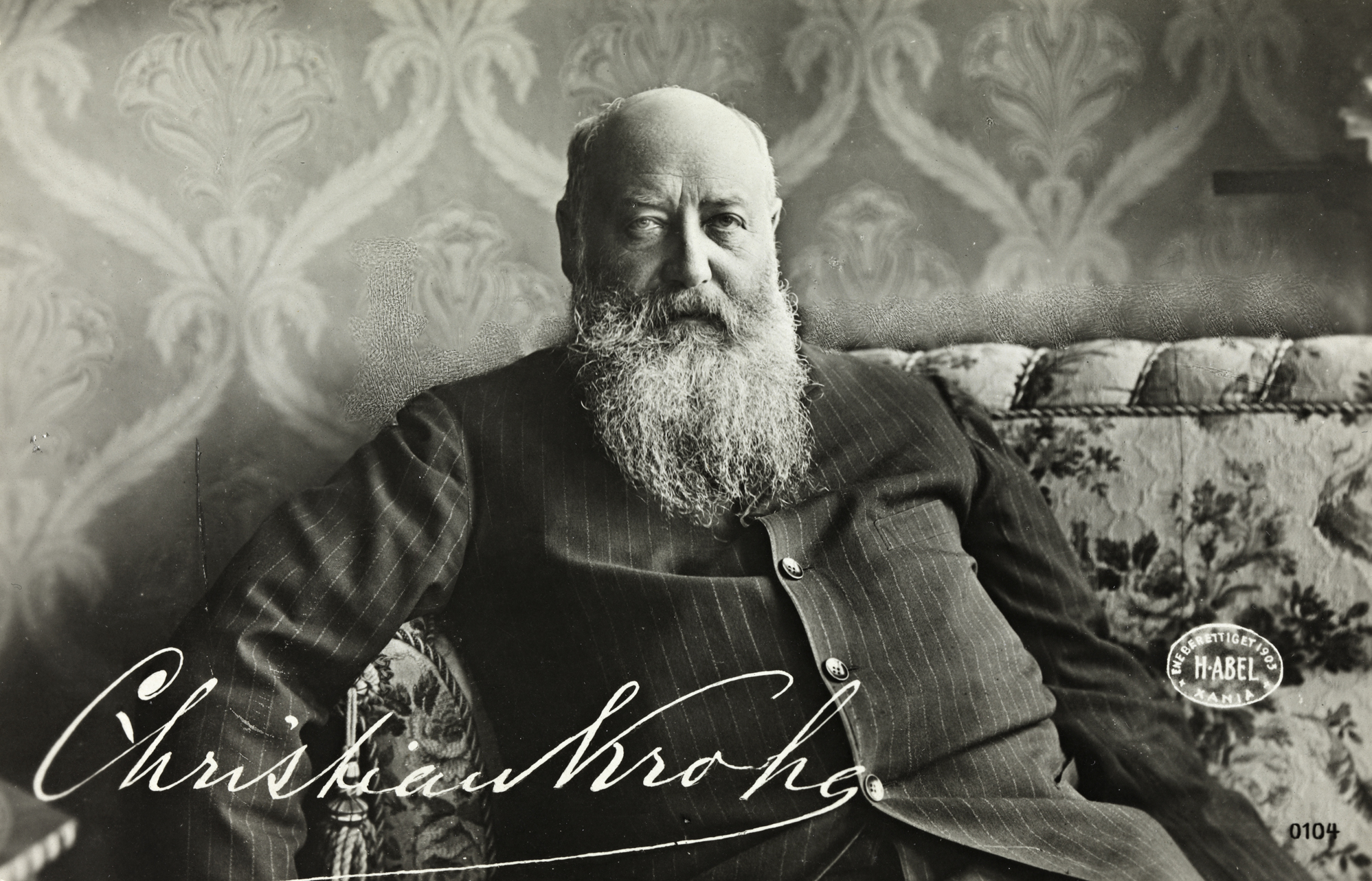
Christian Krohg
 (Christian Krohg)
Prominent Norwegian naturalist painter, social critic, and novelist who championed social justice in works like Albertine i politilægens venteværelse and Leiv Eiriksson oppdager Amerika.
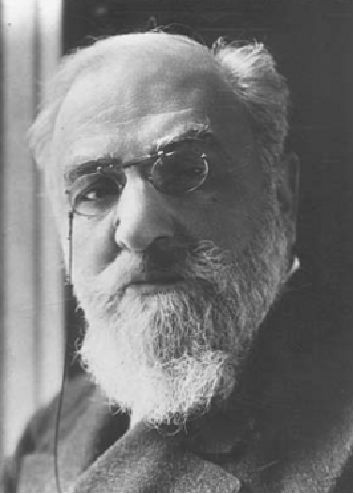
Léon Victor Auguste Bourgeois
(Léon Victor Auguste Bourgeois)
Léon Bourgeois was a French statesman, philosopher, and Prime Minister of France (1895–1896) whose social philosophy of 'Solidarism' provided the intellectual blueprint for the League of Nations. Known as the spiritual father of the League, he served as the first President of the Council of the League of Nations in 1920 and was awarded the 1920 Nobel Peace Prize.
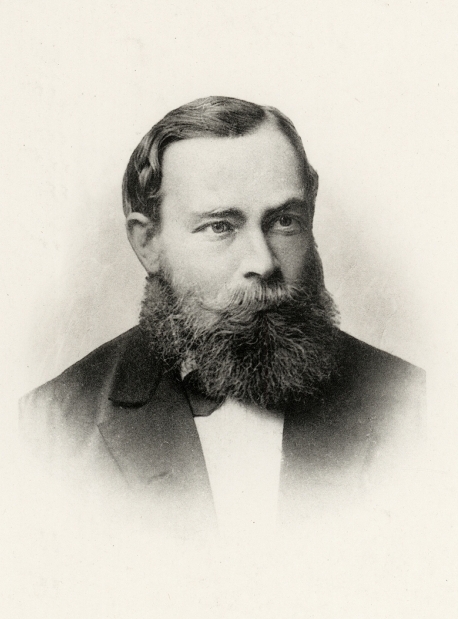
Gottlob Frege
 (Friedrich Ludwig Gottlob Frege)
German mathematician, logician, and philosopher universally celebrated as the father of modern logic and analytic philosophy, who invented predicate calculus and distinguished Sense and Reference.
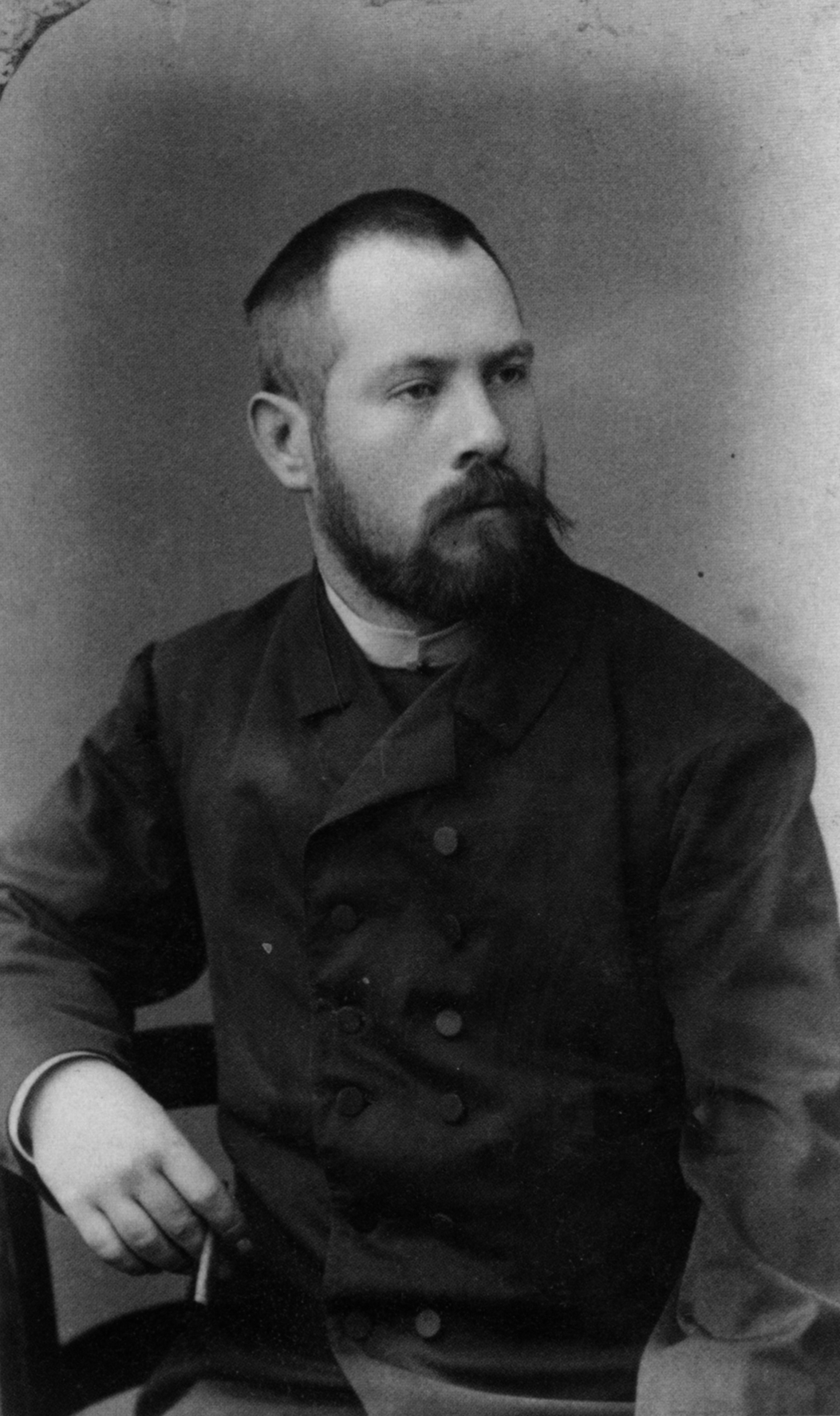
Lovis Corinth
 (Lovis Corinth)
German master painter and president of the Berlin Secession whose style dramatically evolved from robust naturalism into feverish, tragic late Expressionist masterpieces.
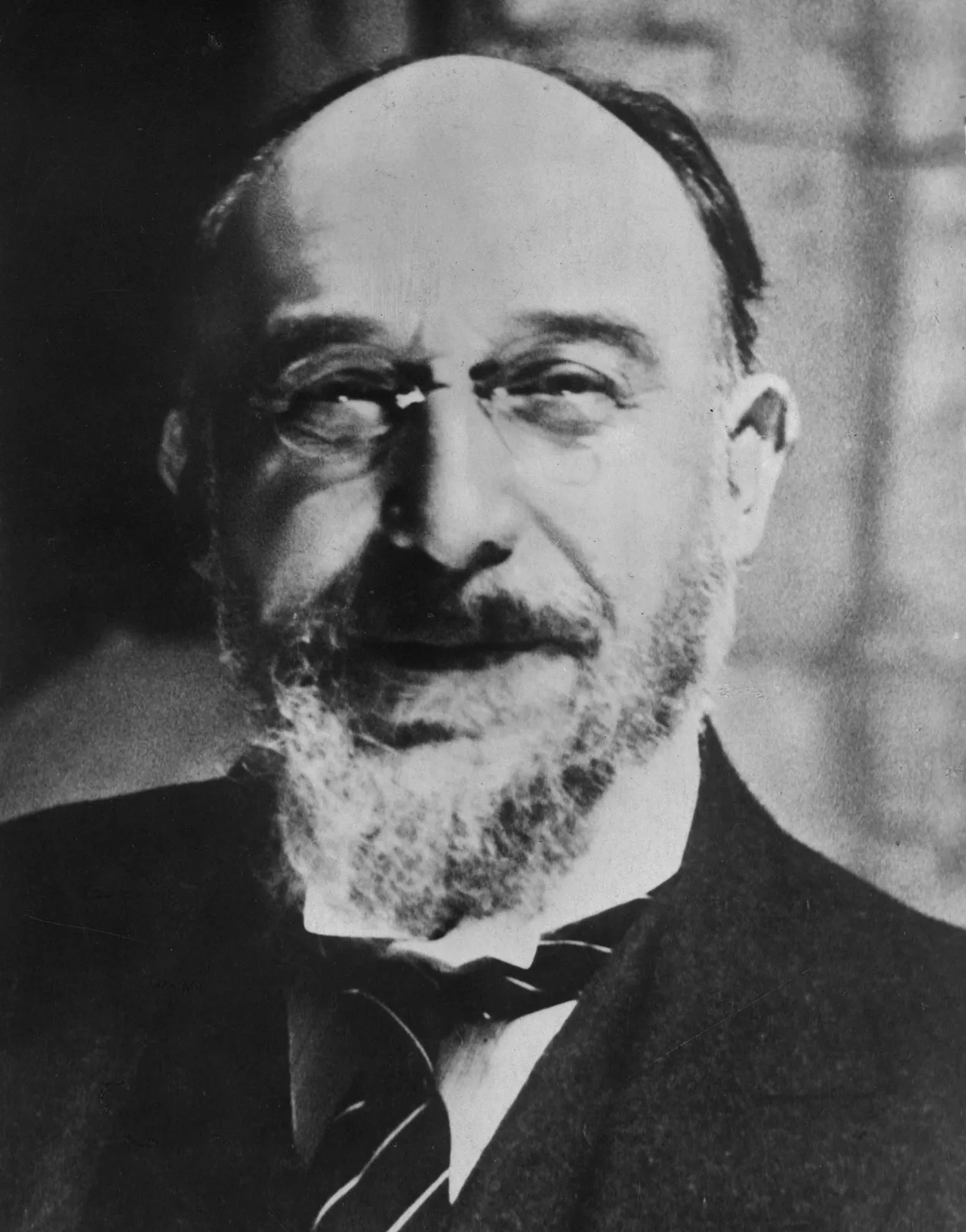
Erik Satie
(Éric Alfred Leslie Satie)
Eccentric French avant-garde composer and pianist whose Gymnopédies and Furniture Music anticipated minimalism and ambient sound.
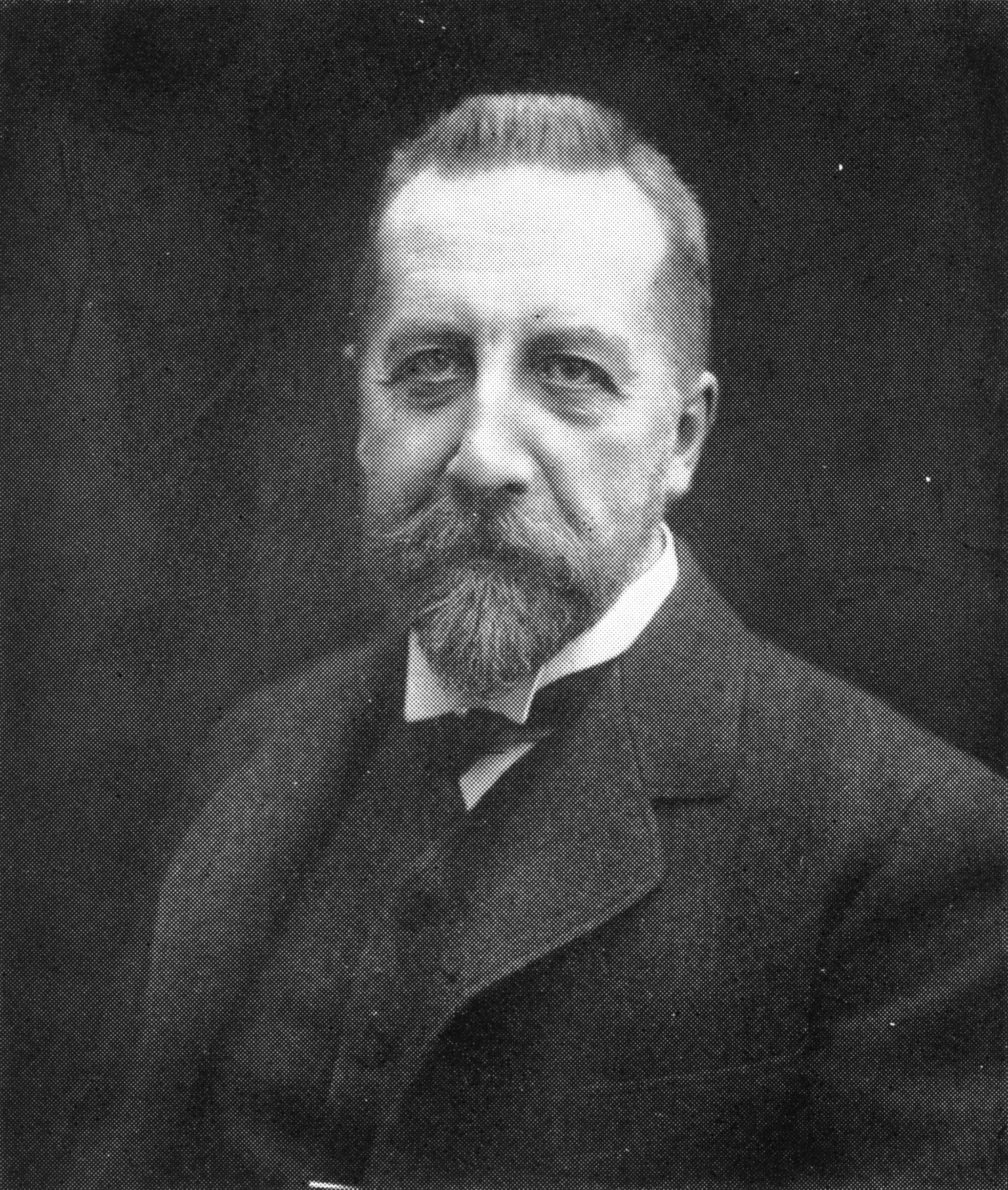
Christian Michelsen
(Peter Christian Hersleb Kjerschow Michelsen)
Visionary Norwegian statesman and shipping magnate who served as Prime Minister in 1905, masterminding the peaceful dissolution of the 91-year union with Sweden.
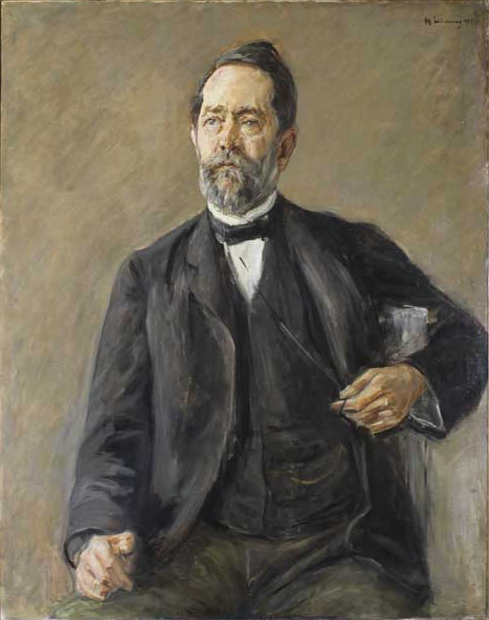
Felix Klein
(Christian Felix Klein)
German mathematician who unified geometry through group theory in his Erlangen Program and discovered the non-orientable one-sided closed surface known as the Klein bottle.
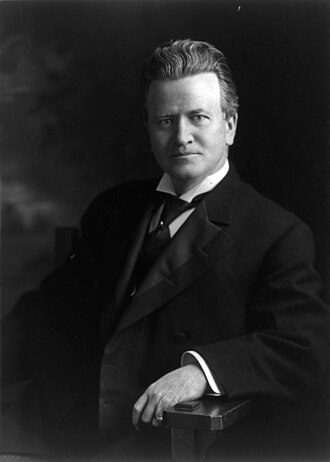
Robert M. La Follette Sr.
 (Robert Marion La Follette Sr.)
Leader of the Progressive Movement known as 'Fighting Bob', Governor and Senator from Wisconsin who pioneered direct primary elections and workers' compensation.
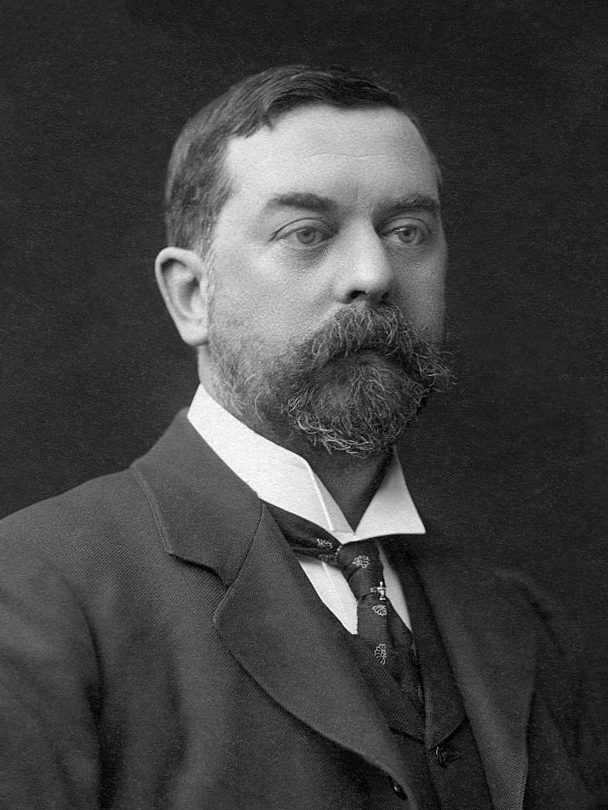
John Singer Sargent
(John Singer Sargent)
Foremost portrait painter of his generation, celebrated for dazzling bravura brushwork and the controversial Portrait of Madame X.