 Kingdom of Lombardy-Venetia (Italy)
•
3,281 views
Kingdom of Lombardy-Venetia (Italy)
•
3,281 views
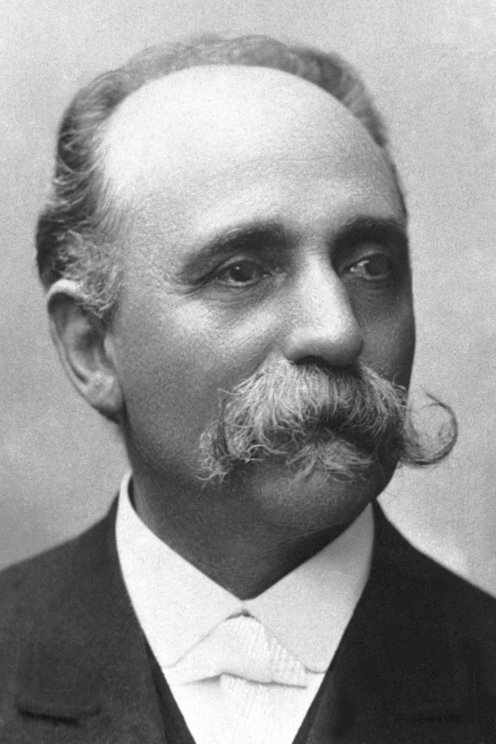
Camillo Golgi

Corteno Golgi, Brescia, Kingdom of Lombardy-Venetia (Italy)
Archival Overview
Italian cytologist and Nobel laureate who discovered the Golgi apparatus in cells and invented the silver nitrate staining method for neurons.
Biographical Record
Camillo Golgi was an Italian biologist, pathologist, and cytologist whose revolutionary histological staining techniques unveiled the intricate microscopic architecture of the nervous system and eukaryotic cells. While working in meager conditions as chief physician at the Hospital for the Chronically Ill in Abbiategrasso, Golgi transformed the hospital kitchen into a histology laboratory.
In 1873, Golgi invented the black reaction (reazione nera)—a staining method based on potassium dichromate and silver nitrate that randomly impregnated isolated neurons in their entirety with black silver chromate, making individual dendrites, axons, and soma visible under a light microscope for the first time. In 1898, while examining owl Purkinje cells with his stain, he discovered a distinctive intracellular reticular network: the Golgi apparatus (Golgi complex), fundamental to cellular protein sorting and packaging. Golgi shared the 1906 Nobel Prize in Physiology or Medicine with Santiago Ramón y Cajal, and also elucidated the life cycle of the malaria parasite in red blood cells.
Key Life Milestones
Invention of the Black Reaction Stain
Developed the silver chromate staining technique that visualized individual brain neurons and synapses for the first time.
Discovery of the Golgi Apparatus
Identified the internal reticular apparatus in neuron cytoplasm, discovering the organelle now bearing his name.
Memorial Guestbook & Tributes
0 messages recordedLeave a Respectful Tribute
Final Resting Place
Perpetual MemorialPavia, Lombardy, Italy