 Netherlands
•
3,678 views
Netherlands
•
3,678 views
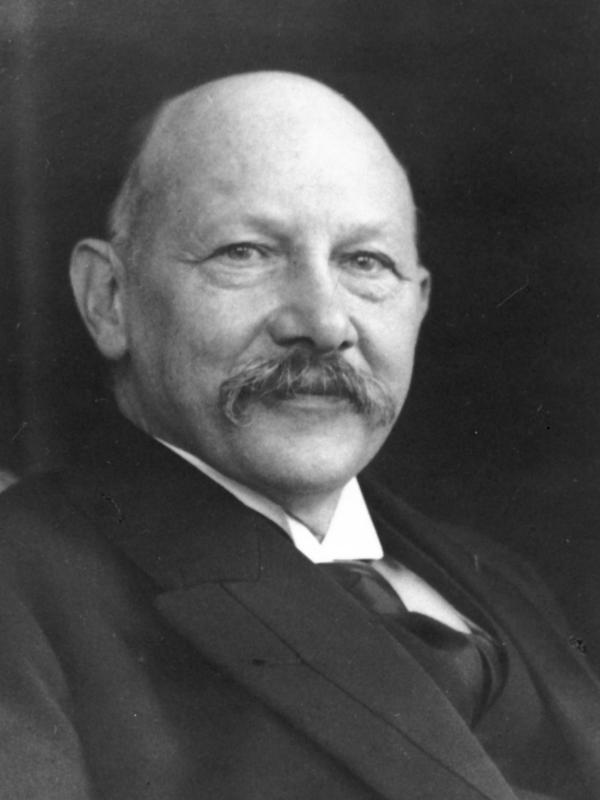
Heike Kamerlingh Onnes

Groningen, Netherlands
Archival Overview
Dutch low-temperature pioneer who liquefied helium and discovered superconductivity.
Biographical Record
Heike Kamerlingh Onnes was a Dutch physicist and cryogenic pioneer who transformed Leiden University into the low-temperature capital of the world—famously dubbed 'the coldest place on Earth'. Guided by his personal motto Door meten tot weten ('Through measurement to knowledge'), Onnes constructed unprecedented industrial-scale refrigeration and liquefaction equipment in his laboratory.
On July 10, 1908, after an exhaustive twenty-hour campaign utilizing the Joule-Thomson effect, Onnes achieved what James Dewar and others could not: he liquefied helium, cooling it to 4.2 kelvins (minus 269 degrees Celsius). Three years later, on April 8, 1911, while measuring the electrical resistance of solid mercury bathed in liquid helium, he observed that resistance suddenly dropped abruptly to zero at 4.19 K. He had discovered superconductivity, the miraculous quantum phenomenon where electric currents flow perpetually without loss of energy. Onnes was awarded the 1913 Nobel Prize in Physics for his low-temperature investigations.
Key Life Milestones
Liquefaction of Helium
Became the first scientist to liquefy helium, reaching the unprecedented temperature of 4.2 kelvins.
Discovery of Superconductivity
Observed the complete vanishing of electrical resistance in mercury at liquid helium temperatures.
Memorial Guestbook & Tributes
0 messages recordedLeave a Respectful Tribute
Final Resting Place
Perpetual MemorialVoorschoten, South Holland, Netherlands