Public Figures & Cultural Luminaries
Filterable archive covering centuries of intellectual, artistic, and moral contributions to the human story.
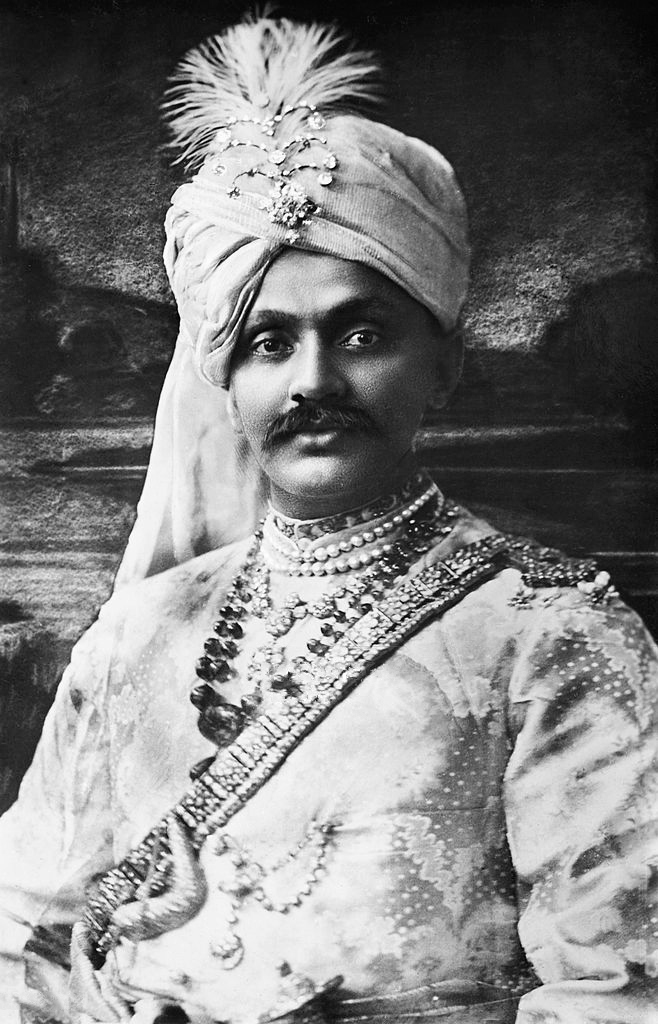
Sir Ranjitsinhji Vibhaji II
 (રણજીતસિંહજી વિભાજી જાડેજા)
Indian ruler, Maharaja Jam Sahib of Nawanagar, and pioneering cricketer who played for England, inventor of the leg glance stroke; namesake of the Ranji Trophy.
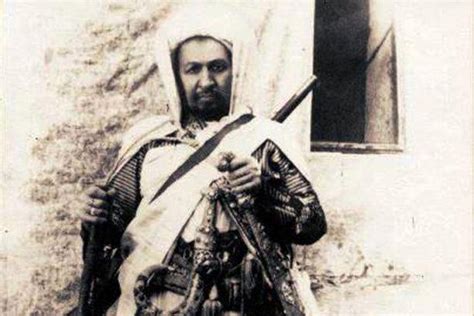
Ahmad Sharif al-Senussi
 (أحمد الشريف السنوسي)
Supreme leader of the Senussi order from 1902 to 1918 who mobilized the Bedouin tribes of Cyrenaica and the Sahara in armed resistance against the Italian colonial invasion in 1911.
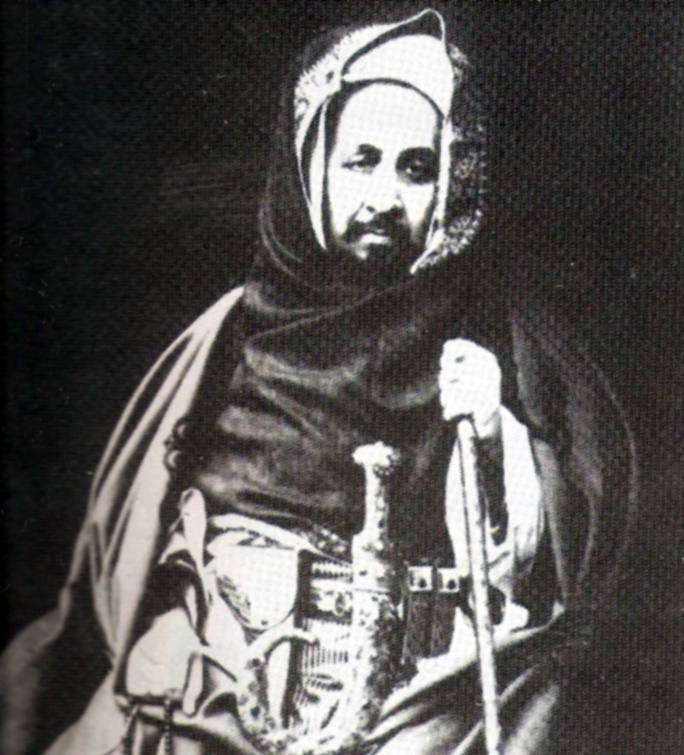
Ahmad al-Sharif al-Senussi
(أحمد الشريف السنوسي)
Third supreme leader of the Senussi Sufi order who commanded broad North African and Saharan military resistance against French, British, and Italian colonial invasions.
Kamil al-Ghazzi
 (كامل الغزي)
Preeminent modern historian of Aleppo whose three-volume 'Nahr al-Dhahab fi Tarikh Halab' documented the city's heritage.
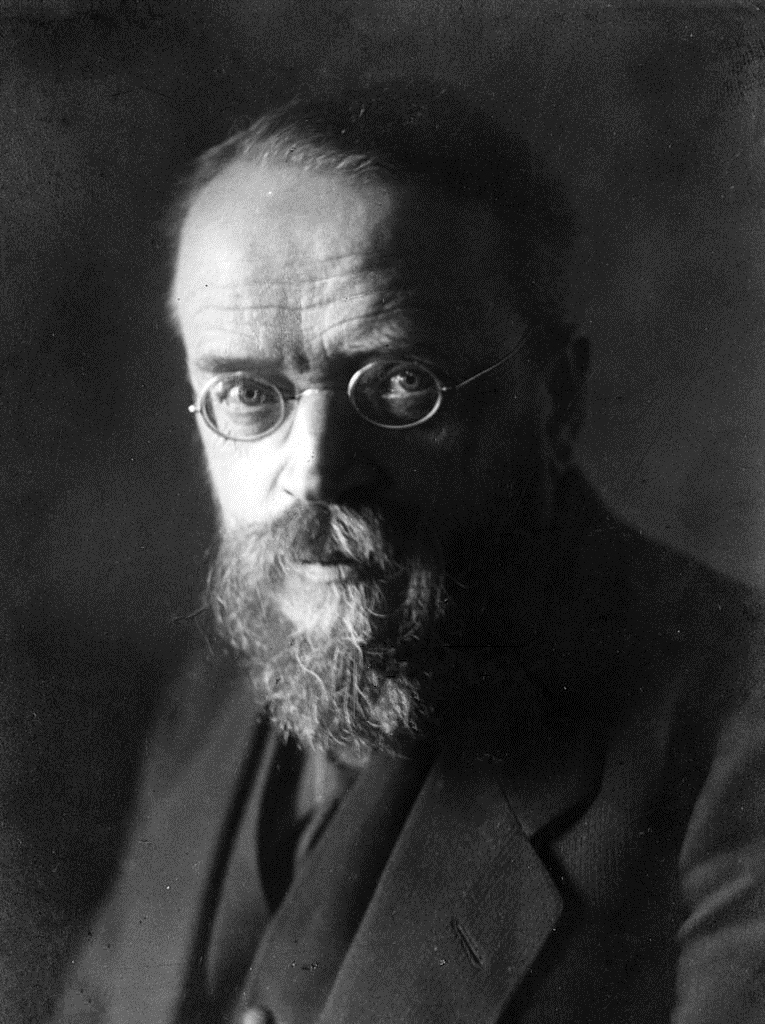
Carl Correns
 (Carl Erich Correns)
German botanist and geneticist who independently rediscovered Mendel's laws of heredity in 1900, discovered non-Mendelian cytoplasmic (maternal) inheritance, and served as the first director of the Kaiser Wilhelm Institute for Biology.
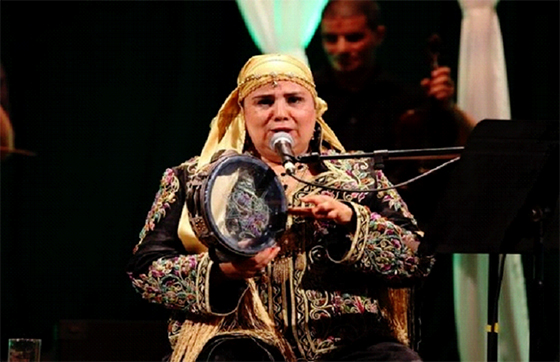
Maâlma Yamna
 (المعلمة يمنة بنت الحاج المحفوظ)
Pioneering matriarch of female professional musicians (Mesemaat) in Algiers, who in the early 1900s became one of the first Algerian artists to record on Gramophone discs.
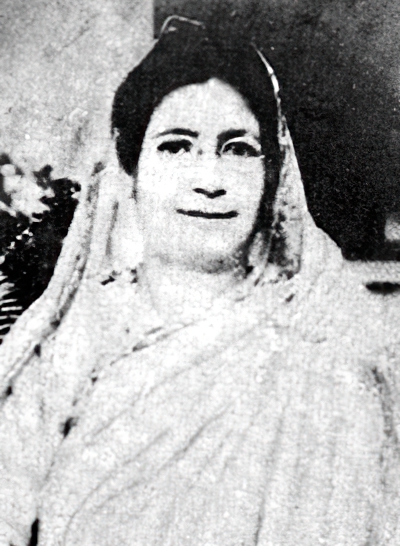
Begum Rokeya
 (রোকেয়া সাখাওয়াত হোসেন)
Foremost Bengali feminist thinker, educator, and social reformer whose visionary 1905 feminist utopian novella 'Sultana's Dream' and tireless girls' schools pioneered women's liberation in South Asia.
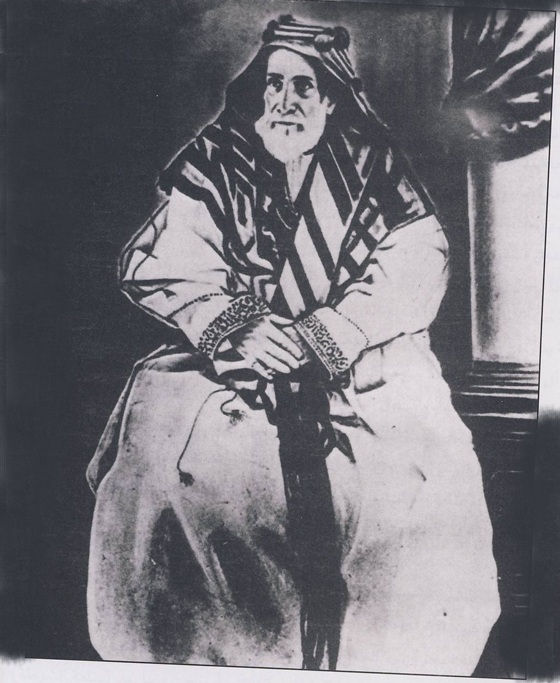
Isa bin Ali Al Khalifa
 (عيسى بن علي آل خليفة)
Longest-reigning sovereign of Bahrain who ruled for sixty-three years (1869–1932), unifying the island nation, establishing modern municipal governance, and opening the first modern school in 1919.
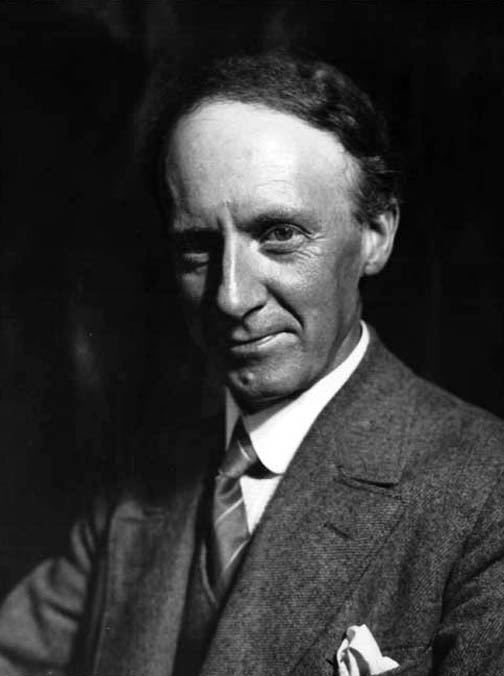
J. E. H. MacDonald
 (James Edward Hervey MacDonald)
Founding member and elder statesman of the Group of Seven, whose radiant autumn landscape The Solemn Land captured the spiritual majesty of Algoma, and who served as Principal of OCA.
Joseph Babinski
 (Joseph François Félix Babinski)
French neurologist of Polish descent who was Jean-Martin Charcot's favorite disciple, chief physician at the Hôpital de la Pitié, and discoverer of the diagnostic Babinski reflex indicating corticospinal tract disease.
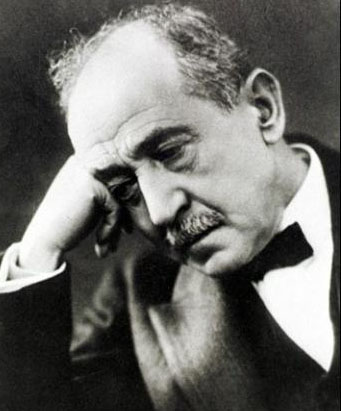
Ahmed Shawqi
 (أحمد شوقي)
Egyptian literary titan crowned by delegations from across the Arab world as 'Amir al-Shu'ara' (The Prince of Poets) in 1927, who revived classical Arabic poetic eloquence and pioneered verse drama.
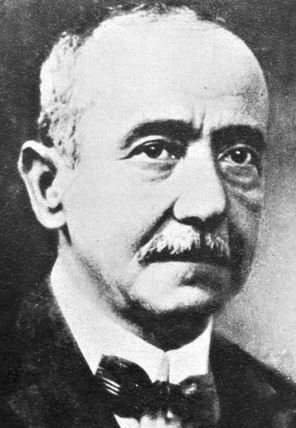
Ahmad Shawqi
(أحمد شوقي (أمير الشعراء))
Venerated across the Arab world as 'Amir al-Shu'ara' (The Prince of Poets), who spearheaded the neoclassical Arabic literary renaissance (Al-Nahda) and pioneered Arabic poetic drama in Cleopatra and Majnun Layla.
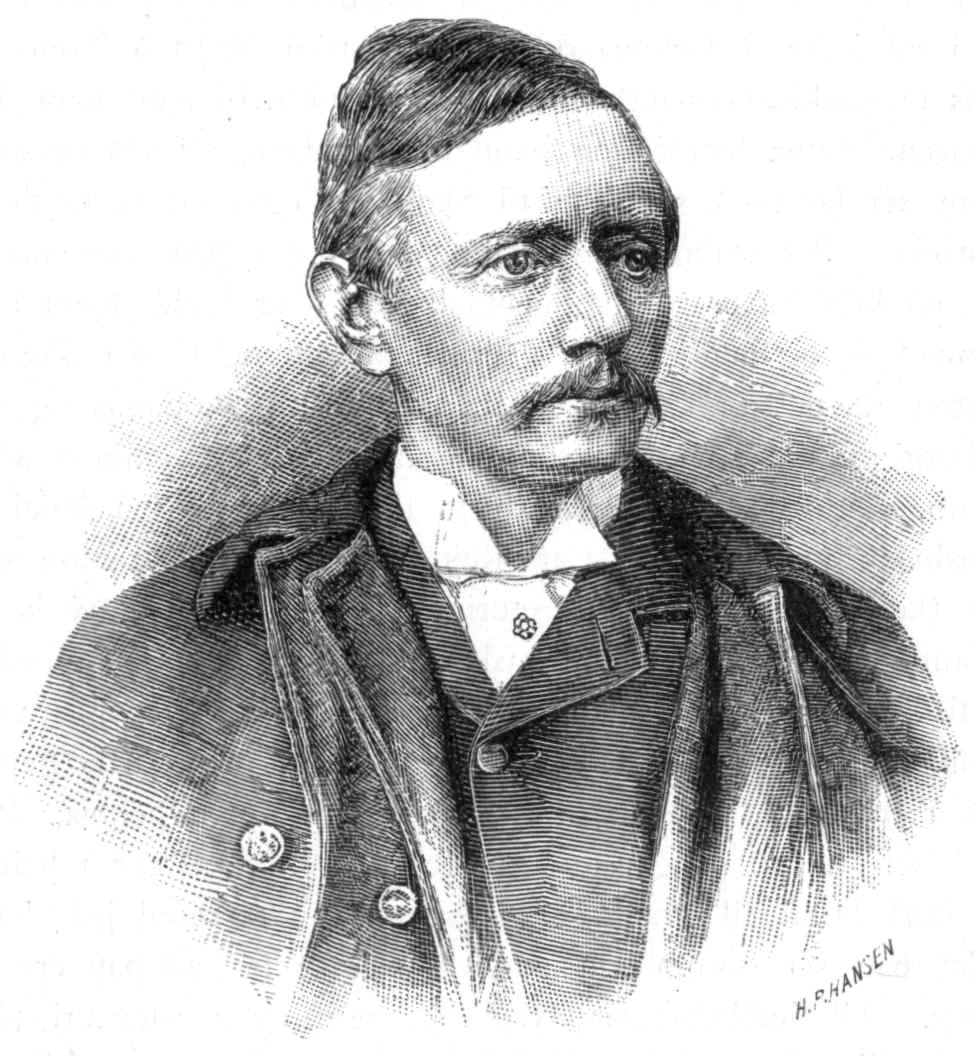
Sveinbjörn Sveinbjörnsson
 (Sveinbjörn Sveinbjörnsson)
Pioneering Icelandic composer and pianist who set Matthías Jochumsson's psalm 'Ó, guð vors lands' to music in Edinburgh in 1874, creating Iceland's national anthem (Lofsöngur).
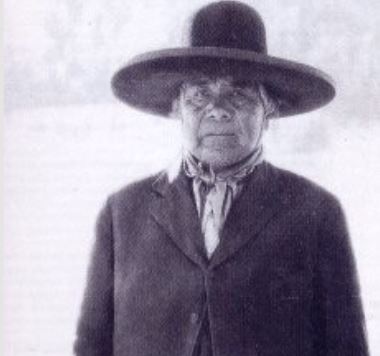
Wovoka (Jack Wilson the Paiute Prophet)
 (Wovoka (The Wood Cutter))
Northern Paiute spiritual prophet who experienced a celestial vision during the total solar eclipse of New Year's Day 1889. Preached the Ghost Dance religion of universal love, non-violence, and spiritual reunion.
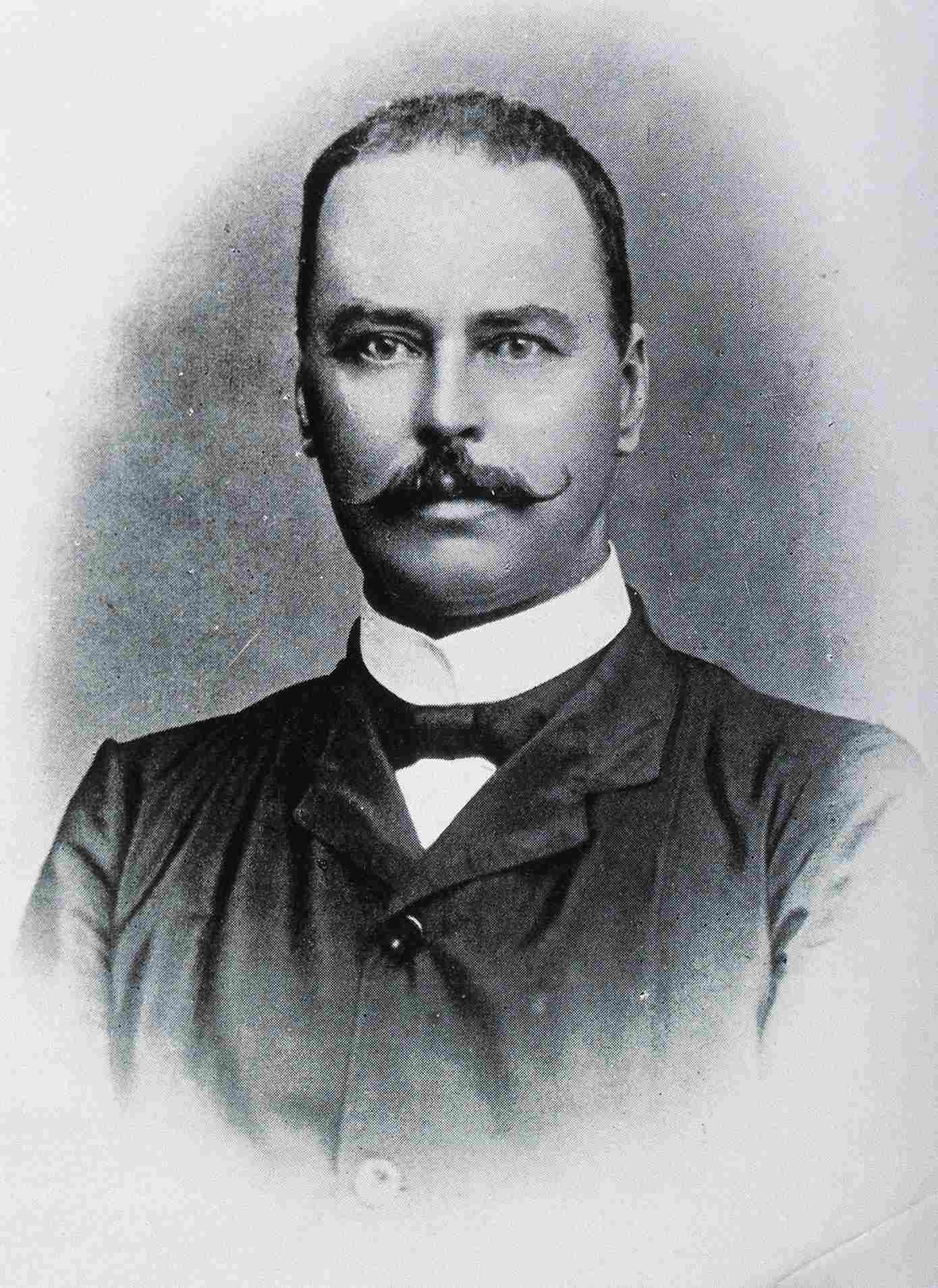
Ronald Ross
(Sir Ronald Ross)
British physician who proved that malaria parasites are transmitted by mosquitoes, becoming the first British Nobel laureate in 1902.
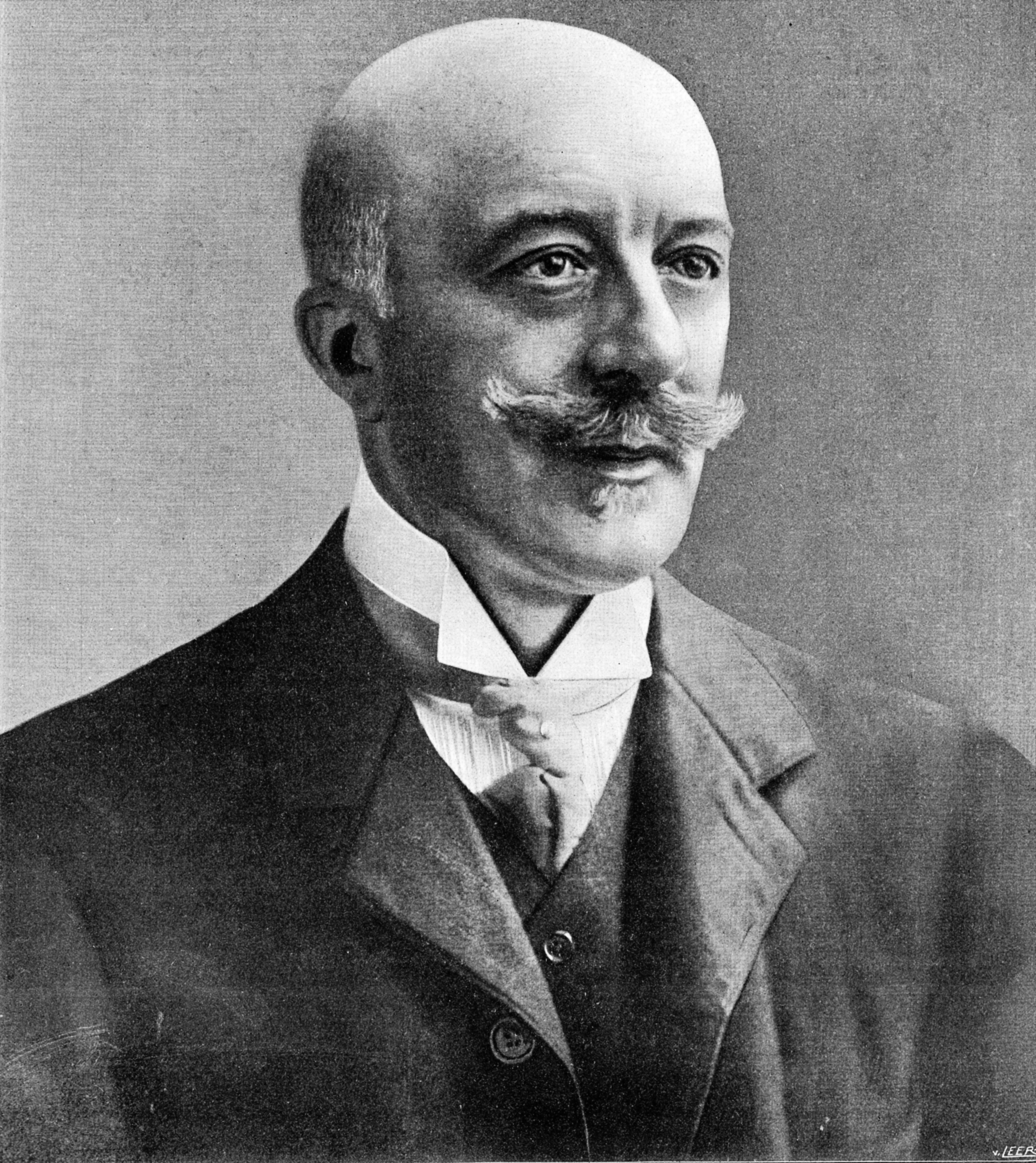
Cyriel Buysse
 (Cyriel Buysse)
Pioneering Flemish naturalist author whose uncompromising novel Het recht van den sterkste and classic social drama Het gezin van Paemel exposed the harsh poverty and class exploitation of rural Flanders.
Reginald Fessenden
 (Reginald Fessenden)
Genius Canadian inventor who patented amplitude modulation (AM) and broadcast the world's first audio voice and music program by radio on Christmas Eve 1906.
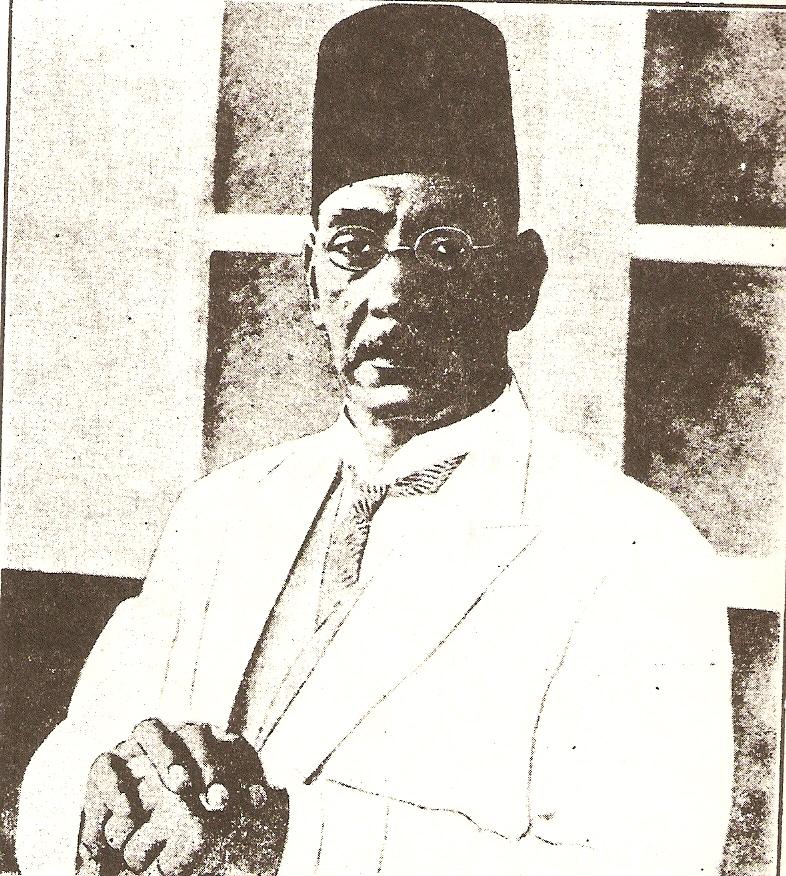
Hafez Ibrahim
(حافظ إبراهيم)
Beloved Egyptian national poet known as 'The Poet of the Nile', whose resonant verses championed the Egyptian peasant, celebrated the Arabic language, and mourned the victims of the Denshawai massacre.