 British India (India)
•
3,413 views
British India (India)
•
3,413 views
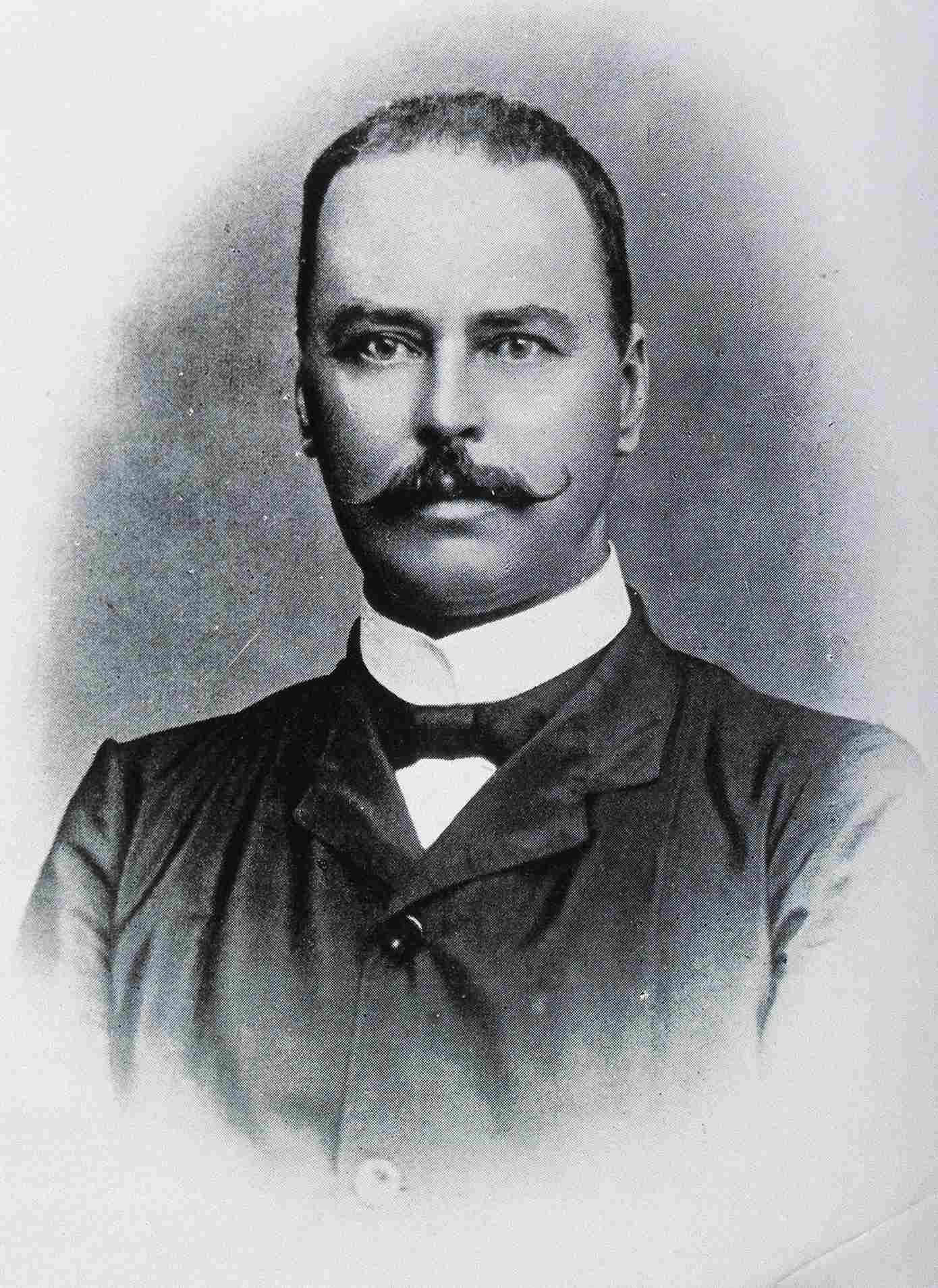
Ronald Ross

Almora, Kumaon, British India (India)
Archival Overview
British physician who proved that malaria parasites are transmitted by mosquitoes, becoming the first British Nobel laureate in 1902.
Biographical Record
Sir Ronald Ross was a British physician, parasitologist, mathematician, and poet whose monumental discovery in India solved one of antiquity's greatest medical mysteries. Born in the Himalayan foothills, Ross joined the Indian Medical Service in 1881. In 1894, while on leave in London, he met Patrick Manson, who suggested that mosquitoes might transmit the malaria parasite.
Returning to India, Ross spent years in stifling heat dissecting thousands of mosquitoes under a microscope in Secunderabad and Calcutta. On August 20, 1897—a date he celebrated forever as 'Mosquito Day'—Ross dissected an Anopheles mosquito that had fed on a malaria-infected patient and observed pigmented oocysts of the Plasmodium parasite embedded in the insect's stomach wall. He went on to trace the complete life cycle of the malaria parasite into the salivary glands of mosquitoes, proving conclusively that mosquitoes transmit malaria through their bites. For this epochal breakthrough, Ross became the first British citizen to receive the Nobel Prize, honored in Physiology or Medicine in 1902.
Key Life Milestones
Discovery of the Malaria Vector
Identified Plasmodium parasite oocysts in Anopheles mosquitoes in Secunderabad, proving mosquitoes transmit malaria.
First British Nobel Prize
Awarded the Nobel Prize in Physiology or Medicine for his work on malaria, by which he showed how it enters the organism.
Memorial Guestbook & Tributes
0 messages recordedLeave a Respectful Tribute
Final Resting Place
Perpetual MemorialWandsworth, London, United Kingdom