 Egypt
•
8 views
Egypt
•
8 views
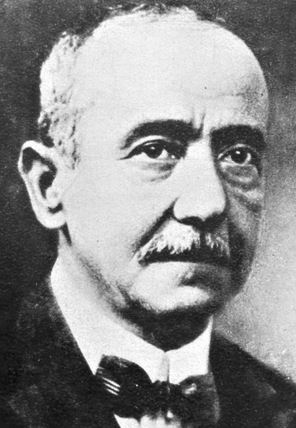
Ahmad Shawqi

Cairo, Egypt
Archival Overview
Venerated across the Arab world as 'Amir al-Shu'ara' (The Prince of Poets), who spearheaded the neoclassical Arabic literary renaissance (Al-Nahda) and pioneered Arabic poetic drama in Cleopatra and Majnun Layla.
Biographical Record
Ahmad Shawqi (1868–1932), born in Cairo of mixed Circassian, Kurdish, and Greek descent, studied law and French literature at the Sorbonne. Appointed court poet to Khedive Abbas II, his exile to Andalusia during World War I deepened his poetic voice, inspiring melancholy elegies on Islamic civilization and the Alhambra.
Returning to Cairo, Shawqi became the undisputed national voice of Egypt and the wider Arab world. In 1927, at an unprecedented gathering of Arab literary delegations in Cairo, he was officially crowned Amir al-Shu'ara (Prince of Poets). Shawqi pioneered verse drama in Arabic, penning classics such as Masra' Kliyubatra (The Death of Cleopatra) and Majnun Layla, while composing beloved children's fables and national patriotic hymns.
Key Life Milestones
Coronation as 'Amir al-Shu'ara' (Prince of Poets)
Formally crowned Prince of Poets by delegations from across the entire Arab world at the Cairo Opera House.
Premiere of Masra' Kliyubatra and Majnun Layla
Founded modern Arabic poetic theatre with his verse dramas on Cleopatra and the legendary desert romance of Layla.
Memorial Guestbook & Tributes
0 messages recordedLeave a Respectful Tribute
Final Resting Place
Perpetual MemorialGiza (Cairo), Egypt