Public Figures & Cultural Luminaries
Filterable archive covering centuries of intellectual, artistic, and moral contributions to the human story.
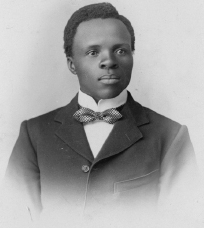
Sol Plaatje
 (Solomon Tshekisho Plaatje)
Brilliant intellectual, journalist, and first General Secretary of the South African Native National Congress (later ANC), whose book 'Native Life in South Africa' exposed land dispossession.
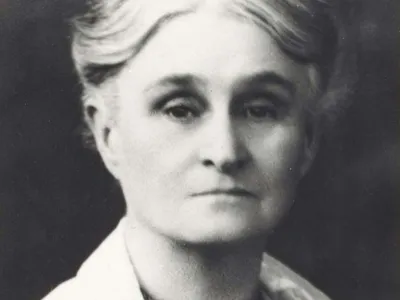
Edith Cowan
 (Edith Dircksey Cowan)
Trailblazing social reformer who made history in 1921 as the first woman elected to an Australian Parliament (Western Australia), featured on the Australian fifty-dollar banknote.
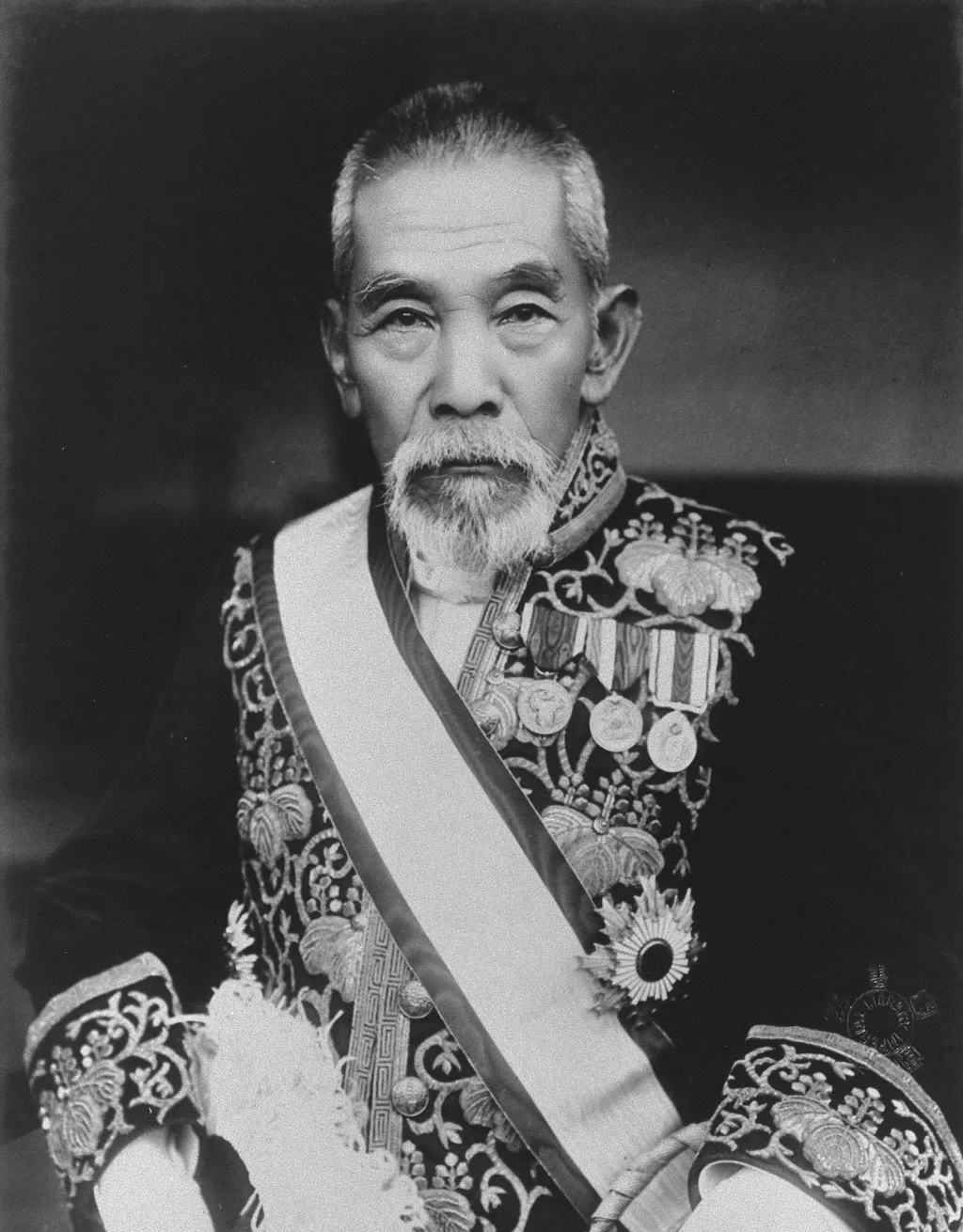
Inukai Tsuyoshi
 (犬養 毅)
Prime Minister of Japan and 'God of Constitutional Politics' whose murder by military extremists in the May 15 Incident ended pre-war Japanese party democracy.
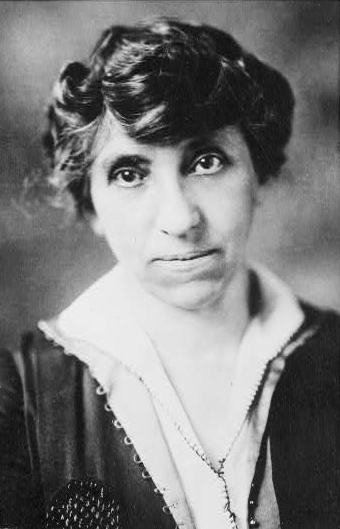
Julia Lathrop
 (Julia Clifford Lathrop)
Pioneering American social reformer who created the world's first juvenile court system in Chicago in 1899 and became the first woman to head a United States federal government agency as Chief of the US Children's Bureau.
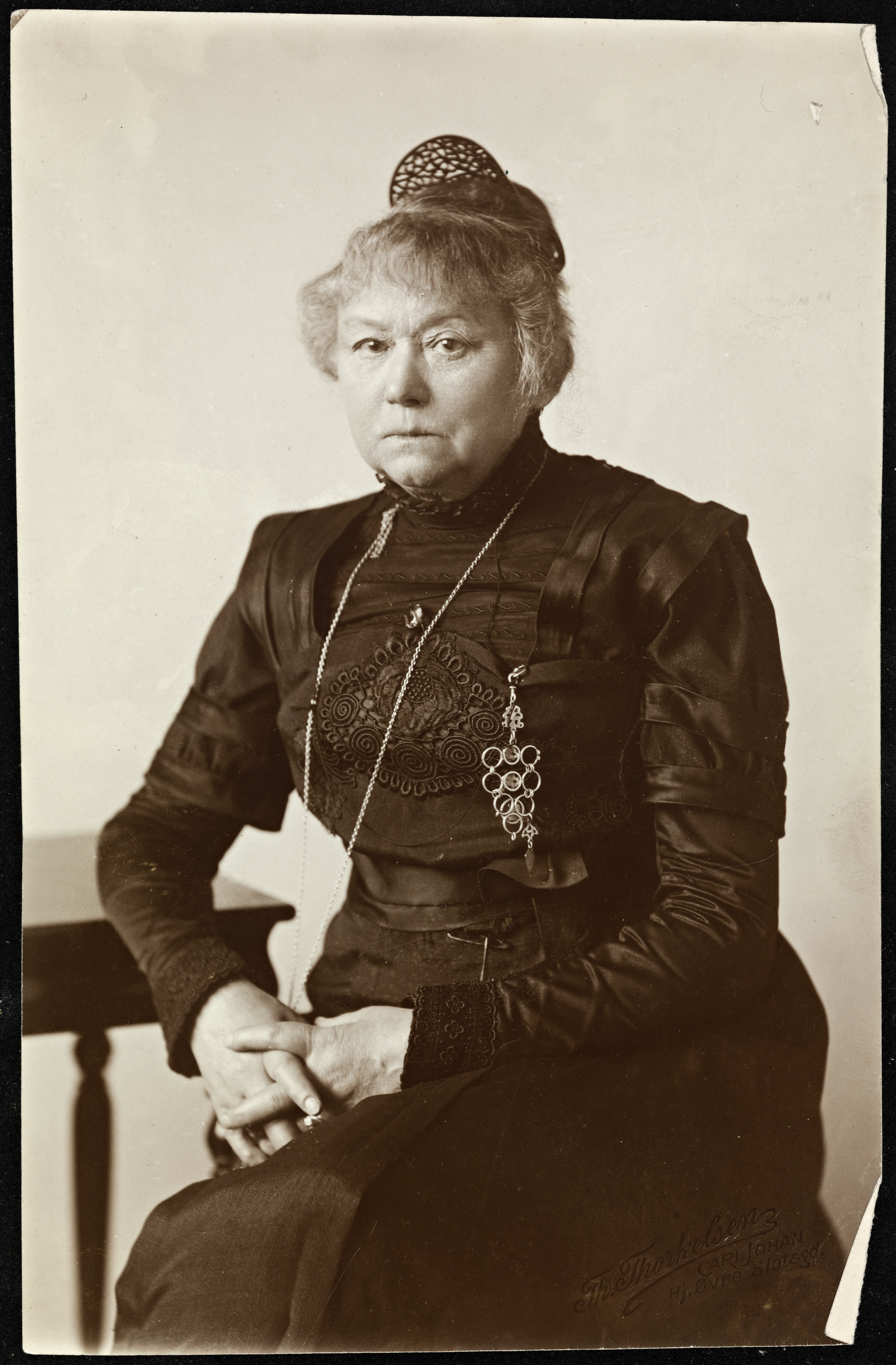
Harriet Backer
 (Harriet Backer)
Master Norwegian painter acclaimed across Europe for her virtuosic handling of interior daylight, color harmony, and atmospheric stillness in works like Blått interiør.
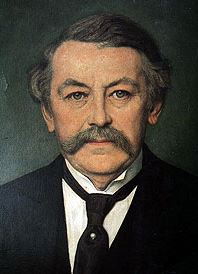
Aristide Briand
 (Aristide Briand)
Awarded the 1926 Nobel Peace Prize; pioneer of European reconciliation and the visionary proposal for a European federal union in 1929.
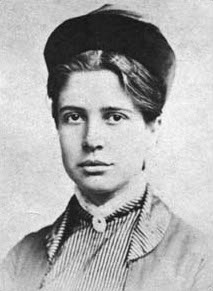
Florence Kelley
(Florence Kelley)
Tireless American labor and consumer reformer who lived at Hull House, served as Illinois' first female Chief Factory Inspector, founded the National Consumers League, and co-founded the NAACP in 1909.
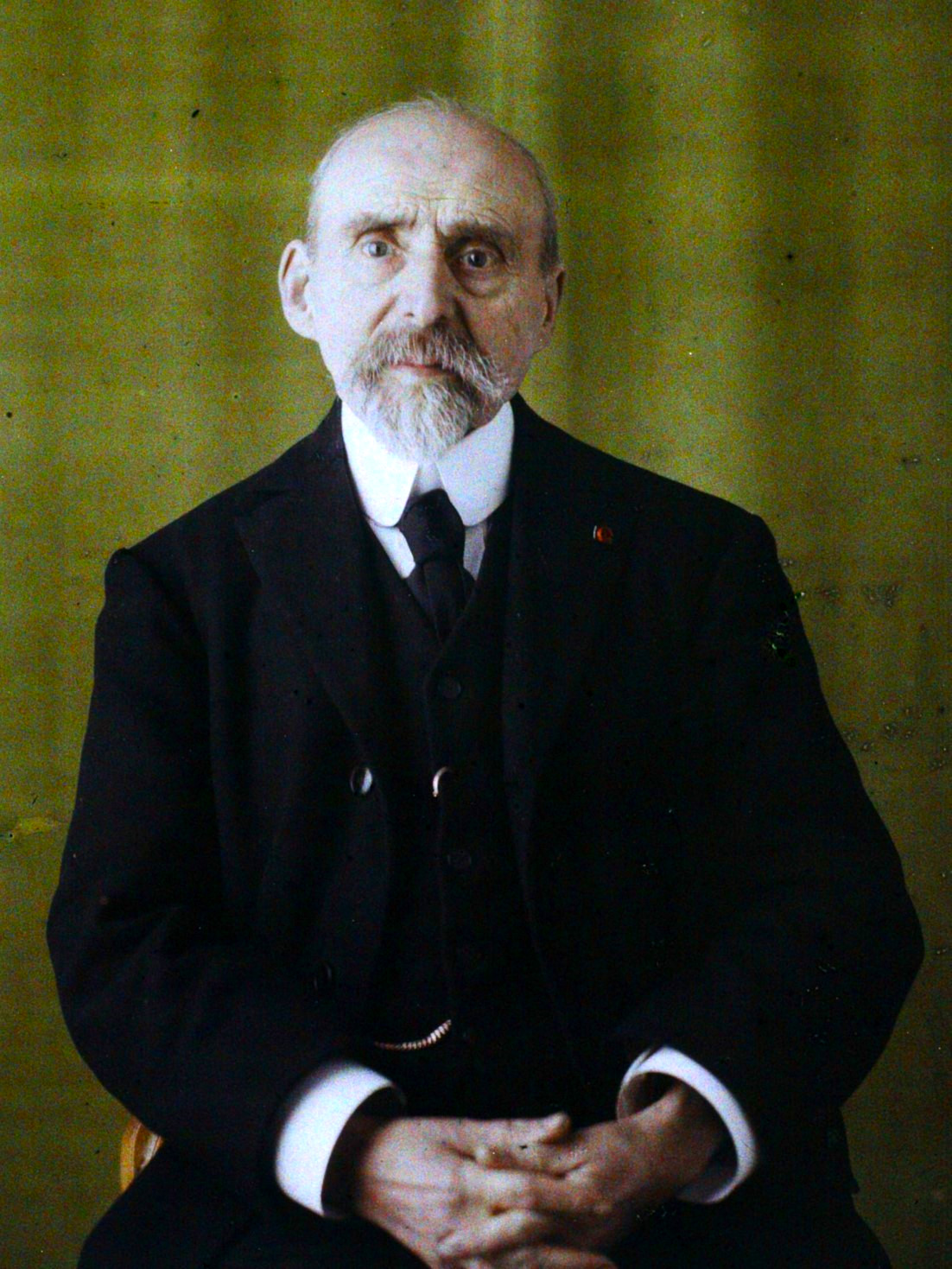
Ferdinand Édouard Buisson
(Ferdinand Édouard Buisson)
Ferdinand Buisson was a French academic, philosopher, and social reformer who co-founded the League of Human Rights (Ligue des droits de l'homme) and served as Jules Ferry's Director of Primary Education, creating France's free, mandatory, secular public school system (laïcité). A passionate advocate of Franco-German pacifist reconciliation, he shared the 1927 Nobel Peace Prize with Ludwig Quidde.
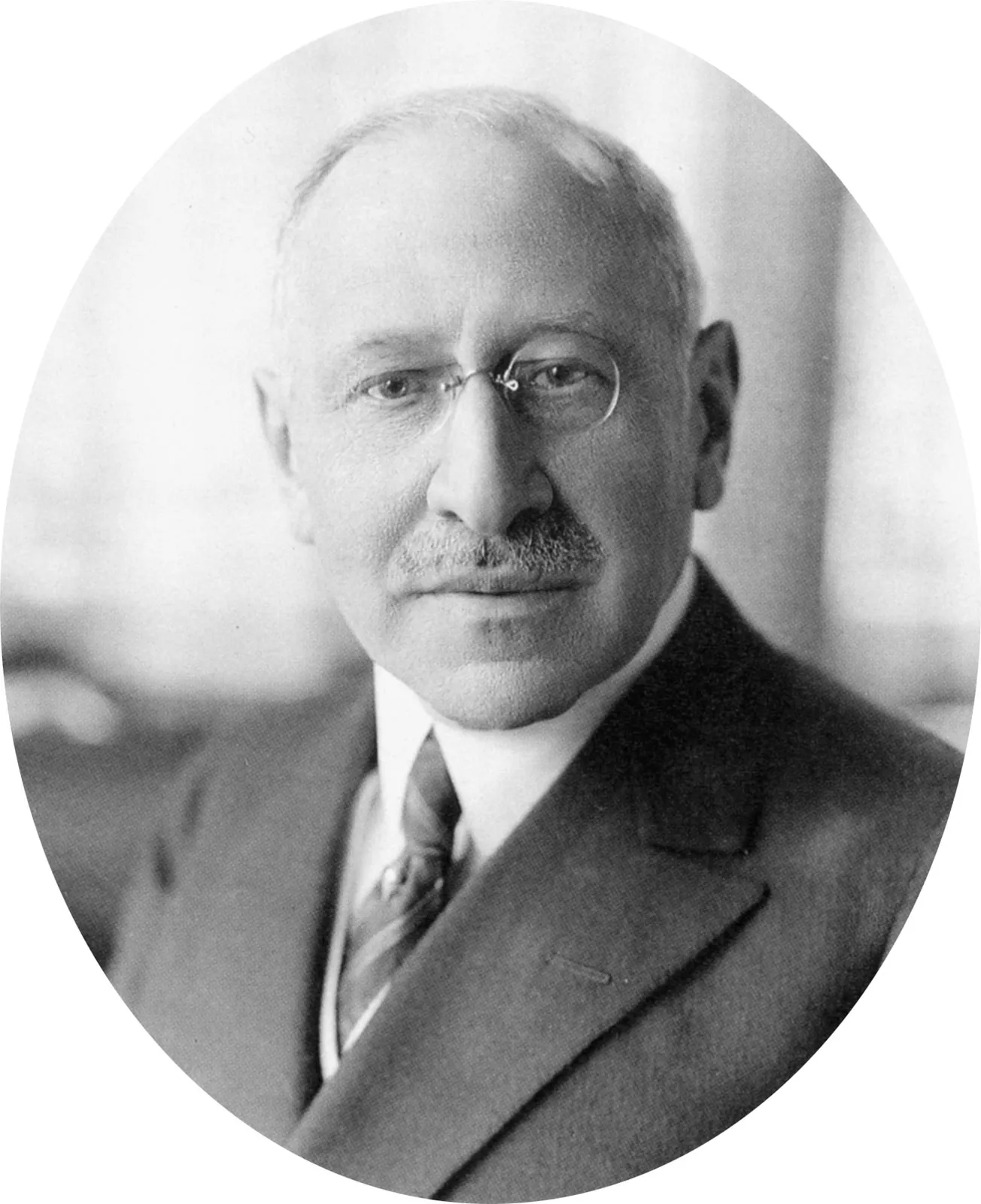
Julius Rosenwald
(Julius Rosenwald)
Président de Sears, Roebuck & Co. et philanthrope visionnaire, financeur avec Booker T. Washington de plus de 5 000 écoles pour les enfants afro-américains dans le Sud ségrégué.
Jalil Mammadguluzadeh
 (Cəlil Məmmədquluzadə)
Legendary satirist, publicist, and playwright who founded the revolutionary illustrated satirical journal 'Molla Nasreddin' in 1906, fighting religious superstition and advocating female liberation.
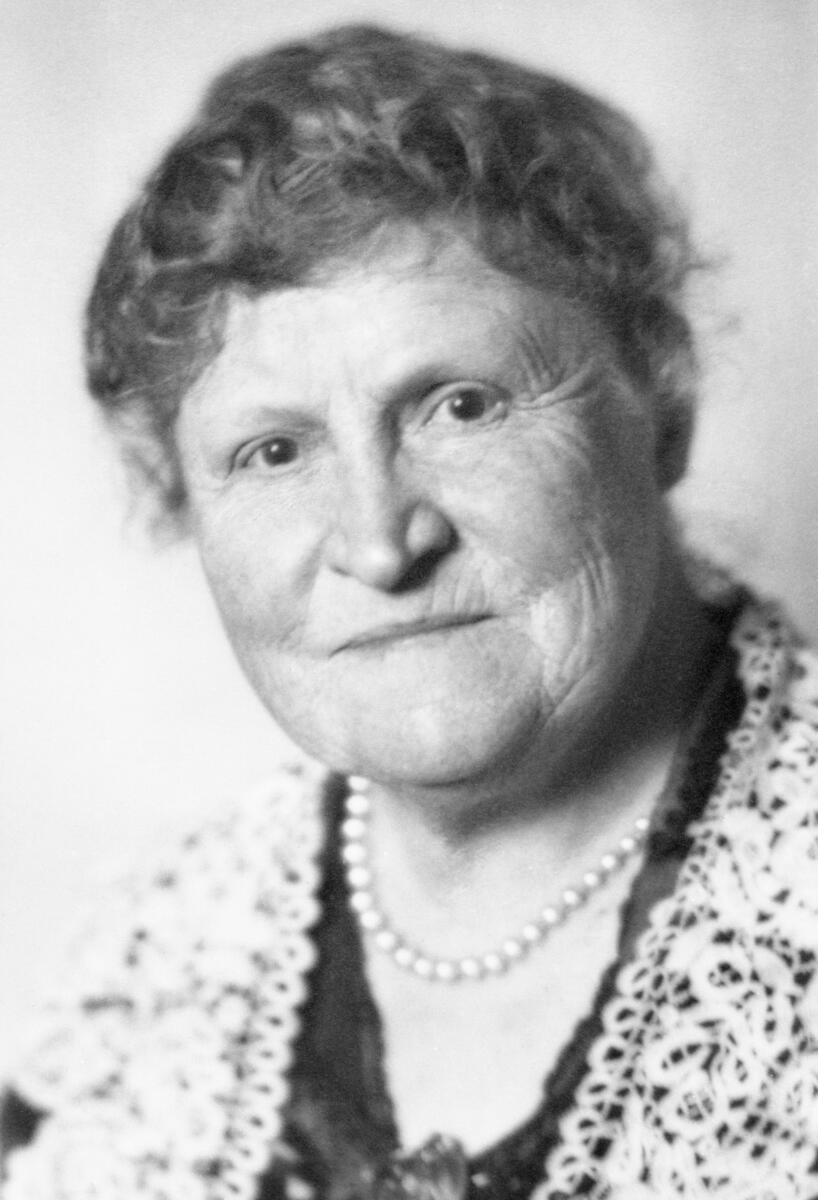
Henrietta Muir Edwards
 (Henrietta Louise Muir Edwards)
Eminent legal scholar and member of the Famous Five who published Canada's first working women's magazine, co-founded the Victorian Order of Nurses (VON), and compiled foundational legal handbooks on women's rights.
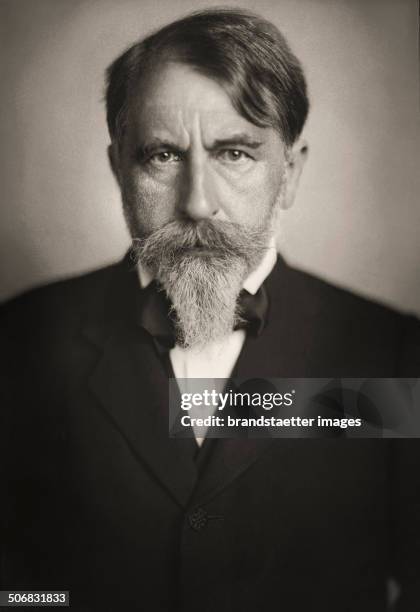
Arthur Schnitzler
 (Arthur Schnitzler)
Preeminent fin-de-siècle Viennese dramatist and physician admired by Sigmund Freud, whose daring psychological masterworks (such as 'Reigen' and 'Traumnovelle') exposed the hidden drives of the human psyche.
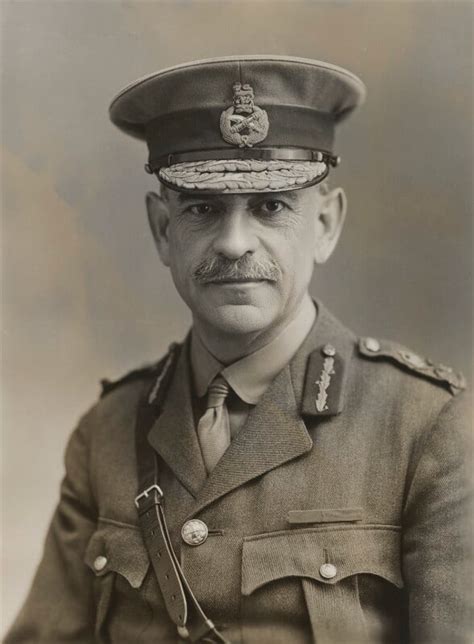
Sir John Monash
(Sir John Monash)
Renowned civil engineer and Lieutenant General regarded as one of the most brilliant military commanders of World War I, whose combined-arms tactics at the Battle of Hamel broke the Western Front.
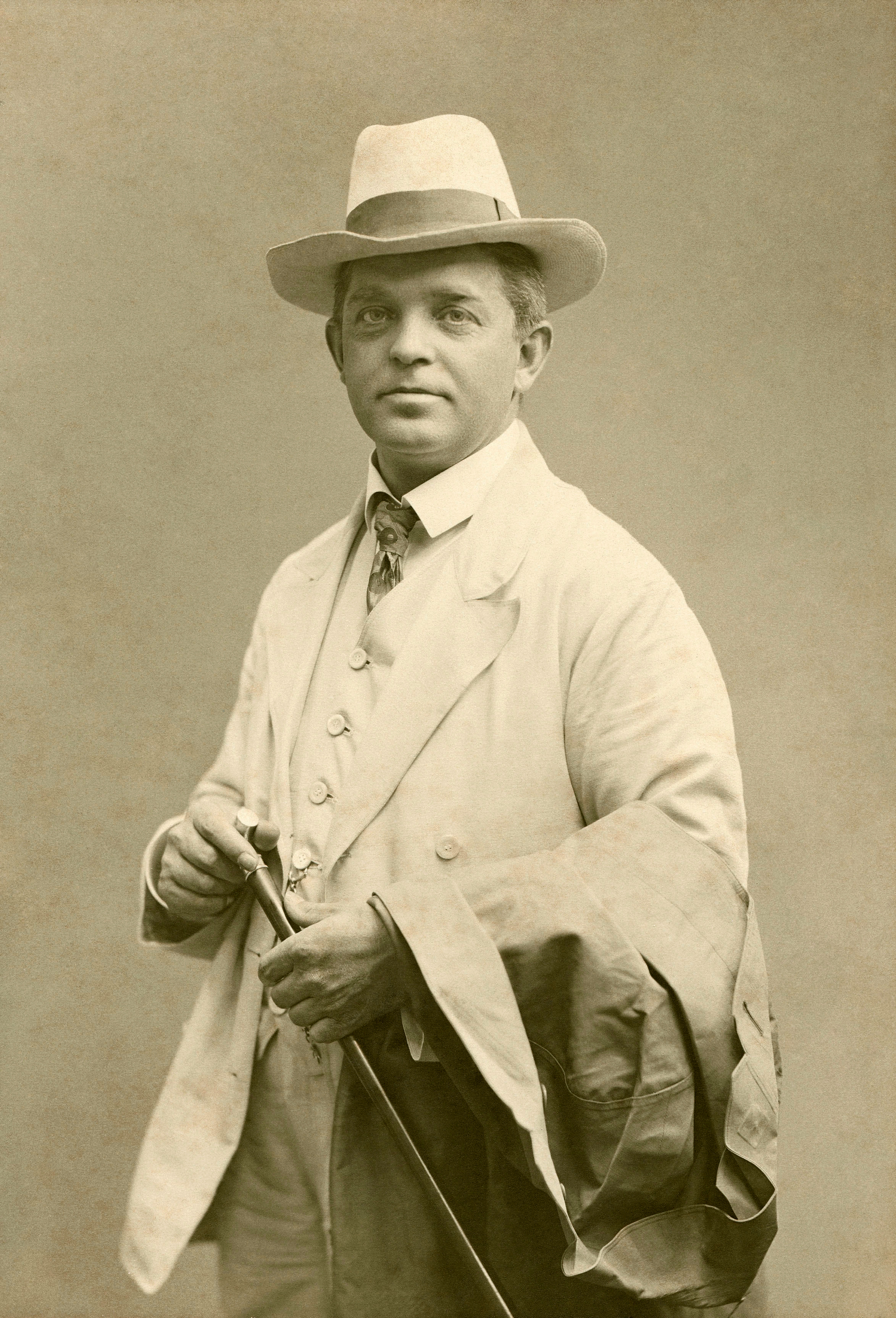
Carl Nielsen
 (Carl August Nielsen)
Universally acclaimed as Denmark's greatest composer, celebrated for six monumental symphonies—including The Four Temperaments and The Inextinguishable—and beloved Danish folk songs.
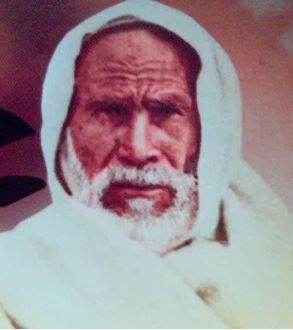
Omar al-Mukhtar
 (عمر المختار)
Libyan Quranic teacher and legendary military strategist known as the 'Lion of the Desert', who led the armed Bedouin resistance against Italian colonial fascism for nearly twenty years.
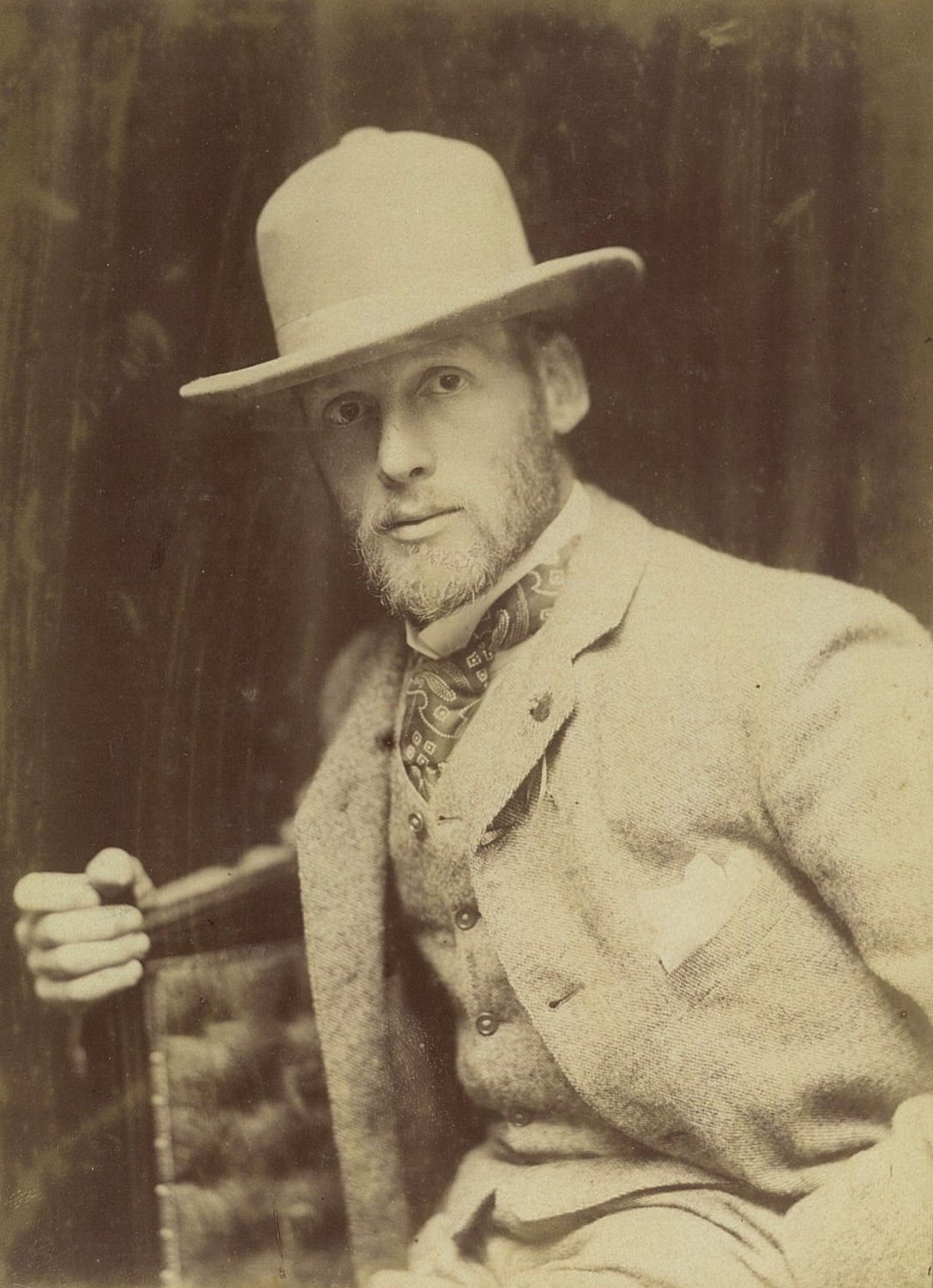
Tom Roberts
 (Thomas William Roberts)
Master painter and foundational leader of the Heidelberg School of Australian Impressionism whose iconic national canvases include 'Shearing the Rams' and the monumental Federation painting 'The Big Picture'.
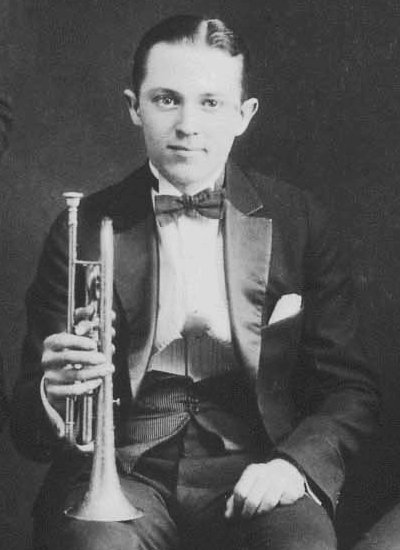
Bix Beiderbecke
(Leon Bismark Beiderbecke)
Pioneering American jazz cornetist and composer whose pure tone, lyrical phrasing, and Debussy-inspired harmonies created an influential alternative to Louis Armstrong's hot jazz.
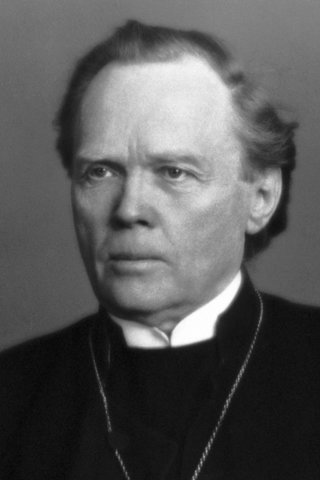
Lars Olof Jonathan (Nathan) Söderblom
 (Lars Olof Jonathan Söderblom)
Nathan Söderblom was a Swedish Lutheran theologian and Archbishop of Uppsala (Primate of the Church of Sweden) from 1914 to 1931. Widely revered as the father of the modern ecumenical movement, he convened the historic 1925 Universal Christian Conference on Life and Work in Stockholm, uniting divided churches across former WWI battlelines in common humanitarian action, receiving the 1930 Nobel Peace Prize.