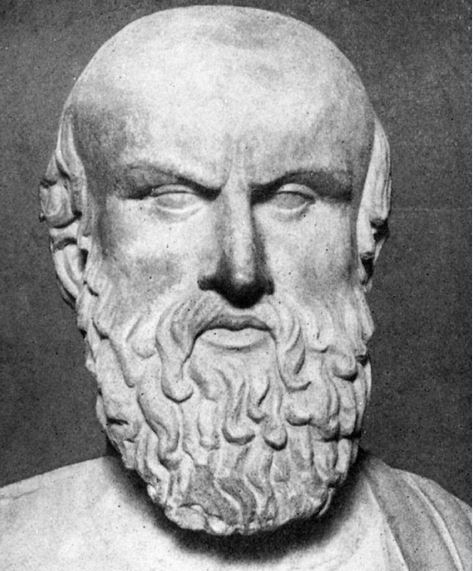
Hipparchus of Nicaea
Greatest observational astronomer of antiquity, who discovered the precession of the equinoxes, compiled the first comprehensive star catalog, and founded trigonometry.
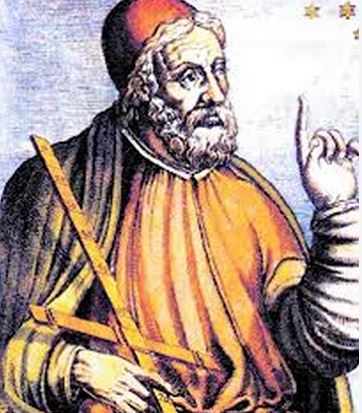
Start typing to search worldwide archives and community tributes
Filterable archive covering centuries of intellectual, artistic, and moral contributions to the human story.
Greatest observational astronomer of antiquity, who discovered the precession of the equinoxes, compiled the first comprehensive star catalog, and founded trigonometry.
Ancient Greek astronomer and mathematician who proposed the first known heliocentric model of the universe eighteen centuries before Copernicus, placing the Sun at the center of planetary orbits.
'Father of Geometry' whose thirteen-book treatise The Elements established the axiomatic-deductive method that formed the bedrock of mathematics and science for two millennia.
Chief Librarian of the Great Library of Alexandria who calculated the Earth's circumference with astonishing accuracy using sun shadows and invented the Sieve of Eratosthenes for prime numbers.
Early Greek natural philosopher who introduced the concept of the Apeiron (the Boundless), drew the first world map, and proposed an early theory of biological evolution.
Regarded as the first scientist and natural philosopher in Western history, who predicted the solar eclipse of 585 BCE and identified water as the fundamental cosmic principle.
Andalusian philosopher and royal physician whose pioneering allegorical novel Hayy ibn Yaqzan (Alive, Son of Awake) explored human reason discovering supreme truth in total isolation.
Revered across medieval civilizations as 'The Second Teacher' (after Aristotle), who integrated logic, Neoplatonic metaphysics, and political philosophy in The Virtuous City.
'The Philosopher of the Arabs' who inaugurated the translation and integration of Aristotle and Plato at the House of Wisdom (Bayt al-Hikma) in Abbasid Baghdad.
Sanskrit philosopher of language whose Vakyapadiya established the metaphysics of Shabda Brahman (the Word as divine ground of reality) and the semantic flash of intuition (Sphota).
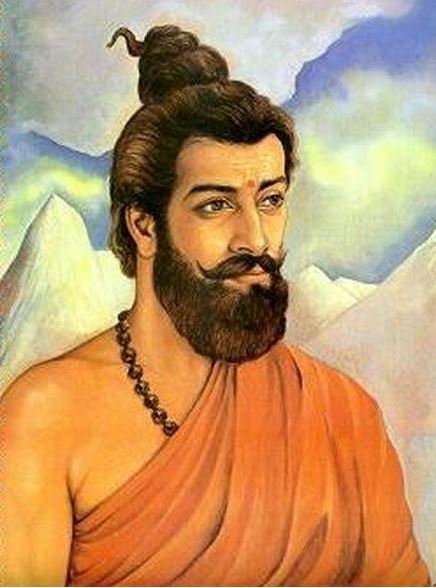
Ancient Indian sage who founded the Vaisheshika school of natural philosophy, formulating an atomic theory of matter (paramanu) centuries before modern chemistry.
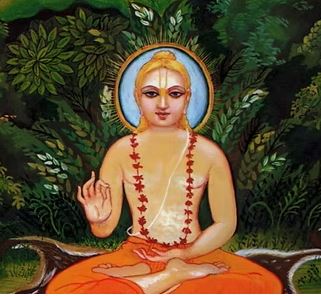
Ancient Indian sage and founder of Samkhyaโthe oldest systematic school of Indian philosophyโwhich posited a dualistic cosmos of pure consciousness (Purusha) and material nature (Prakriti).
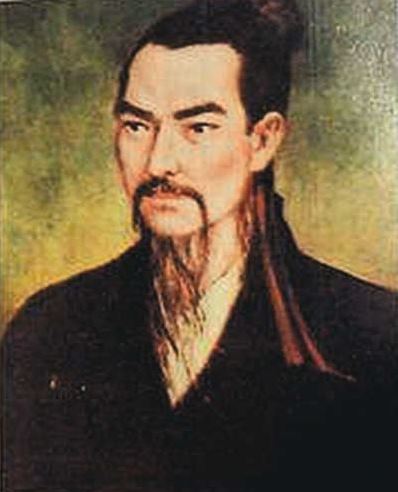
Founder of Mohism who articulated the world's first systematic utilitarian ethics, advocating universal impartial care (jian'ai), anti-militarism, and defensive engineering.
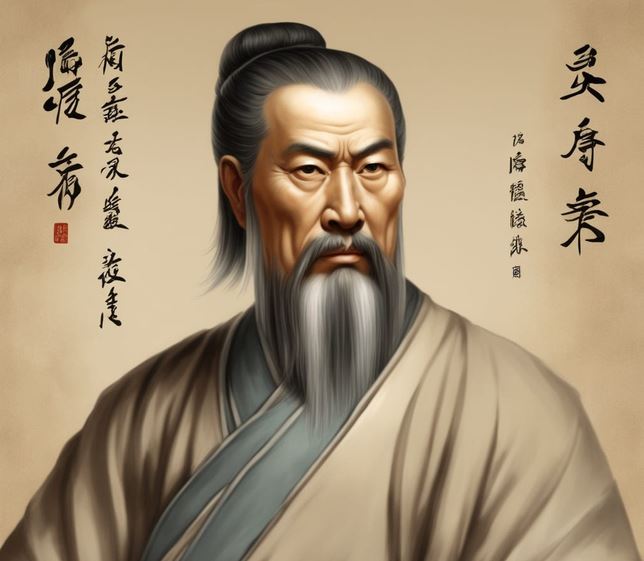
Supreme theoretician of Legalism (Fajia) whose writings synthesized codified law (fa), administrative tact (shu), and strategic authority (shi) to construct the foundations of the unified Chinese empire.
Confucian realist who argued that human nature is fundamentally raw and unruly (xing e), requiring rigorous moral education, ritual discipline (li), and institutional laws to achieve harmony.
Daoist master whose eponymous work revolutionized Chinese thought through brilliant literary parables, radical freedom, the dream of the butterfly, and spontaneous living (ziran).
The 'Second Sage' of Confucianism who defended the innate goodness of human nature (xing shan) and championed the right of the people to overthrow tyrannical rulers.
Founder of Neoplatonism whose Enneads integrated Platonic metaphysics into a transcendent emanation system tracing all reality back to the ineffable One (To Hen).