Public Figures & Cultural Luminaries
Filterable archive covering centuries of intellectual, artistic, and moral contributions to the human story.
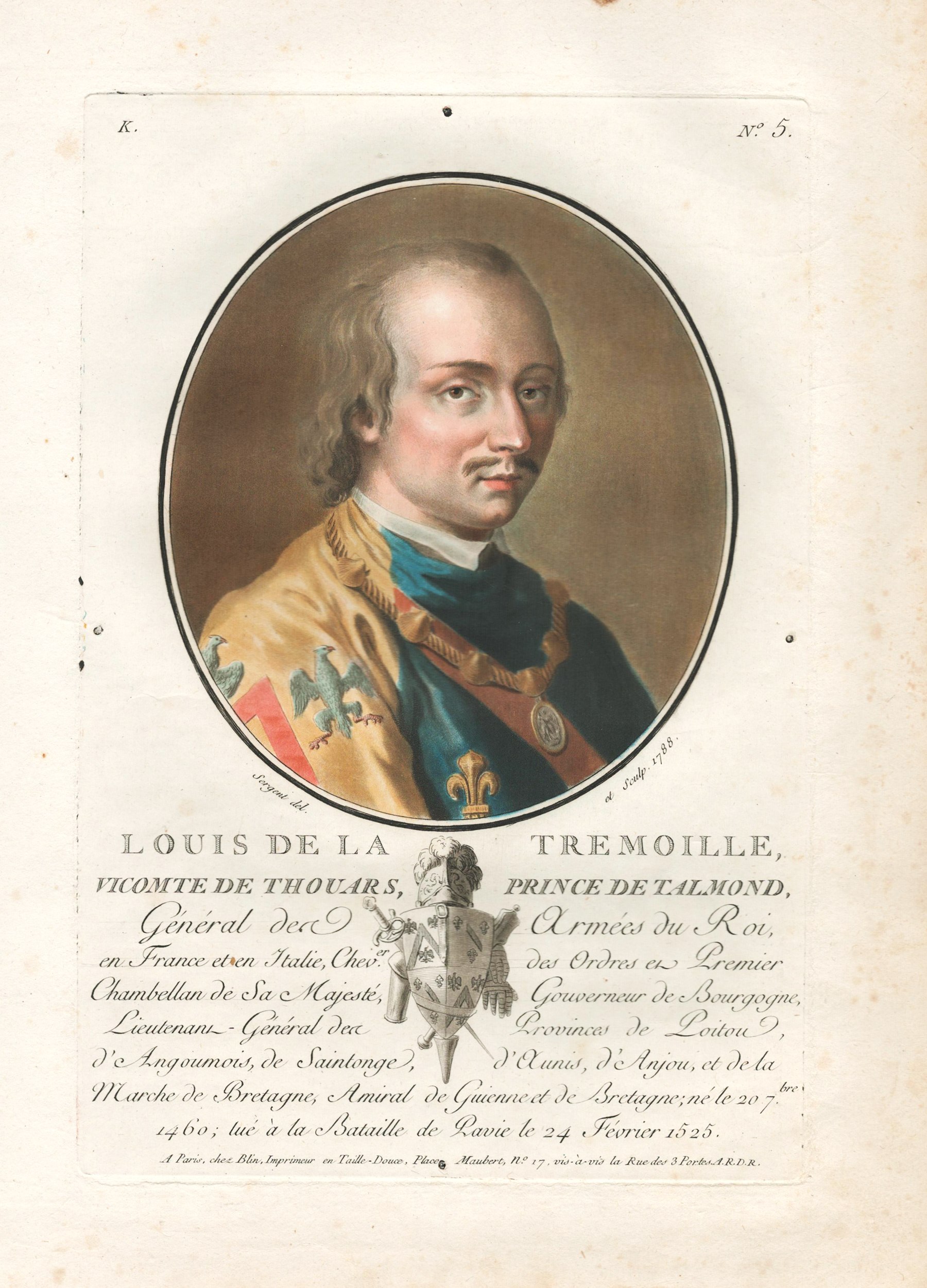
Louis II de La Trémoille (The Knight Without Reproach)
 (Louis II de La Trémoille)
Premier French general of the Italian Wars who won the Battle of Saint-Aubin-du-Cormier, conquered Milan for Louis XII, and fell fighting at Pavia.
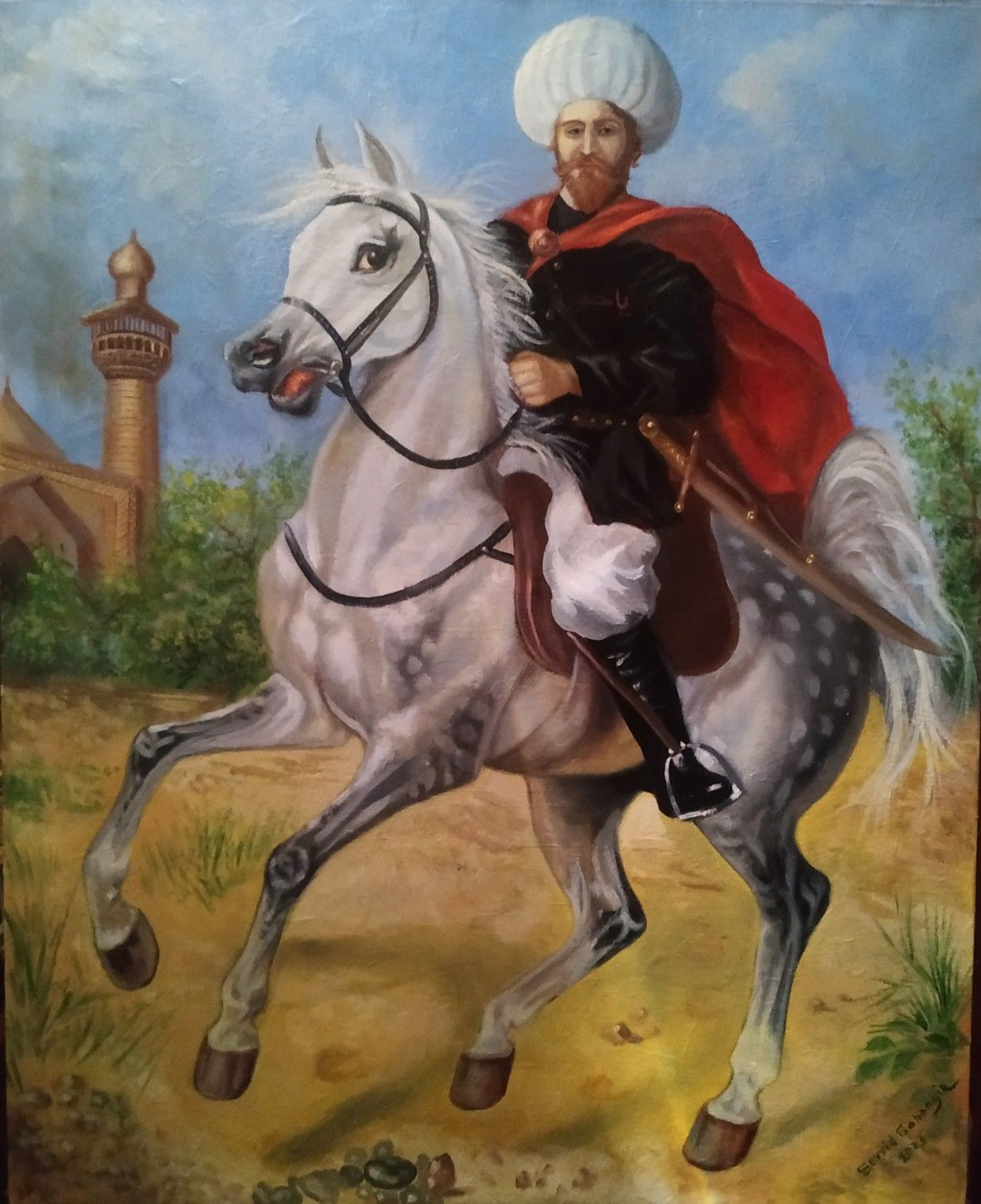
Shah Ismail I
 (شاه اسماعیل یکم (Hata'i))
Founder of the Safavid Empire who unified Iran, established Twelver Shia Islam as the state religion, and was a major Azerbaijani poet.
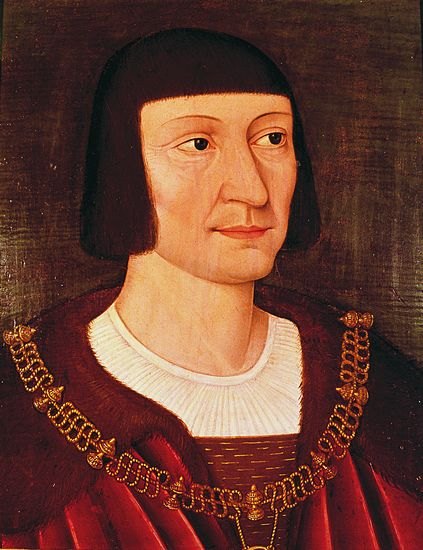
Pierre Terrail, Seigneur de Bayard
(Pierre Terrail, seigneur de Bayard)
French knight and commander immortalized as 'The Knight Without Fear and Beyond Reproach', who held the bridge of Garigliano single-handedly.
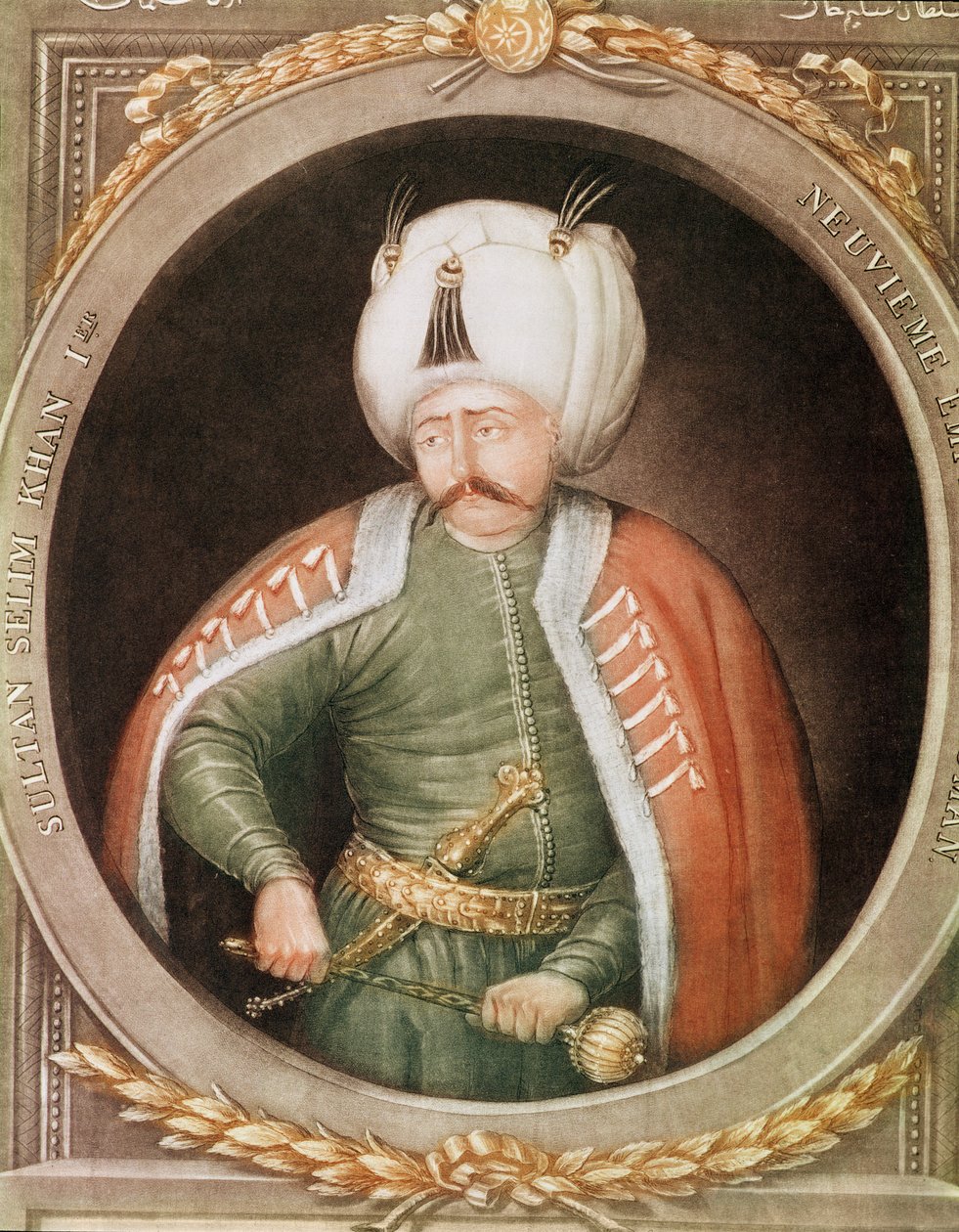
Selim I (Yavuz Sultan Selim / Selim the Grim)
 (سليم اول / Yavuz Sultan Selim)
Ninth Ottoman Sultan who tripled the size of the Ottoman Empire in just eight years, conquered the Mamluk Sultanate, and assumed the Caliphate.
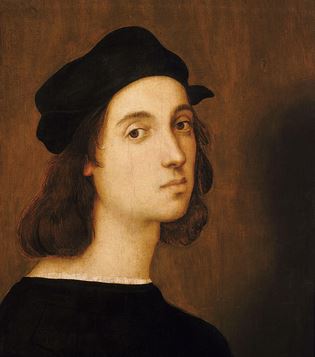
Raffaello Sanzio da Urbino (Raphael)
 (Raffaello Sanzio)
Supreme High Renaissance master celebrated as the 'Prince of Painters', whose monumental frescoes in the Vatican Stanze (including The School of Athens) and tender Madonnas personify classical harmony and compositional serenity.
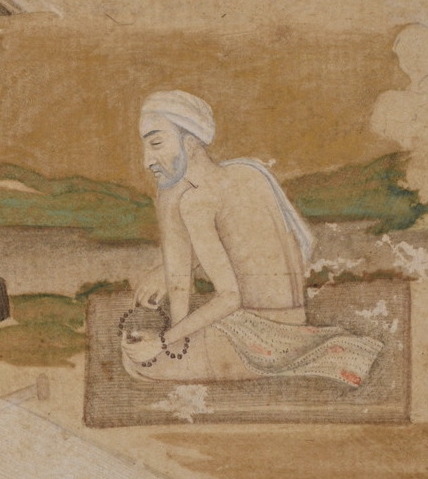
Ravidas
 (रविदास)
Eminent Bhakti saint, leather-worker (Chamar), and social emancipator who envisioned 'Begumpura' (a sorrowless utopian city of equality) and contributed 41 hymns to the Guru Granth Sahib.
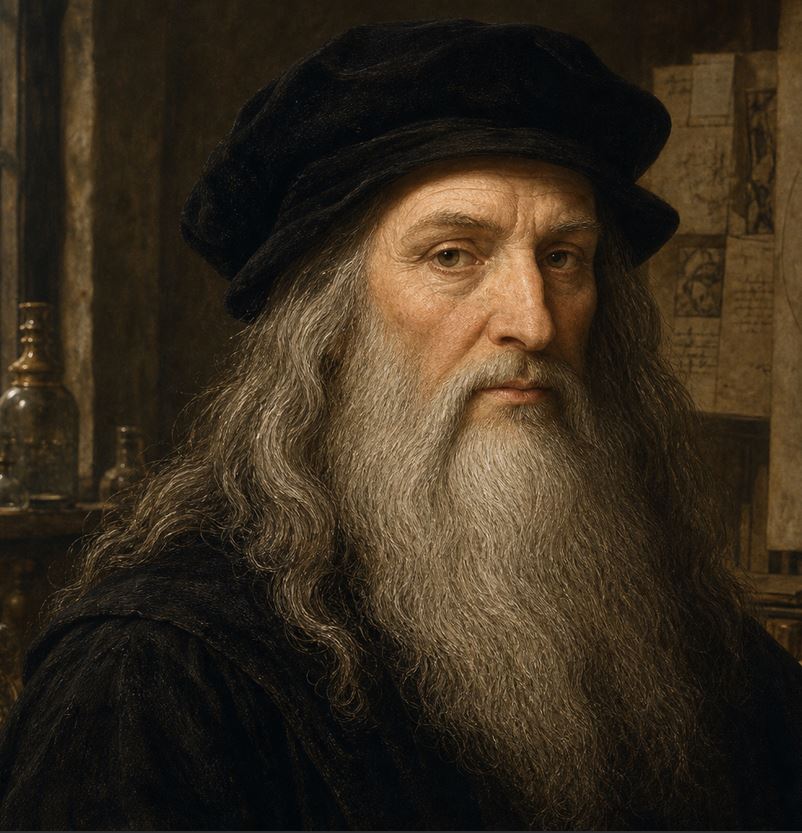
Leonardo di ser Piero da Vinci
(Leonardo da Vinci)
The quintessential Renaissance genius whose boundless curiosity was equaled only by his powers of invention. Master of the Mona Lisa, The Last Supper, and visionary anatomical treatises.
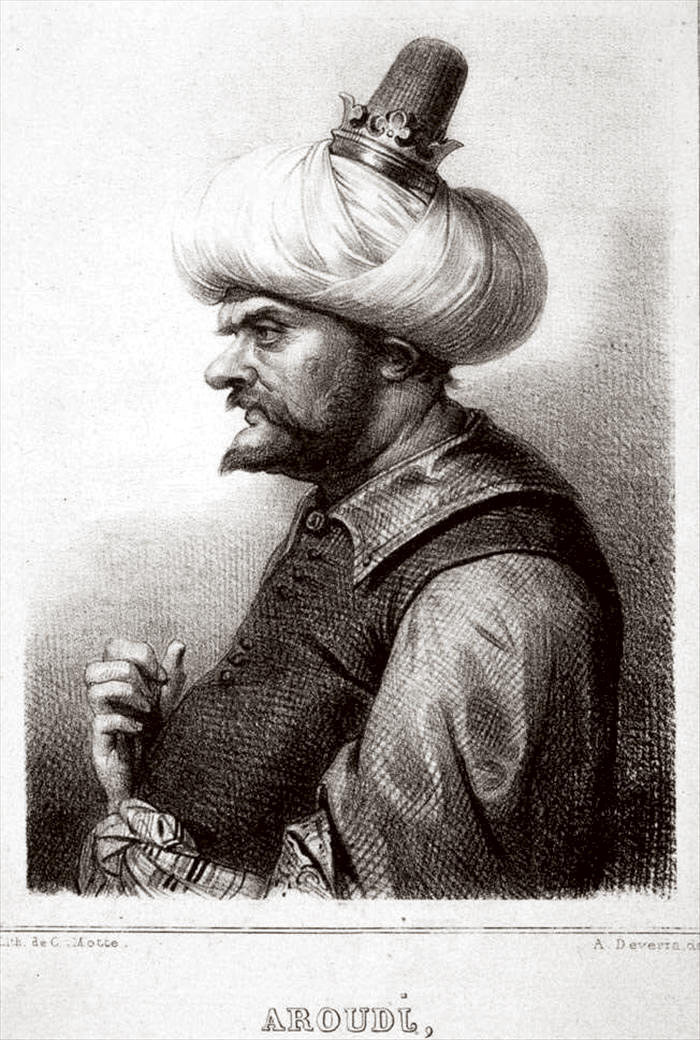
Aruj Barbarossa
 (عروج بربروس)
Legendary Ottoman-Algerian privateer known as 'Redbeard' (Baba Aruj) who rescued thousands of Andalusian Muslims and Jews from Spain, seized Algiers in 1516, and founded the Regency of Algiers.
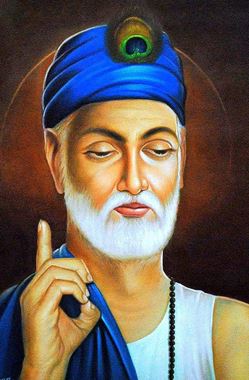
Kabir Das (कबीर दास)
Celebrated 15th-century mystic poet-philosopher and weaver whose biting couplets (Dohas) pierced through the hypocrisies of both Hindu caste orthodoxy and Muslim dogmatism, teaching the formless truth of the divine (Nirguna Ram).
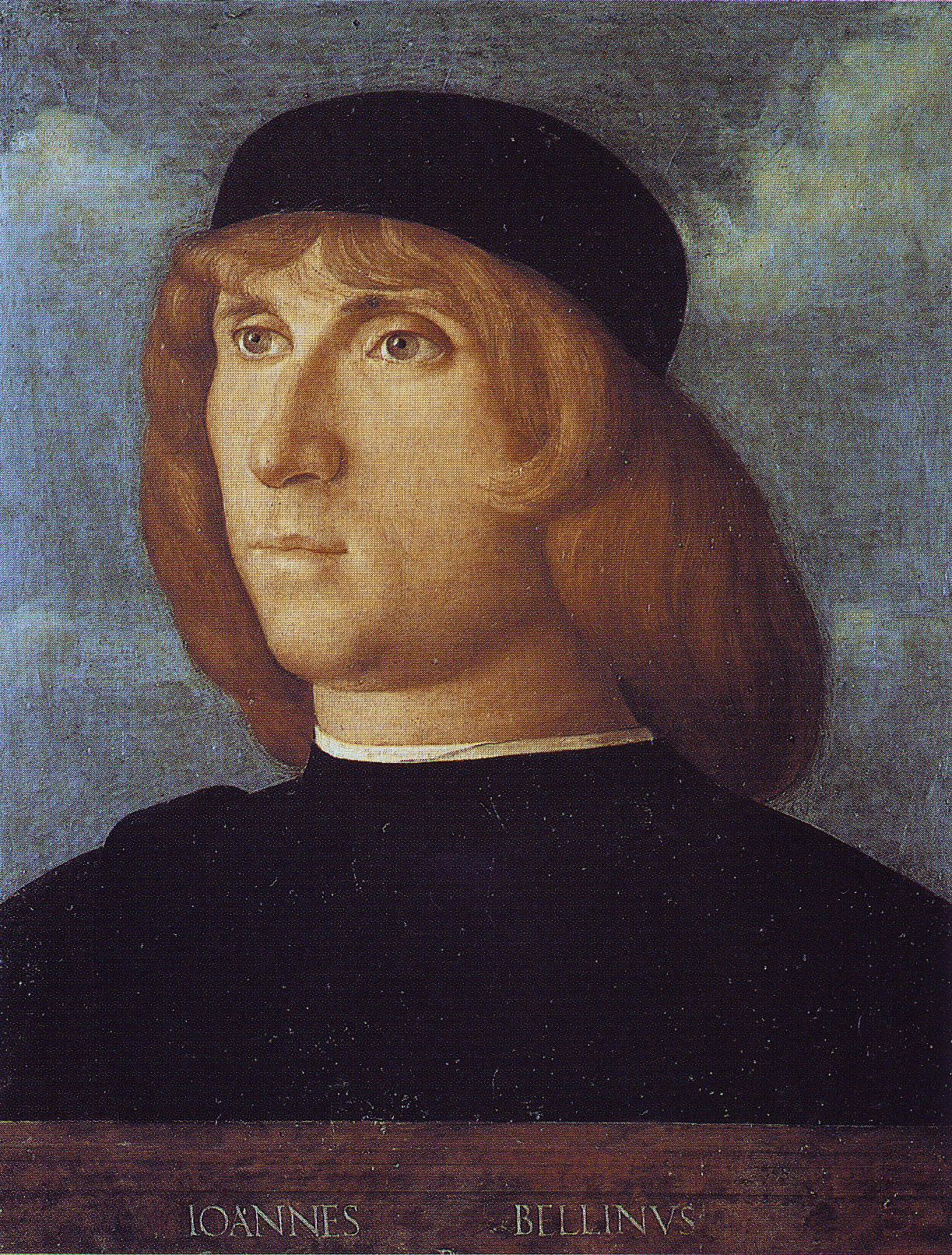
Giovanni Bellini
(Giovanni Bellini)
Father of the Venetian Renaissance painting school who revolutionized oil painting, atmospheric golden light, and landscape backgrounds, mentoring Giorgione and Titian.
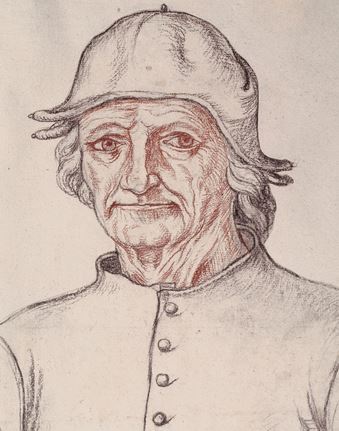
Hieronymus Bosch
 (Jheronimus van Aken)
Visionary Early Netherlandish painter renowned for fantastical triptychs depicting bizarre hybrid creatures, sin, and surreal visions of Hell.
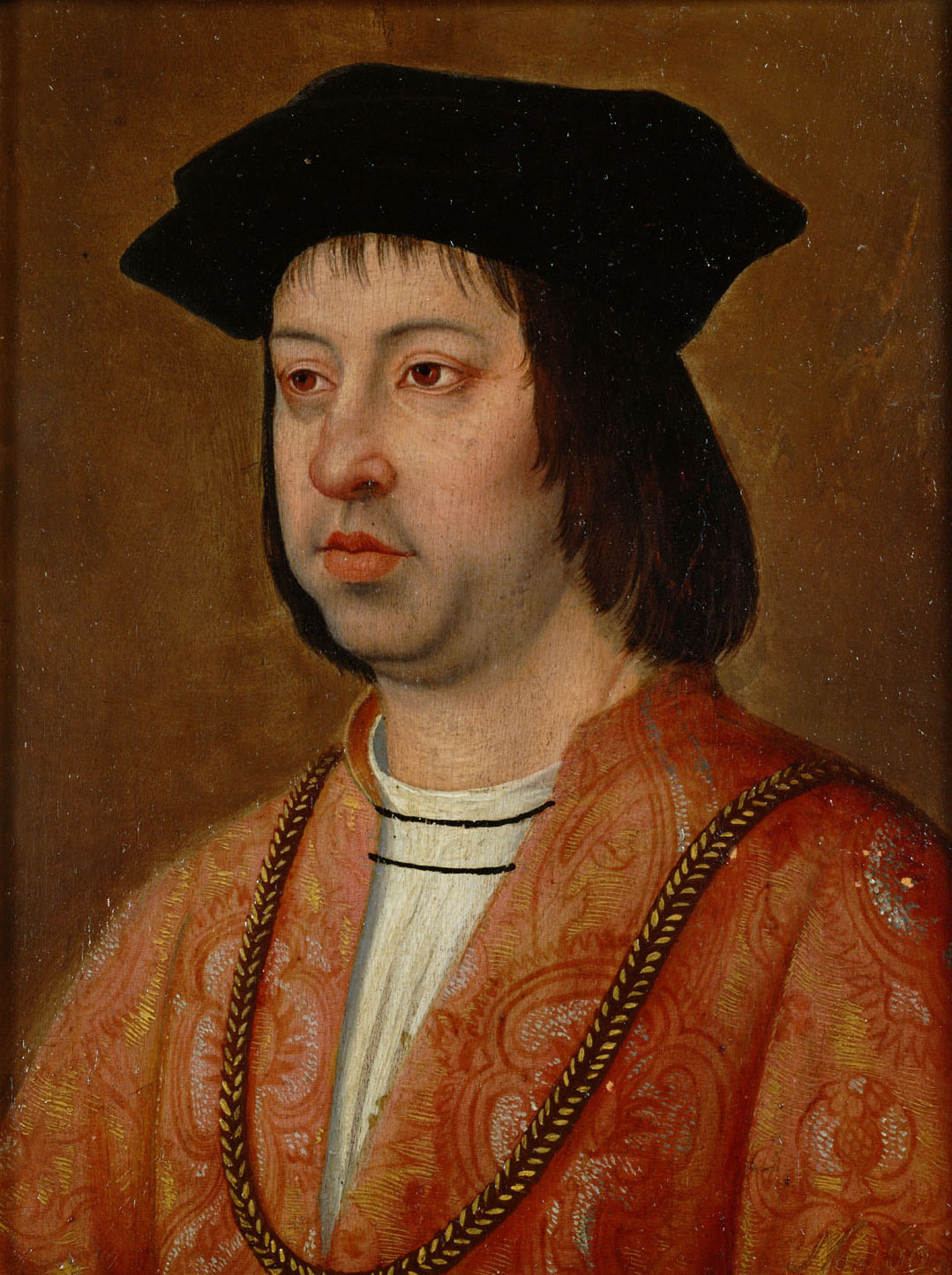
Ferdinand II of Aragon
 (Fernando II de Aragón (El Católico))
King of Aragon and Sicily whose marriage to Isabella of Castile unified Spain; praised by Machiavelli as the archetype of royal statecraft.
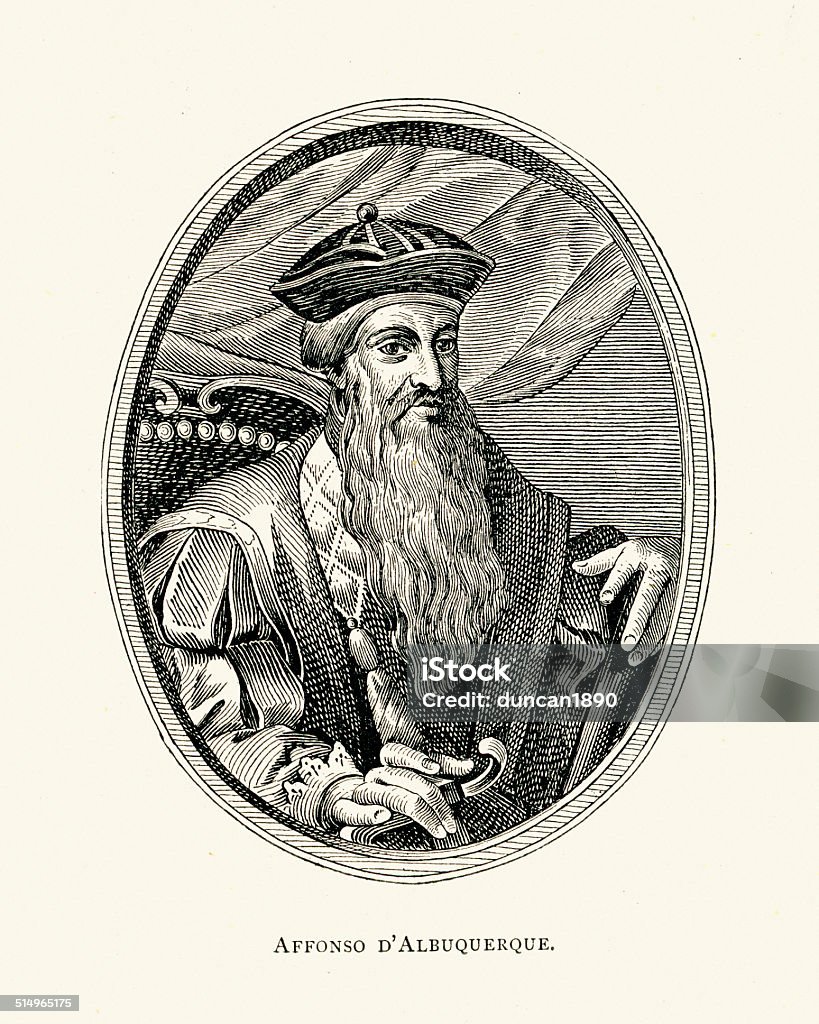
Afonso de Albuquerque (The Caesar of the East)
 (Afonso de Albuquerque)
Portuguese naval admiral, general, and 2nd Governor of India whose audacious naval strategy conquered Goa, Malacca, and Ormuz, securing the spice routes.
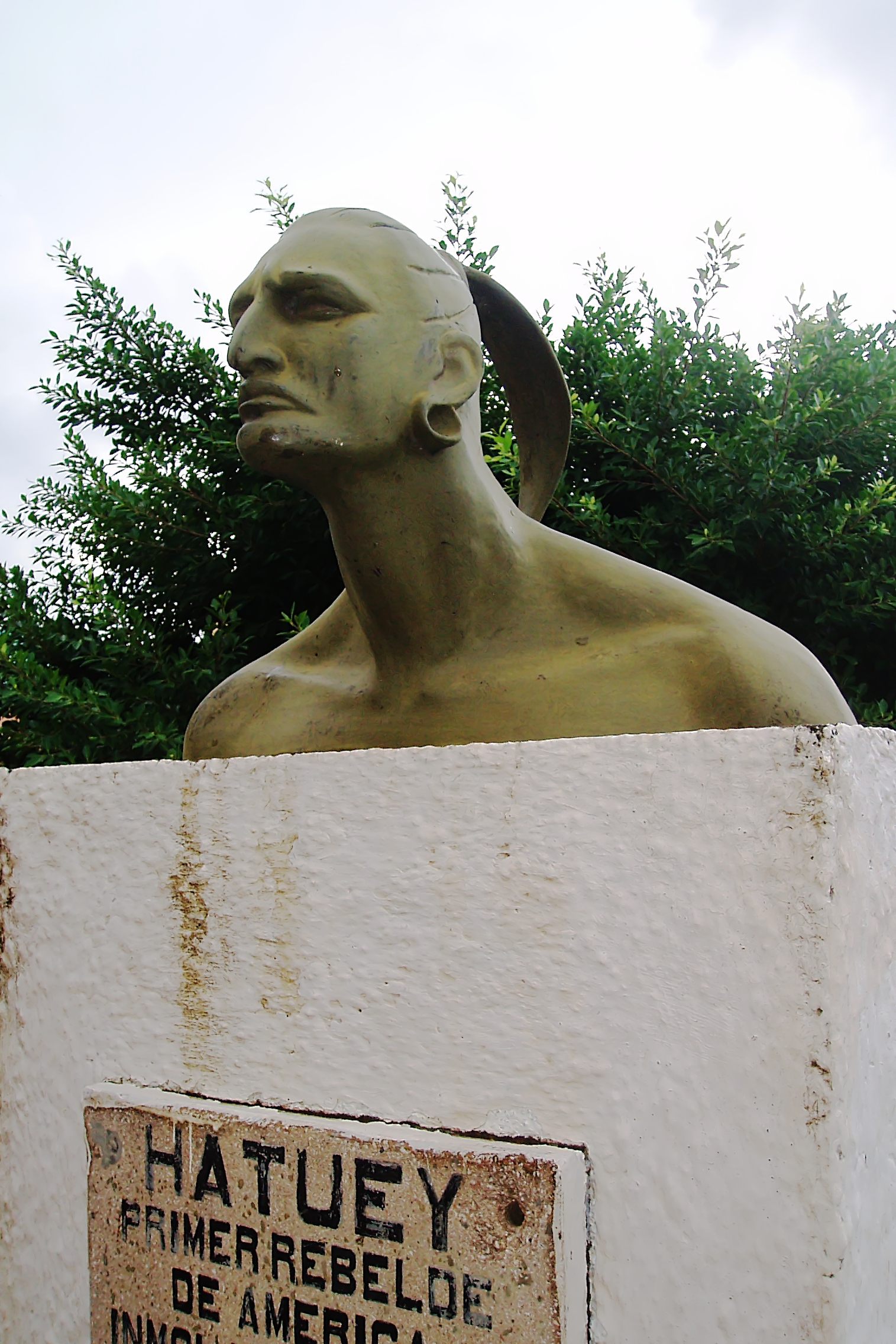
Hatuey
 (Hatuey)
Taino cacique from Hispaniola acclaimed as the 'First National Hero of Cuba' and 'First Rebel of the Americas', who sailed canoes across the Windward Passage to warn Cuban Tainos of Spanish atrocities, leading the first armed guerrilla resistance in Cuba.
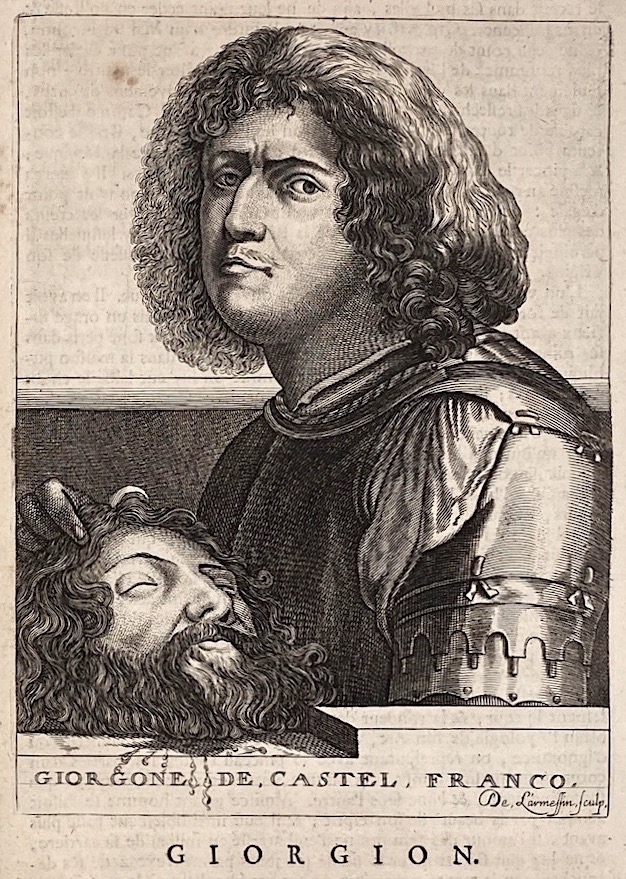
Giorgio Barbarelli da Castelfranco
(Giorgione)
Venetian High Renaissance pioneer whose enigmatic masterworks 'The Tempest' and 'Sleeping Venus' founded poetic landscape painting and moody, evocative tonalism.
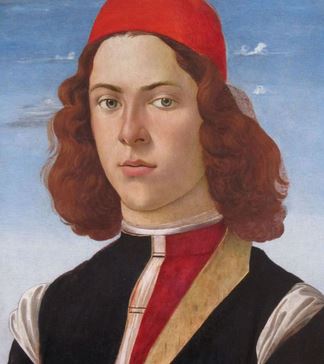
Alessandro di Mariano di Vanni Filipepi (Sandro Botticelli)
(Sandro Botticelli)
Florentine Early Renaissance master whose mythological masterpieces The Birth of Venus and Primavera captured the humanist Neoplatonism of the Lorenzo the Magnificent Medici court with lyrical linear grace.
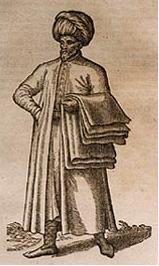
Isaac ben Judah Abravanel
(יצחק אברבנאל)
Statesman, royal treasurer to Ferdinand and Isabella, and prolific biblical commentator who led Spanish Jews in the Expulsion of 1492 and authored messianic treatises.
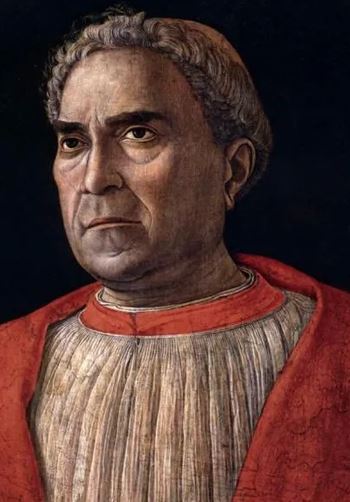
Andrea Mantegna
(Andrea Mantegna)
Italian Renaissance pioneer of illusionistic perspective, extreme foreshortening, and archaeological Roman classical precision.