Public Figures & Cultural Luminaries
Filterable archive covering centuries of intellectual, artistic, and moral contributions to the human story.
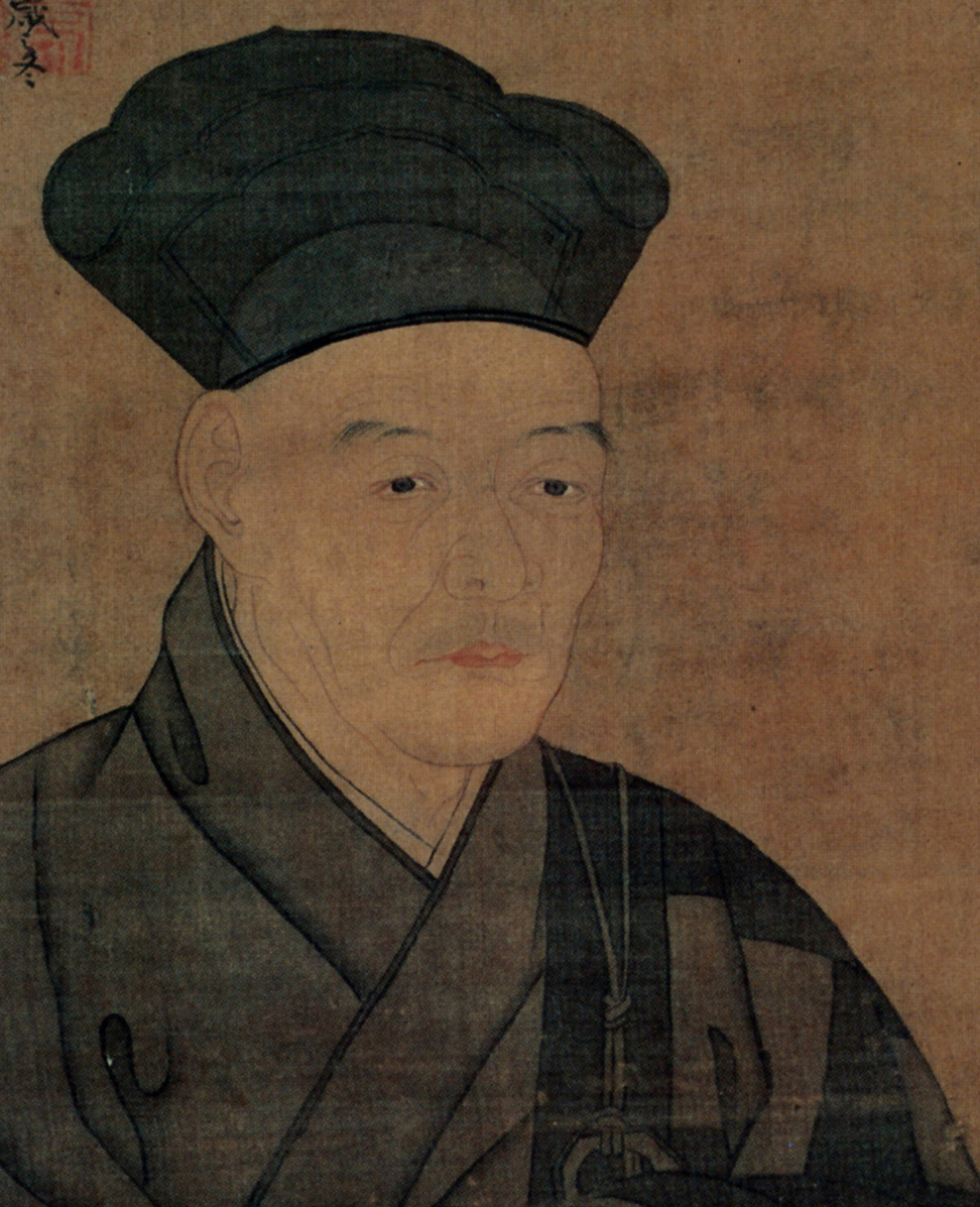
Sesshu Toyo
 (雪舟 等楊)
Master Japanese ink painter and Zen Buddhist monk of the Muromachi period who traveled to Ming China and synthesized Chinese song painting into the distinctive Japanese Zen landscape style.
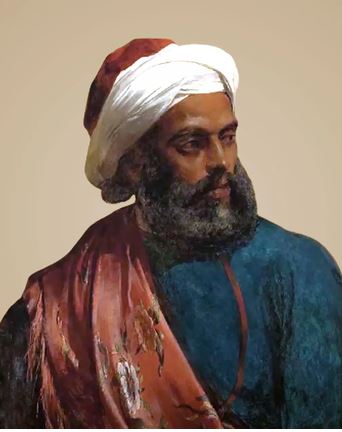
Jalal al-Din al-Suyuti (جلال الدين السيوطي)
Extraordinary Egyptian polymath and mujaddid who authored over 500 treatises spanning Quranic sciences, Hadith, grammar, and law, including 'Tafsir al-Jalalayn' and 'Al-Itqan'.
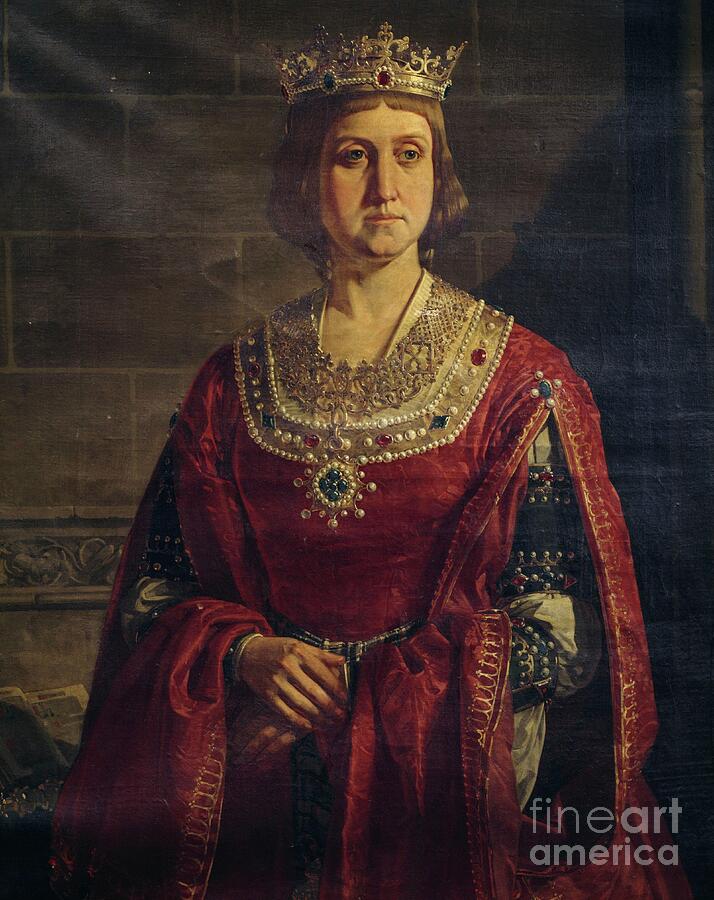
Isabella I of Castile
 (Isabel I de Castilla (La Católica))
Queen of Castile who unified Spain with Ferdinand II, completed the Reconquista of Granada, and sponsored Christopher Columbus in 1492.
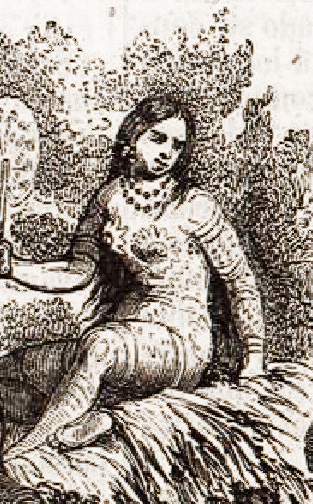
Anacaona
 (Anacaona (Golden Flower))
Legendary Taino queen, poet, and composer celebrated as the 'Golden Flower' (Anacaona) of Xaragua on Hispaniola, whose lyric ballads (Areitos) and tragic execution by Spanish conquistadors made her an eternal martyr of indigenous Caribbean civilization.
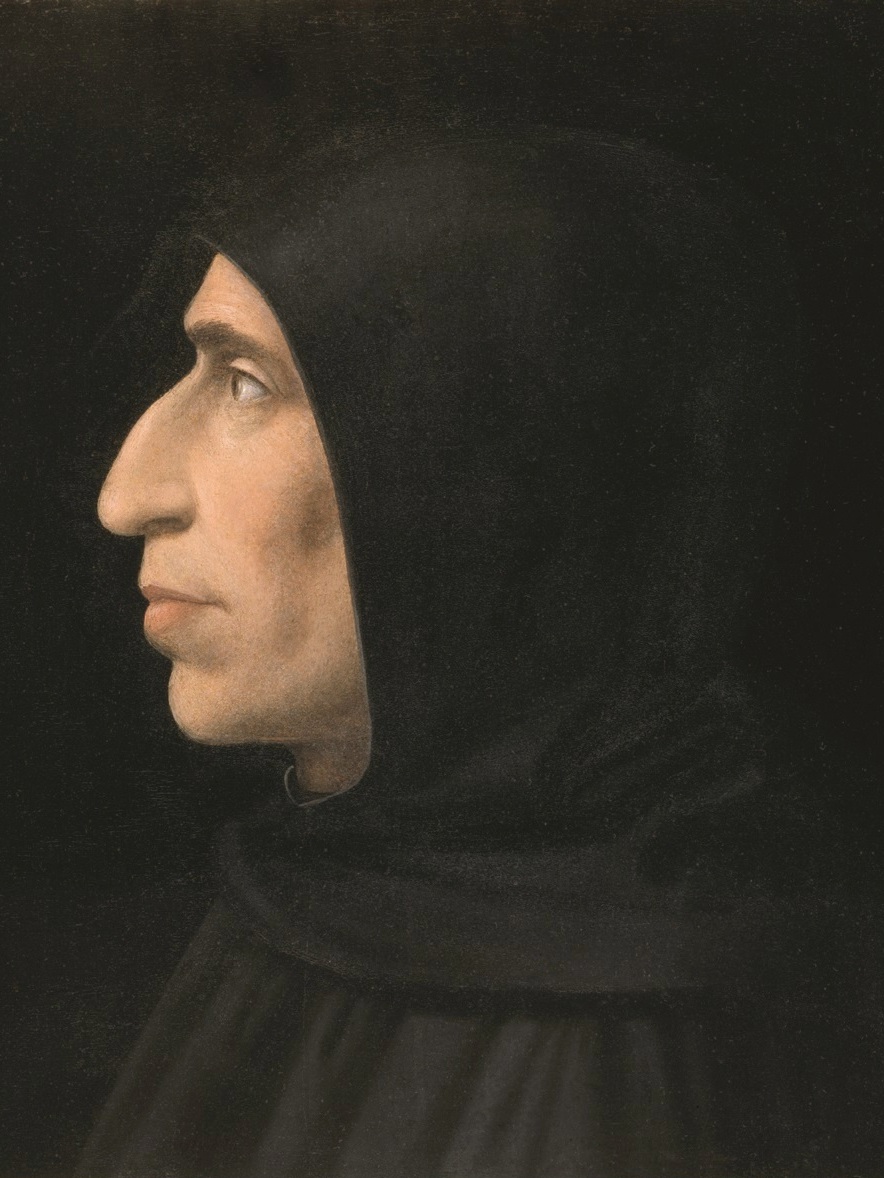
Girolamo Savonarola
 (Girolamo Savonarola)
Dominican friar and fiery reformer who led the Florentine Republic, organized the 'Bonfire of the Vanities', and fearlessly denounced the corruption of Borgia Pope Alexander VI.
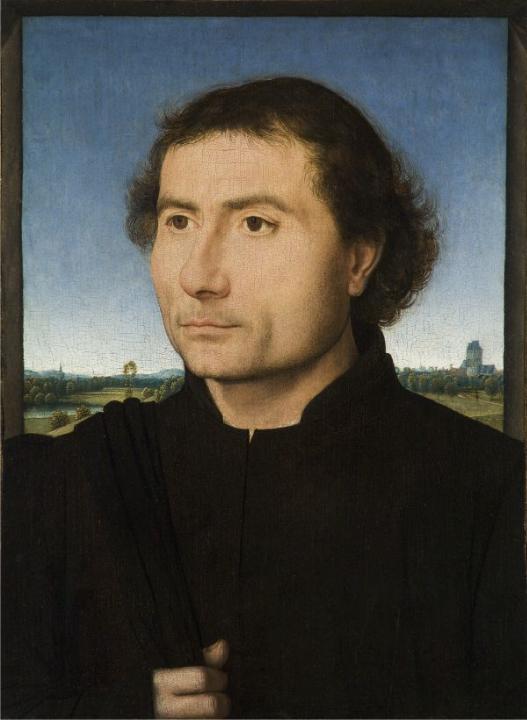
Hans Memling
 (Hans Memling)
Leading Early Netherlandish painter in Bruges whose serene portraits, 'The Last Judgment' triptych, and the Reliquary of Saint Ursula embodied Flemish graceful harmony.
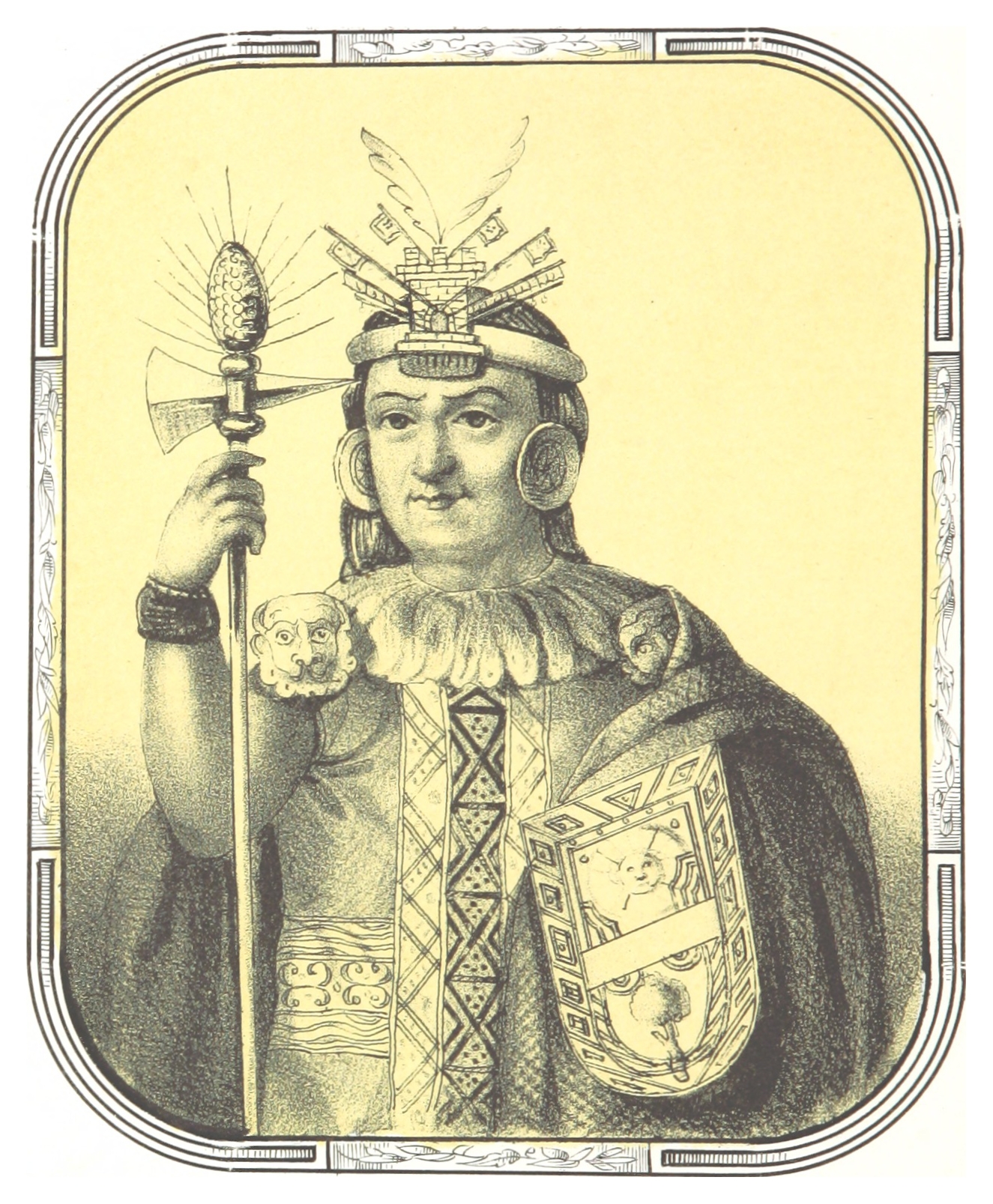
Tupac Inca Yupanqui
 (Topa Inka Yupanki)
Tenth Sapa Inca and supreme military conqueror of the Inca Empire, who doubled the empire's size from Ecuador to central Chile and led a legendary balsa-raft expedition across the Pacific Ocean.
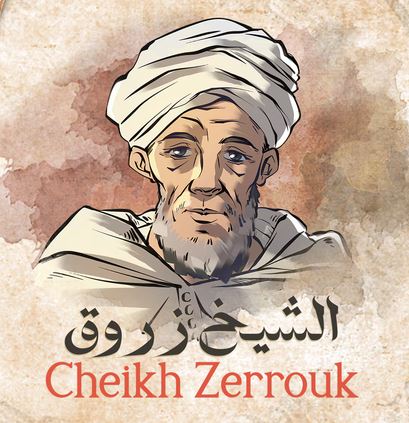
Ahmad al-Zarruq
 (أحمد زروق الفاسي)
Moroccan-born Islamic scholar and Shadhili Sufi reformer who reconciled exoteric jurisprudence with esoteric mysticism in his classic 'Qawa'id al-Tasawwuf', buried in Misrata, Libya.
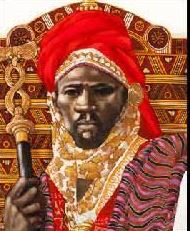
Sunni Ali Ber (Si Ali Ber (Sonni Ali))
First great imperial ruler of the Songhai Empire (1464–1492) who transformed a local riverine kingdom into West Africa's dominant superpower, capturing the scholarly cities of Timbuktu and Djenné with a legendary river fleet and cavalry.
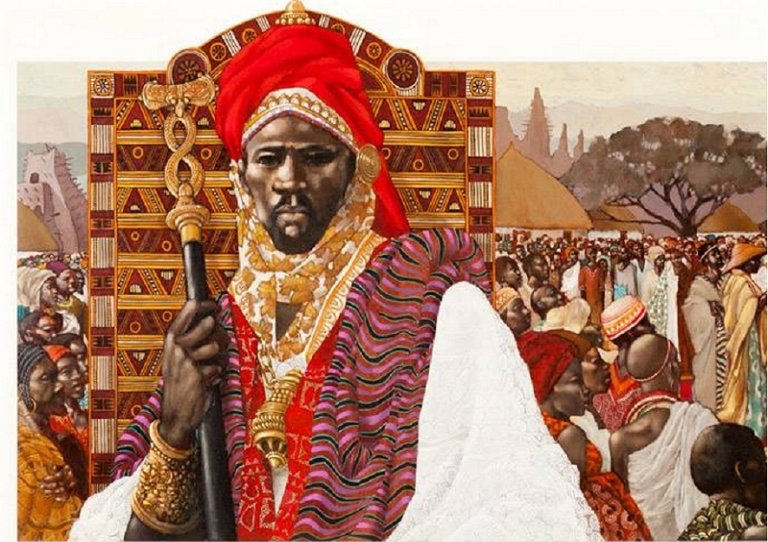
Sunni Ali Ber (Sunni Ali the Great)
 (Sonni Ali Ber / Si Ali)
Founder of the Songhai Empire who forged the greatest state in West African history through naval cavalry dominance on the Niger River.
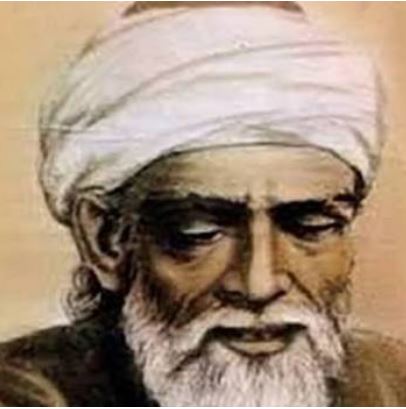
Al-Qalasadi (علي بن محمد القلصادي)
Nasrid-born North African mathematician who revolutionized mathematics by inventing the world's first modern algebraic symbolic notation using Arabic characters, dying in exile in Béja, Tunisia.
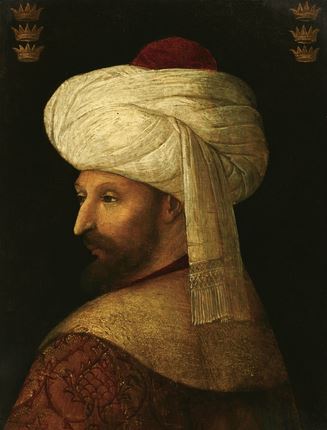
Mehmed II (Fatih Sultan Mehmed / The Conqueror)
 (فاتح سلطان محمد / Fatih Sultan Mehmed)
Seventh Ottoman Sultan who conquered Constantinople in 1453 at age twenty-one, bringing an end to the Byzantine Empire and the Middle Ages. A Renaissance polyglot who spoke six languages and issued the Ahdname charter protecting religious freedom.
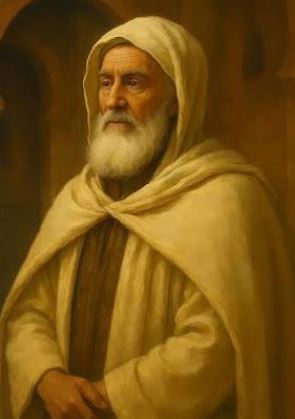
Sidi Abderrahmane et-Thaâlibi
 (عبد الرحمن الثعالبي)
Eminent Algerian Quranic commentator, Maliki jurist, and Sufi saint who authored the celebrated exegesis 'Al-Jawahir al-Hisan' and is venerated as the patron saint and spiritual protector of Algiers.
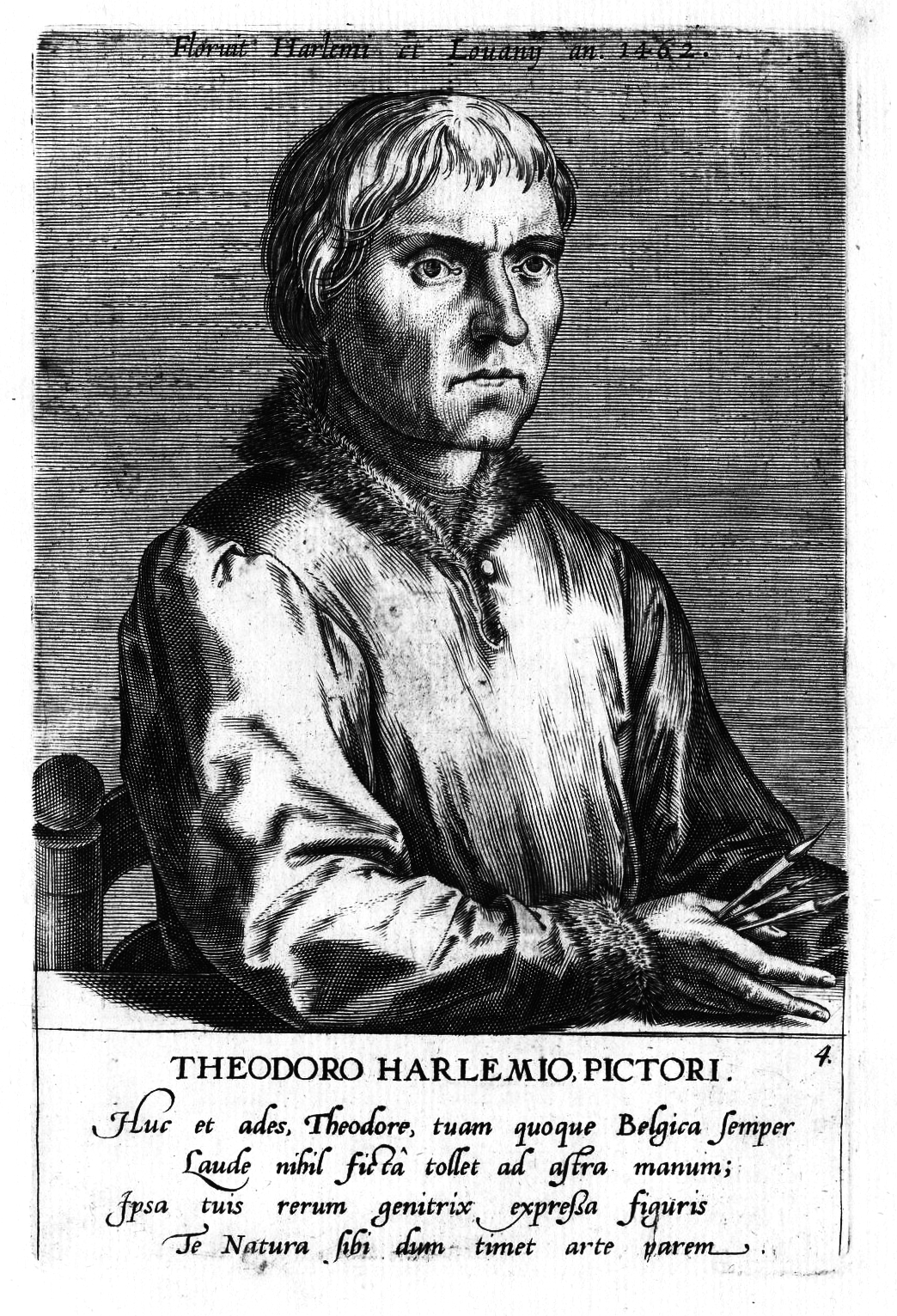
Dirk Bouts
 (Dirk Bouts)
Pioneering Early Netherlandish painter and city painter of Leuven whose 'Altarpiece of the Holy Sacrament' perfected mathematical perspective and northern atmospheric space.
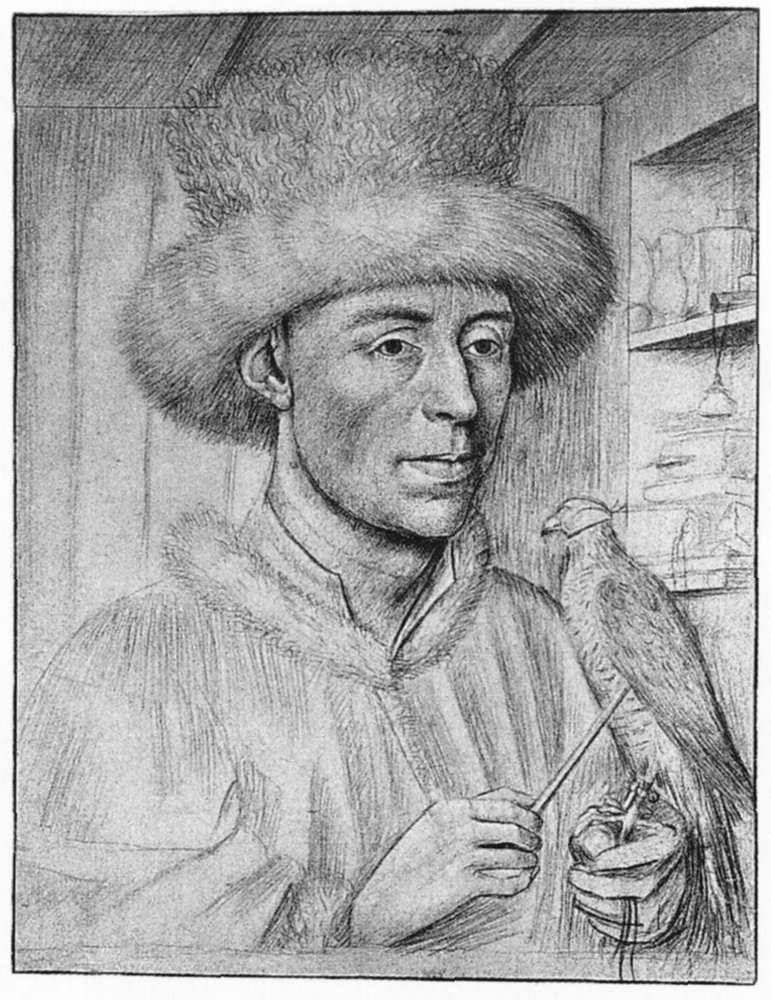
Petrus Christus
 (Petrus Christus)
Netherlandish painter who succeeded Jan van Eyck in Bruges, pioneering geometrically unified one-point perspective in Northern Europe in 'A Goldsmith in His Shop'.
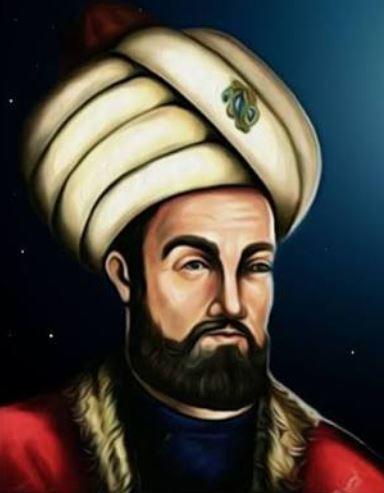
Ali Qushji (Ala al-Din Ali ibn Muhammad)
 (علاء الدين علي بن محمد القوشجي)
Astronomer who directed the Samarkand Observatory and later served Sultan Mehmed II in Istanbul, proving that astronomy does not rely on Aristotelian physics and supporting the Earth's rotation.
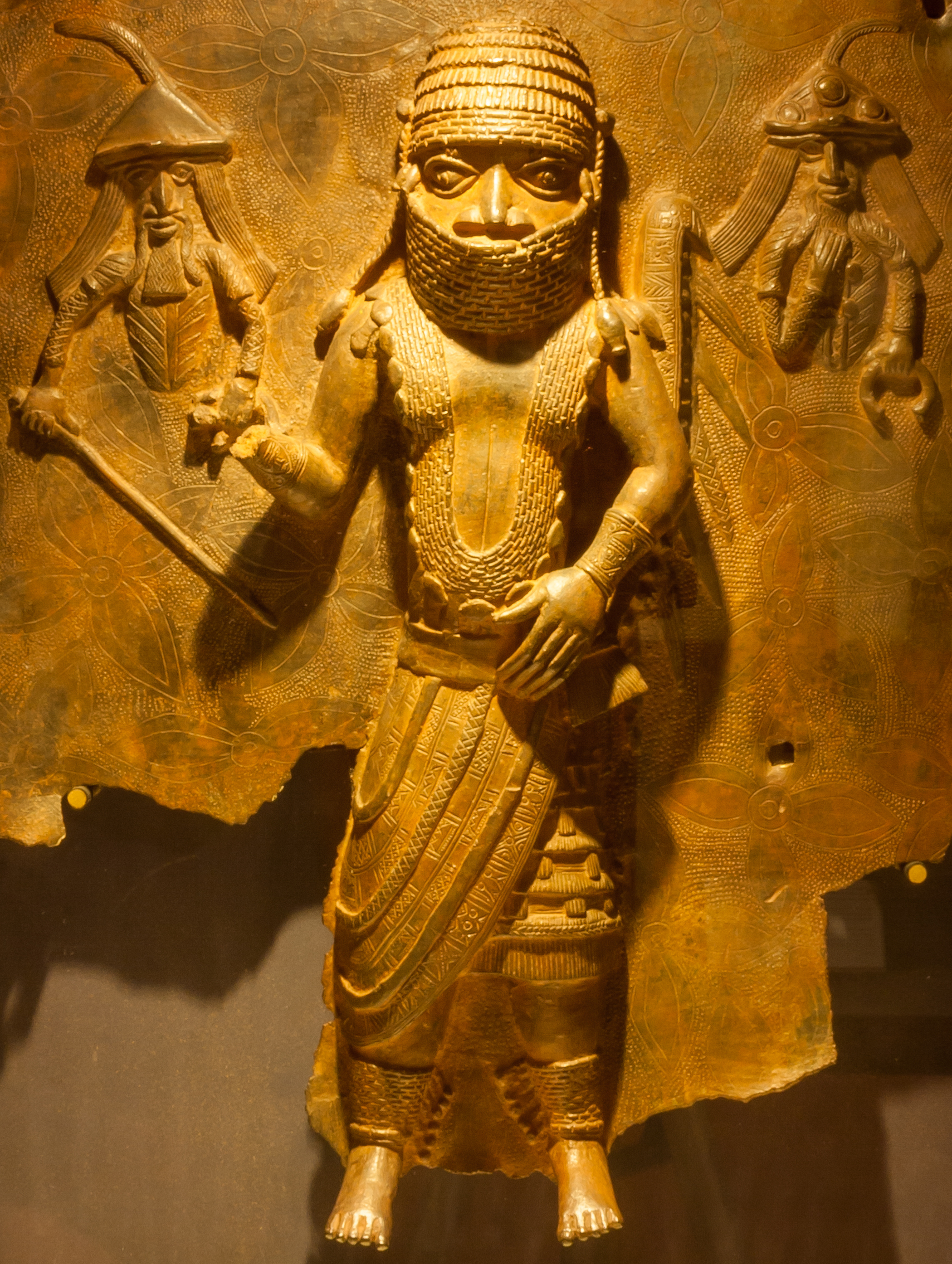
Oba Ewuare
 (Ewuare Ogidigan (Ewuare the Great))
Transformative Oba of Benin known as Ewuare the Great who transformed Benin from a city-state into a vast maritime empire, rebuilt Benin City with massive earthwork moats, and patronized brass casting.
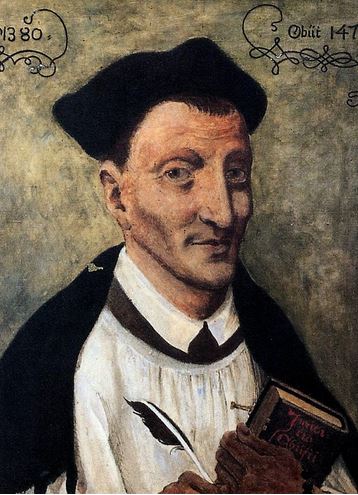
Thomas Hemerken (Thomas a Kempis)
Dutch-German monk of the Devotio Moderna movement and author of 'The Imitation of Christ', the most widely translated Christian devotional book in history after the Bible.