Public Figures & Cultural Luminaries
Filterable archive covering centuries of intellectual, artistic, and moral contributions to the human story.
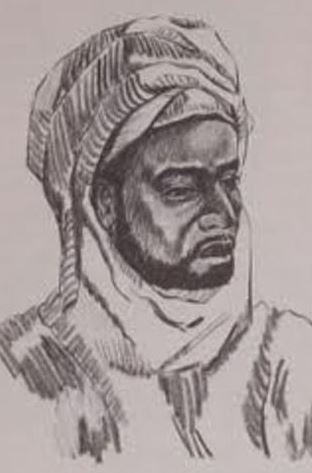
Askia Ishaq I (Askia Ishaq I (Ishaq ibn Muhammad))
Fifth monarch of the Askia dynasty of the Songhai Empire (reigned 1539–1549) who restored fiscal solvency, maintained strict central discipline, and famously repelled Moroccan demands for the lucrative Saharan salt mines of Taghaza.
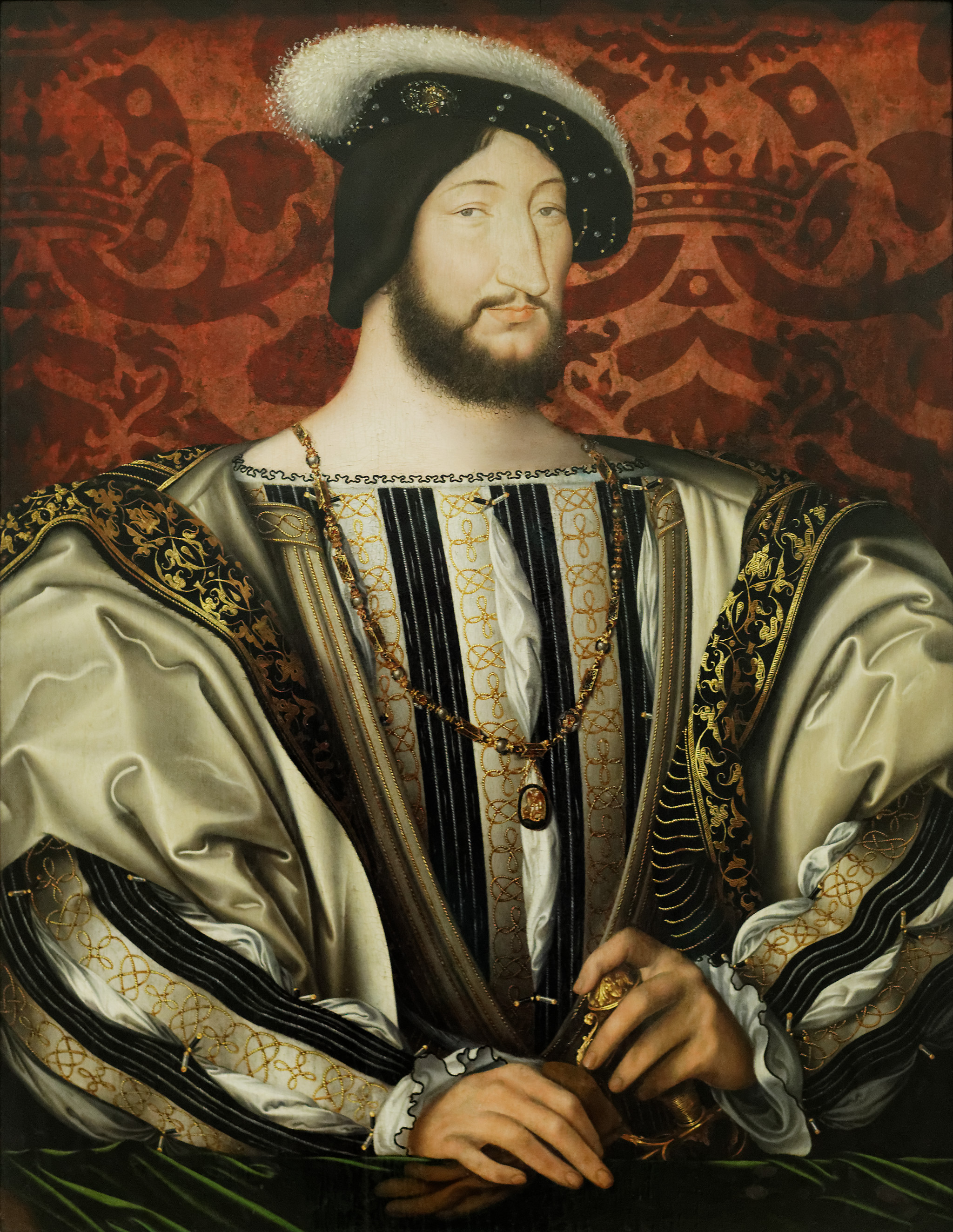
Francis I of France
 (François Ier (Le Père et Restaurateur des Lettres))
French Renaissance monarch who patronized Leonardo da Vinci, constructed Chambord, and standardized the French language.
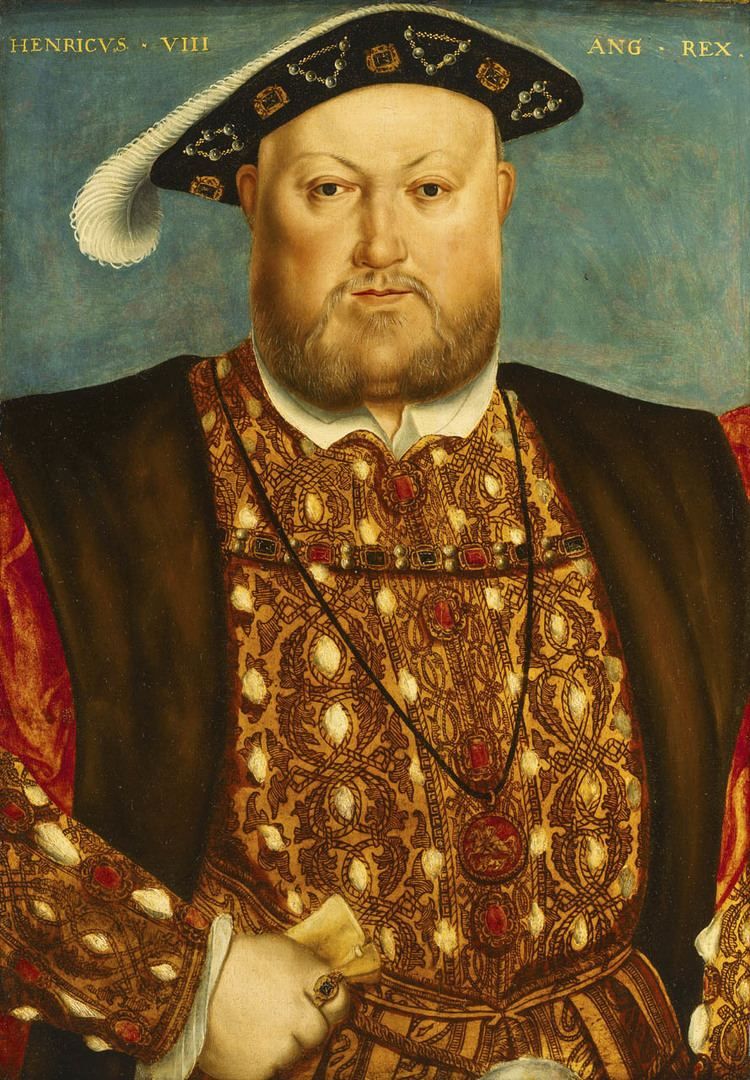
Henry VIII of England
 (Henry Tudor)
Formidable Tudor monarch who broke with the Roman Catholic Church to establish the Church of England, and father of the Royal Navy.
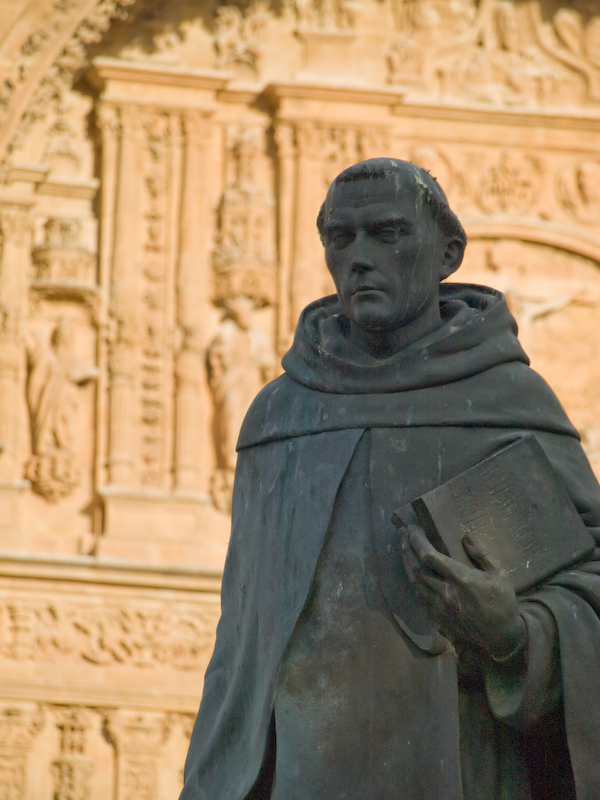
Francisco de Vitoria
 (Francisco de Vitoria)
Renaissance Dominican theologian and jurist of the School of Salamanca whose lectures 'De Indis' laid the foundations of modern international law, human rights, and the sovereign equality of indigenous peoples.
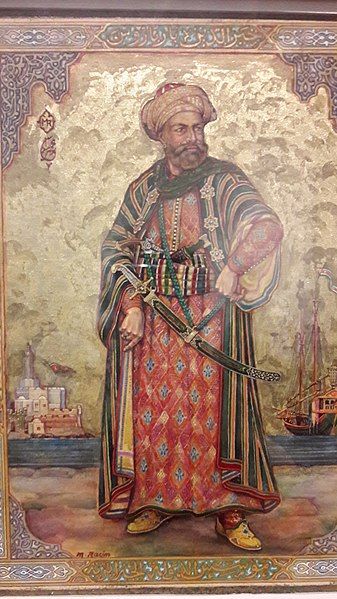
Hayreddin Barbarossa
 (خير الدين بربروس)
Younger brother of Aruj who placed Algiers under Ottoman caliphal protection, destroyed the Spanish Peñón of Algiers, conquered Tunis, and routed Holy League navies at the Battle of Preveza in 1538.
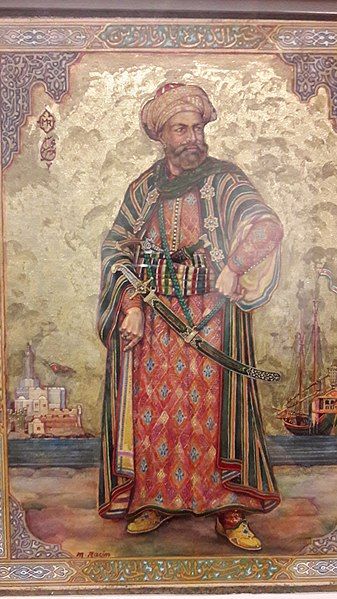
Hayreddin Barbarossa (Khizr Reis)
(بارباروس خير الدين باشا / Barbaros Hayreddin Paşa)
Grand Admiral (Kapudan Pasha) of the Ottoman Navy who defeated the Holy League at the Battle of Preveza, establishing Ottoman naval supremacy across the Mediterranean.
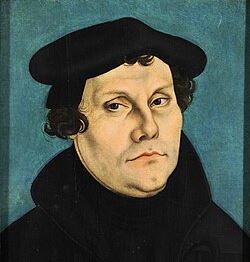
Martin Luther (Father of the Reformation)
 (Martin Luther)
German monk and professor whose Ninety-Five Theses sparked the Protestant Reformation. Translated the Bible into vernacular German, establishing foundational principles of justification by faith alone (Sola Fide) and scripture alone (Sola Scriptura).
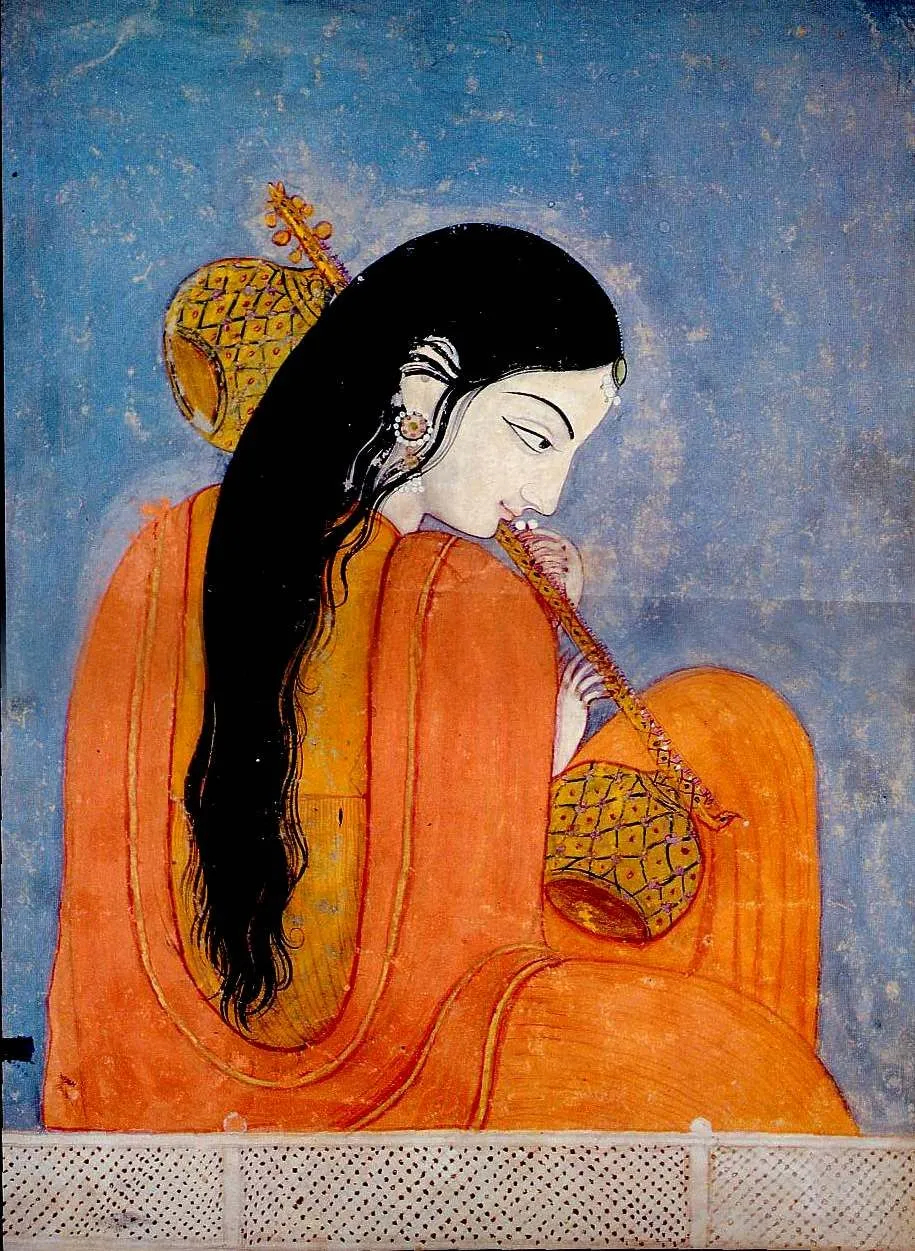
Mirabai
 (मीराबाई)
Legendary Rajput princess and supreme Bhakti poet-saint whose ecstatic bhajans to Lord Krishna defied royal patriarchy and caste taboos, inspiring millions across India.
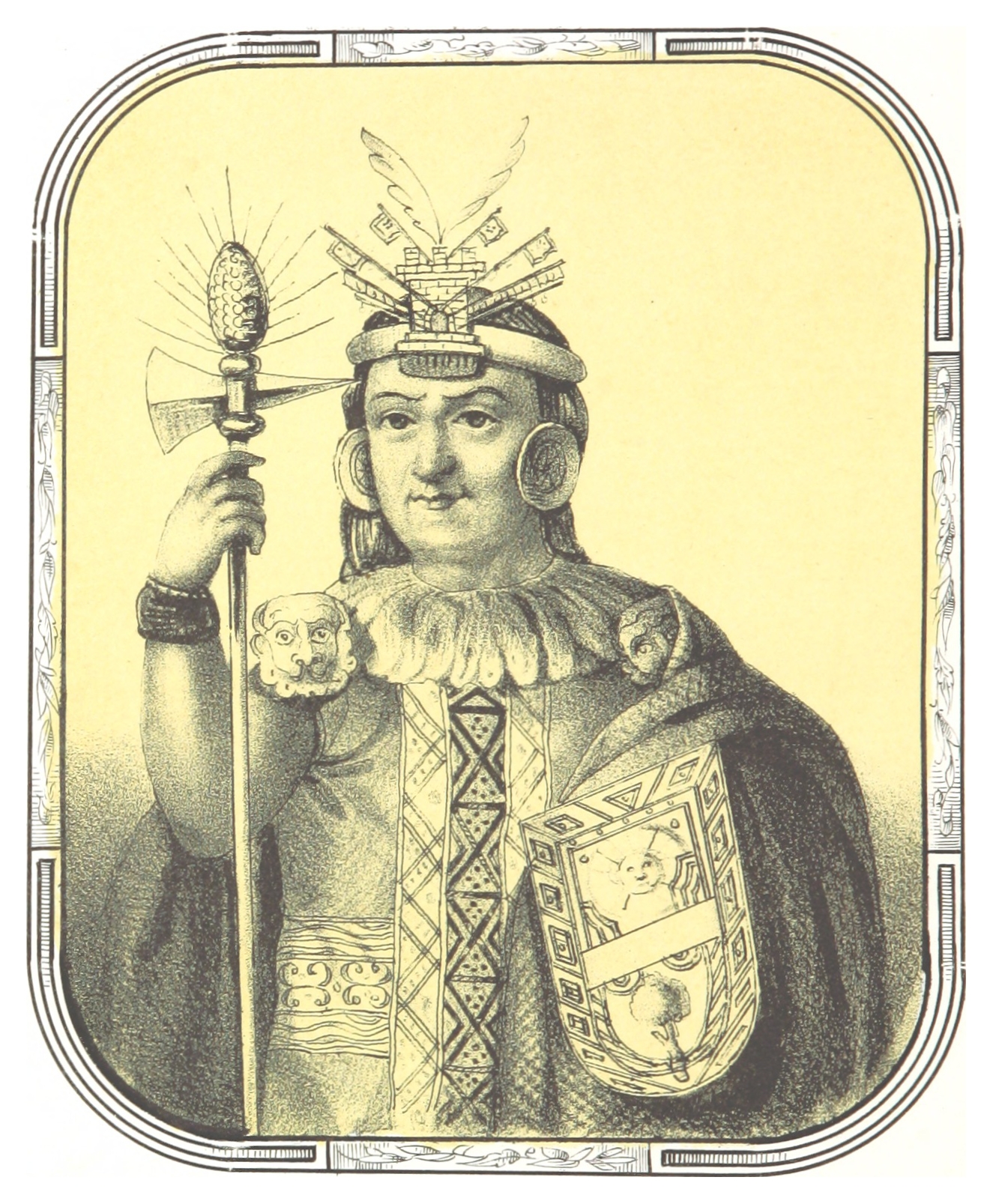
Manco Inca
 (Manqu Inka Yupanki)
Emperor of the Inca who escaped Spanish confinement in 1536 to launch the Great Inca Rebellion, laying siege to Spanish-occupied Cusco with 100,000 warriors and founding the independent Neo-Inca State in the cloud forests of Vilcabamba.
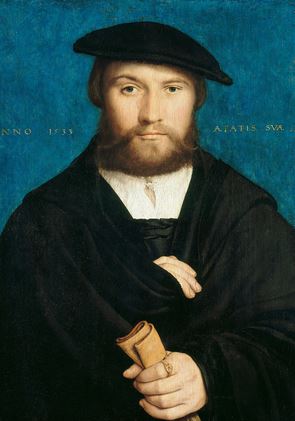
Hans Holbein the Younger
(Hans Holbein der Jüngere)
Supreme Northern Renaissance portraitist whose precise likenesses defined the court of King Henry VIII and European Humanism.
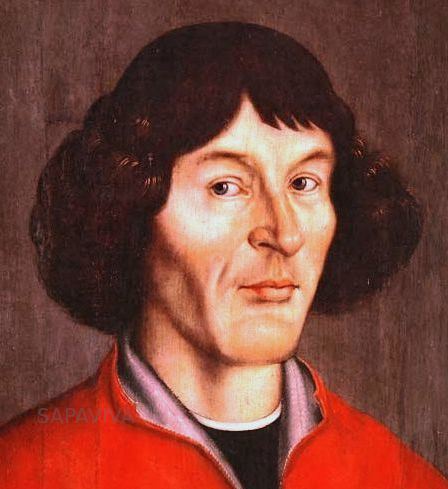
Nicolaus Copernicus
 (Mikołaj Kopernik)
Polish astronomer and canon whose 1543 masterpiece De revolutionibus orbium coelestium placed the Sun at the center of the universe, inaugurating the Scientific Revolution.
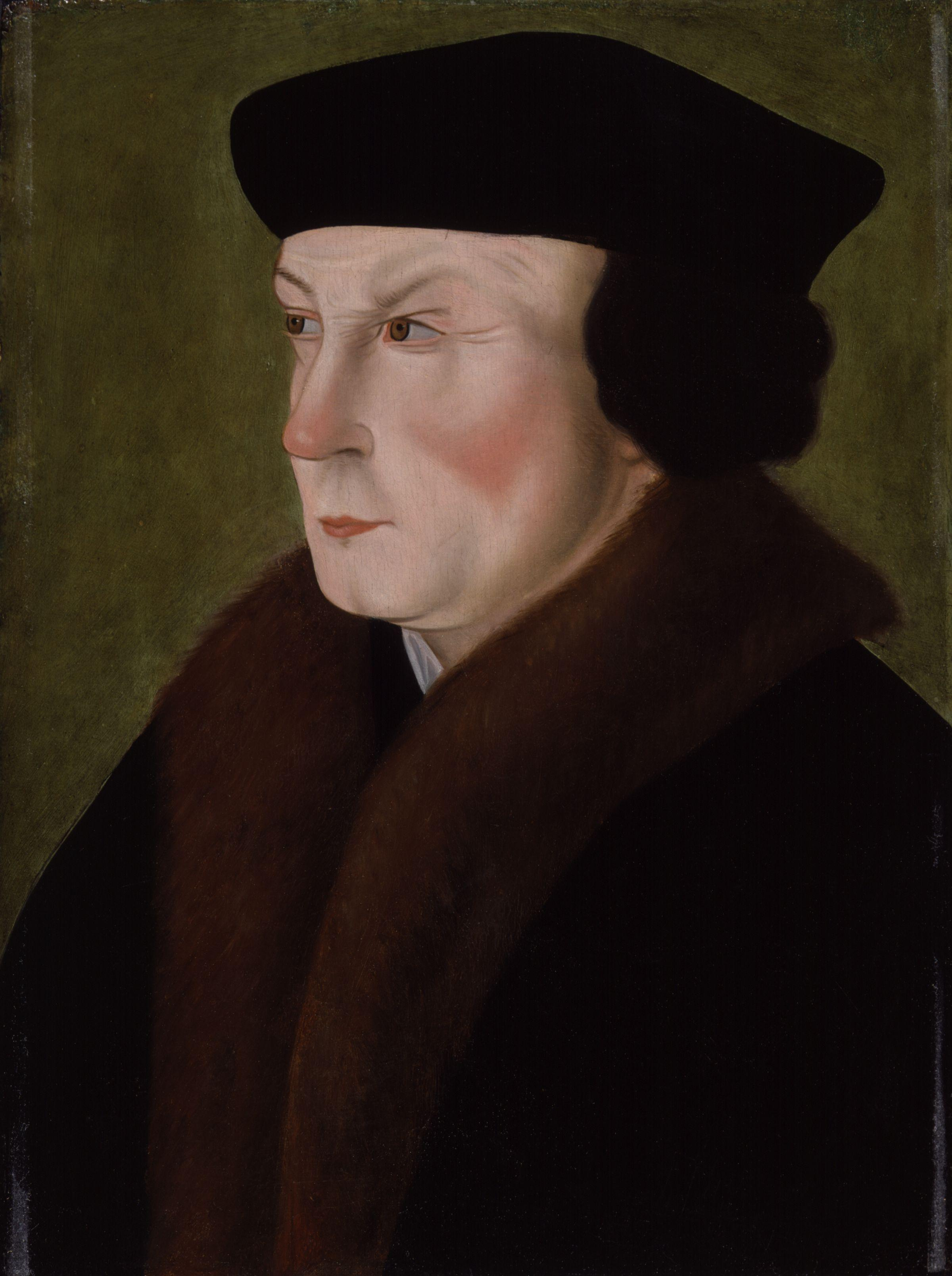
Thomas Cromwell, 1st Earl of Essex
(Thomas Cromwell)
Chief minister to King Henry VIII who orchestrated the English Reformation, established Royal Supremacy over the Church, and dissolved the monasteries.
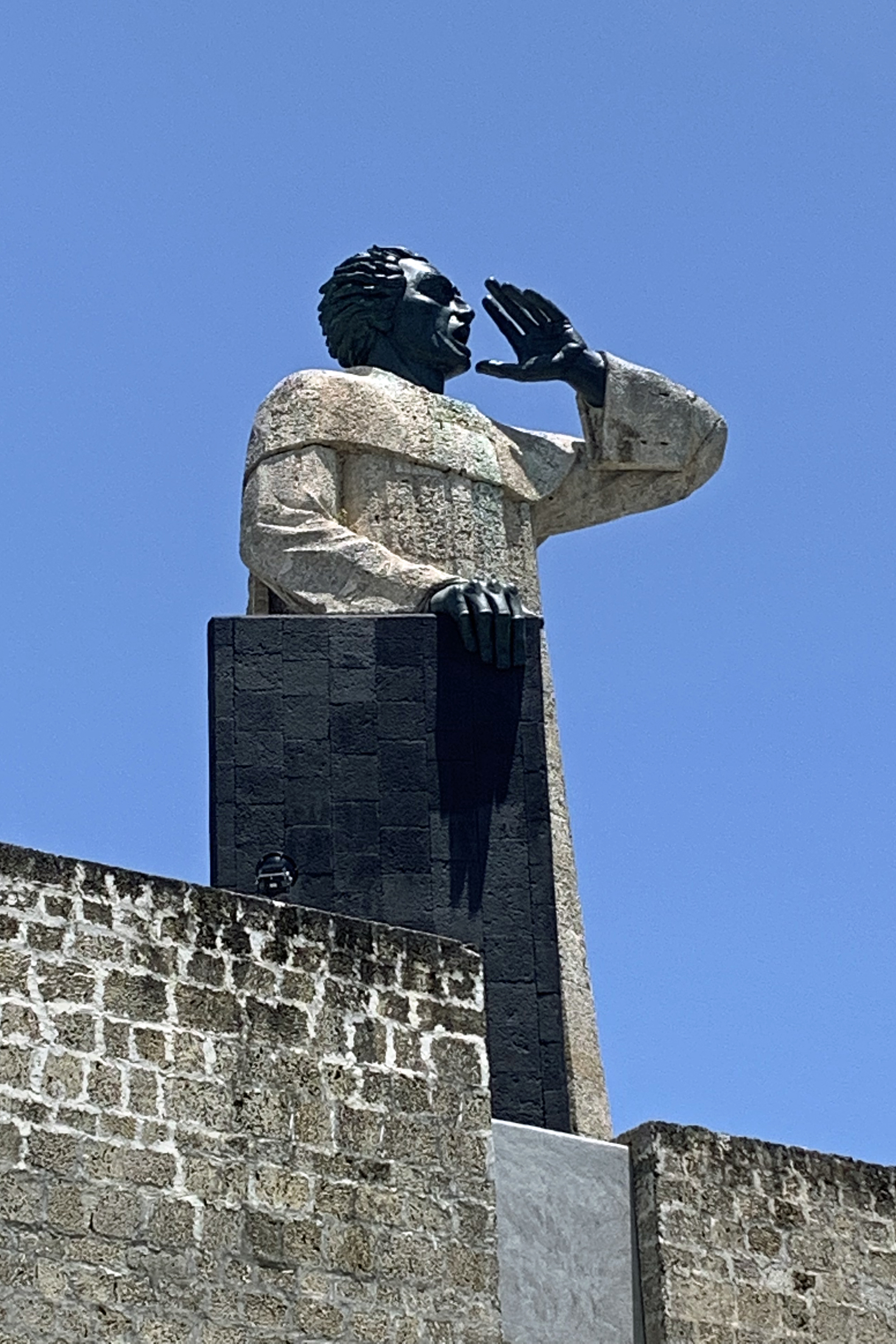
Antonio de Montesinos
(Fray Antonio de Montesinos)
Spanish Dominican friar who delivered the historic Advent sermon of 1511 on Hispaniola, the first public denunciation of European mistreatment and enslavement of indigenous peoples in the New World.
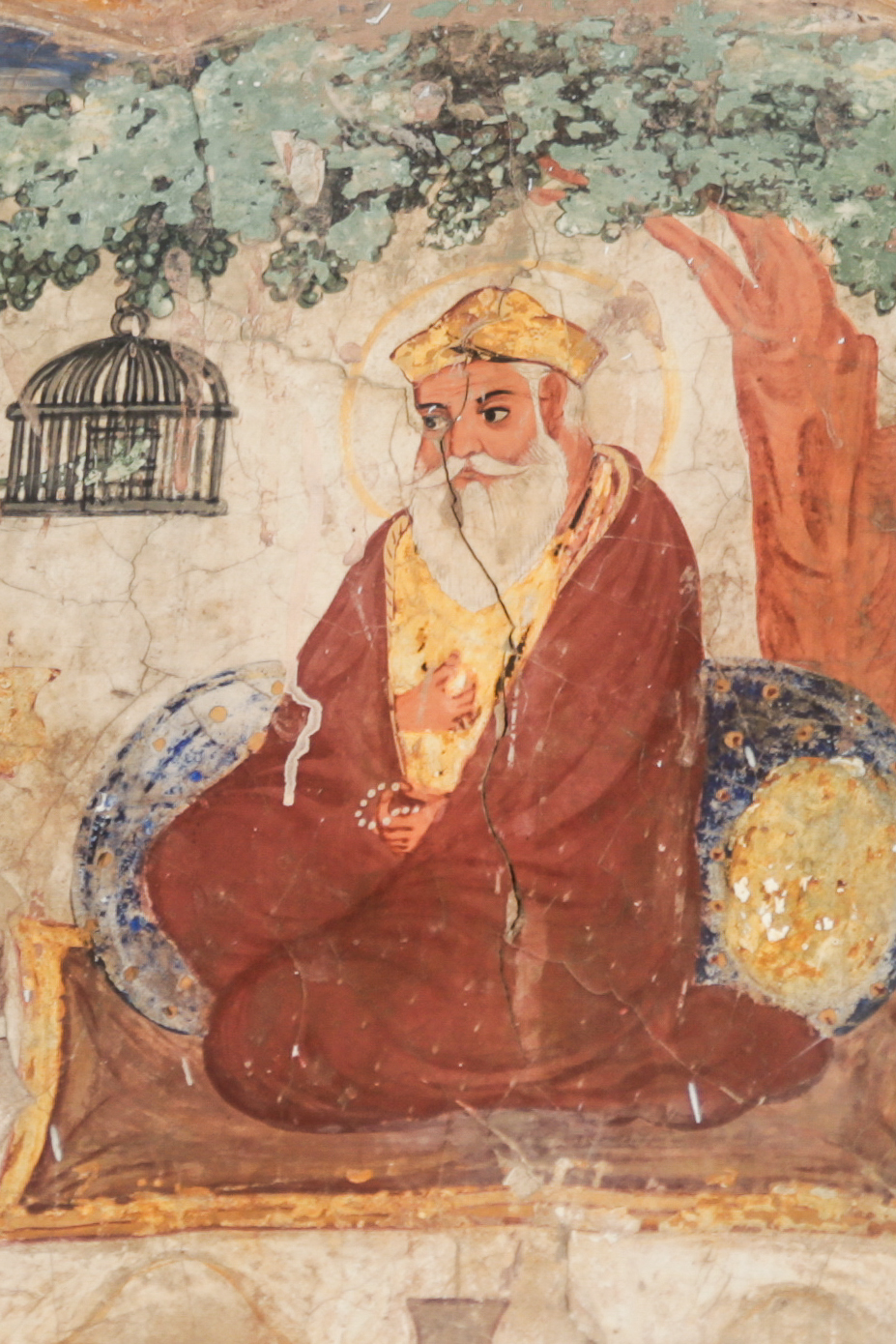
Guru Nanak
 (ਗੁਰੂ ਨਾਨਕ)
Founder of Sikhism and the first of the ten Sikh Gurus, who taught the oneness of God (Ik Onkar), equality of all human beings, and the institution of langar.
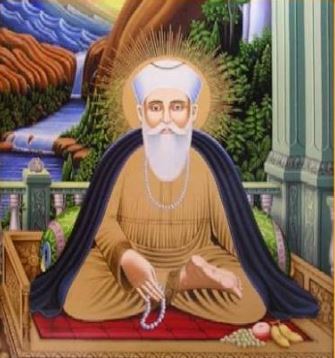
Guru Nanak Dev Ji (First Sikh Guru)
(ਗੁਰੂ ਨਾਨਕ ਦੇਵ (Gurū Nānak Dēv))
Founder of Sikhism who proclaimed the universal oneness of the Creator (Ik Onkar). Traveled thousands of miles across Asia on foot (Udasis), breaking caste discrimination and establishing the free communal kitchen (Langar).
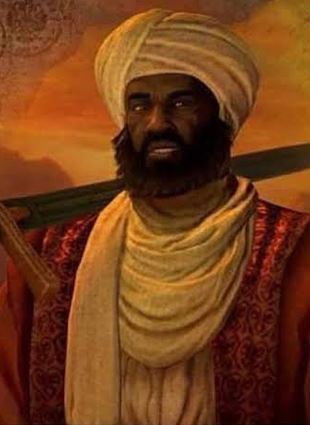
Askia Muhammad I (Askia Muhammad I (Askia the Great))
Emperor of the Songhai Empire known as Askia the Great, who expanded the empire to its maximum territorial height and made Timbuktu the premier intellectual capital of West Africa.
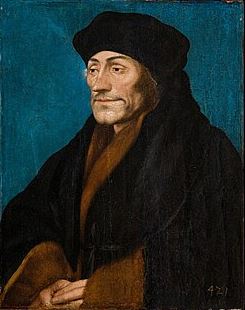
Desiderius Erasmus of Rotterdam
 (Desiderius Erasmus Roterodamus)
Leader of northern Christian humanism celebrated as the "Prince of the Humanists." Published the first printed Greek New Testament (Novum Instrumentum) and penned biting satires against clerical hypocrisy like Praise of Folly.
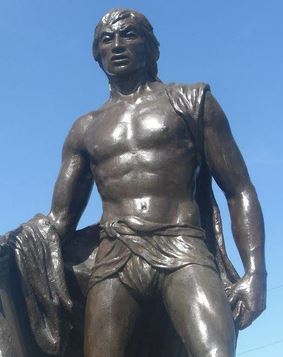
Enriquillo (Guarocuya (Enriquillo))
Taino cacique Guarocuya 'Enriquillo' who led a brilliant fourteen-year guerrilla war (1519–1533) in the Bahoruco mountains of Hispaniola, forcing Holy Roman Emperor Charles V to sign a royal peace treaty recognizing Taino autonomy and freedom.