Public Figures & Cultural Luminaries
Filterable archive covering centuries of intellectual, artistic, and moral contributions to the human story.
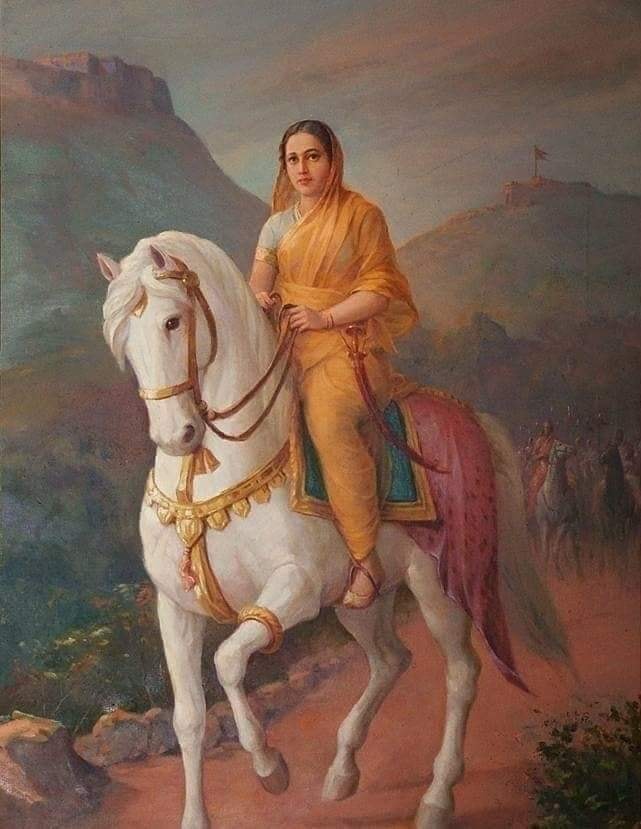
Maharani Tarabai
 (ताराबाई भोसले)
Queen regent of the Maratha Empire who organized and led the relentless resistance that successfully repelled Mughal Emperor Aurangzeb's twenty-five-year invasion of the Deccan.
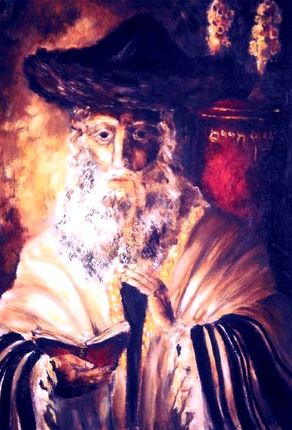
Israel ben Eliezer (The Besht / Baal Shem Tov)
 (רבי ישראל בעל שם טוב (הבעש״ט))
Eighteenth-century mystical healer and founder of Hasidic Judaism. Taught that God dwells within all creation, elevating the simple, joyful prayer and loving kindness of ordinary people above dry scholarly elitism.
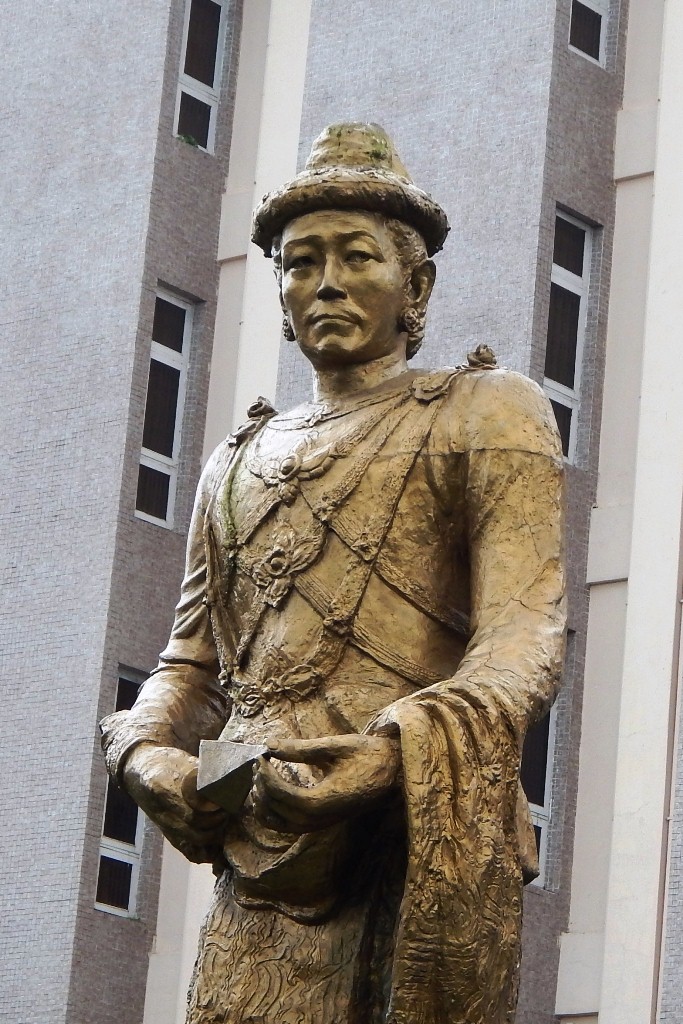
King Alaungpaya
 (အလောင်းမင်းတရား)
Founder of the Konbaung Dynasty who rose from a village headman to reunite Burma for the third time, founded the modern city of Yangon (Rangoon), and drove out French and British colonial outposts.
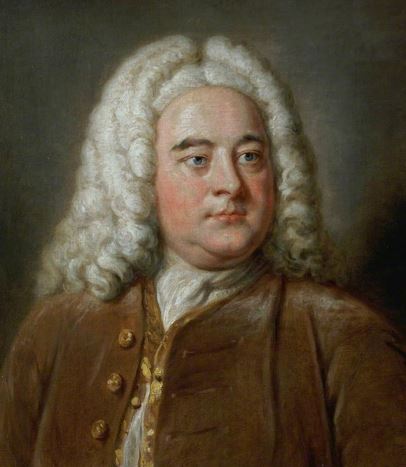
George Frideric Handel (Georg Friedrich Händel)
 (Georg Friedrich Händel)
German-British Baroque titan whose grand orchestral suites (Water Music, Music for the Royal Fireworks) and dramatic English oratorios—above all Messiah with its immortal Hallelujah Chorus—electrified European musical life.
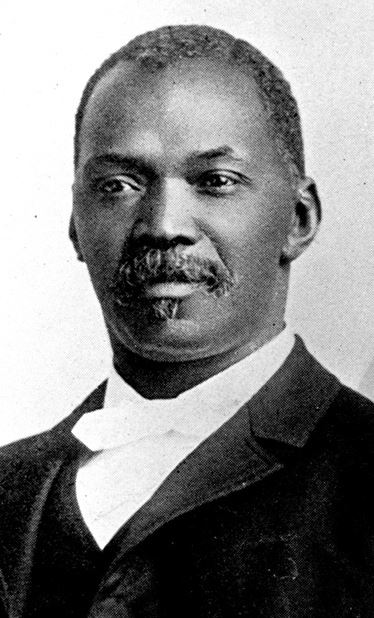
Anton Wilhelm Amo (Anton Wilhelm Amo)
Ghanaian-born philosopher who became the first African to earn a doctorate and hold a university professorship in Europe, teaching at Halle, Wittenberg, and Jena.
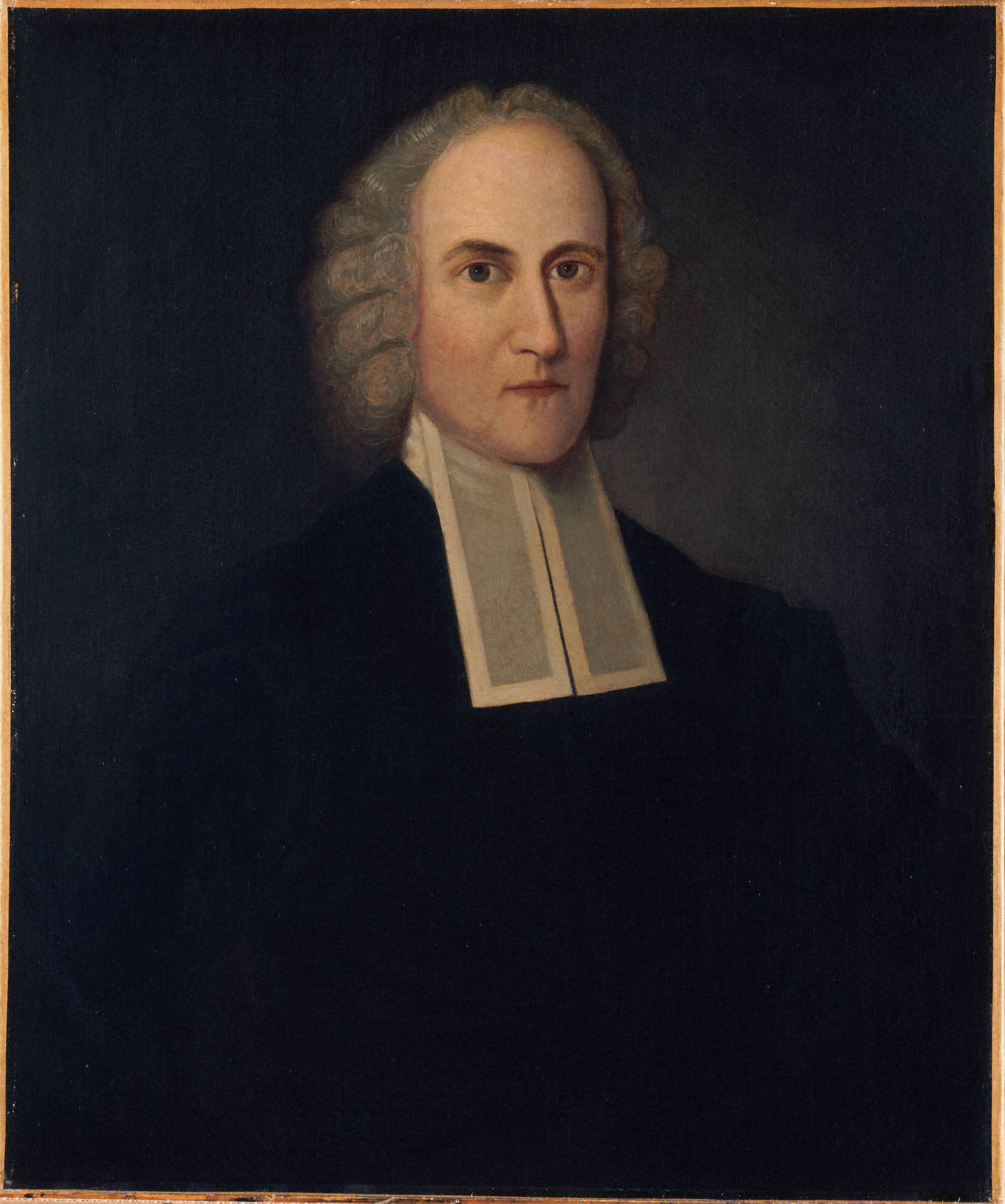
Jonathan Edwards
 (Jonathan Edwards)
Titan of American philosophical theology, revivalist of the First Great Awakening, and president of Princeton whose 'Religious Affections' and 'Freedom of the Will' shaped American intellectual life.
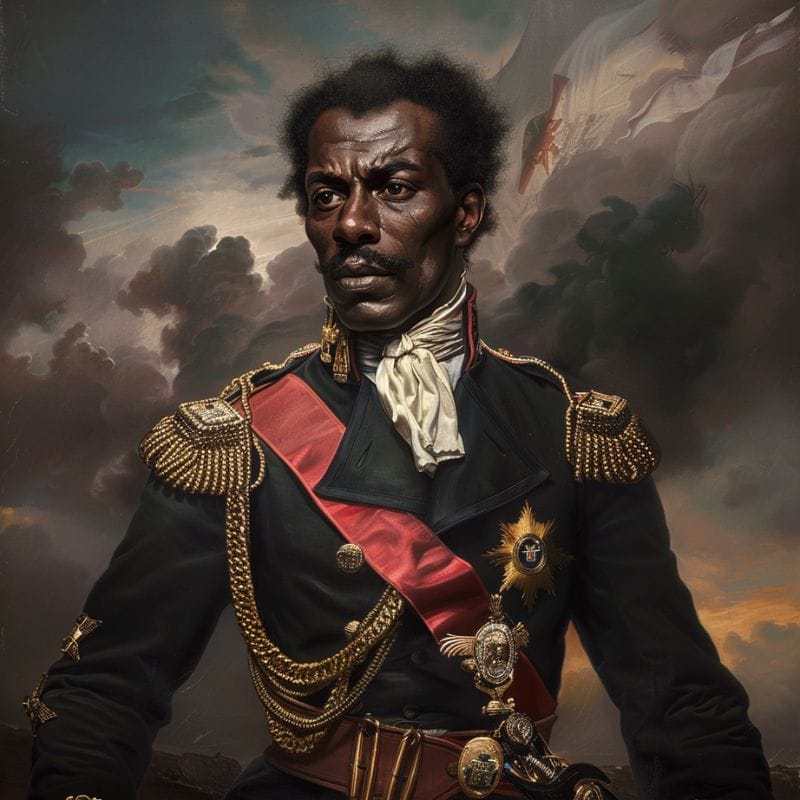
Francois Mackandal
 (Francois Mackandal)
Legendary Maroon guerrilla leader and herbalist in Saint-Domingue whose underground network of escaped slaves and botanical poisons terrorized French plantation owners for six years, inspiring the Haitian Revolution.
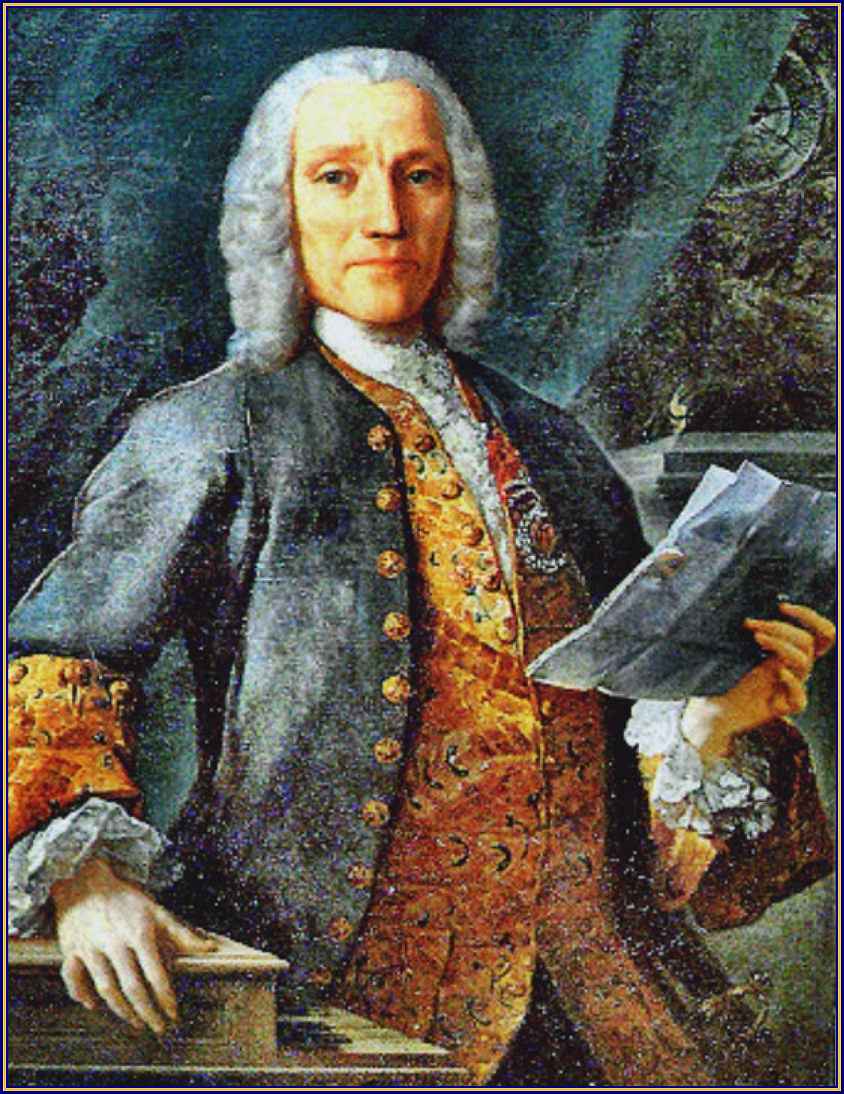
Domenico Scarlatti
 (Giuseppe Domenico Scarlatti)
Italian composer whose 555 brilliant keyboard sonatas pushed harpsichord virtuosity and harmonic audacity to unprecedented heights.
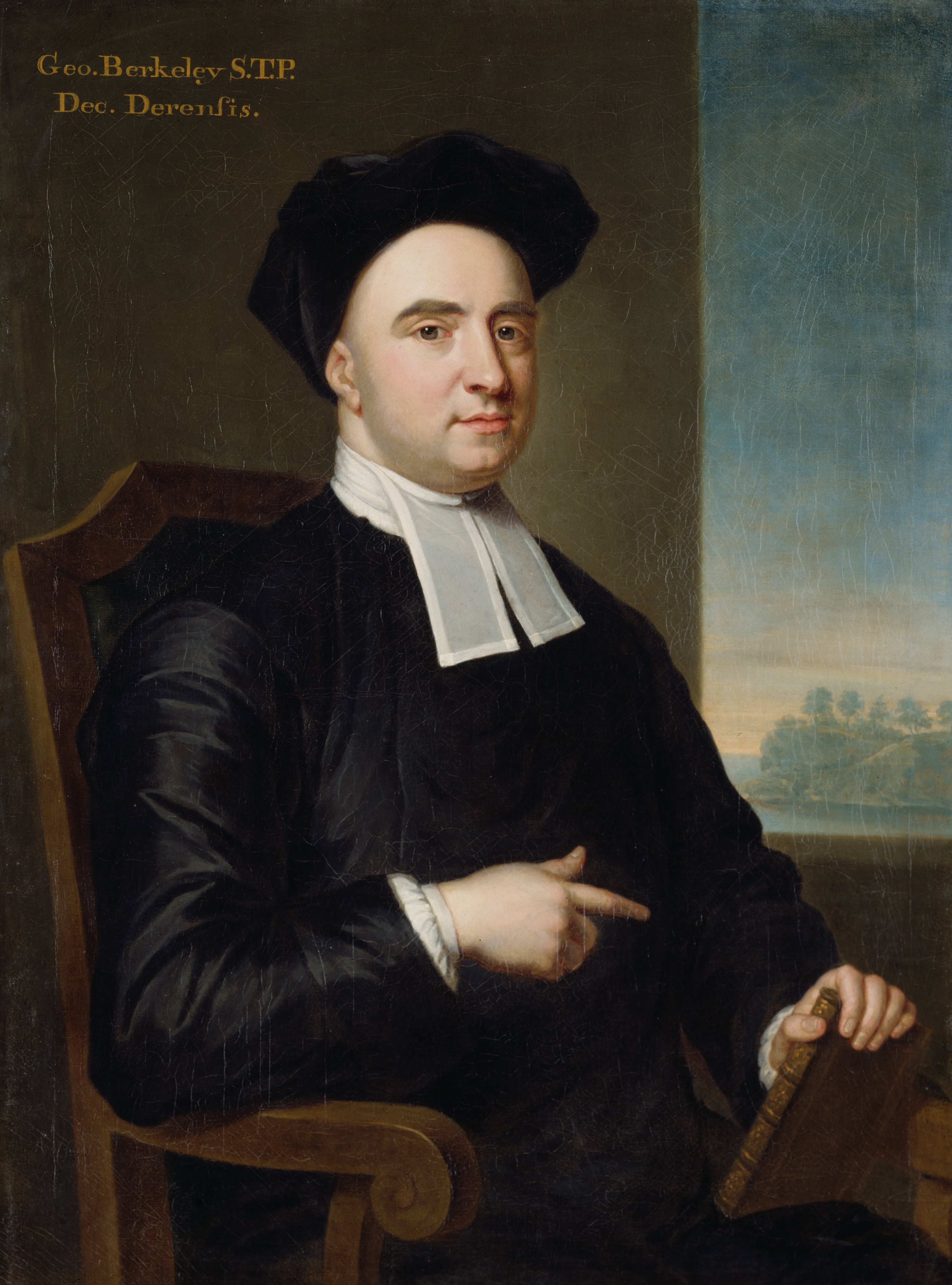
George Berkeley
 (George Berkeley)
Irish philosopher and Anglican bishop who formulated subjective idealism (immaterialism), asserting with the maxim 'esse est percipi' (to be is to be perceived) that material objects exist only as perceptions in minds.
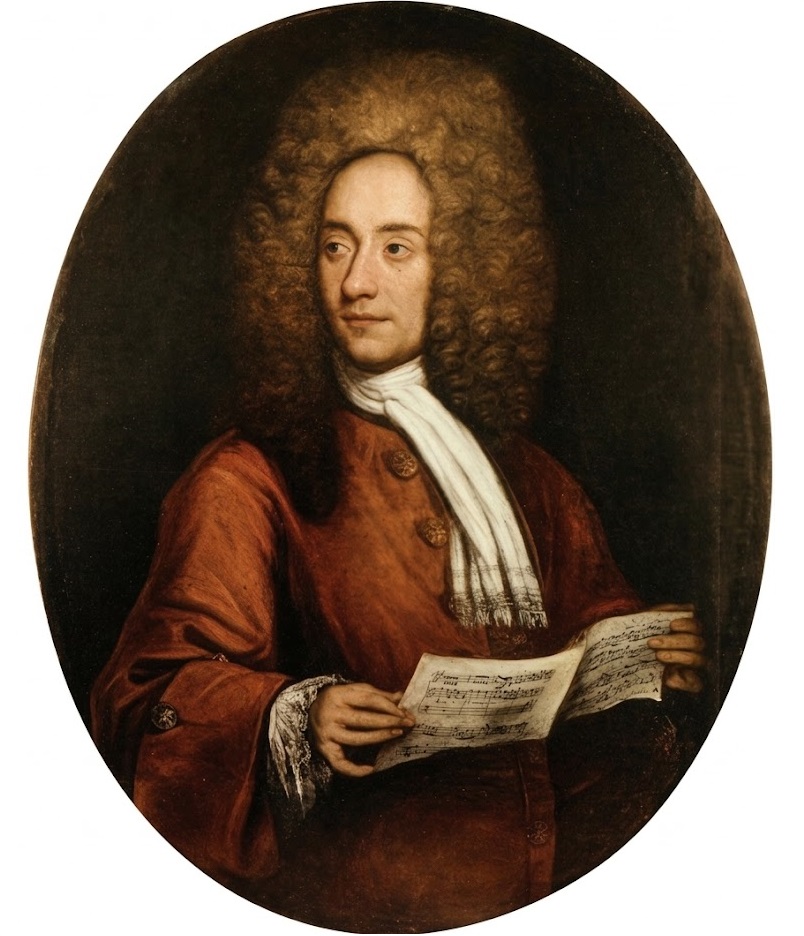
Tomaso Albinoni
(Tomaso Giovanni Albinoni)
Venetian Baroque composer celebrated for his lyrical oboe concertos, elegant trio sonatas, and Italian operas, whose melodic genius was deeply admired and studied by J.S. Bach.
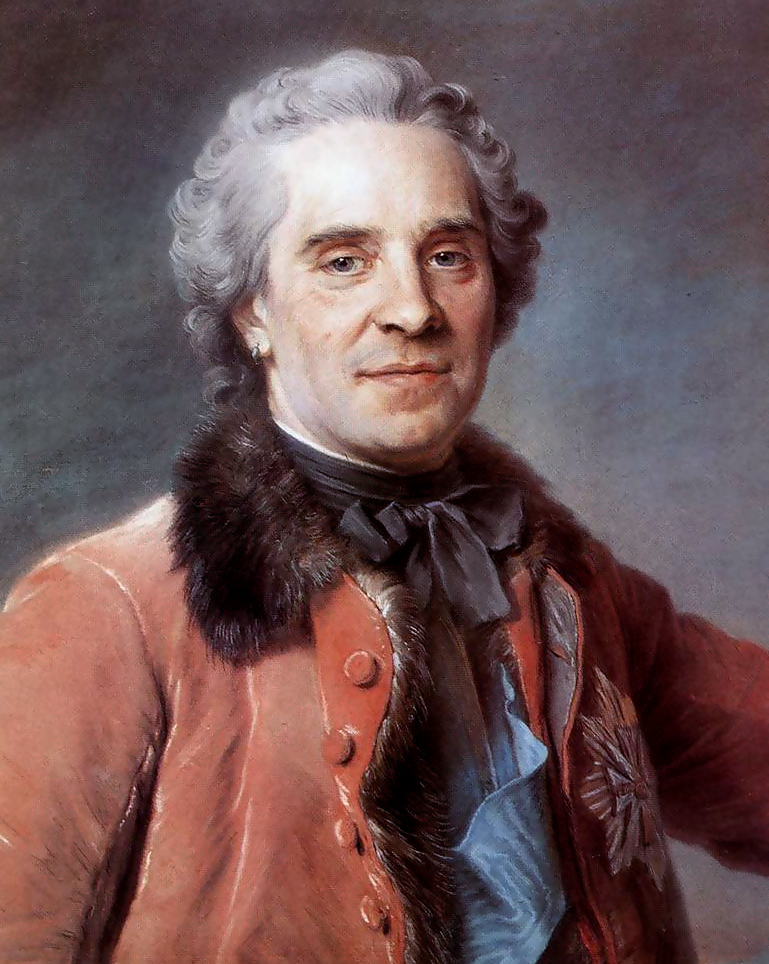
Maurice de Saxe (Marshal of Saxony)
(Hermann Maurice de Saxe)
Marshal General of France and visionary military theorist whose tactical brilliance won the Battle of Fontenoy and who authored the influential treatise Mes Rêveries.
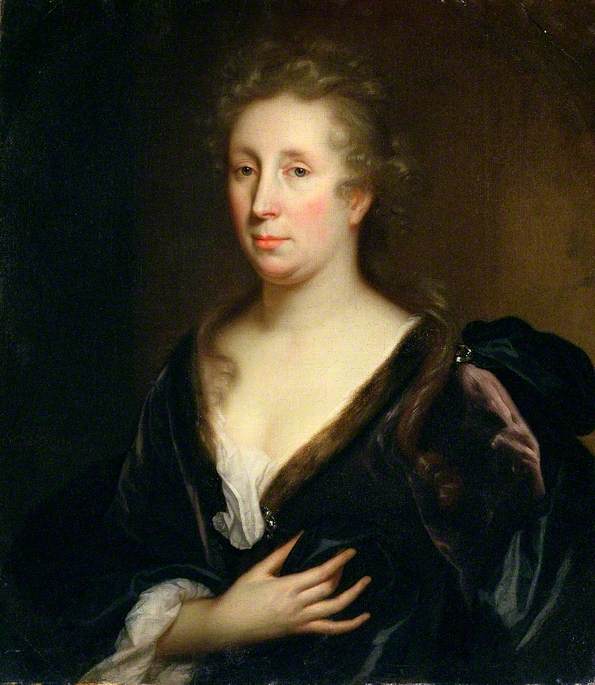
Rachel Ruysch
 (Rachel Ruysch)
Pre-eminent Dutch Golden Age flower painter whose exquisite scientific botanical accuracy, dramatic lighting, and vibrant floral bouquets earned international royal commissions across a 60-year career.
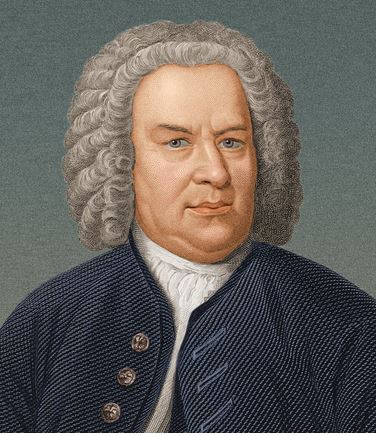
Johann Sebastian Bach
(Johann Sebastian Bach)
Supreme master of Western music whose towering achievements in counterpoint, sacred cantatas, the Mass in B minor, the St Matthew Passion, and The Well-Tempered Clavier stand as the absolute summit of the Baroque era.
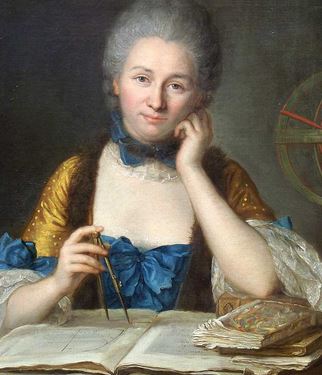
Émilie du Châtelet
 (Gabrielle Émilie Le Tonnelier de Breteuil, marquise du Châtelet)
French Enlightenment mathematician and physicist whose translation and commentary on Newton's Principia remains the standard French text, and who proved that kinetic energy is proportional to mv².
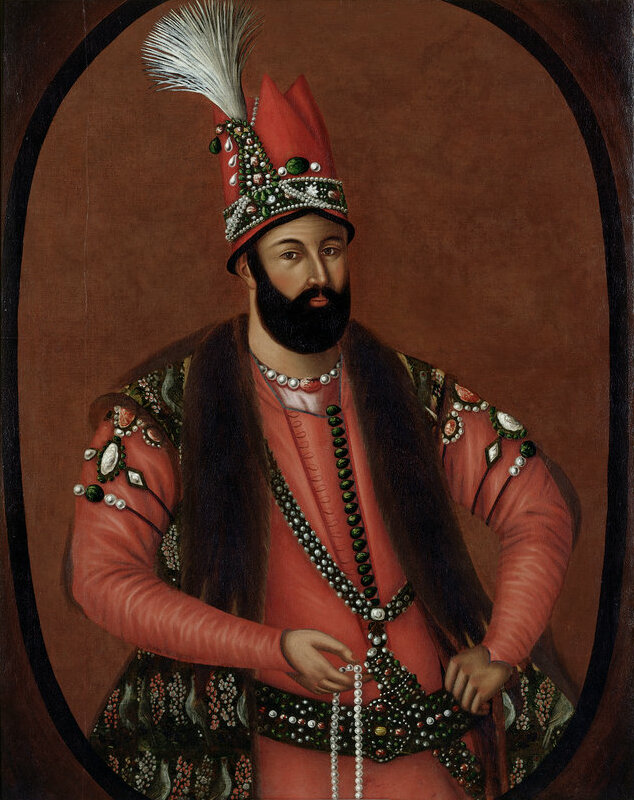
Nadir Shah
 (نادر شاه افشار)
Founder of the Afsharid Dynasty of Iran celebrated as the 'Sword of Persia' and 'Napoleon of Persia', who liberated Iran from Afghan occupation and seized the Peacock Throne and Koh-i-Noor diamond in Delhi.
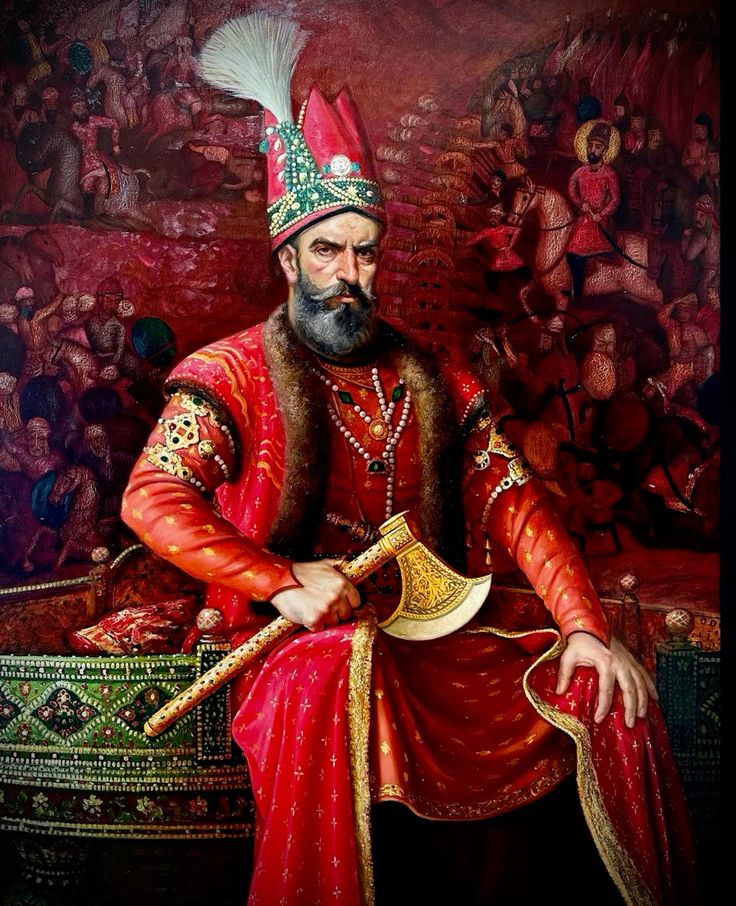
Nader Shah (The Sword of Persia)
(نادر شاه افشار (Nāder Qoli Beg))
Founder of the Afsharid Dynasty, military genius known as the 'Napoleon of Persia' who conquered Delhi and carried off the Peacock Throne.
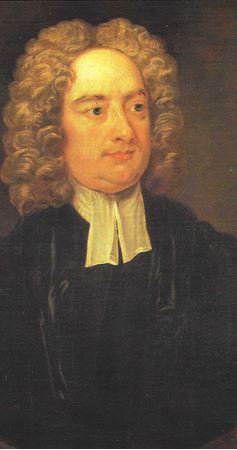
Jonathan Swift
(Jonathan Swift)
Foremost prose satirist in the English language and Dean of St Patrick's Cathedral in Dublin, whose Gulliver's Travels and biting satire A Modest Proposal exposed the savagery and hypocrisy of human politics.
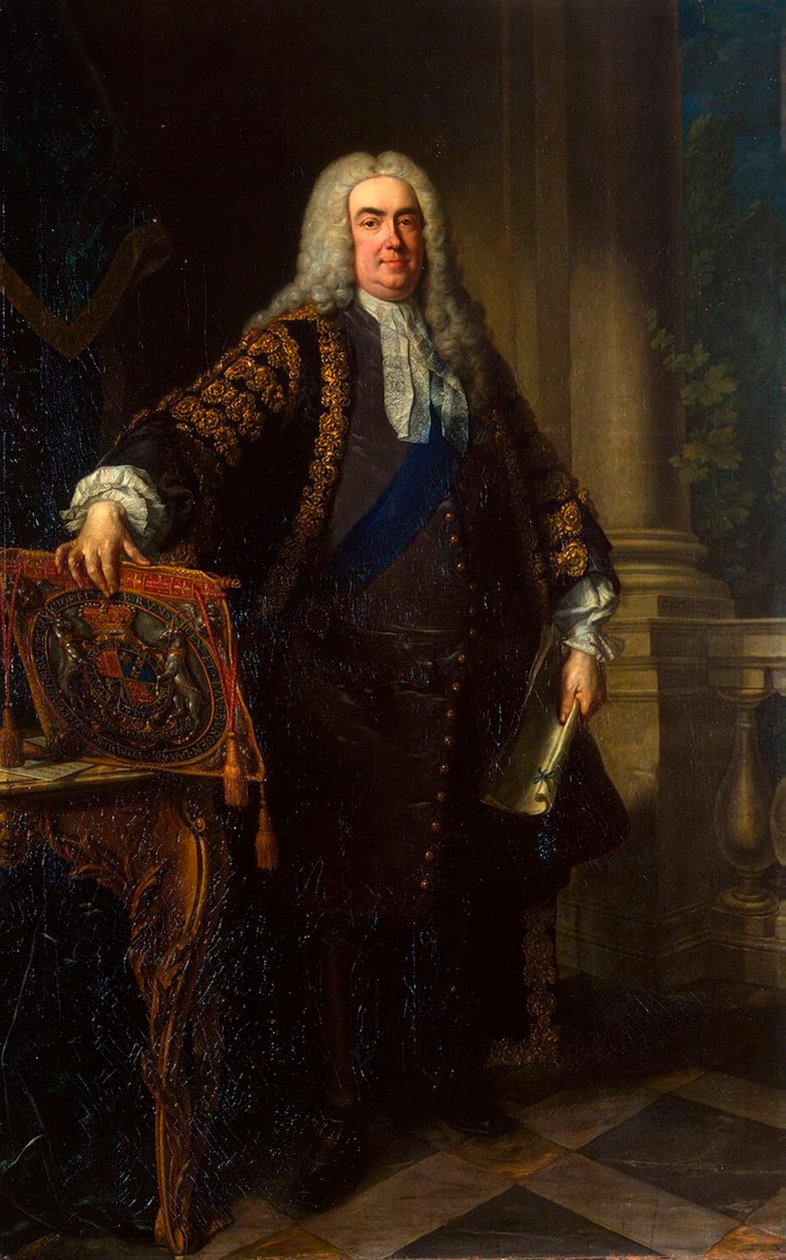
Sir Robert Walpole, 1st Earl of Orford
 (Robert Walpole)
Universally recognized as Great Britain's first Prime Minister, who led the British government for over twenty years, stabilized finances after the South Sea Bubble, and established 10 Downing Street.