Public Figures & Cultural Luminaries
Filterable archive covering centuries of intellectual, artistic, and moral contributions to the human story.
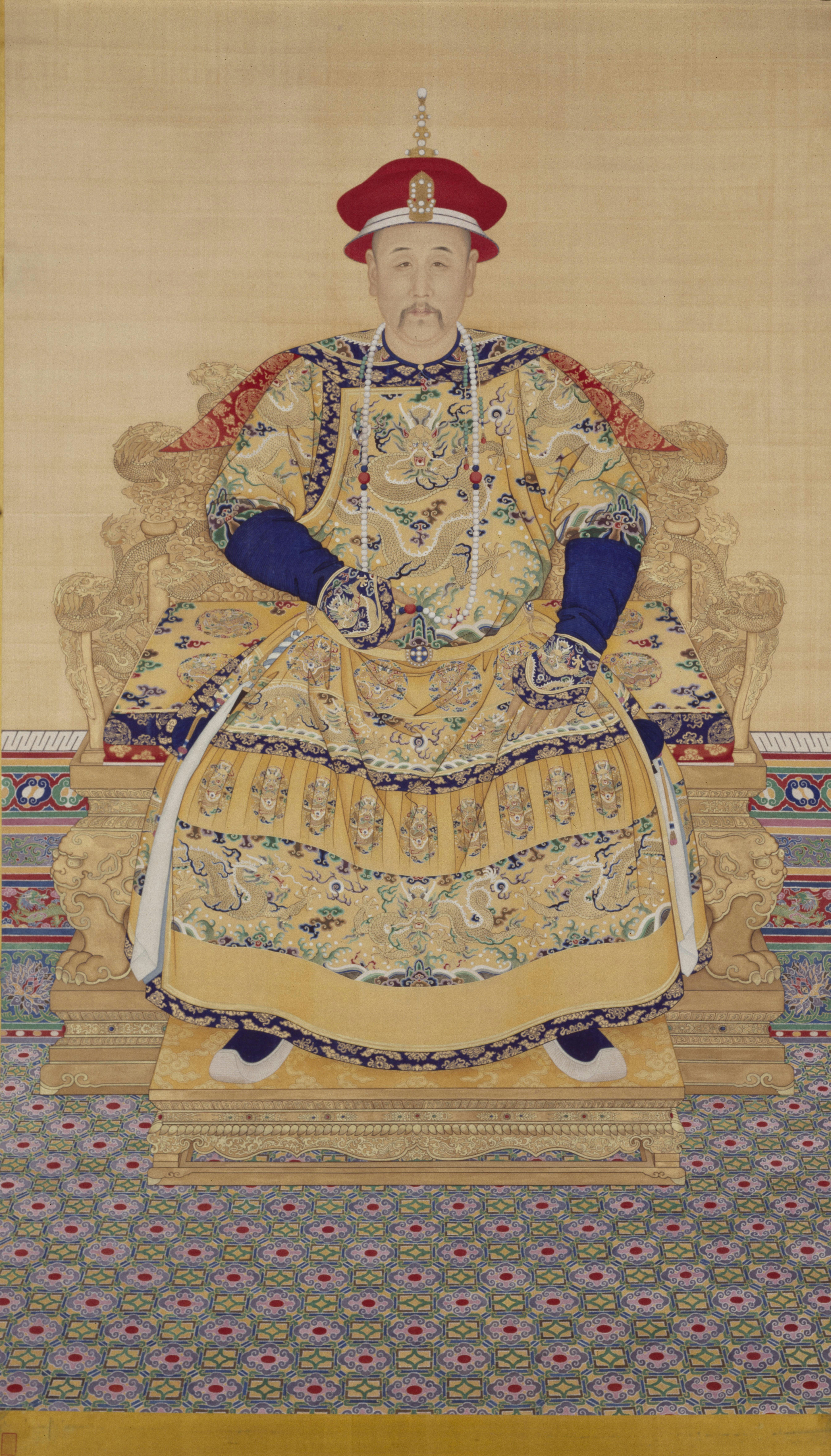
Kangxi Emperor
 (康熙帝 (爱新觉罗·玄烨))
Fourth emperor of the Qing Dynasty whose 61-year reign is the longest in Chinese history, who consolidated Manchu rule, defeated the Three Feudatories, and commissioned the Kangxi Dictionary.
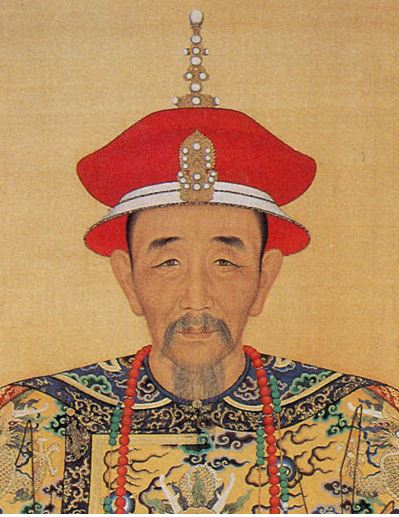
Kangxi Emperor (Aisin Gioro Xuanye)
(康熙帝 (Elhe Taifin Hūwangdi))
Longest-reigning Emperor of China (61 years) who consolidated Qing rule over China, Taiwan, and Mongolia. A brilliant polymath who mastered Manchu, Chinese, Latin, and mathematics, commissioning the monumental Kangxi Dictionary.
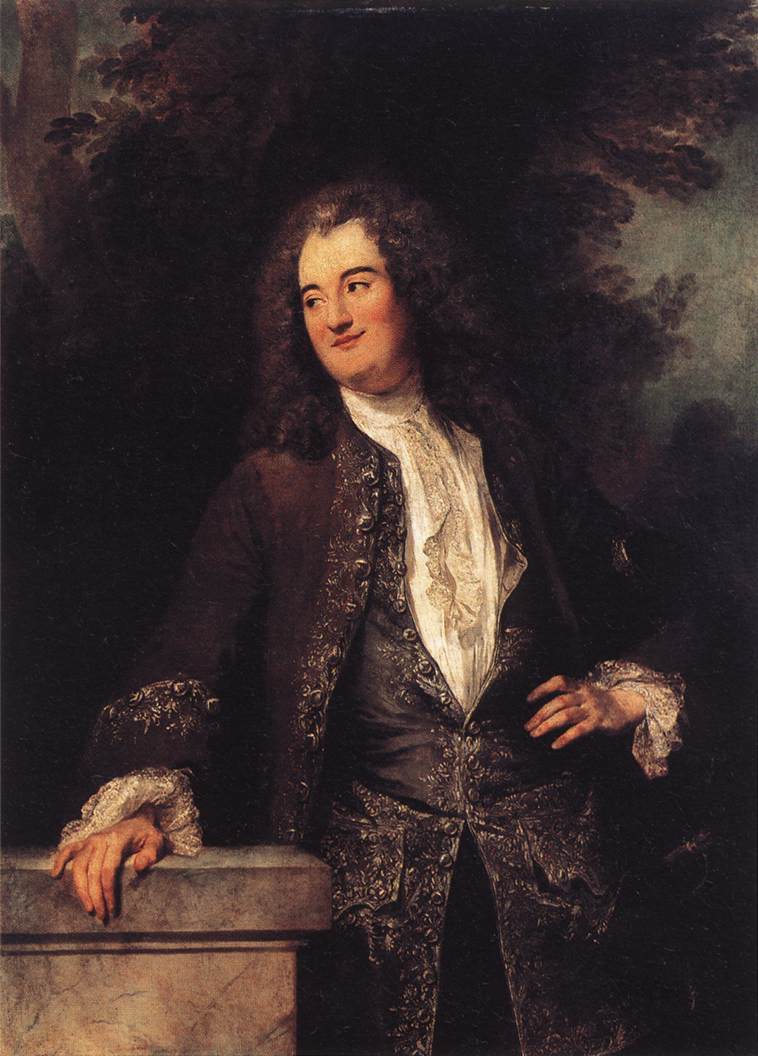
Jean-Antoine Watteau
 (Antoine Watteau)
Pioneering French Rococo painter who invented the 'fête galante' genre, capturing fleeting romantic intimacy, music, and melancholy in 'The Embarkation for Cythera'.
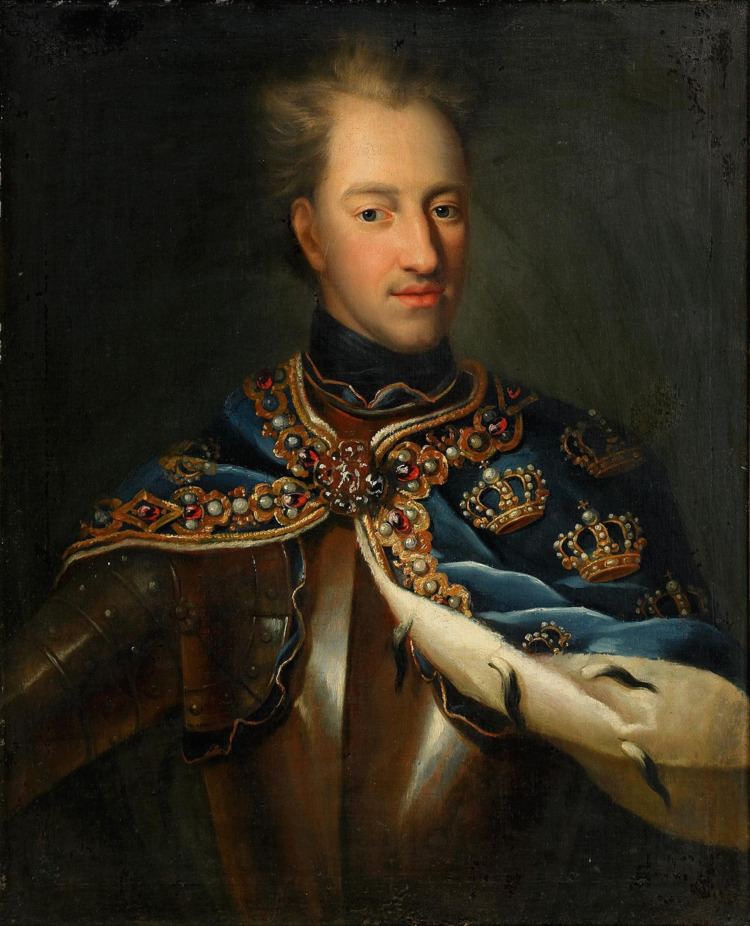
Charles XII of Sweden
 (Karl XII (Carolus Rex))
Warrior King of the Swedish Empire (Carolus Rex) whose military genius dominated the Great Northern War before defeat at Poltava.
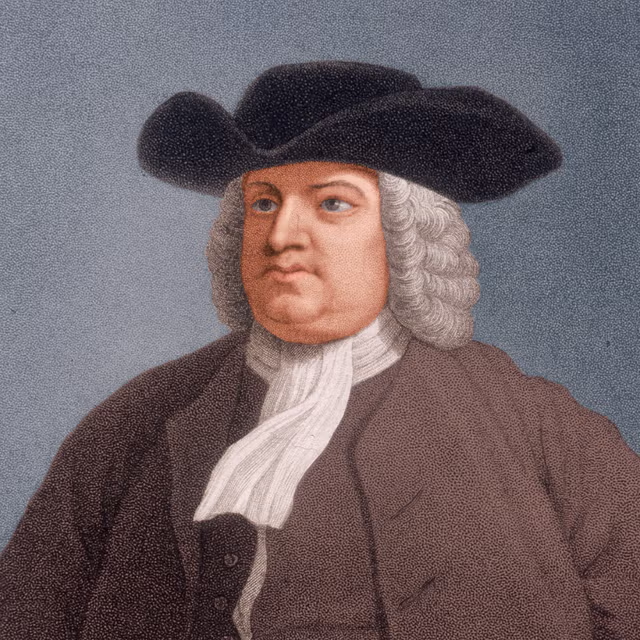
William Penn
 (William Penn)
Fondateur de la province de Pennsylvanie, pionnier de la liberté religieuse, de la démocratie participative et des traités de paix équitables avec les Amérindiens.
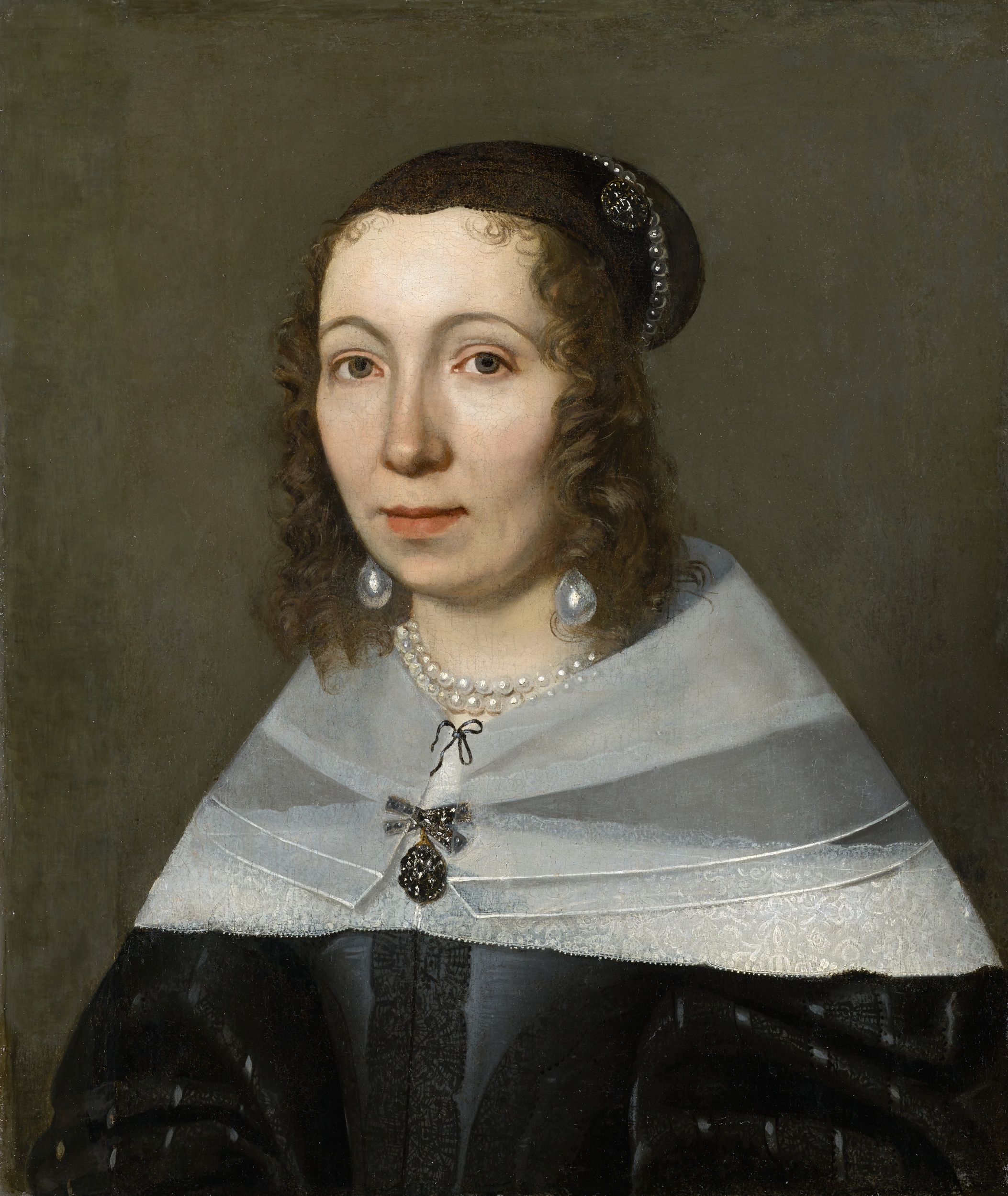
Maria Sibylla Merian
 (Maria Sibylla Merian)
German-Dutch scientific illustrator, botanist, and entomologist whose expedition to Suriname and masterpiece 'Metamorphosis Insectorum Surinamensium' revolutionized art and science.
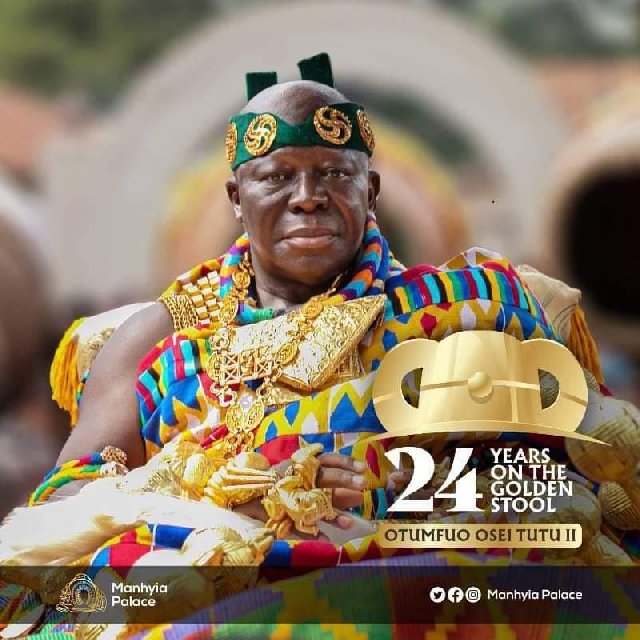
Osei Tutu I (Otumfuo Osei Tutu)
 (Osei Tutu I / Opemsuo)
Founder and first Asantehene of the Ashanti Empire who united the Akan clans and established Kumasi around the sacred Golden Stool.
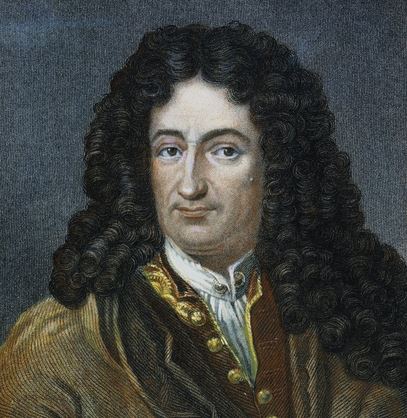
Gottfried Wilhelm Leibniz
(Gottfried Wilhelm Leibniz)
Universal genius who co-invented infinitesimal calculus, built mechanical calculators, and formulated the Monadology, the Principle of Sufficient Reason, and optimistic theodicy.
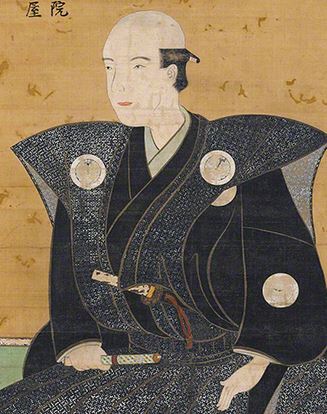
Ogata Korin
 (尾形 光琳)
Major Japanese painter and lacquer artist of the Edo period who revived and formalized the Rinpa school, world-renowned for his gold-leaf screens Irises and Red and White Plum Blossoms.
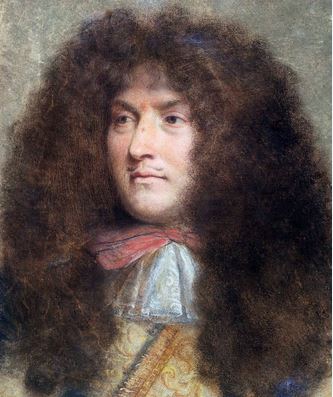
Louis XIV (The Sun King / Louis the Great)
(Louis XIV (Le Roi-Soleil))
The "Sun King" whose 72-year reign is the longest recorded in European history. Consolidated absolute royal authority, built the magnificent Palace of Versailles, and presided over the Grand Siècle of French cultural, military, and artistic preeminence.
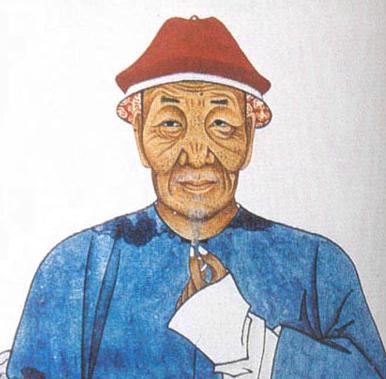
Pu Songling
(蒲松齡 (Pu Liuxian / Liaozhai Xiansheng))
Qing dynasty author (1640–1715) renowned for 'Strange Tales from a Chinese Studio' (Liaozhai Zhiyi), a brilliant collection of nearly five hundred classical prose stories featuring ghosts, fox spirits, and sharp moral satires.
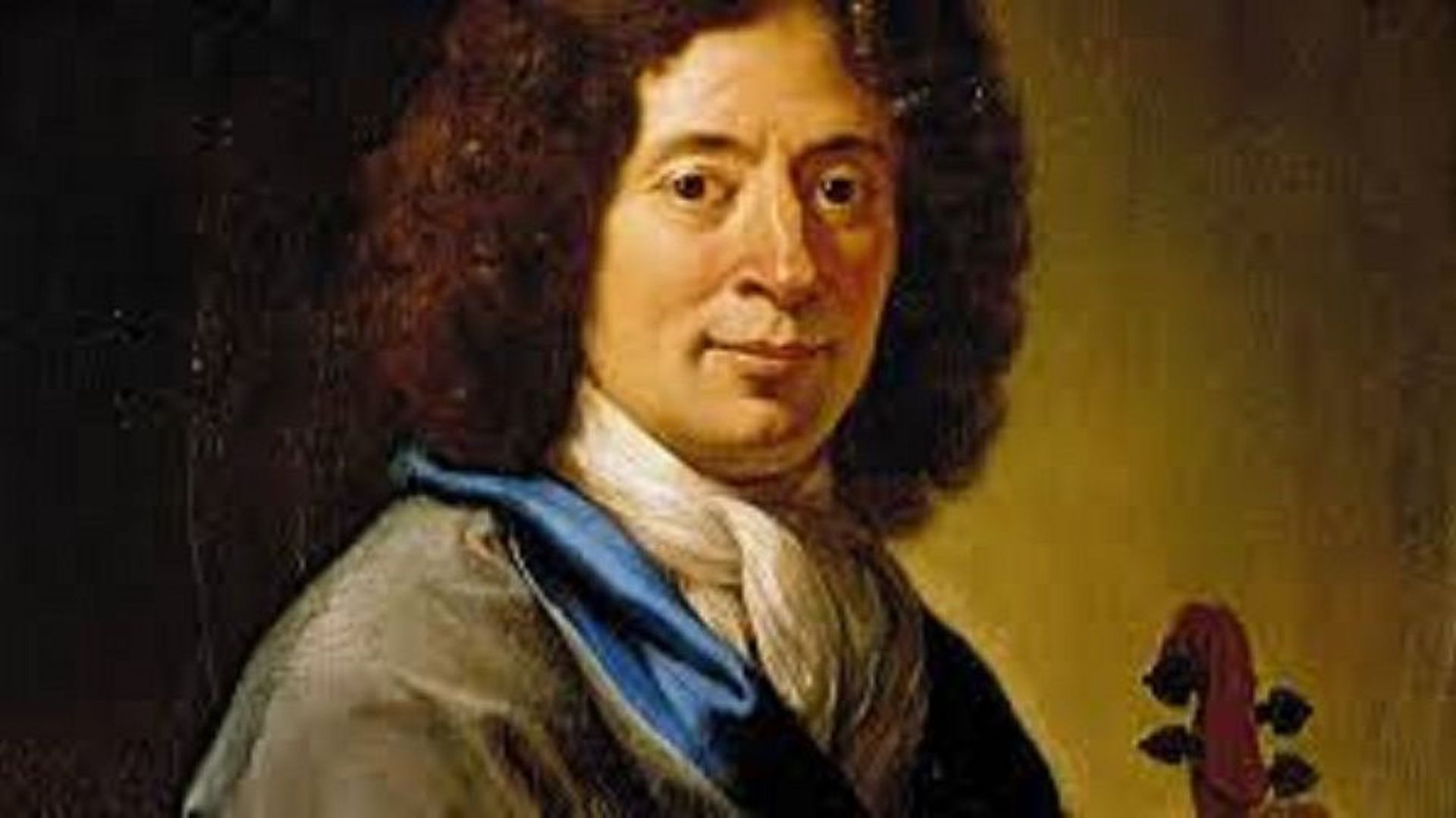
Arcangelo Corelli
 (Arcangelo Corelli)
Italian Baroque composer and violin virtuoso who developed the modern concerto grosso and classical violin technique.
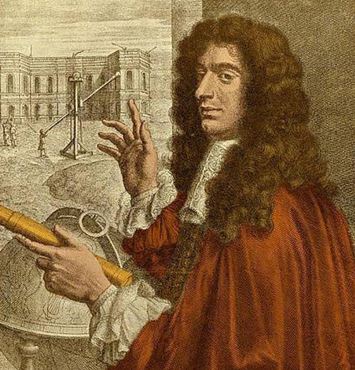
Giovanni Domenico Cassini
(Gian Domenico Cassini)
First Director of the Paris Observatory who discovered the Cassini Division in Saturn's rings, four Saturnian moons (Iapetus, Rhea, Tethys, Dione), and the rotation of Jupiter and Mars.
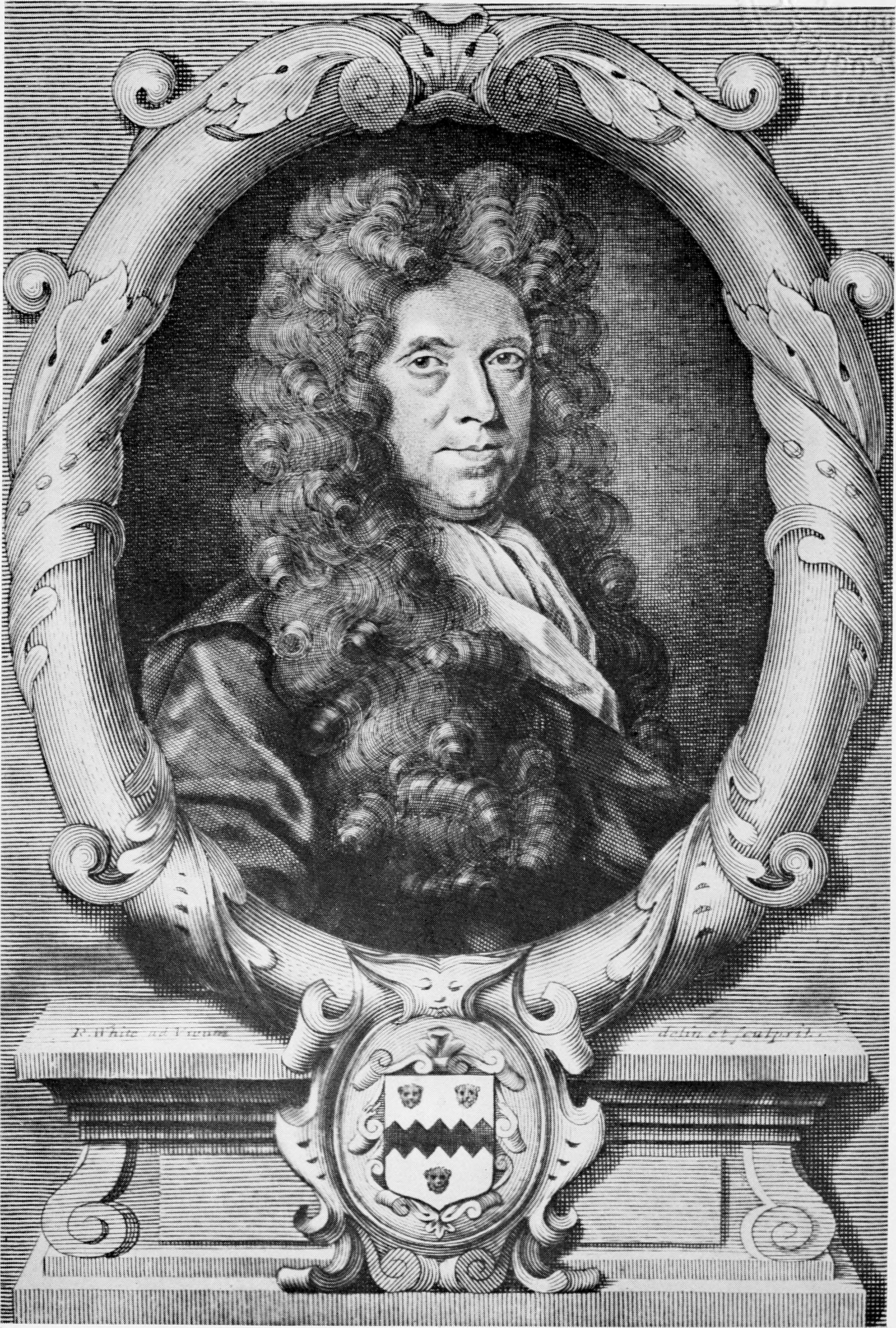
Nehemiah Grew
(Nehemiah Grew)
English physician and plant anatomist who co-founded plant anatomy alongside Malpighi, discovered that flowers are sexual reproductive organs, and published the first scientific description of human fingerprints.
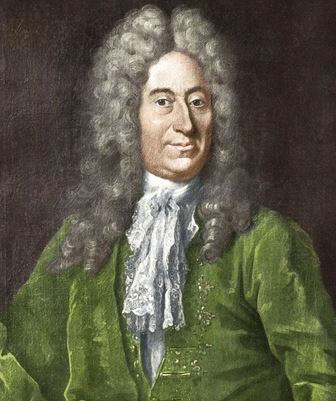
Ole Rømer
 (Ole Christensen Rømer)
Danish astronomer who made the first quantitative measurement of the speed of light in 1676 by observing the timing discrepancies of Jupiter's moon Io during Earth's orbital journey.
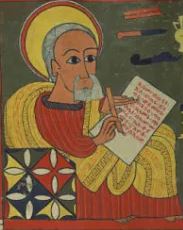
Walda Heywat (ወልደ ሕይወት)
Ethiopian philosopher and foremost disciple of Zar Yaqob who expanded the Hatata with profound ethical treatises on practical morality, women's rights, and social justice.
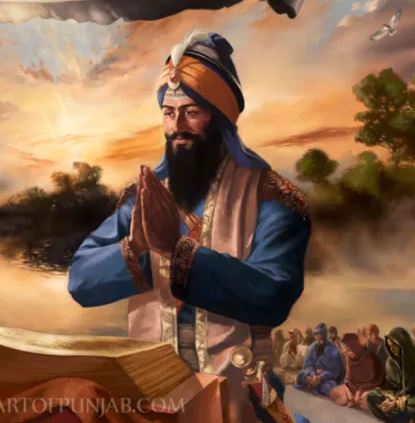
Guru Gobind Singh Ji (Tenth Sikh Guru)
 (ਗੁਰੂ ਗੋਬਿੰਦ ਸਿੰਘ)
Tenth and final human Sikh Guru, warrior-philosopher, and master poet. Founded the Khalsa brotherhood of saint-soldiers at Anandpur Sahib in 1699 and conferred eternal Guruship upon the Guru Granth Sahib.
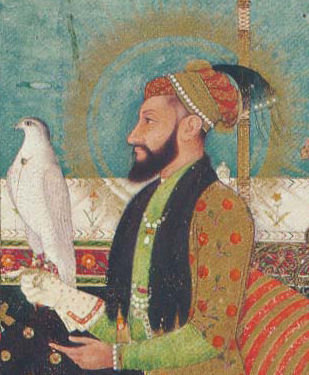
Aurangzeb
(محی الدین محمد اورنگزیب عالمگیر)
Sixth Mughal Emperor known as Alamgir, whose forty-nine-year reign brought the Mughal Empire to its greatest territorial extent, ruling over 150 million subjects from Kabul to southern India.