Public Figures & Cultural Luminaries
Filterable archive covering centuries of intellectual, artistic, and moral contributions to the human story.
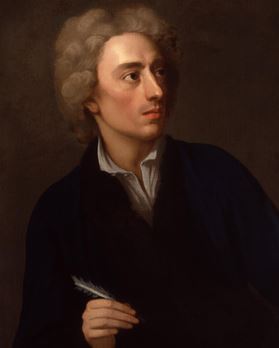
Alexander Pope
 (Alexander Pope)
Supreme English poet of the Augustan Enlightenment whose glittering heroic couplets, translations of Homer's Iliad, and satirical masterworks—An Essay on Criticism and The Rape of the Lock—made him the second most quoted writer in English after Shakespeare.
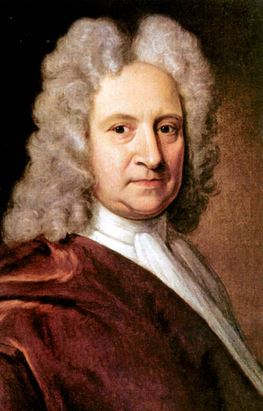
Edmond Halley
(Edmond Halley)
English Astronomer Royal who calculated the periodic 76-year orbit of Halley's Comet, personally funded and published Newton's Principia, and mapped southern hemisphere stars from St Helena.
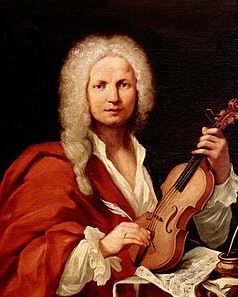
Antonio Lucio Vivaldi
 (Antonio Vivaldi)
Venetian Baroque composer and violin virtuoso whose brilliant three-movement concerto form, sparkling orchestral rhythms, and vivid program music in The Four Seasons defined high Baroque instrumental music.
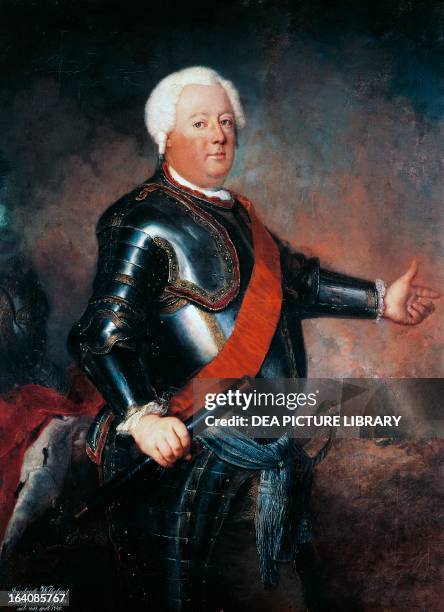
Frederick William I of Prussia (The Soldier King)
 (Friedrich Wilhelm I (Der Soldatenkönig))
King in Prussia who built the formidable Prussian military and civil administrative state, father of Frederick the Great.
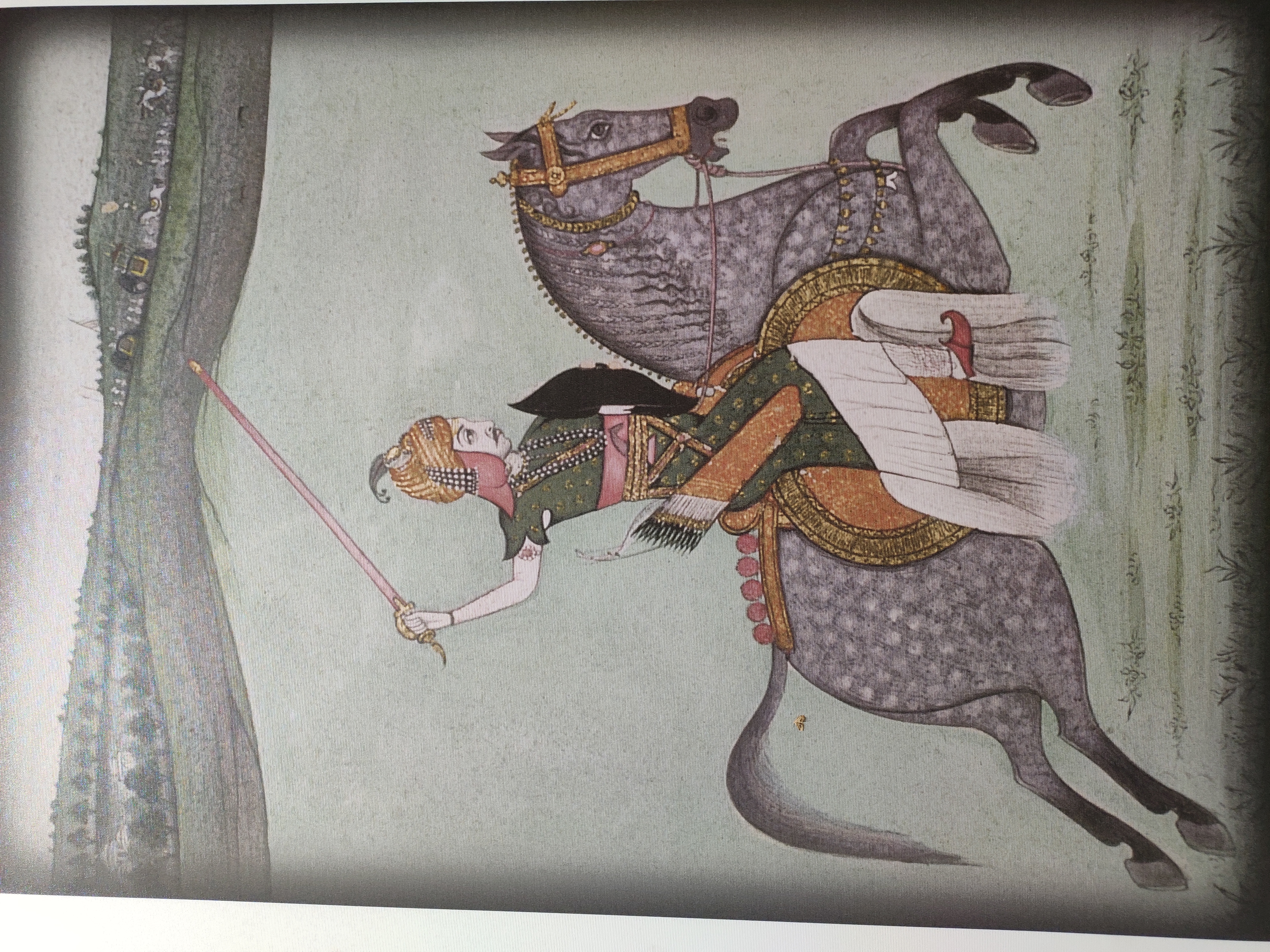
Baji Rao I
 (बाजीराव बल्लाळ)
Peshwa (Prime Minister) of the Maratha Empire who never lost a battle across forty-one engagements, renowned for lightning cavalry warfare and expanding Maratha rule to the gates of Delhi.
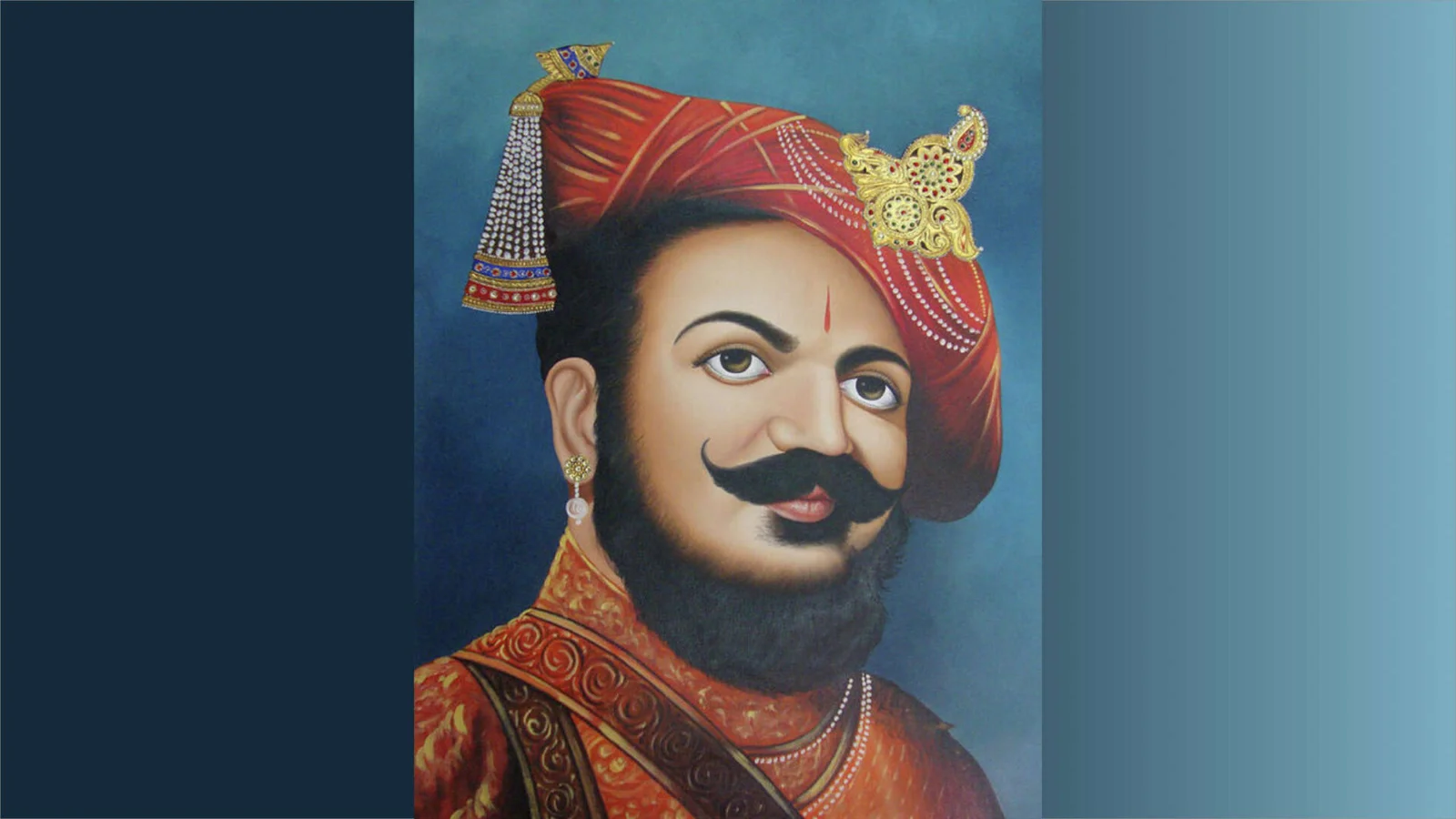
Peshwa Baji Rao I (The Undefeated)
(श्रीमंत पेशवे बाजीराव बल्लाळ)
7th Peshwa of the Maratha Empire who fought in 41 major battles without suffering a single defeat, transforming the Marathas into the preeminent power in India.
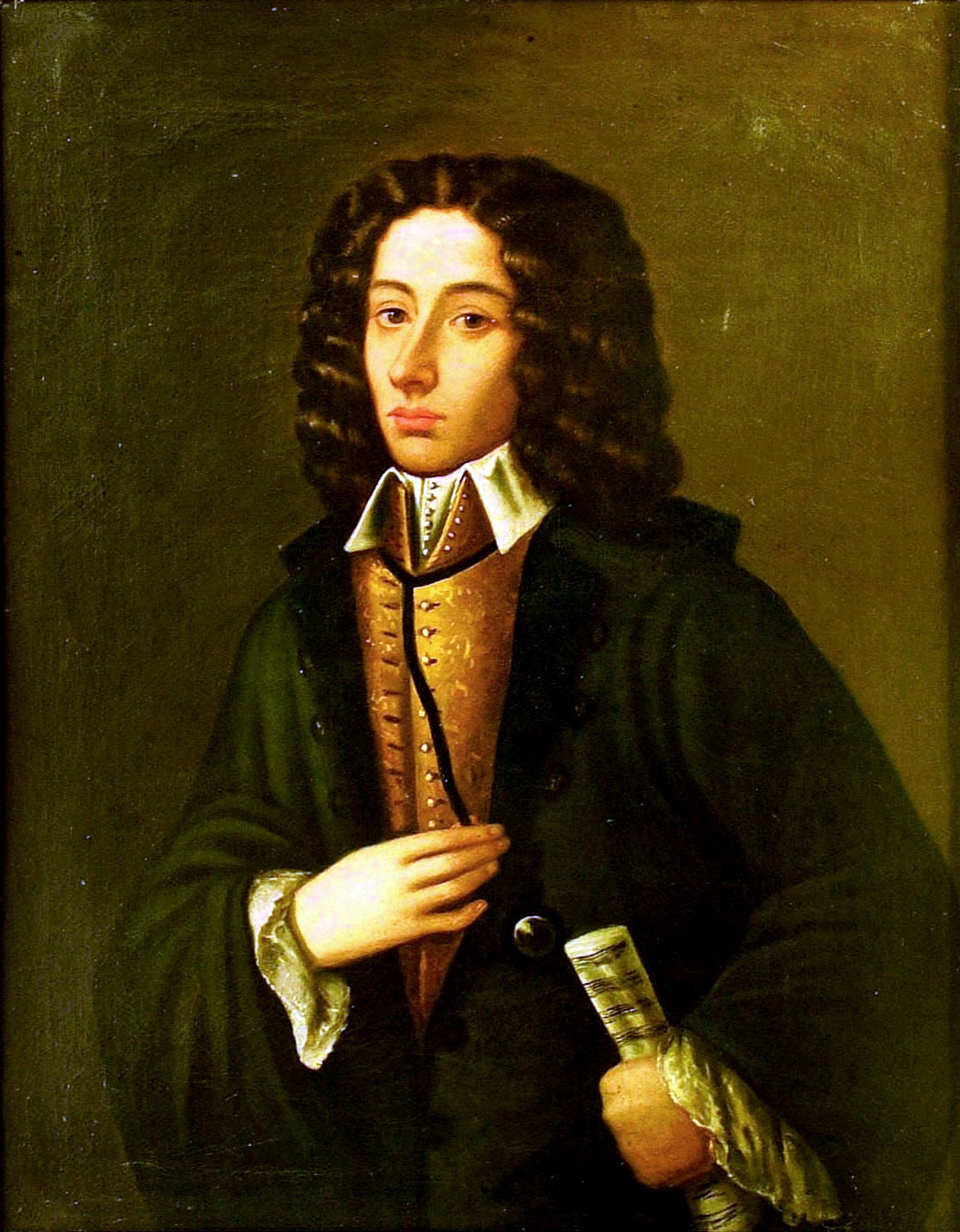
Giovanni Battista Pergolesi
(Giovanni Battista Draghi)
Italian early Classical composer who revolutionized comic opera with 'La serva padrona' and composed the immortal 'Stabat Mater' before dying of tuberculosis at age twenty-six.
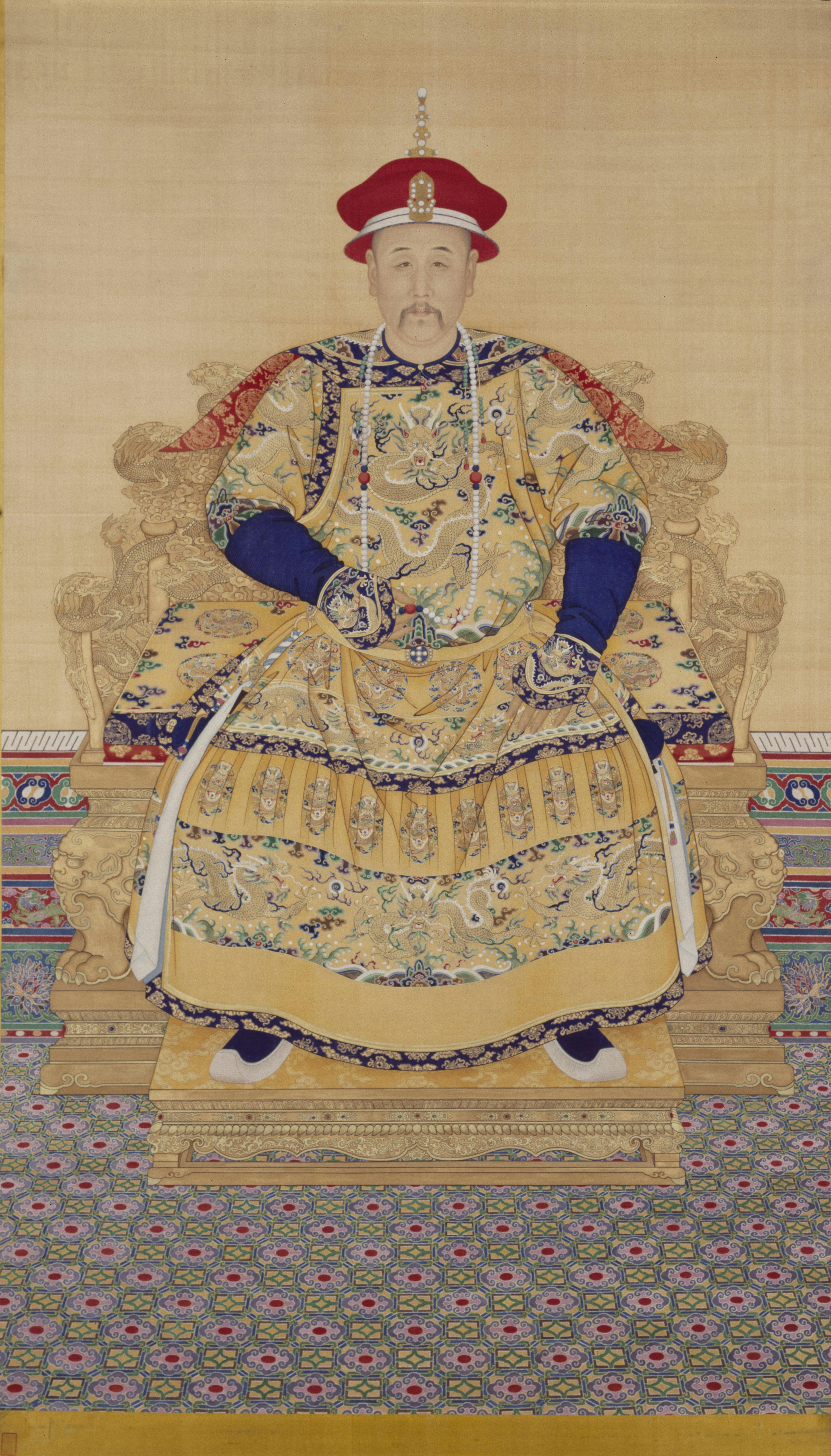
Yongzheng Emperor
 (雍正帝 (胤禛))
Fifth emperor of the Qing Dynasty (1722–1735) whose incorruptible work ethic, anti-corruption campaigns, establishment of the Grand Council, and tax reforms transformed the Qing imperial treasury and solidified the golden age of high Qing.
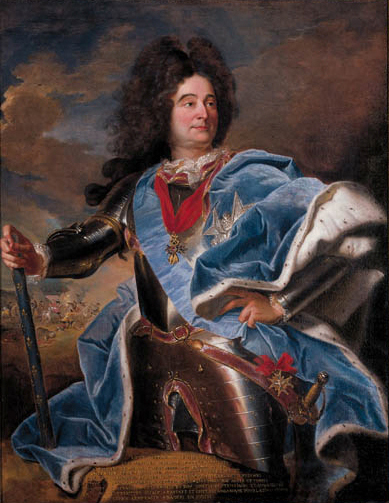
Claude Louis Hector, Duke of Villars
 (Claude Louis Hector de Villars, duc de Villars)
Marshal General of France who saved the realm of Louis XIV during the War of the Spanish Succession with his Pyrrhic defense at Malplaquet and victory at Denain.
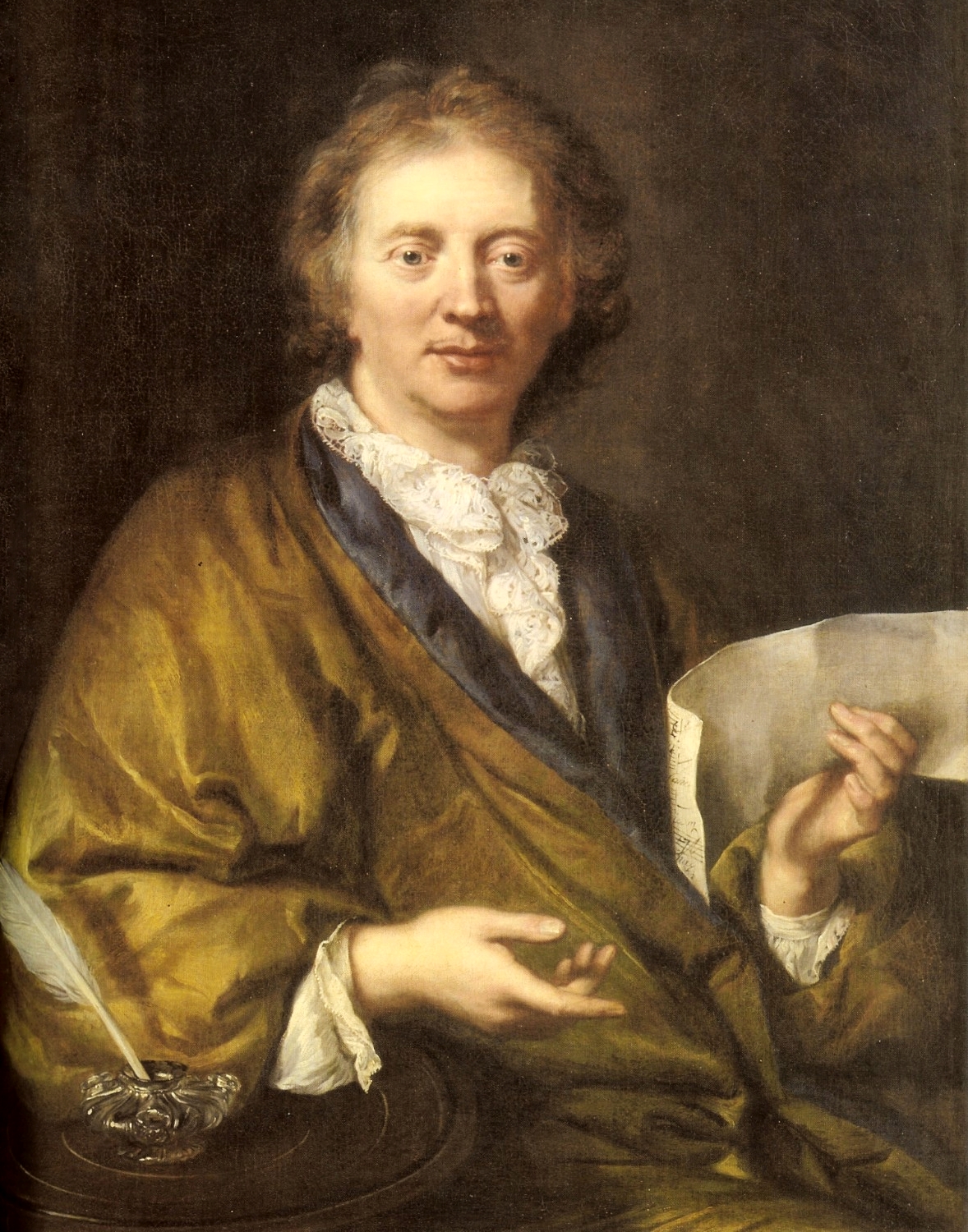
François Couperin
(François Couperin)
French Baroque composer and organist known as 'Couperin le Grand', the supreme master of the French harpsichord school and creator of the haunting 'Leçons de ténèbres'.
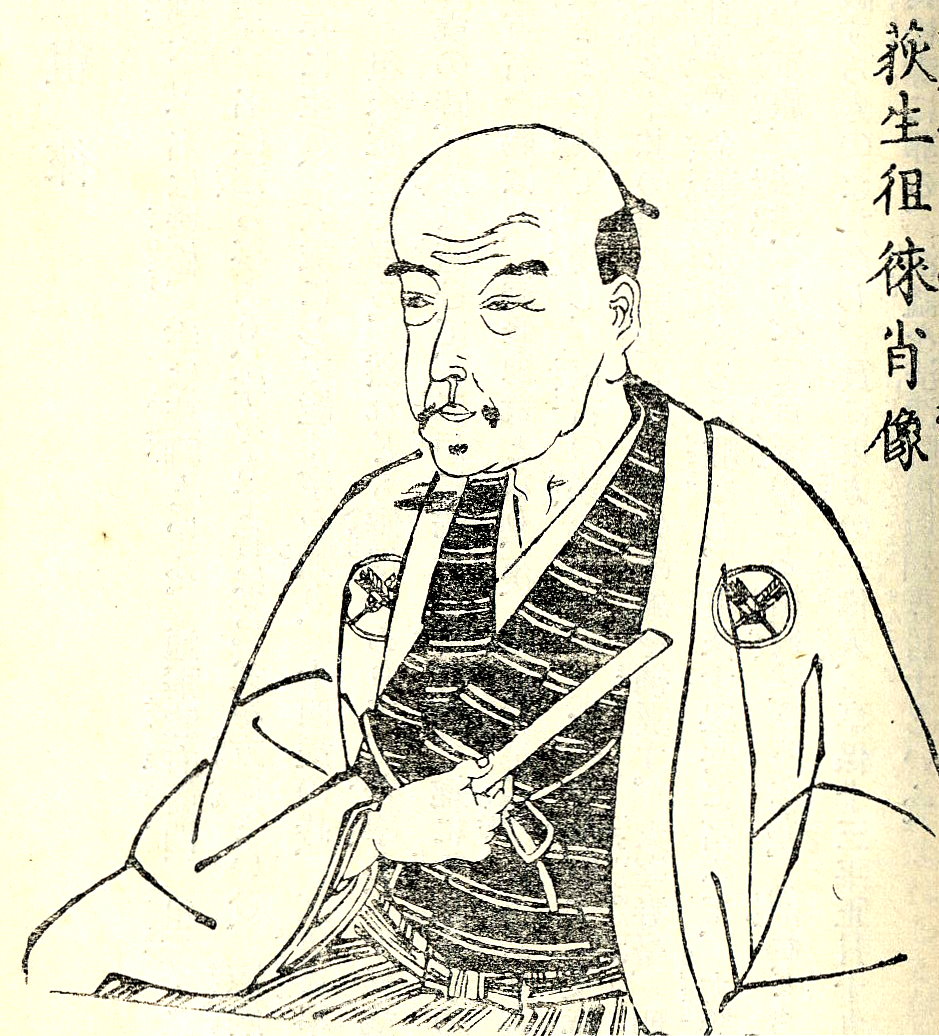
Ogyu Sorai
 (荻生 徂徠)
Revolutionary Edo-period Japanese Confucian philosopher and political theorist who founded the School of Ancient Learning (Kogaku), rejecting Song Neo-Confucian moralism in favor of utilitarian institutional statecraft.
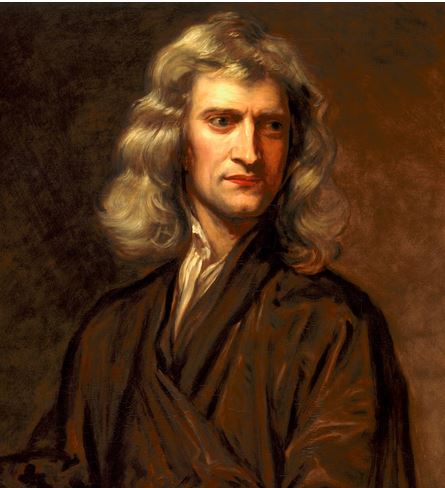
Sir Isaac Newton
(Isaac Newton)
Supreme giant of science whose Philosophiæ Naturalis Principia Mathematica formulated the three laws of motion and universal gravitation, co-invented calculus, and discovered the color spectrum in light.
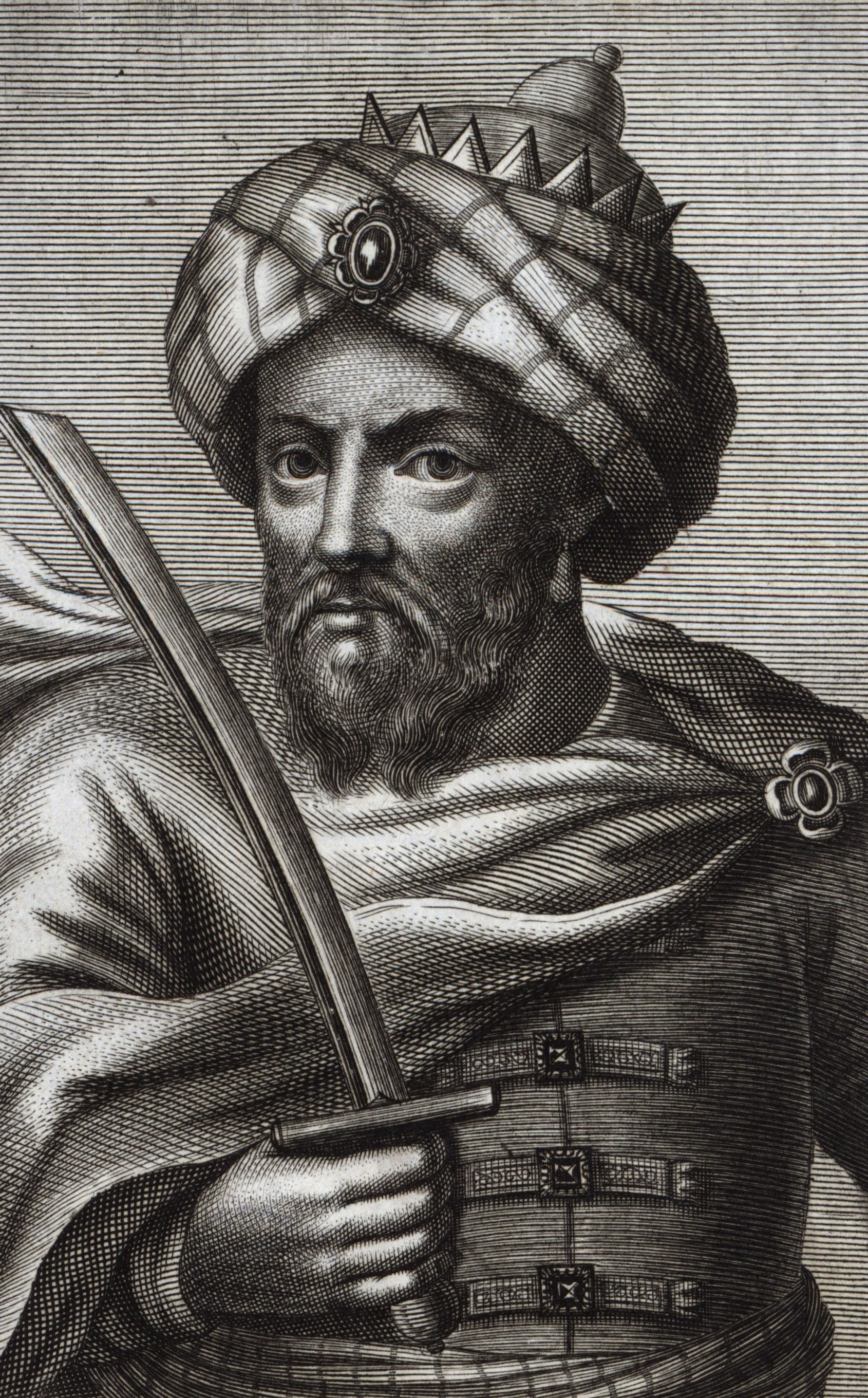
Moulay Ismail
 (مولاي إسماعيل بن الشريف)
Longest-reigning sovereign in Moroccan history (1672–1727), who consolidated the Alaouite Dynasty, created the formidable 150,000-man Black Guard (Jaysh al-Bukhari), expelled European garrisons from Larache and Tangier, and built the imperial capital of Meknes.
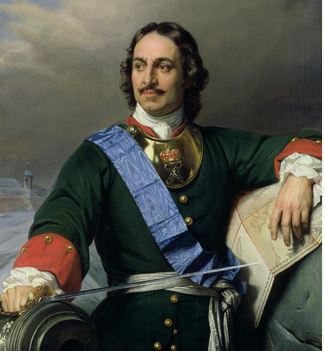
Peter I of Russia (Peter the Great / Pyotr Alekseyevich)
 (Пётр I Великий (Pyotr Velikiy))
Tsar and first Emperor of All Russia who dragged the Tsardom out of medieval isolation into a major European empire. Modernized the military, built the Russian navy, founded the imperial capital of Saint Petersburg, and reformed science and statecraft.
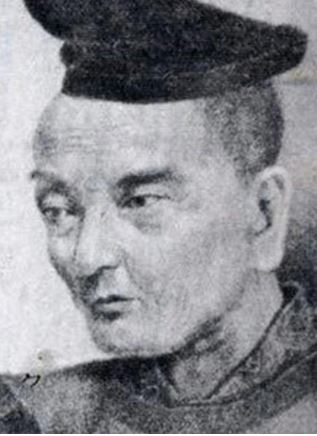
Chikamatsu Monzaemon (近松門左衛門 (Sugimori Nobumori))
Japan's greatest dramatist (1653–1725), known as the 'Shakespeare of Japan', who authored over a hundred puppet (joruri/bunraku) and kabuki plays exploring the tragic conflict between social duty (giri) and human emotion (ninjo).
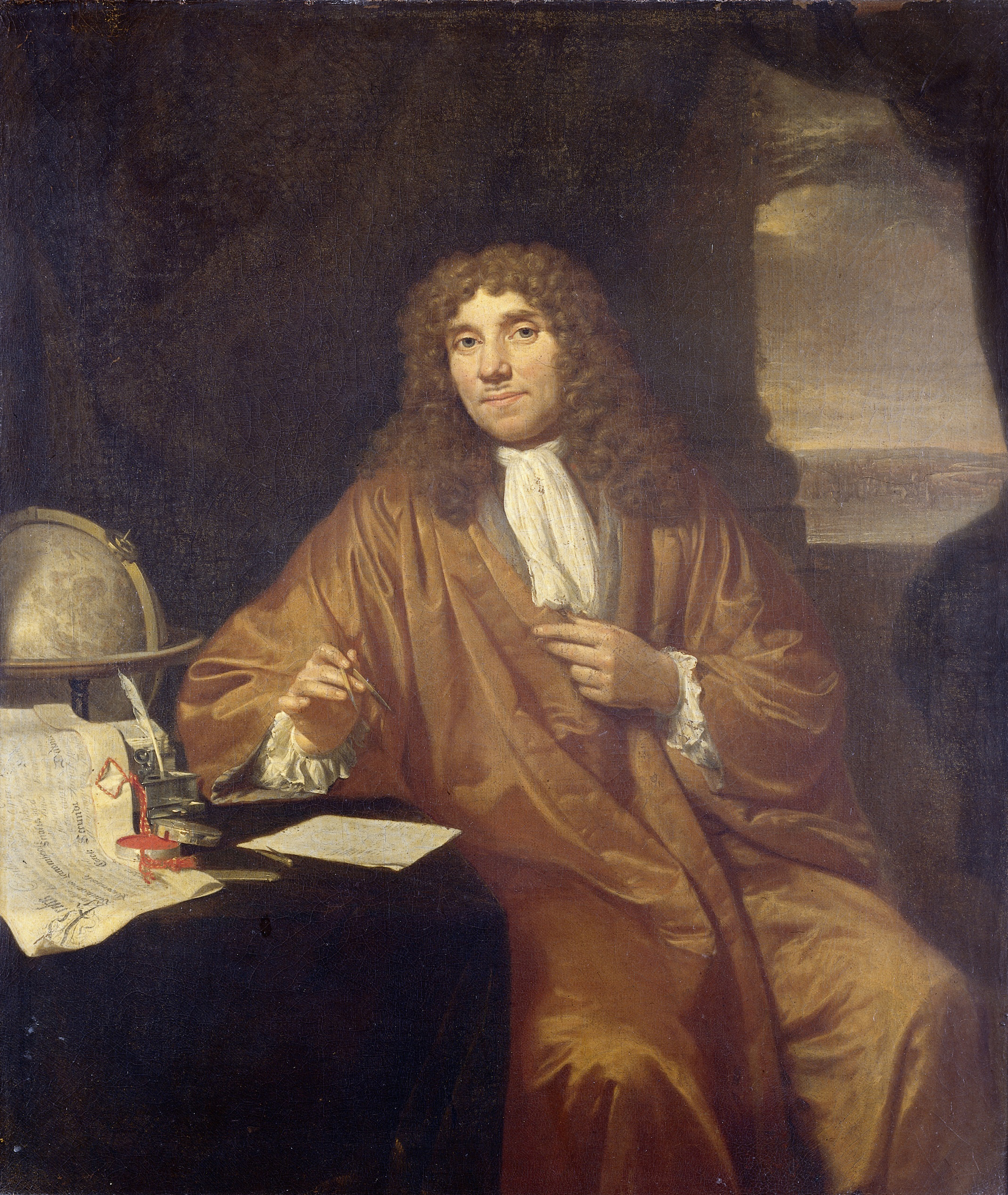
Antoni van Leeuwenhoek
 (Antoni van Leeuwenhoek)
Dutch draper and self-taught scientist acclaimed as the 'Father of Microbiology', who ground exquisite single-lens microscopes magnifying up to 500 times to discover the microscopic living world: bacteria, protozoa, sperm cells, and red blood cells.
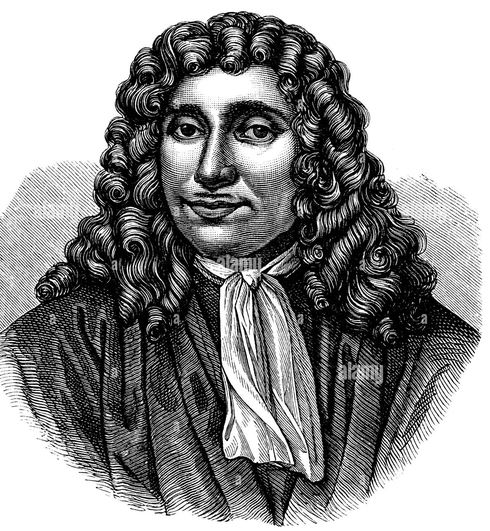
Antonie van Leeuwenhoek
(Antoni van Leeuwenhoek)
'Father of Microbiology' who ground single spherical lenses with 300x magnification to discover bacteria, protozoa (animalcules), spermatozoa, and red blood cells.
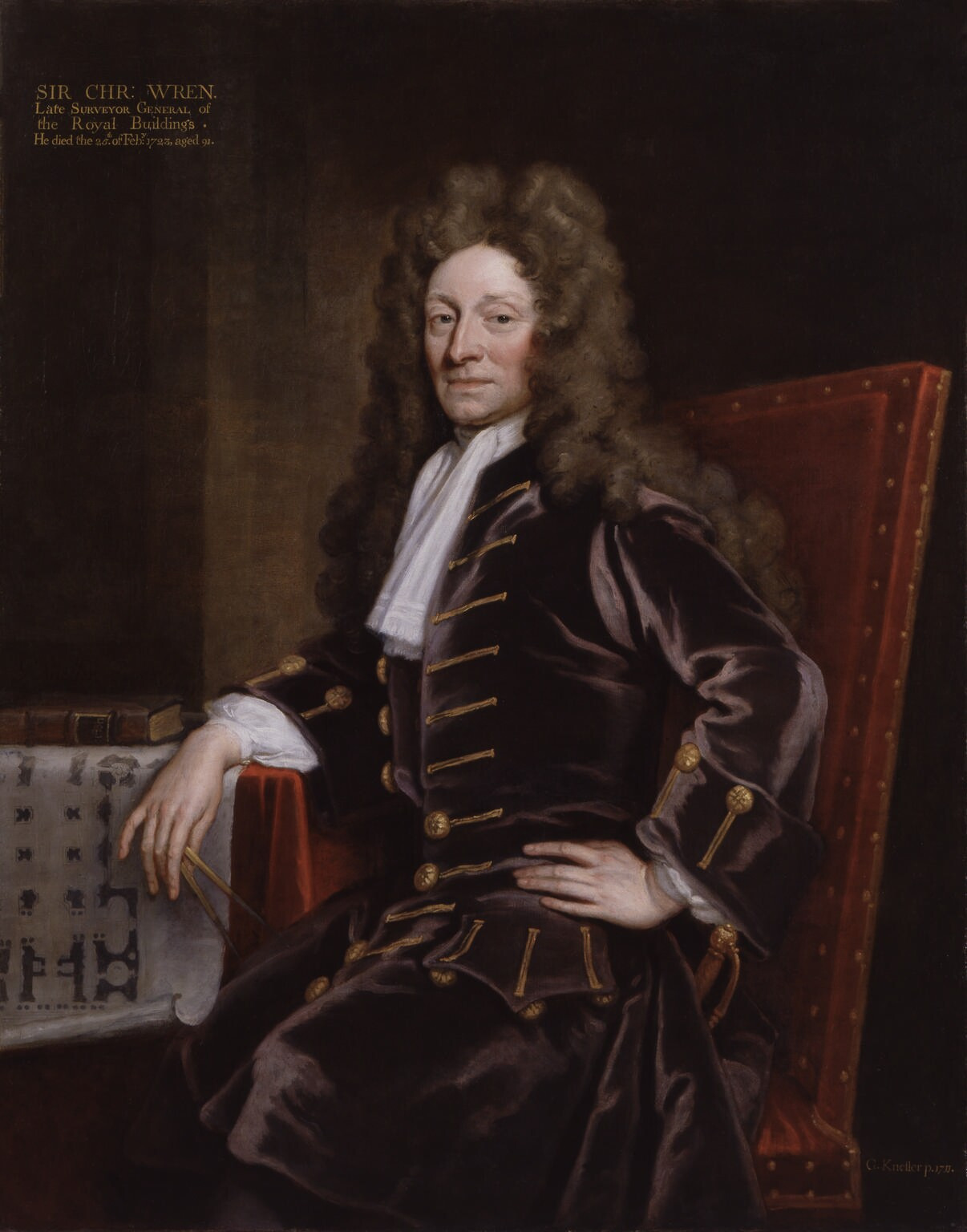
Sir Christopher Wren
(Christopher Wren)
Savilian Professor of Astronomy, founder of the Royal Society, and England's greatest architect who rebuilt fifty-two churches after the Great Fire of London, crowned by Saint Paul's Cathedral.