Public Figures & Cultural Luminaries
Filterable archive covering centuries of intellectual, artistic, and moral contributions to the human story.
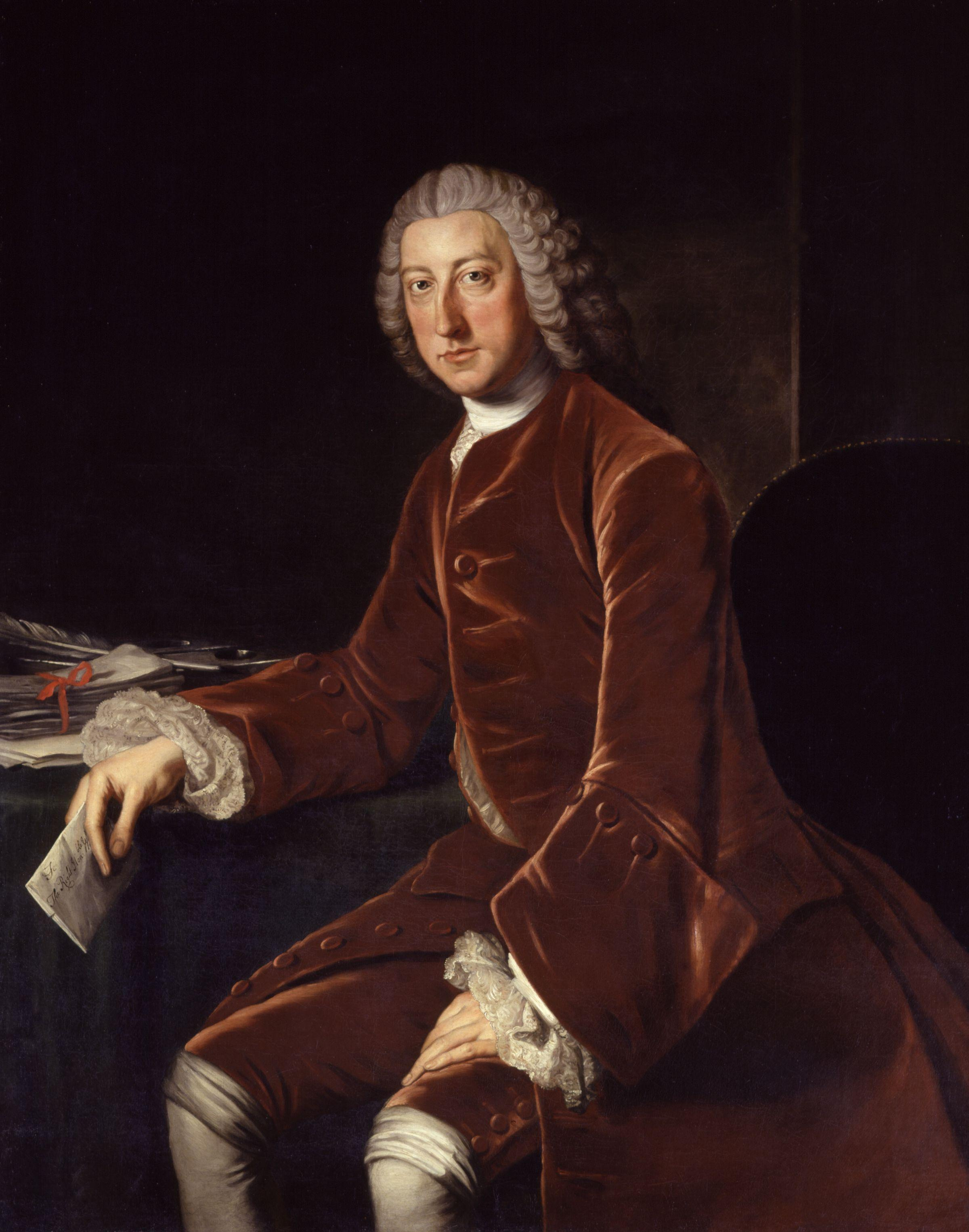
William Pitt, 1st Earl of Chatham
 (William Pitt, 1st Earl of Chatham)
Revered as 'The Great Commoner', British wartime Prime Minister whose global grand strategy in the Seven Years' War secured British dominance in North America and India.
Carl Linnaeus (Carl von Linné)
 (Carl von Linné)
Swedish naturalist whose Systema Naturae founded modern biological taxonomy, introducing binomial nomenclature (genus and species, e.g. Homo sapiens) to classify all living organisms.
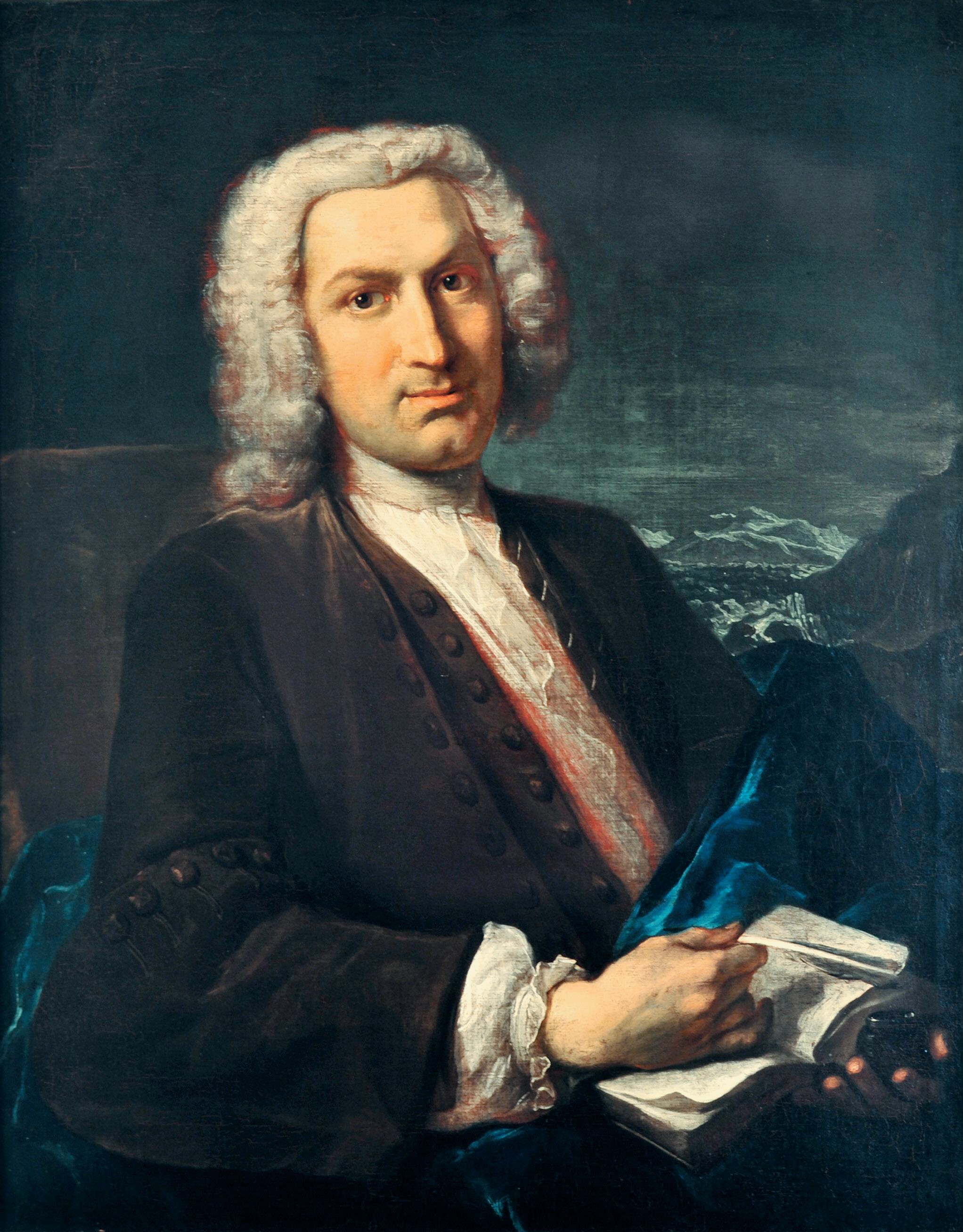
Albrecht von Haller
 (Albrecht von Haller)
Swiss polymath, anatomist, and poet celebrated as the 'Father of Modern Experimental Physiology', who discovered the distinction between muscular irritability (contractility) and nervous sensibility in animal tissues.
David Hume
(David Hume)
Foremost thinker of the Scottish Enlightenment whose radical empiricism dismantled the rational basis of causality, personal identity, and induction, waking Kant from his 'dogmatic slumber'.
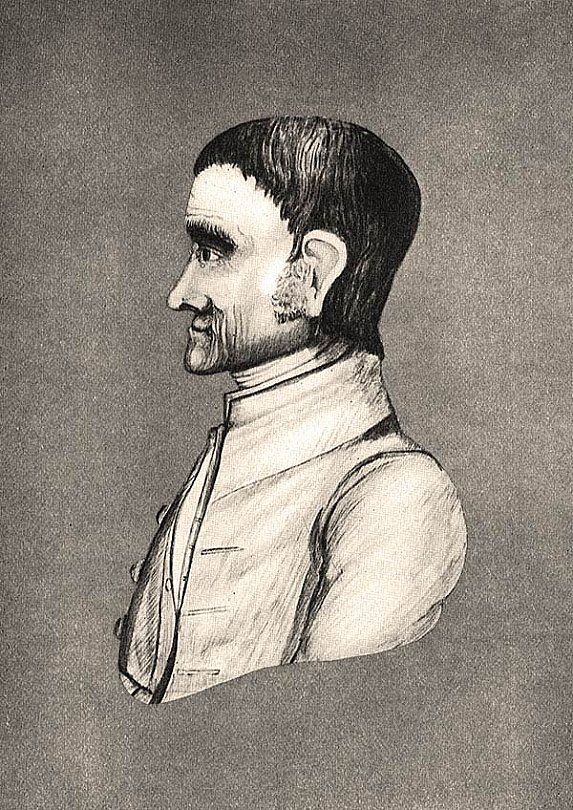
John Woolman
 (John Woolman)
Prédicateur quaker itinérant américain, artisan majeur de l'abandon de l'esclavage par la Société des Amis et pionnier de la justice économique.
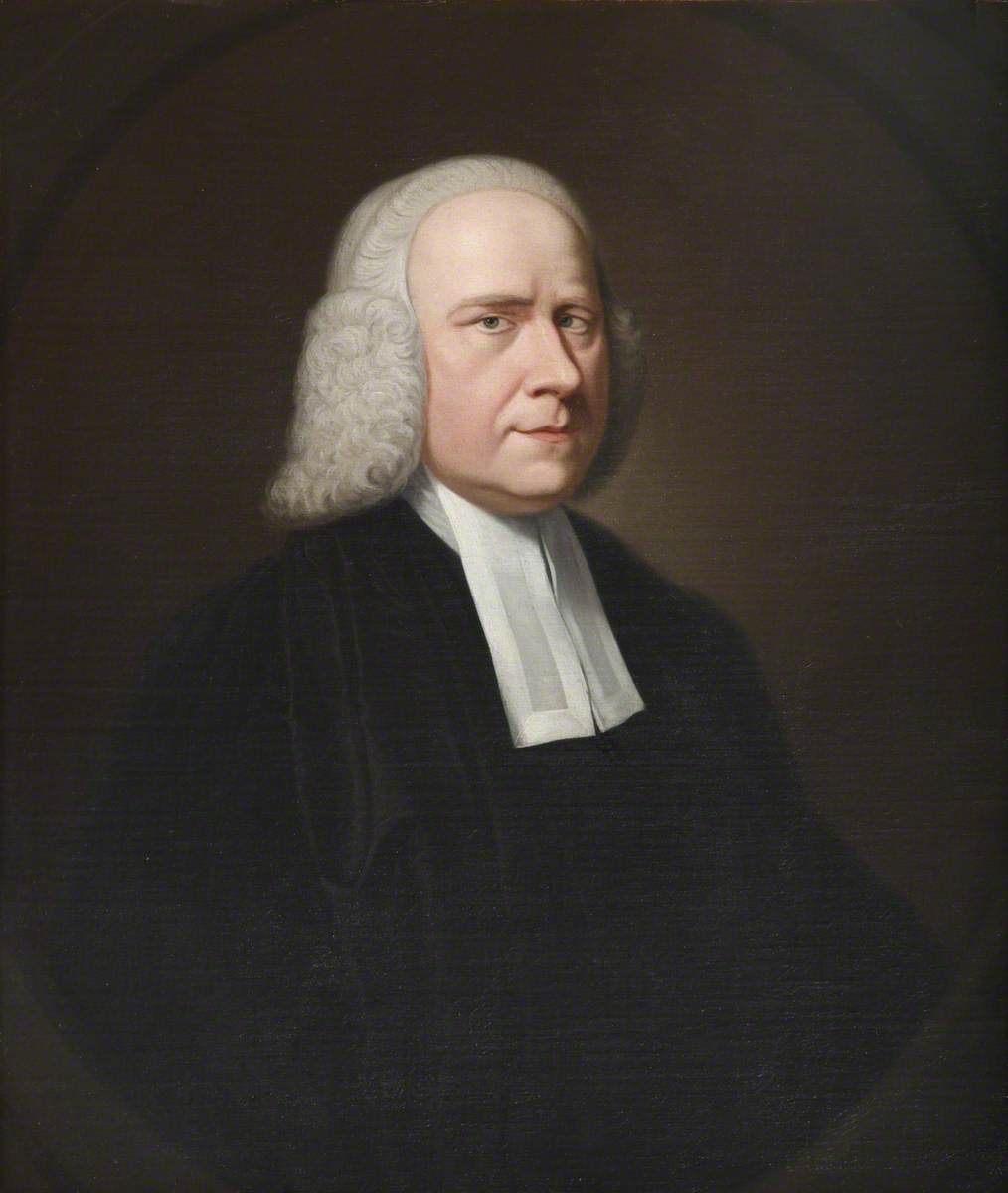
George Whitefield
(George Whitefield)
English evangelist whose booming voice, dramatic oratory, and thirteen transatlantic journeys fueled the First Great Awakening across Britain and the American colonies.
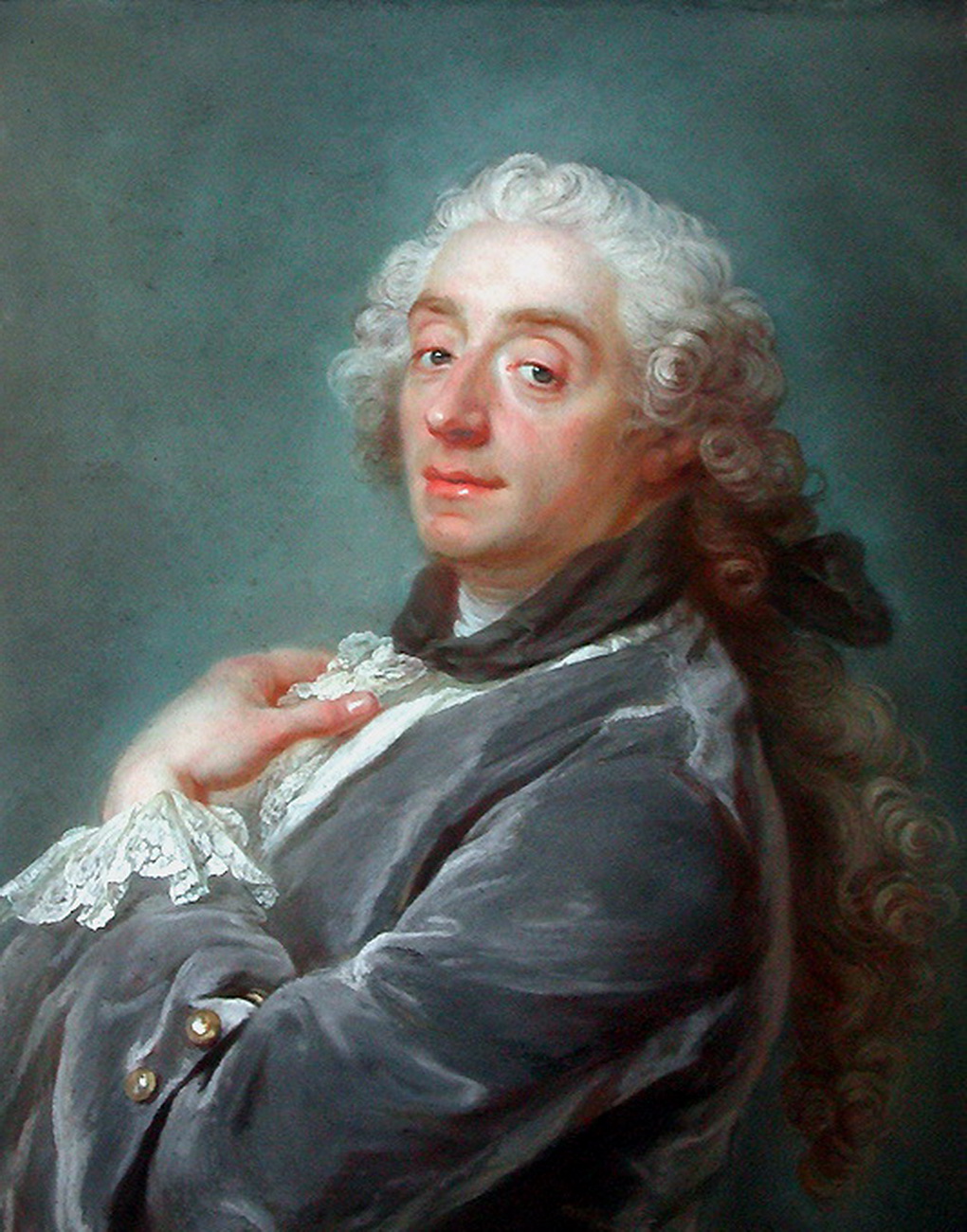
François Boucher
 (François Boucher)
Premier French Rococo painter, engraver, and tapestry designer whose pastoral mythologies, sensuous pastels, and portraits of Madame de Pompadour epitomized the elegance of Louis XV.
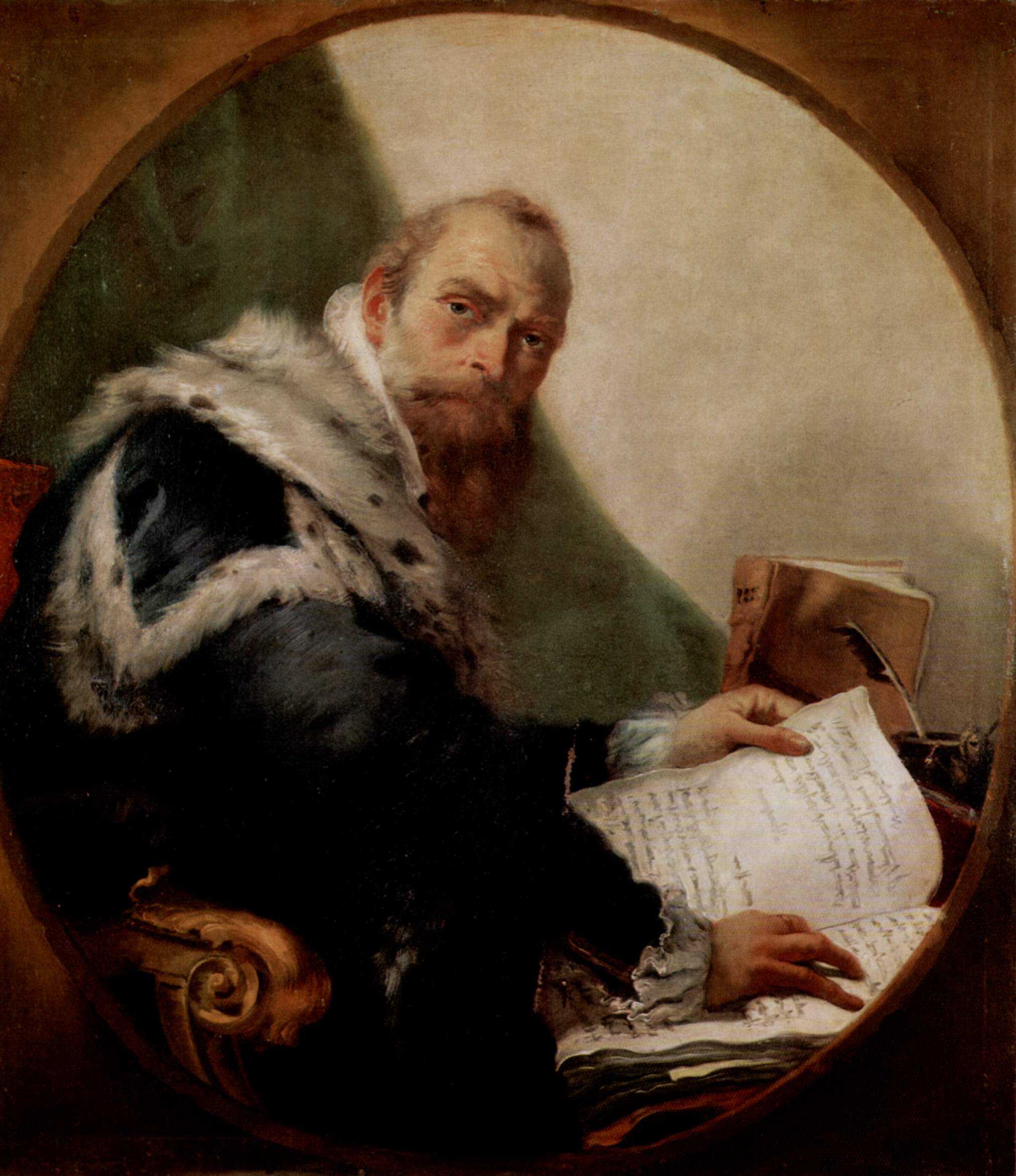
Giovanni Battista Tiepolo
 (Giambattista Tiepolo)
Supreme decorative fresco genius of the 18th century whose breathtaking ceiling in the Würzburg Residenz created the largest continuous ceiling fresco in the world.
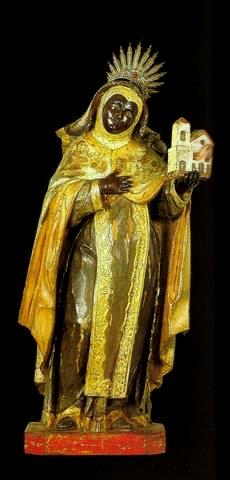
Chico Rei
 (Galanga (Chico Rei))
African monarch (Galanga) captured into slavery in Minas Gerais who hid gold dust in his hair to purchase his own freedom, bought the richest gold mine in Ouro Preto (Encardideira), and purchased the freedom of hundreds of his enslaved countryfolk.
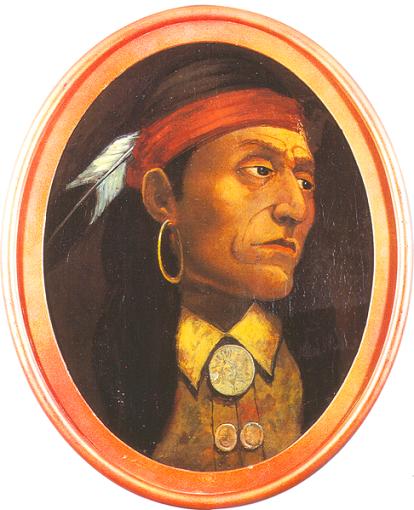
Pontiac
(Obwandiyag)
Ottawa war leader who organized Pontiac's War, a monumental multi-tribal rebellion against British post-Seven Years' War military occupation in the Great Lakes.
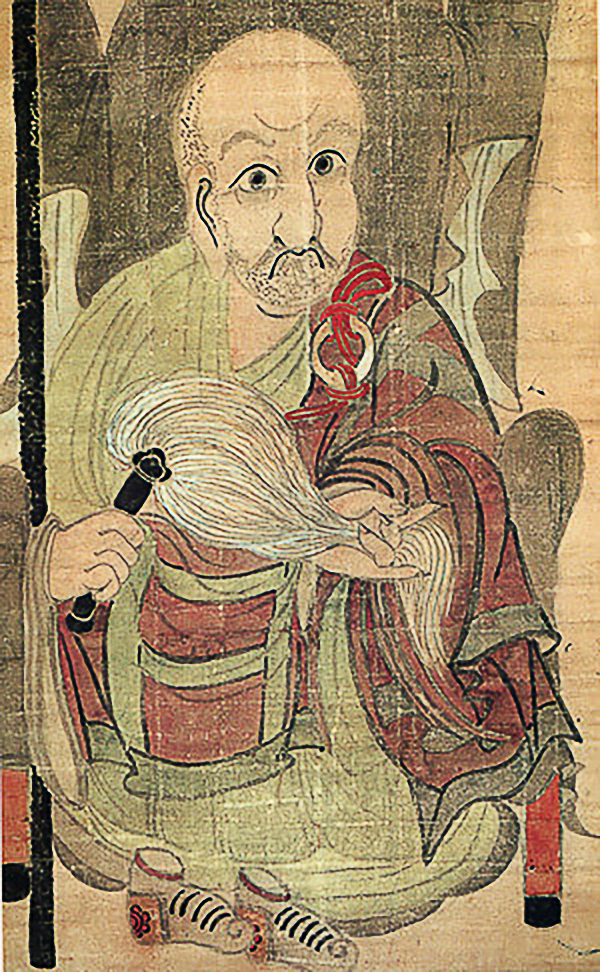
Hakuin Ekaku
 (白隠慧鶴)
Great reformer of Japanese Rinzai Zen, painter, and calligrapher who systematized koan study and created the legendary riddle 'What is the sound of one hand clapping?'.
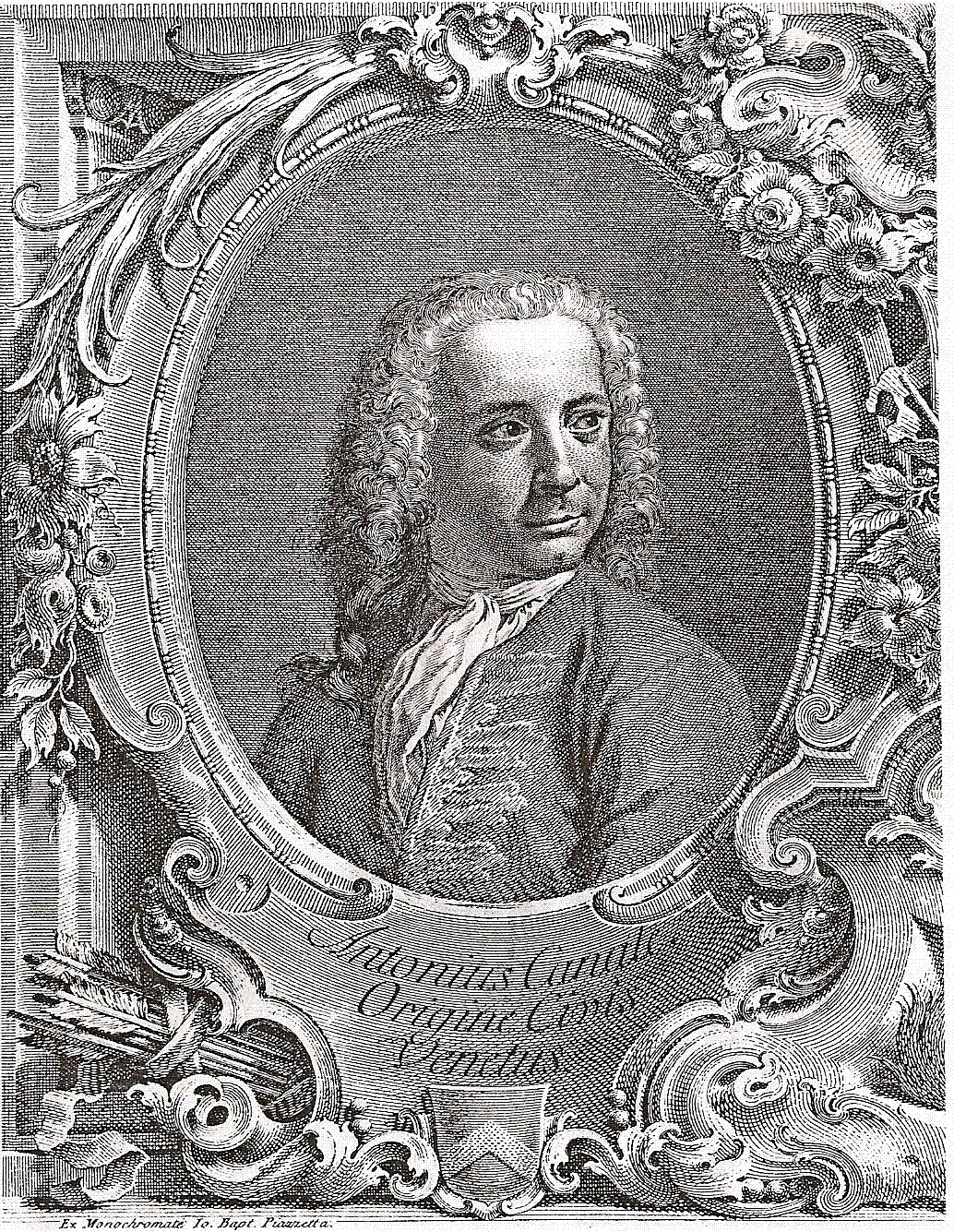
Giovanni Antonio Canal
(Canaletto)
Foremost Venetian veduta (view) painter whose sparkling, geometrically precise paintings of the Grand Canal and London palaces defined the visual souvenir of the Grand Tour.
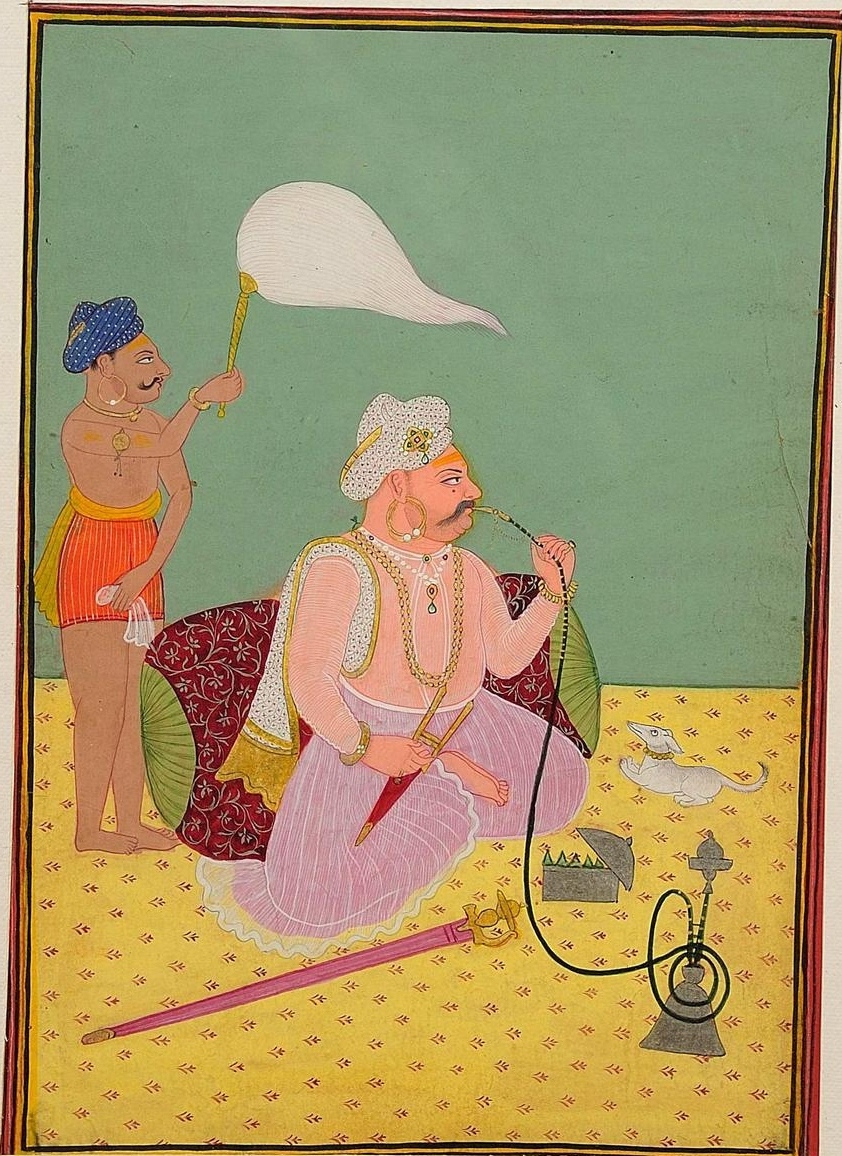
Malhar Rao Holkar
 (मल्हारराव होळकर)
Founder of the Holkar Dynasty of Indore and supreme Maratha cavalry general who rose from a shepherd family to command imperial campaigns across northern India and Malwa.
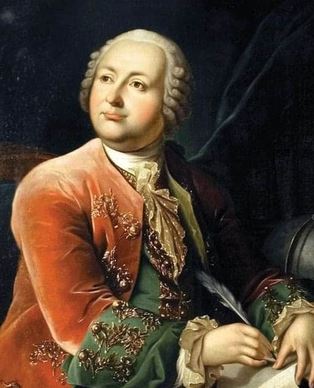
Mikhail Lomonosov
 (Михаил Васильевич Ломоносов)
Universal Russian polymath who founded Moscow State University, discovered the atmosphere of Venus during its 1761 transit, and formulated the conservation of mass and energy before Lavoisier.
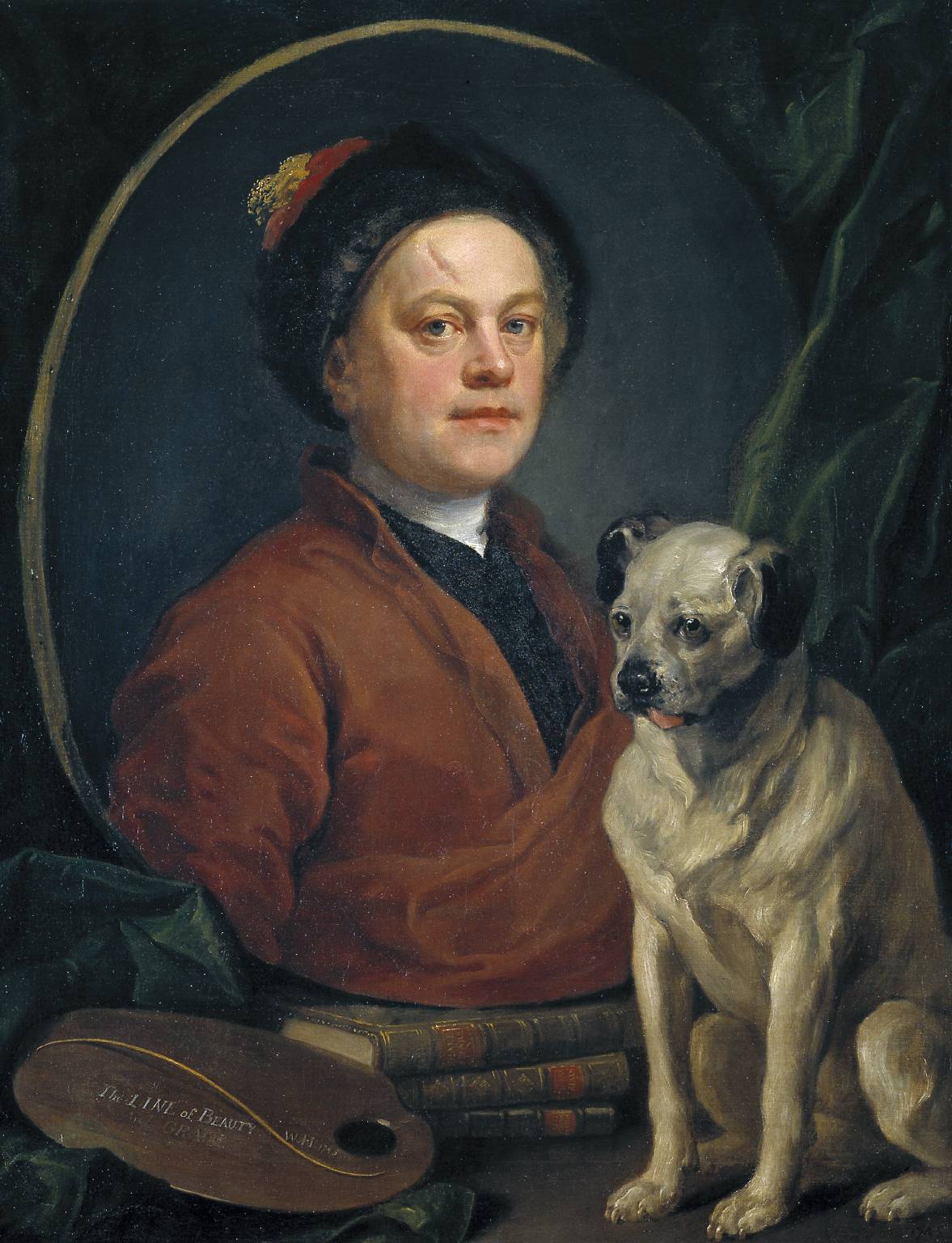
William Hogarth
(William Hogarth)
English pictorial satirist, painter, and pioneer of comic strips whose moral narrative series 'A Rake's Progress' and 'Marriage A-la-Mode' exposed 18th-century corruption.
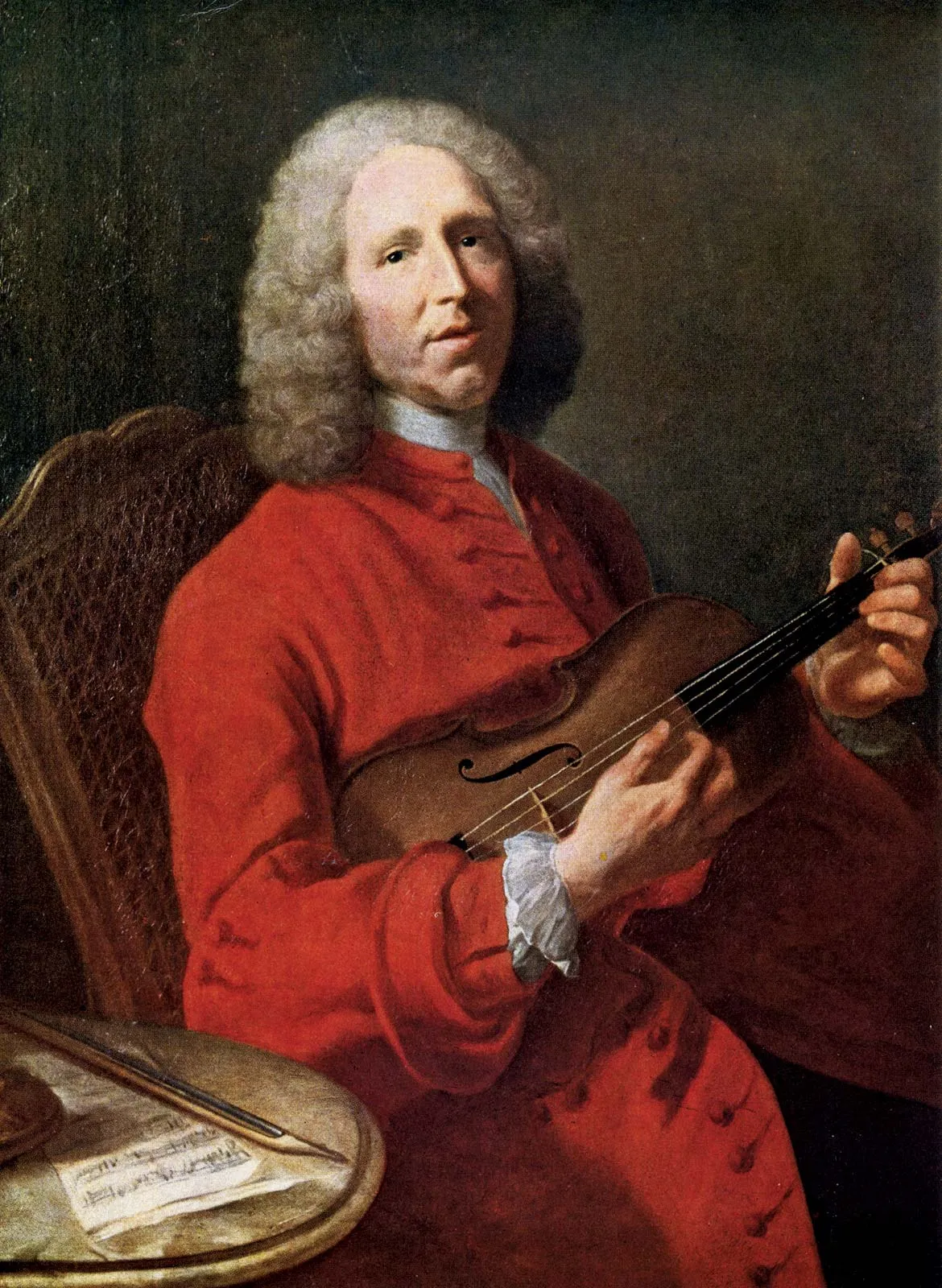
Jean-Philippe Rameau
(Jean-Philippe Rameau)
Pivotal French Baroque composer and harmonic music theorist whose operas and treatises revolutionized Western music.
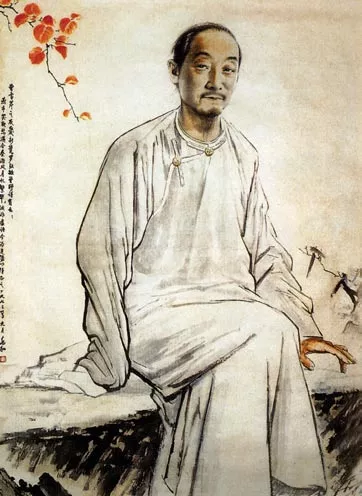
Cao Xueqin
 (曹雪芹)
(曹雪芹)
Qing dynasty author who wrote Dream of the Red Chamber (The Story of the Stone), universally celebrated as the supreme pinnacle of classical Chinese fiction.
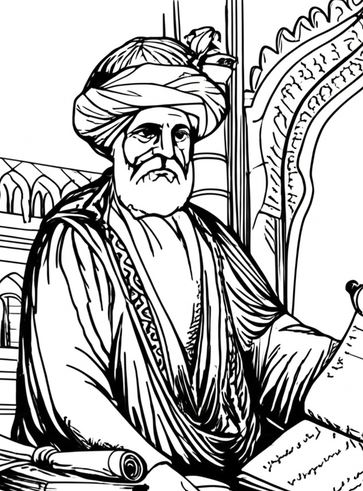
Qutb al-Din Ahmad ibn Abd al-Rahim (شاه ولي الله الدهلوي)
Foremost Indian Islamic reformer and philosopher whose 'Hujjat Allah al-Baligha' synthesized legal, philosophical, and mystical thought and who translated the Quran into Persian.