Public Figures & Cultural Luminaries
Filterable archive covering centuries of intellectual, artistic, and moral contributions to the human story.
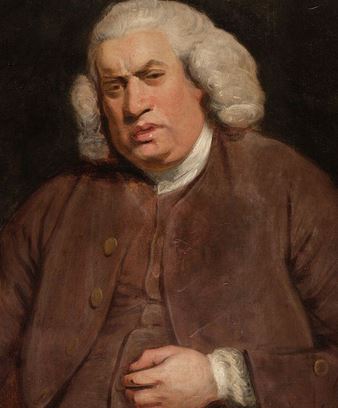
Samuel Johnson (Dr. Johnson)
 (Samuel Johnson)
Preeminent English literary titan, moralist, and conversationalist who single-handedly compiled the monumental 1755 Dictionary of the English Language and inspired James Boswell's immortal biography.
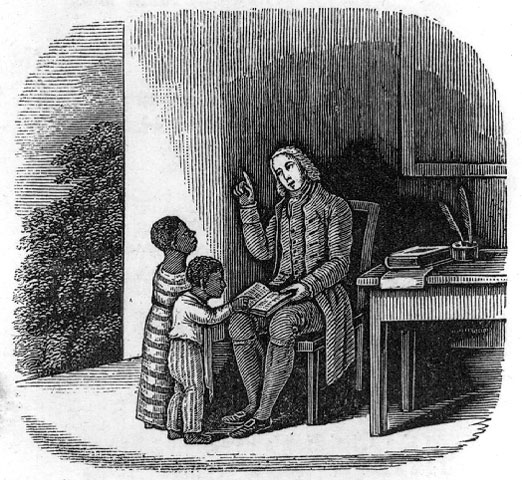
Anthony Benezet
 (Antoine Benezet)
French-born American Quaker educator and philosopher hailed as the 'Father of Atlantic Abolitionism', who founded the first public school for Black children in Philadelphia and convinced American and British Quakers to outlaw slavery.
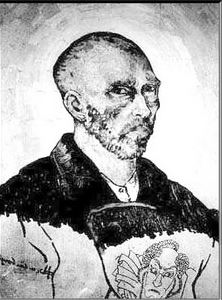
Yosa Buson (与謝蕪村 (Taniguchi Buson))
Edo-period Japanese haiku master and painter (1716–1784), celebrated alongside Basho and Issa as one of the 'Great Three' haiku poets, renowned for his visually stunning, painterly imagery and romantic nostalgia.
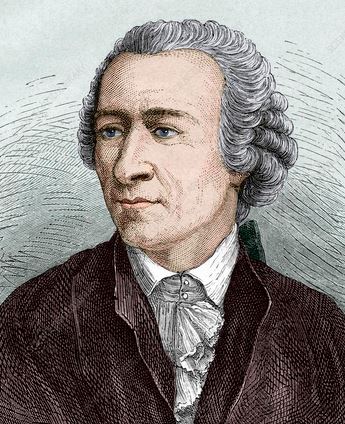
Leonhard Euler
 (Leonhard Euler)
Most prolific mathematician in history whose Euler's identity ($e^{ipi} + 1 = 0$) is hailed as the most beautiful formula in mathematics, and who standardized modern mathematical notation.
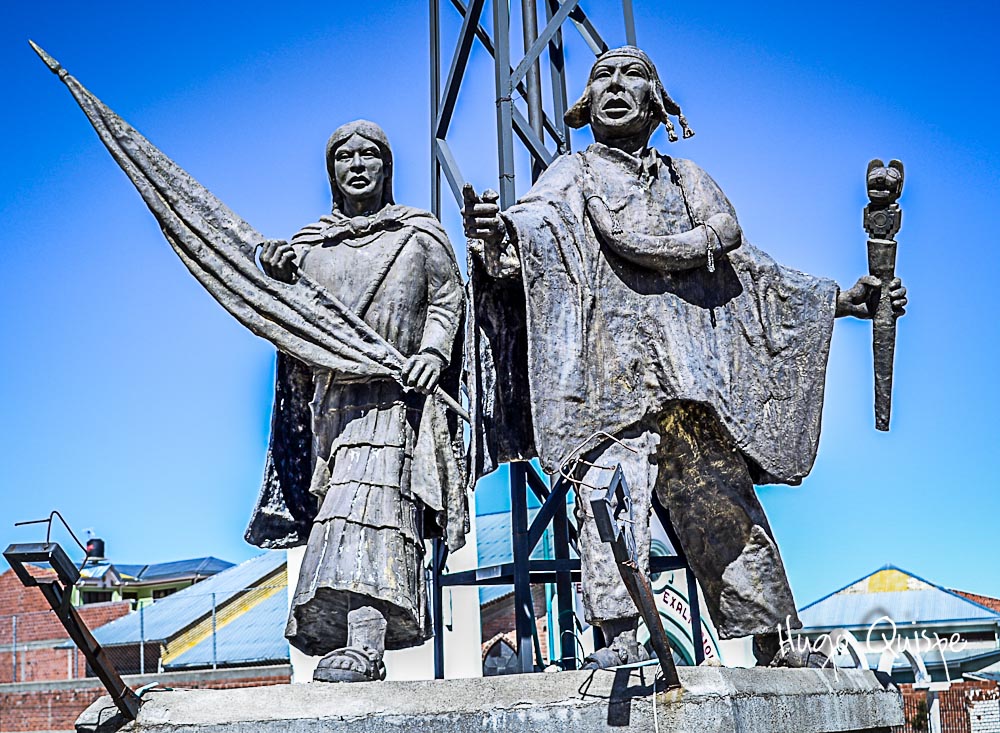
Bartolina Sisa
 (Bartolina Sisa Vargas)
Aymara military commander, queen, and strategist who co-led the 1781 indigenous rebellion in Bolivia alongside her husband Tupac Katari, commanding troops during the Siege of La Paz; September 5 is celebrated as International Indigenous Women's Day in her honor.
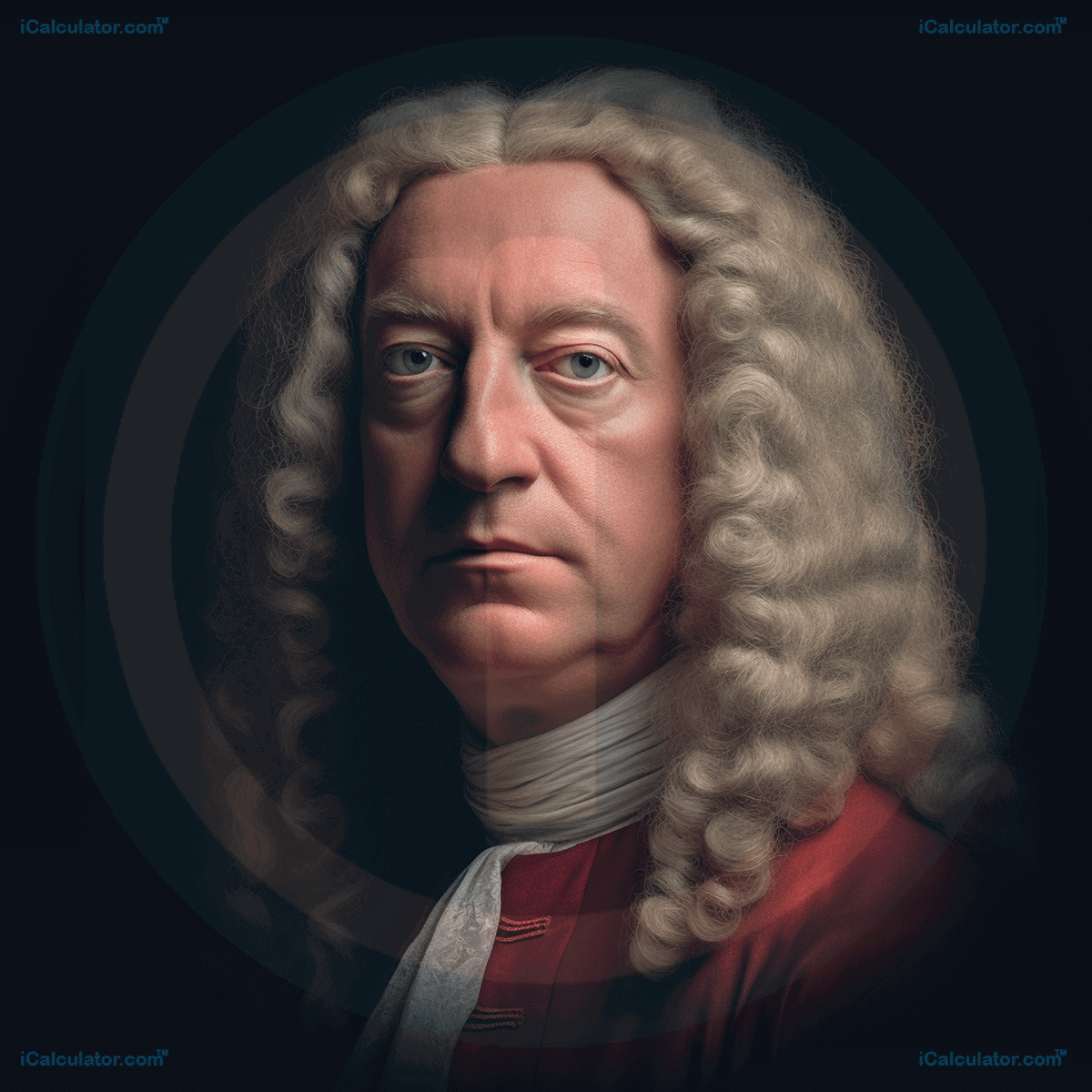
Daniel Bernoulli
 (Daniel Bernoulli)
Swiss mathematical genius who discovered Bernoulli's principle of fluid dynamics and laid the foundations of kinetic gas theory.
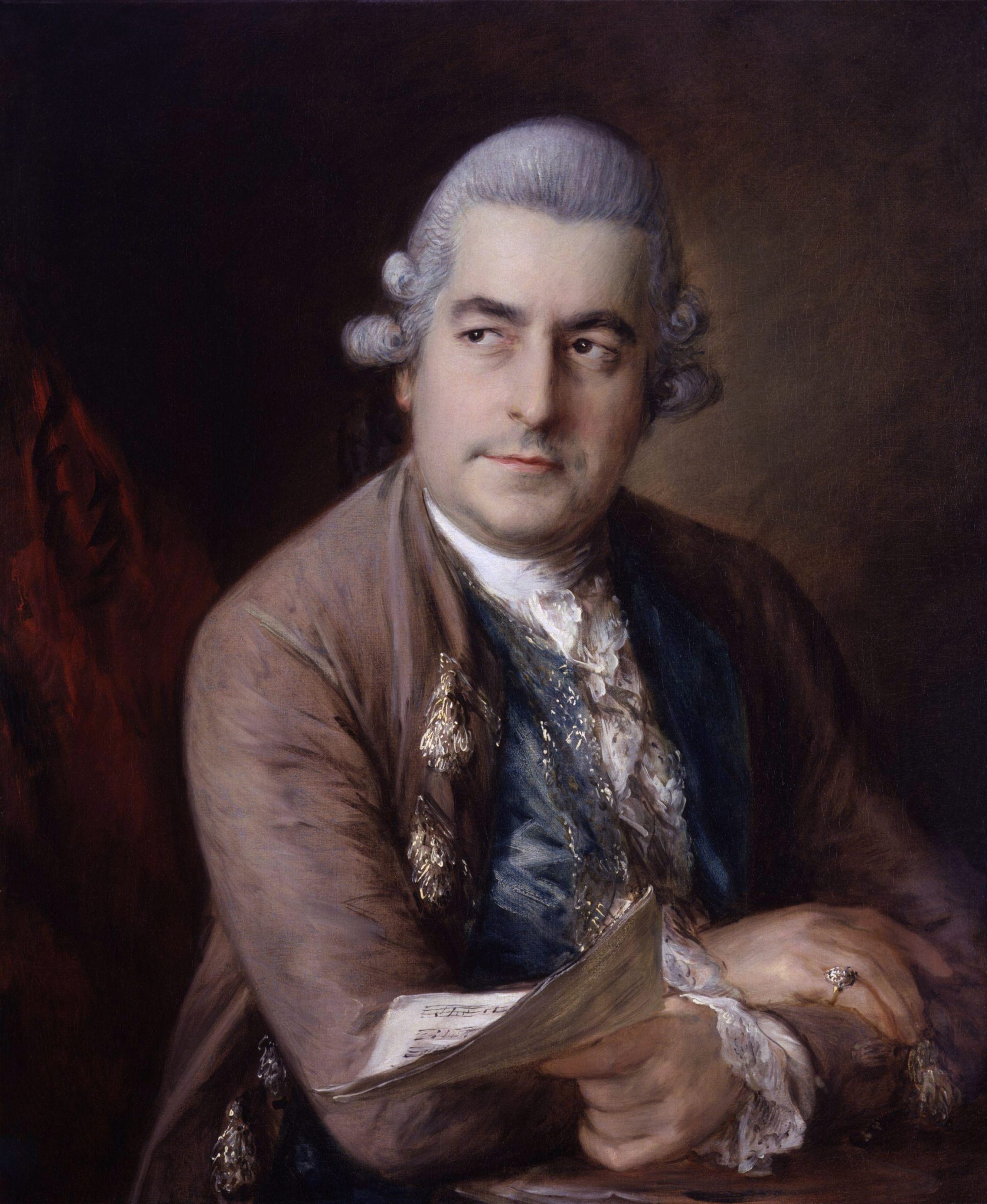
Johann Christian Bach
 (Johann Christian Bach)
Youngest son of J.S. Bach, known as the 'London Bach', who pioneered the Classical symphonic style, established public subscription concerts, and was a formative mentor to young Mozart.
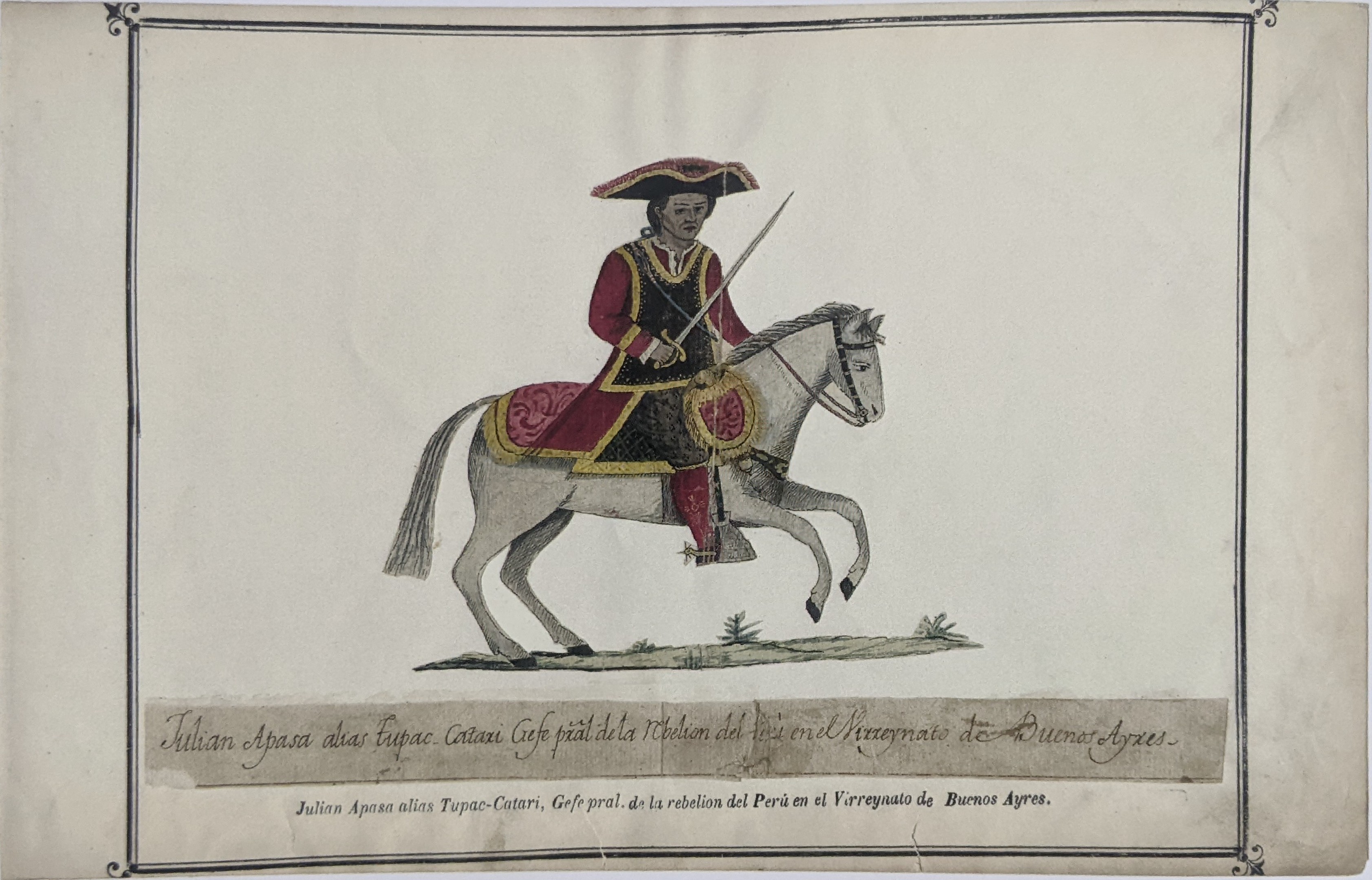
Tupac Katari
(Julian Apaza Nina)
Aymara indigenous leader who adopted the name Tupac Katari and mobilized 40,000 native warriors to lay siege to the Spanish colonial capital of La Paz for six months in 1781, uttering the immortal prophecy: 'I die today, but I will return, and I will be millions.'
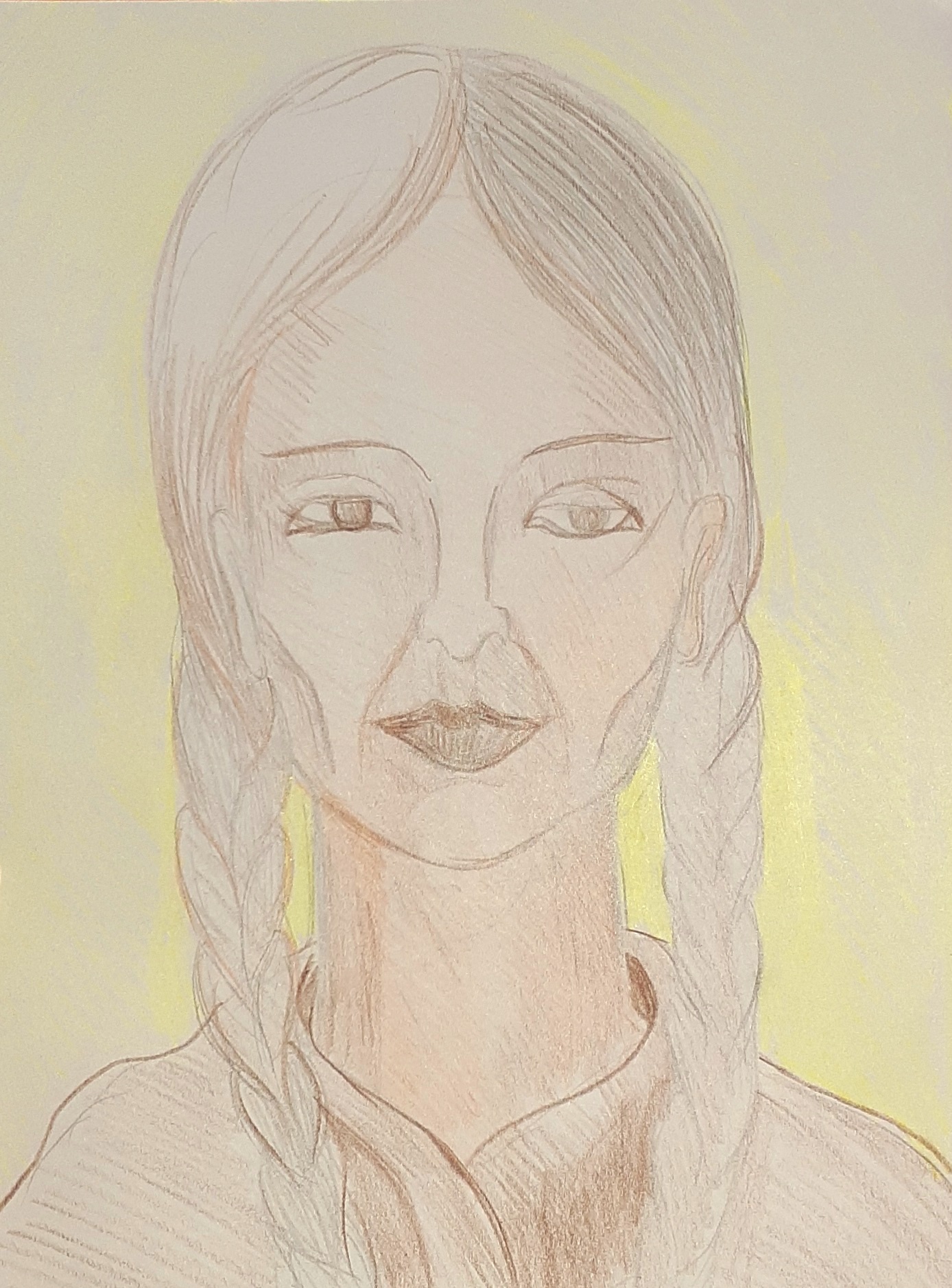
Gregoria Apaza
(Gregoria Apasa)
Indigenous Aymara leader and military general who co-commanded the massive 1781 indigenous uprising and siege of La Paz alongside Tupac Katari.
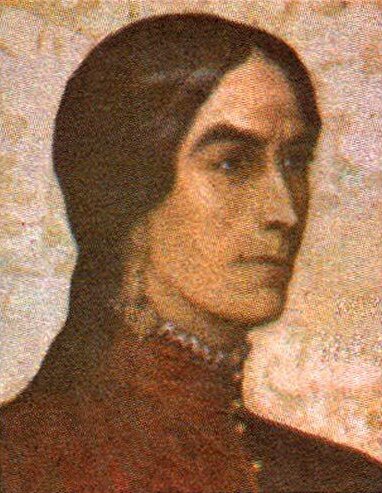
Micaela Bastidas
 (Micaela Bastidas Puyucahua)
Indigenous Peruvian revolutionary strategist and co-commander of the massive 1780 Andean insurrection alongside her husband Tupac Amaru II, directing logistics, ammunition convoys, and frontline military battalions against Spanish colonial forces.
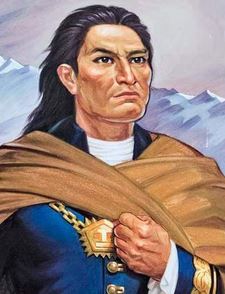
Túpac Amaru II
(José Gabriel Condorcanqui Noguera)
Indigenous leader of Quechua royal descent who led the Great Rebellion of 1780 against Spanish colonial rule, issuing the first proclamation of the abolition of Black slavery in the Americas.
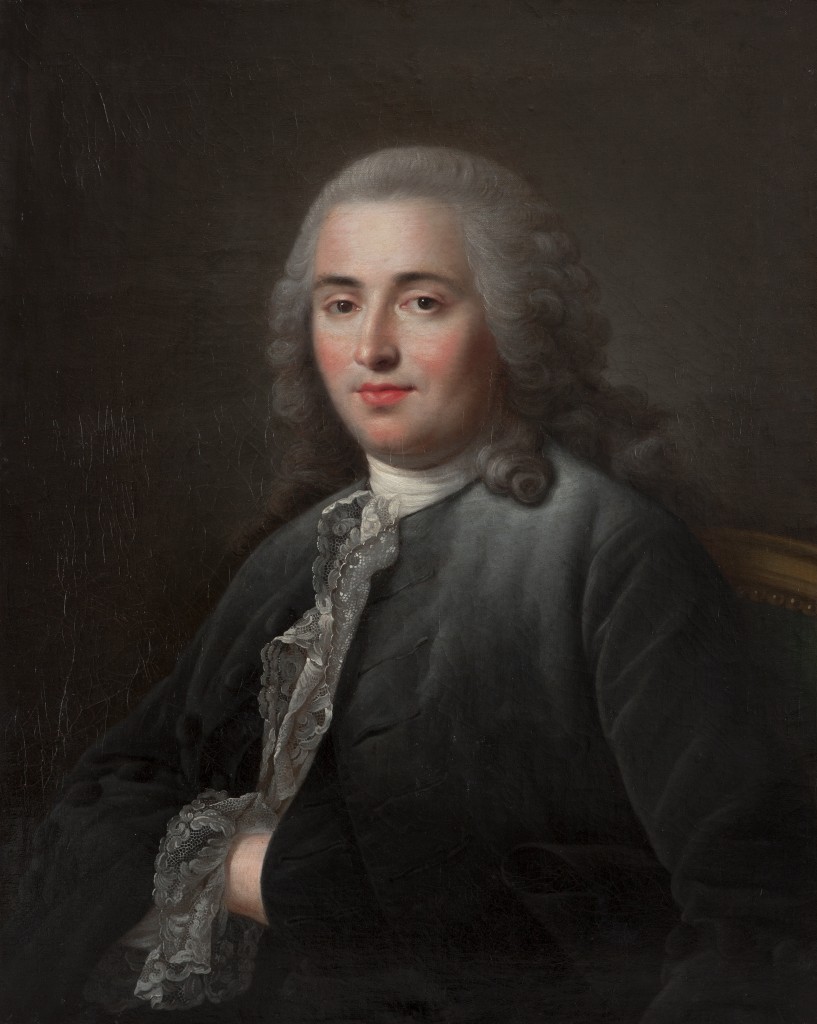
Anne-Robert-Jacques Turgot, Baron de l'Aulne
(Anne Robert Jacques Turgot)
Enlightenment economist and Comptroller-General under Louis XVI whose Six Edicts sought to avert revolution through free trade, ending the corvée, and abolishing guilds.
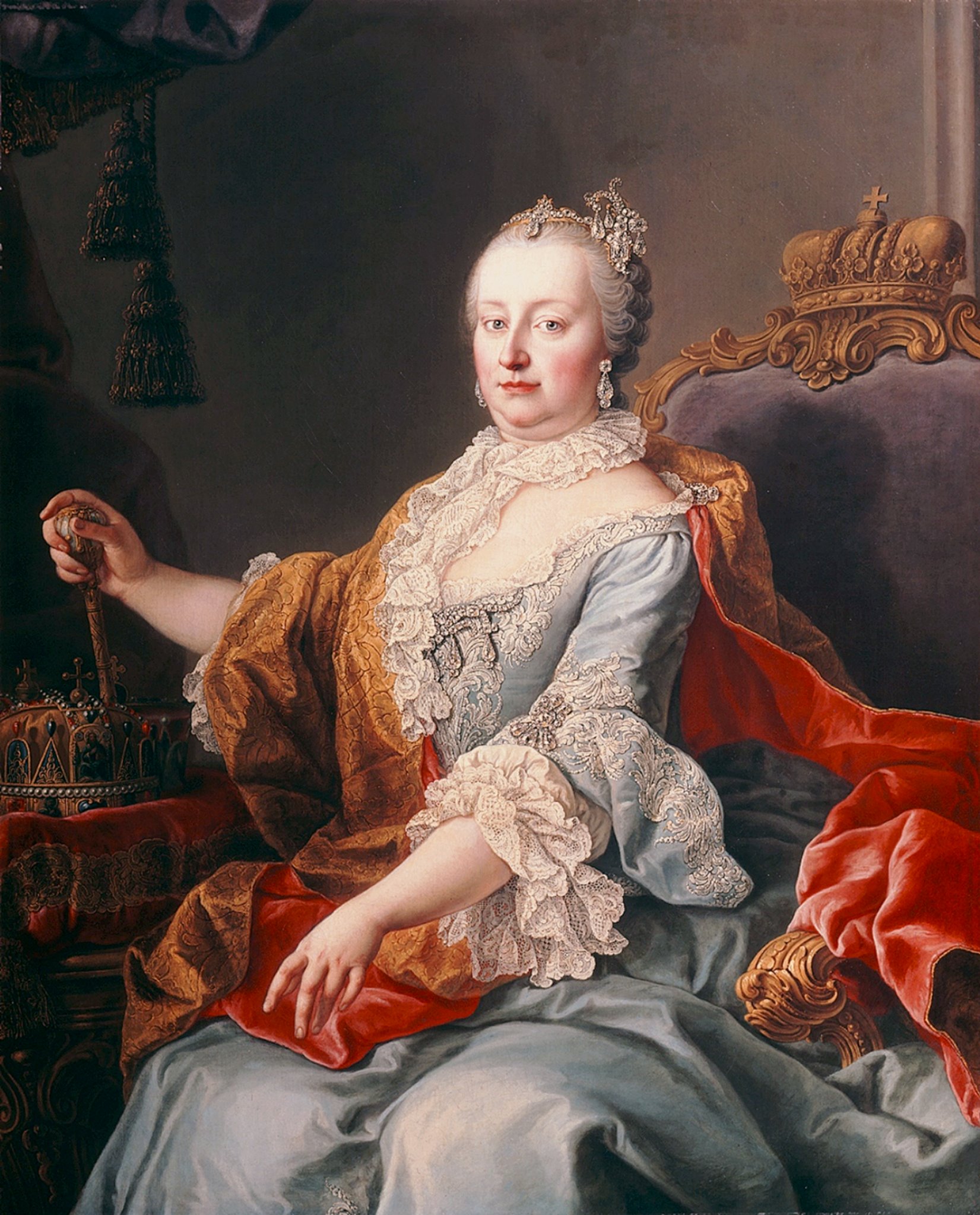
Maria Theresa of Austria
 (Maria Theresia von Österreich)
Sole female ruler of the Habsburg dominions who defended her inheritance in the War of the Austrian Succession and modernized central Europe.
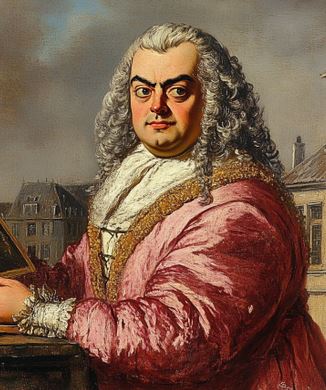
Bernardo Bellotto (Bernardo Bellotto)
Venetian view painter, nephew and pupil of Canaletto, whose hyper-realistic, dark-toned urban landscapes of Dresden, Vienna, and Warsaw were used to rebuild historic Warsaw after WWII.
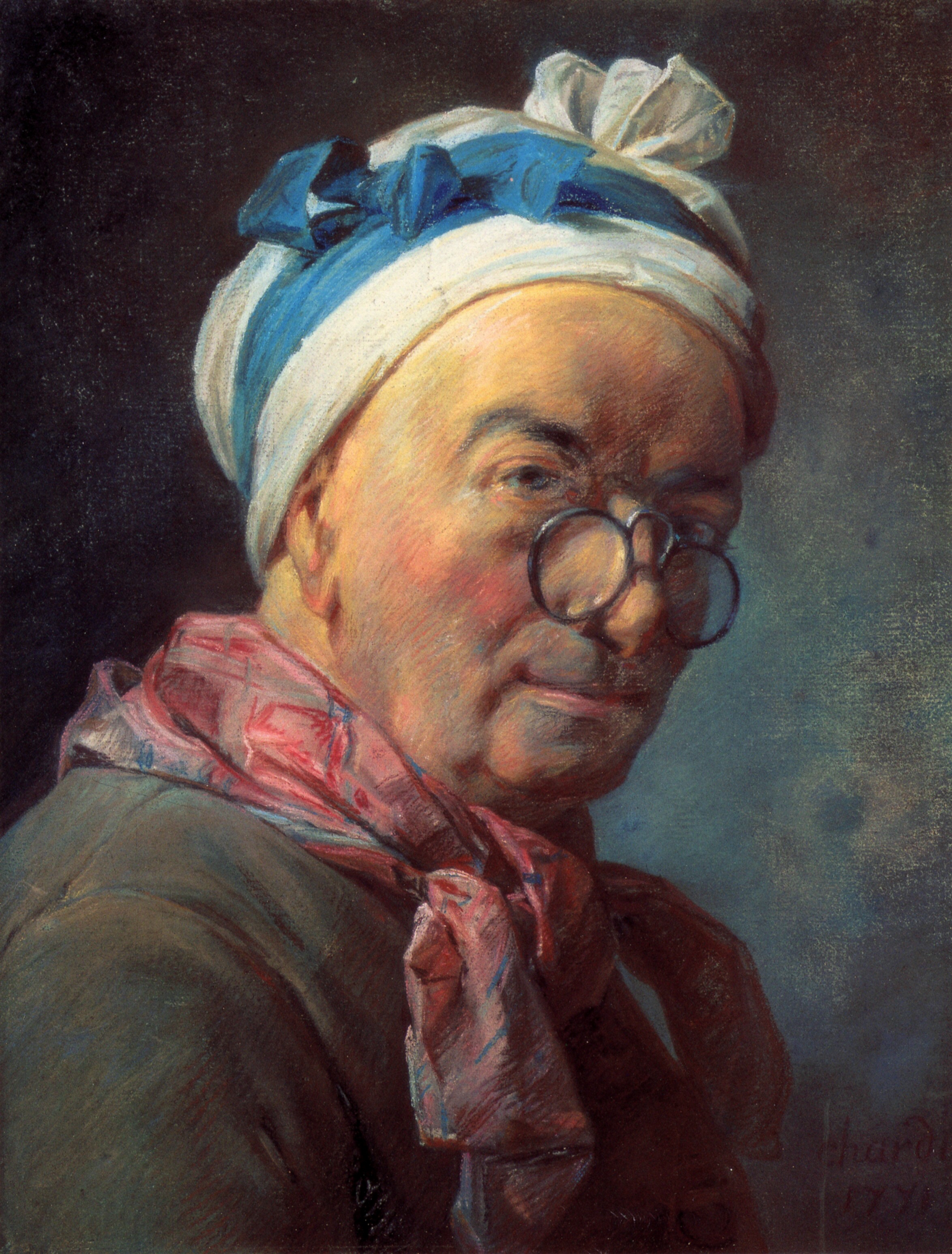
Jean-Baptiste-Siméon Chardin
(Jean Siméon Chardin)
Supreme French painter of quiet domestic genre scenes and still lifes whose tactile realism, soft natural light, and works like 'The Ray' and 'The Brioche' captivated Diderot.
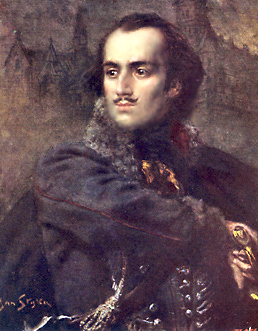
Casimir Pulaski (Kazimierz Pułaski)
 (Kazimierz Michał Władysław Wiktor Pułaski)
Polish nobleman and general revered as the 'Father of the American Cavalry' who saved George Washington's life at Brandywine and died at the Siege of Savannah.
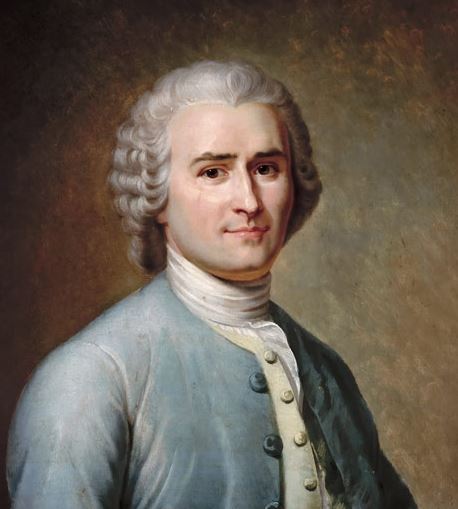
Jean-Jacques Rousseau
 (Jean-Jacques Rousseau)
Genevan philosopher whose Social Contract, Émile, and Confessions championed popular sovereignty, direct democracy, natural education, and the primacy of authentic human sentiment.
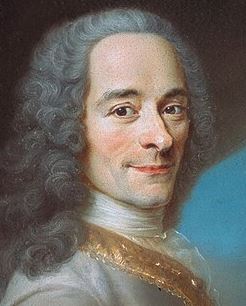
Voltaire (François-Marie Arouet)
(François-Marie Arouet)
Incarnation of the French Enlightenment whose biting wit in Candide and passionate defense of civil liberties made him the universal symbol of religious tolerance and free speech.