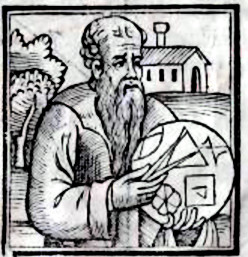
Apollonius of Perga
Legendary Hellenistic mathematician and astronomer active in Alexandria, known as 'The Great Geometer', whose eight-volume treatise 'Conics' introduced the fundamental terms ellipse, parabola, and hyperbola.
Start typing to search worldwide archives and community tributes
Filterable archive covering centuries of intellectual, artistic, and moral contributions to the human story.
Legendary Hellenistic mathematician and astronomer active in Alexandria, known as 'The Great Geometer', whose eight-volume treatise 'Conics' introduced the fundamental terms ellipse, parabola, and hyperbola.
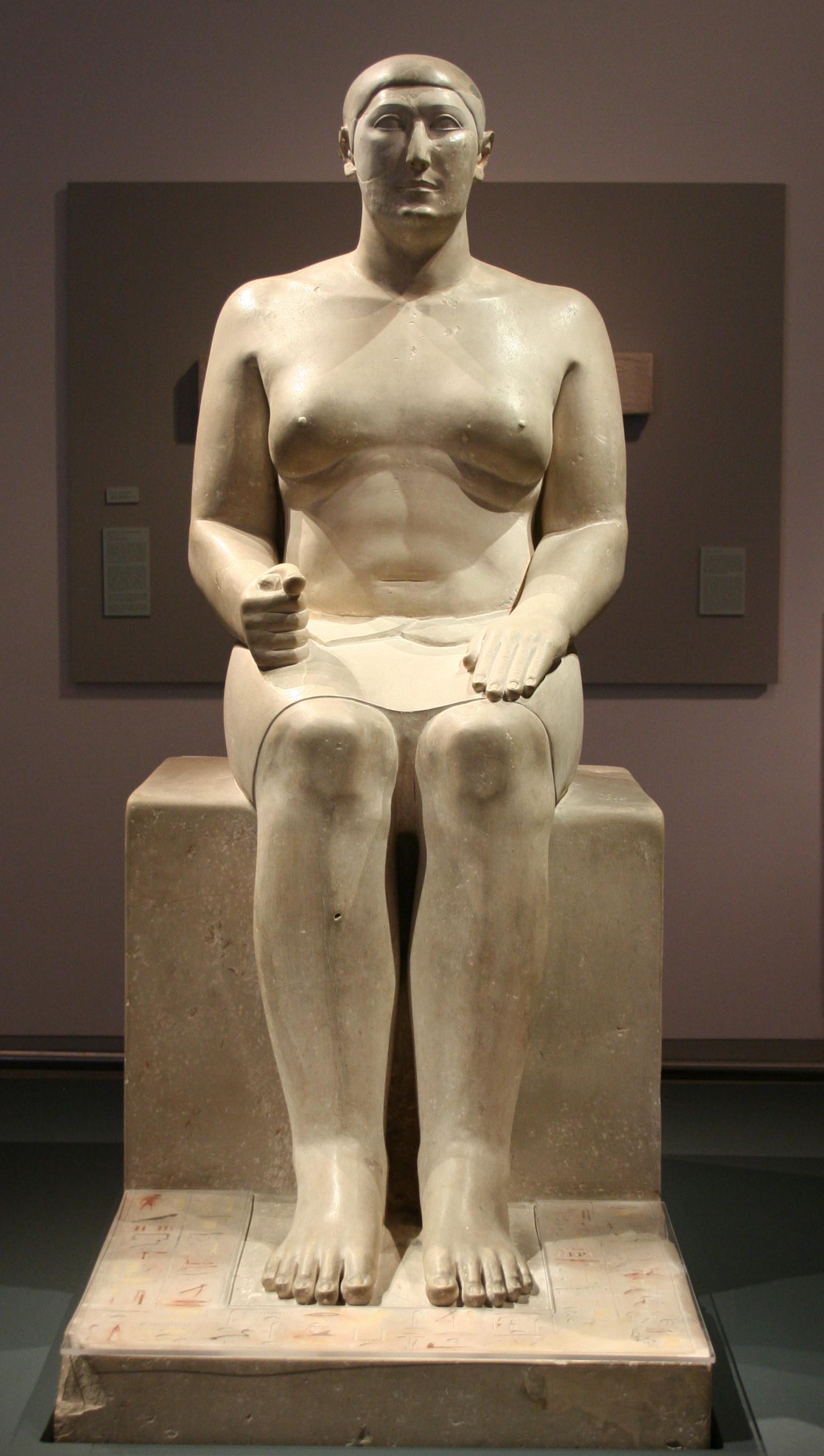
Prince and Vizier of the Fourth Dynasty of Egypt who directed the royal engineering works under King Khufu, universally recognized by historians and archaeologists as the chief architect of the Great Pyramid of Giza.
Three brilliant Persian brothers (Jafar Muhammad, Ahmad, and Al-Hasan) of the House of Wisdom in Baghdad who authored the 850 CE 'Book of Ingenious Devices', inventing over one hundred automated hydraulic machines, feedback valves, and programmable instruments.
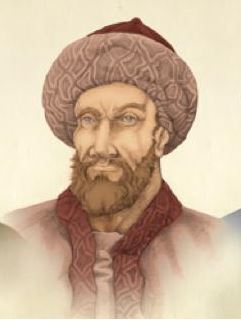
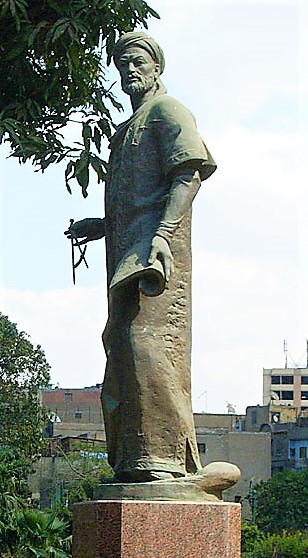
Abbasid astronomer known as Alfraganus, author of 'Elements of Astronomy', whose measurements of the Earth's circumference influenced Christopher Columbus, and who engineered the iconic Nilometer on Roda Island in Cairo.
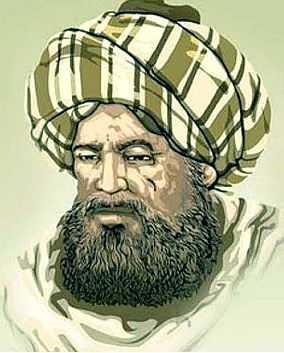
Astronomer and mathematician known in the West as Albatenius, whose astronomical tables 'Kitab al-Zij' accurately calculated the solar year to 365 days, 5 hours, 46 minutes, and 24 seconds, and introduced fundamental trigonometric functions.
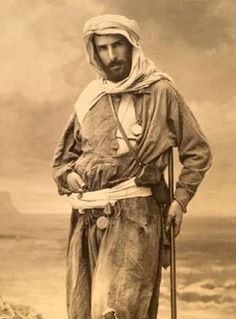
North African diplomat, traveler, and geographer born in Granada and raised in Fez, whose masterwork 'Descrittione dell'Africa' (1526) served as Europe's primary geographical authority on the Maghreb and Sub-Saharan Africa for centuries.
Visionary Arab Muslim woman known as 'Umm al-Banin' who migrated from Kairouan to Fez and used her entire inherited fortune to found the University of al-Qarawiyyin in 859 CE, recognized by UNESCO as the oldest continuously operating university in the world.
Foremost alchemist of the Islamic Golden Age who transformed alchemy into systematic experimental chemistry, inventing the alembic, discovering hydrochloric and nitric acids, and distillation.
Pioneer of modern optics and the experimental scientific method whose Book of Optics (Kitab al-Manazir) proved that vision occurs when light rays enter the eye and explained the camera obscura.
Persian polymath at Baghdad's House of Wisdom who founded algebra (al-jabr), gave his name to the 'algorithm', and introduced Hindu-Arabic numerals and decimal positional notation to the West.
Genius astronomer and mathematician who formulated the mathematical rules of zero (shunya) as a number, operations with negative numbers, and the Brahmagupta formula for cyclic quadrilaterals.
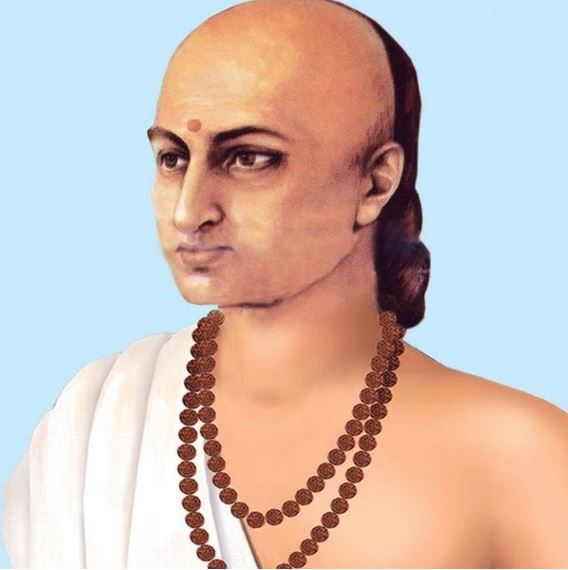
Master of Gupta Dynasty mathematics and astronomy whose Aryabhatiya introduced trigonometry (sine tables), calculated Pi to 3.1416, and proved the Earth rotates on its axis.
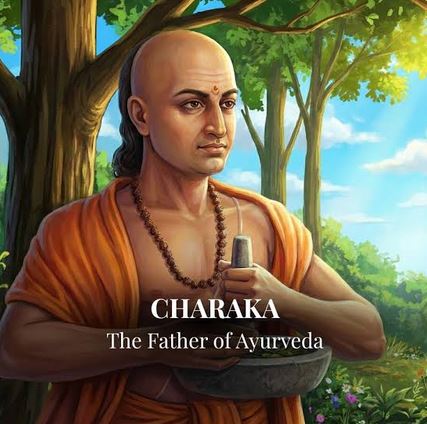
Ancient Indian physician and philosopher who compiled the Charaka Samhita, the foundational treatise of Ayurvedic internal medicine, cellular biology, and medical ethics.
Ancient Indian surgeon hailed as the 'Father of Plastic Surgery', whose Sanskrit compendium Sushruta Samhita detailed rhinoplasty forehead flaps, cataract couching, and 121 surgical instruments.
Brilliant Greco-Egyptian engineer and geometer who invented the aeolipile (the world's first steam engine), automatic temple doors, programmable theater automata, and Heron's formula.
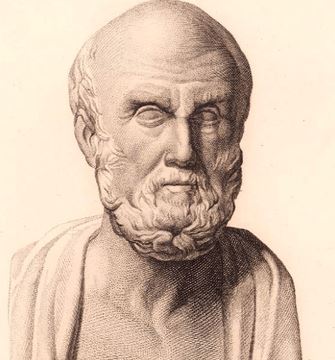
'Father of Medicine' who liberated healing from superstition, established clinical observation of symptoms, and created the foundational medical code of ethics: the Hippocratic Oath.
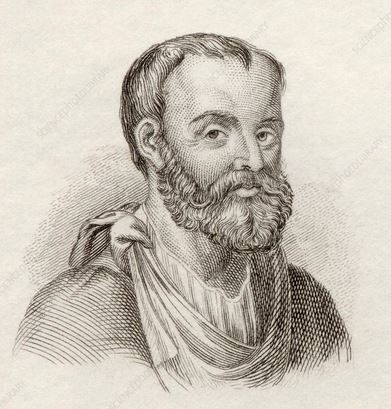
Preeminent physician of the Roman Empire whose experimental anatomical vivisections, surgical techniques, and humoral pharmacology dominated Western and Islamic medicine for 1,500 years.
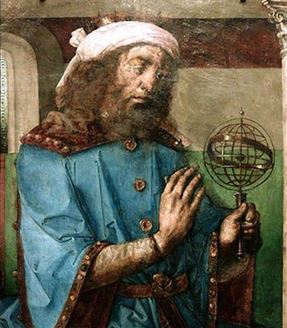
Greco-Egyptian polymath whose monumental astronomical treatise, the Almagest, and Geographia defined celestial mechanics and global cartography for fourteen centuries.