Public Figures & Cultural Luminaries
Filterable archive covering centuries of intellectual, artistic, and moral contributions to the human story.
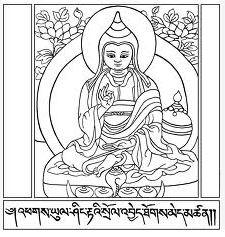
Asanga
 (असंग)
Great Gandharan Buddhist master who with his brother Vasubandhu founded the Yogacara (Vijnanavada / Mind-Only) school of Mahayana Buddhism, authoring the 'Yogacarabhumi-Sastra'.
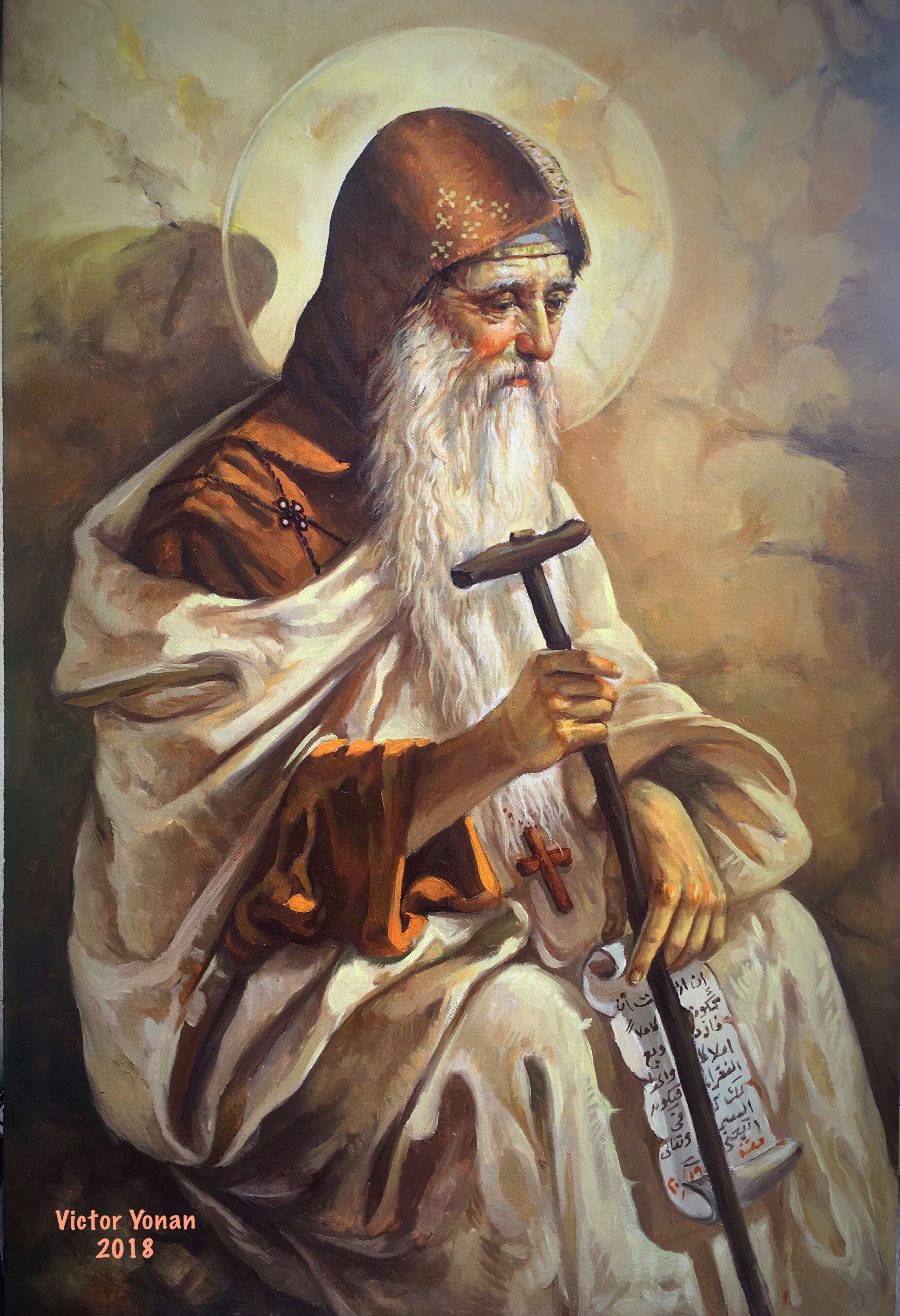
Anthony the Great
 (Ἀντώνιος ὁ Μέγας)
Father of Christian monasticism whose radical asceticism in the Egyptian desert inspired generations of contemplatives and was chronicled by Athanasius.
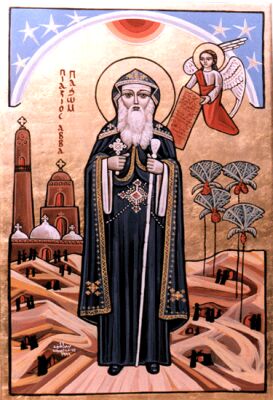
Pachomius the Great
(Παχώμιος)
Egyptian desert father who founded Christian cenobitic (communal) monasticism, composing the first written monastic rule that influenced Benedict and Basil.
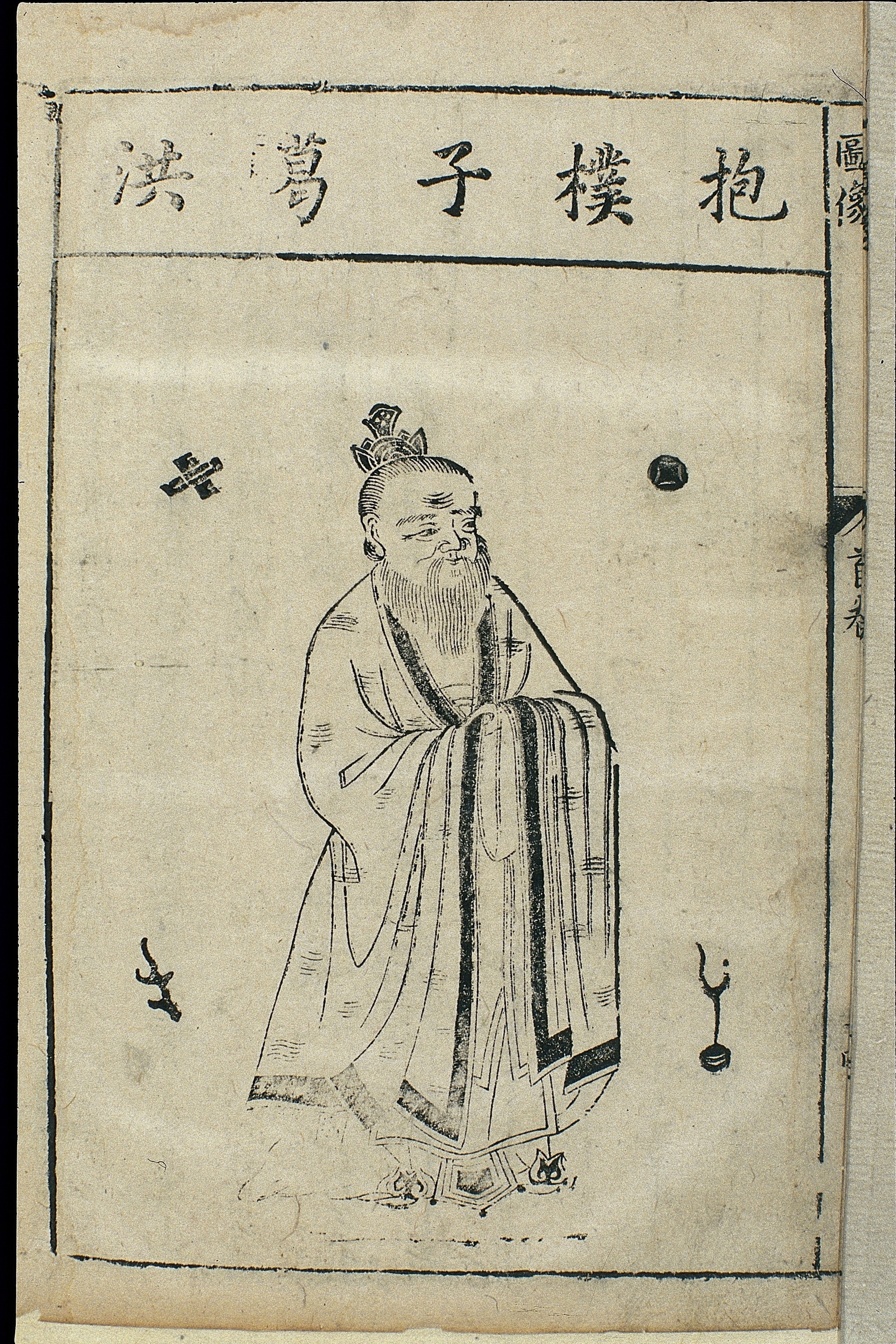
Ge Hong
 (葛洪)
Jin Dynasty Daoist philosopher, alchemist, and physician whose masterwork 'Baopuzi' harmonized Confucian social ethics with Daoist inner alchemy and medical science.
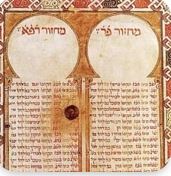
Rabba bar Nahmani
 (רבה בר נחמני)
Head of the Pumbedita Academy renowned as an 'Uprooter of Mountains' (Oker Harim) for his sharp dialectical genius and devotion to studying ritual purity laws.
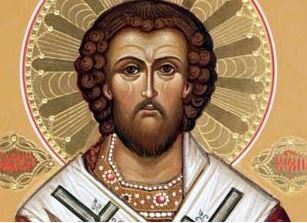
Saint Theodore of Cyrene
 (Θεόδωρος Κυρήνης)
Revered 4th-century Bishop of Cyrene and Christian martyr who endured tongue-mutilation and torture under Roman Governor Dignianus for refusing to surrender sacred scriptures.
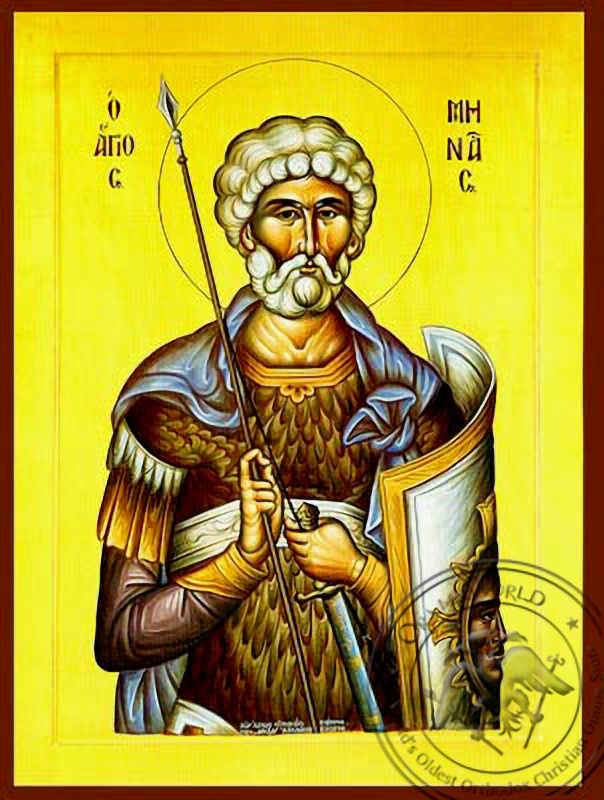
Saint Menas
(Ⲁⲃⲃⲁ Ⲙⲏⲛⲁ)
One of the most famous Egyptian saints in world history, a soldier and hermit whose pilgrimage center at Abu Mena southwest of Alexandria became a UNESCO World Heritage holy city.
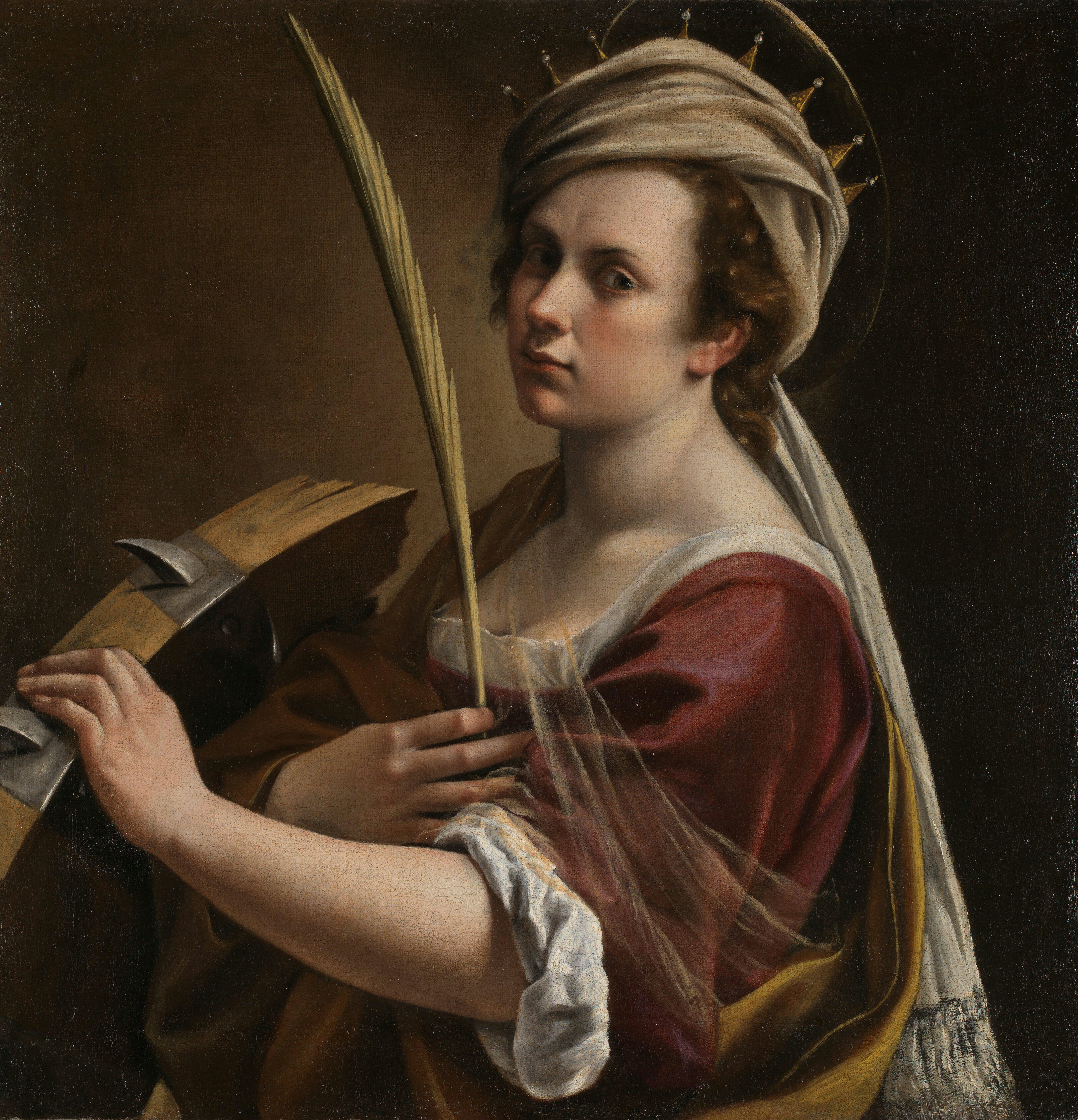
Saint Catherine of Alexandria
(Ἡ Ἁγία Αἰκατερίνη)
Brilliant 4th-century Alexandrian philosopher and Christian martyr who debated and converted fifty pagan philosophers before Emperor Maxentius, after whom Mount Saint Catherine and Saint Catherine's Monastery in Sinai are named.
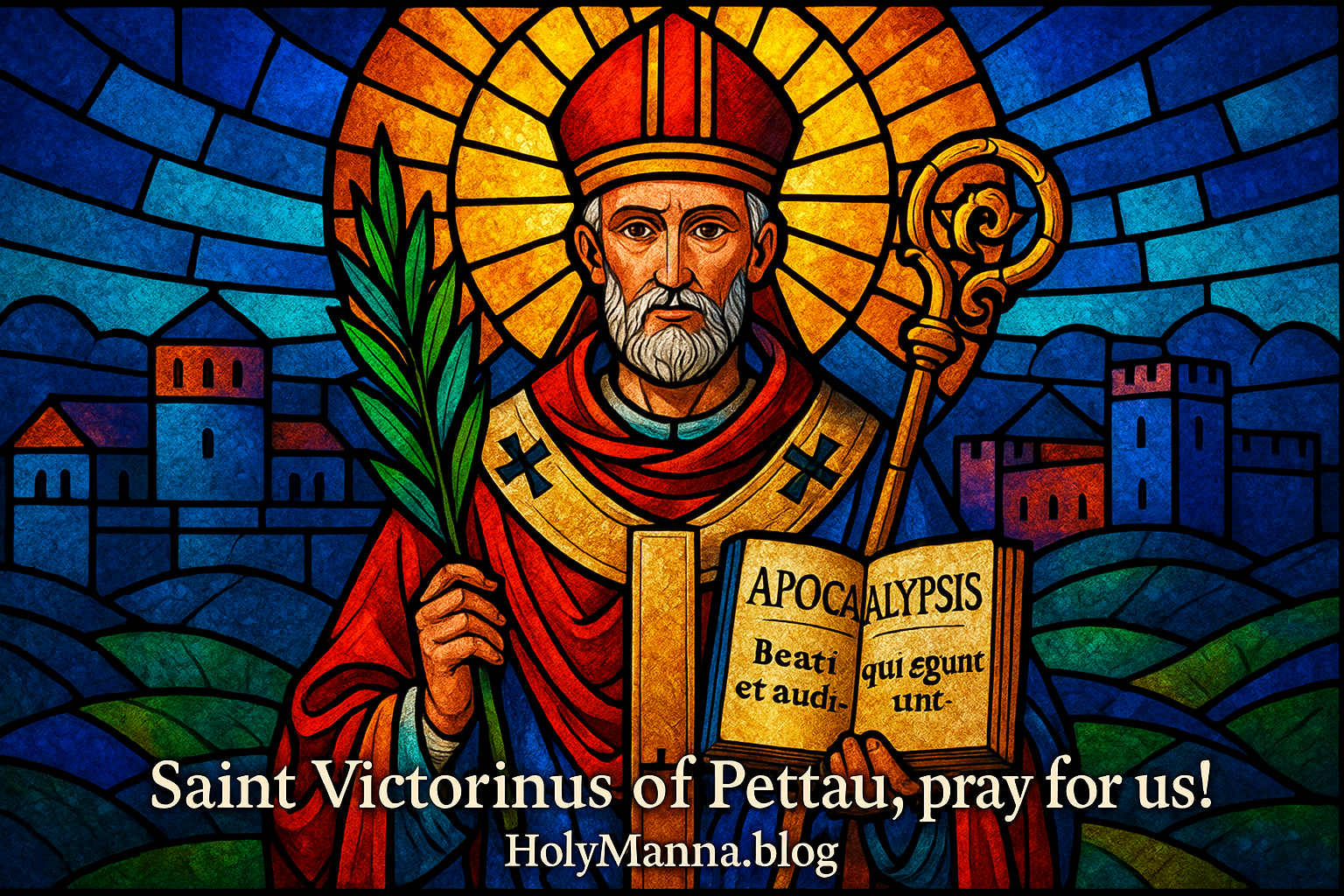
Victorinus of Petovium
 (Victorinus Petavionensis)
Earliest Latin biblical commentator and bishop, of North African Numidian origin, whose theological treatises on Revelation and Genesis were praised by Saint Jerome.
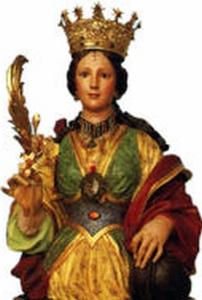
Saint Restituta
 (Restituta Africana)
Revered 4th-century North African Christian martyr from Bizerte/Carthage whose veneration spread across the western Mediterranean to Naples and Ischia.
Saint Dionysius of Alexandria
(Διονύσιος Ἀλεξανδρείας)
Eminent 3rd-century Pope of Alexandria known as 'Dionysius the Great', student of Origen who headed the Catechetical School of Alexandria and showed heroic compassion tending plague victims during the Cyprian Plague.
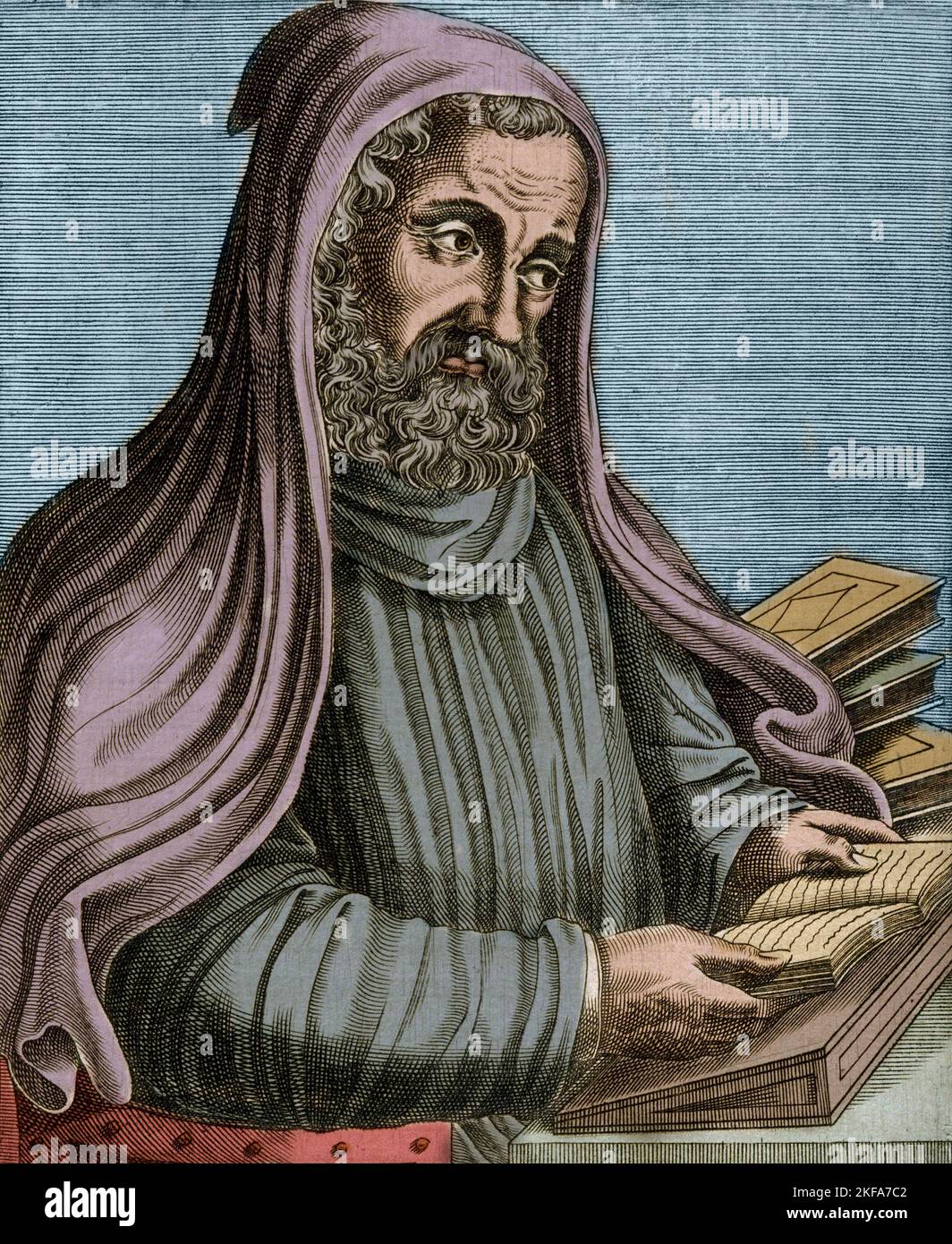
Cyprian of Carthage
(قبريانوس القرطاجي)
Early Christian bishop of Carthage and towering Latin Church Father whose theological masterwork 'On the Unity of the Church' and heroic martyrdom established African Christian moral primacy.
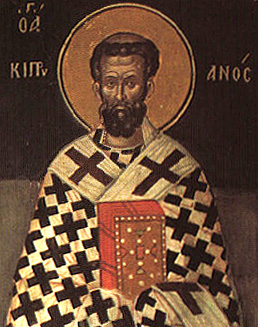
Thascius Caecilius Cyprianus
(Cyprianus)
Renowned Bishop of Carthage and Latin Father who championed the unity of the Catholic episcopate and gave fearless pastoral care during plagues and persecution.
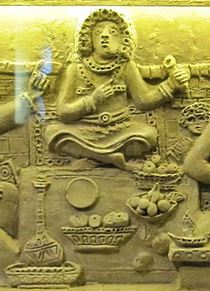
Samuel of Nehardea
(שמואל)
Babylonian Amora, astronomer, physician, and head of the Nehardea Academy who formulated the historic halakhic principle 'Dina de-malkhuta dina' (the law of the land is law).
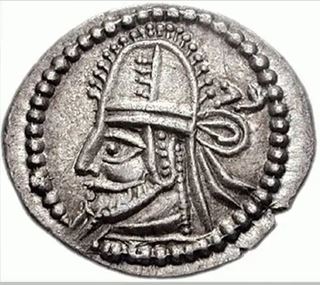
Abba Arika
(אבא אריכא)
Towering Babylonian Amora who brought the Mishnah from the Land of Israel to Babylon and founded the great Yeshiva of Sura, inaugurating the Talmudic golden age.
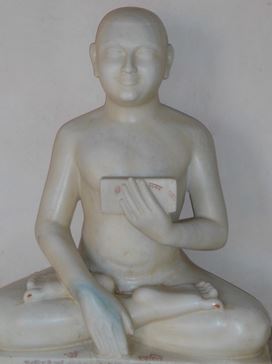
Kundakunda (कुन्दकुन्दाचार्य)
Venerated Digambara Jain philosopher whose foundational Prakrit works 'Samayasara' and 'Pravachanasara' established the distinction between the absolute and practical viewpoints.
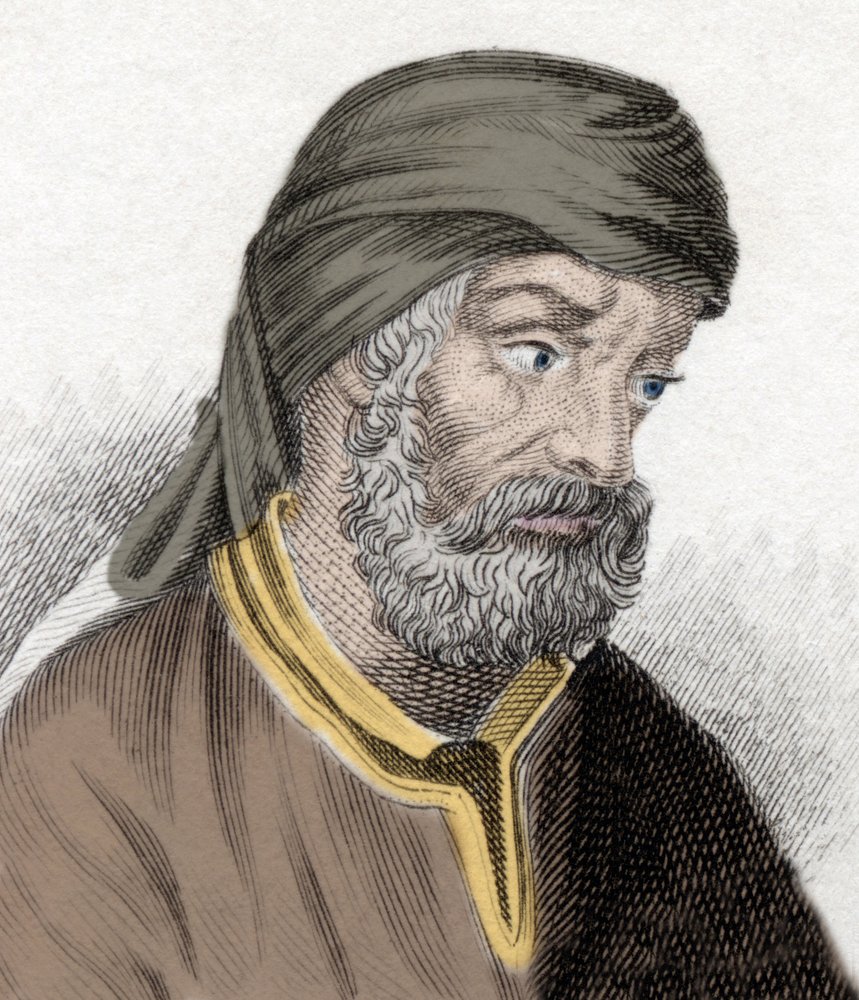
Quintus Septimius Florens Tertullianus
(Tertullianus)
Father of Latin Christian theology and brilliant apologist who introduced essential dogmatic terminology including 'Trinitas' and 'one substance in three persons'.
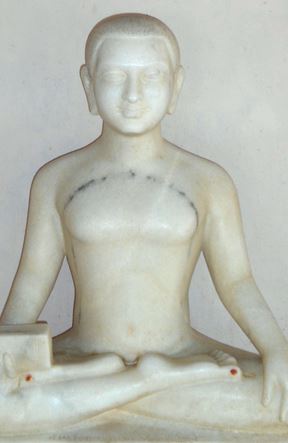
Umashvati
 (उमास्वाति)
Jain philosopher whose 'Tattvartha Sutra' (That Which Is) is the first Jain scripture composed in classical Sanskrit, accepted by both Digambara and Svetambara traditions.