Public Figures & Cultural Luminaries
Filterable archive covering centuries of intellectual, artistic, and moral contributions to the human story.
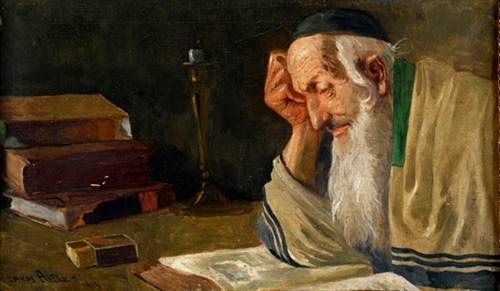
Judah ha-Nasi (יהודה הנשיא)
Prince (Nasi) of the Sanhedrin and chief editor of the Mishnah, who committed the Oral Torah to writing to ensure its preservation for all Jewish generations.
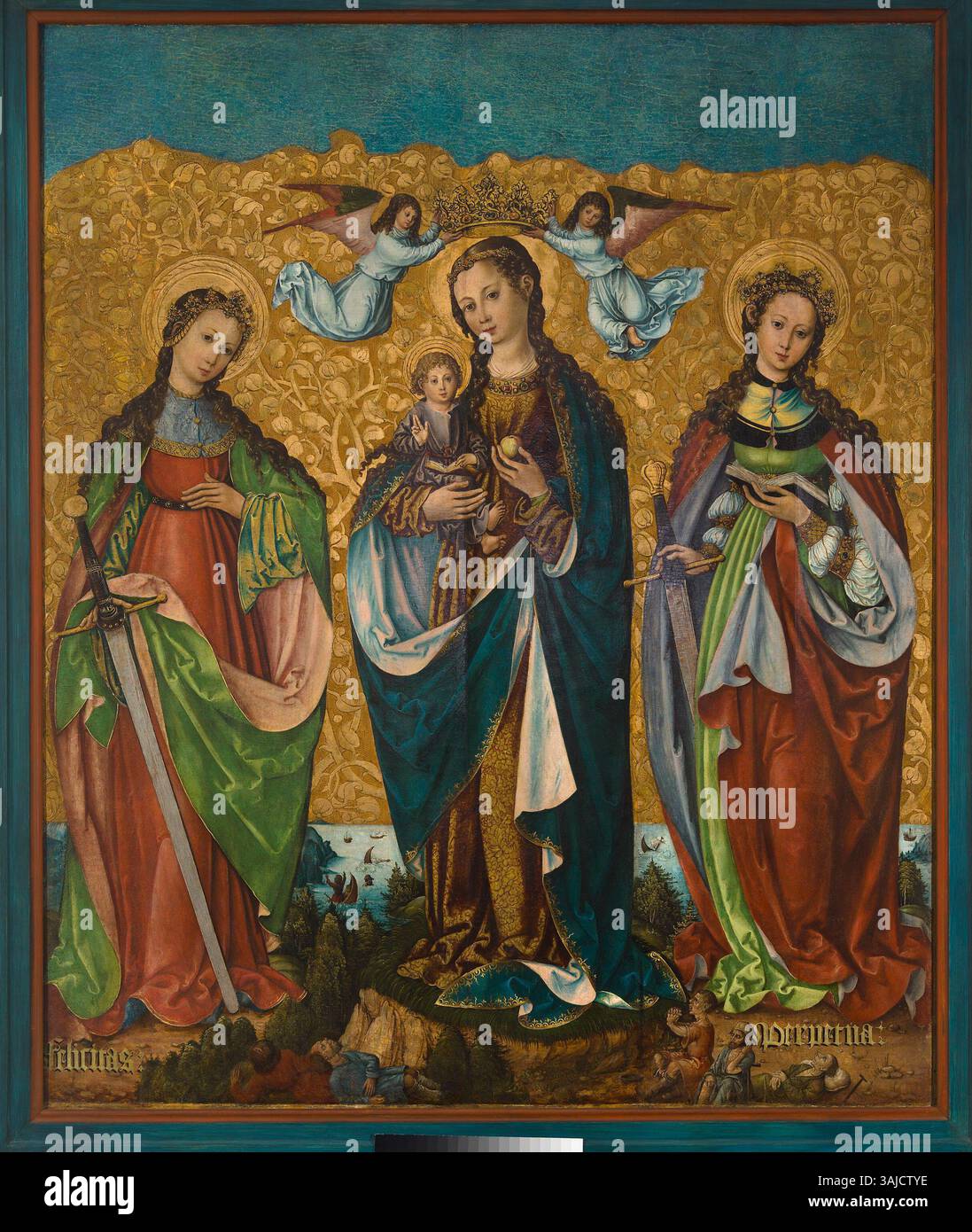
Felicity of Carthage
 (فيليسيتاس القرطاجية)
Enslaved young mother of Carthage and companion of Saint Perpetua who gave birth in prison days before stepping hand-in-hand into the Roman amphitheater, embodying human dignity and sisterhood.
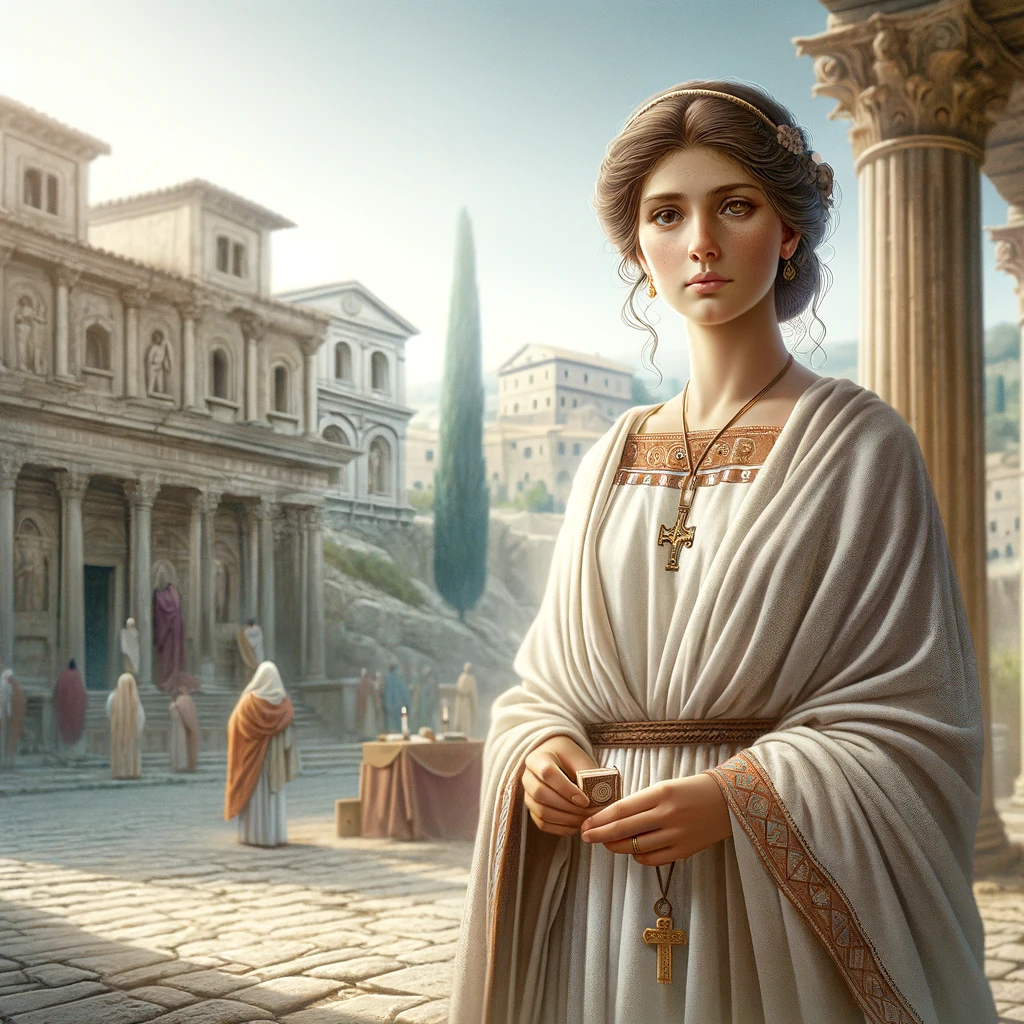
Perpetua of Carthage
(بيربيتيوا القرطاجية)
Young 22-year-old noblewoman of Carthage whose prison diary—the earliest known historical text written by a Christian woman—records her unwavering courage before being martyred under Emperor Septimius Severus.
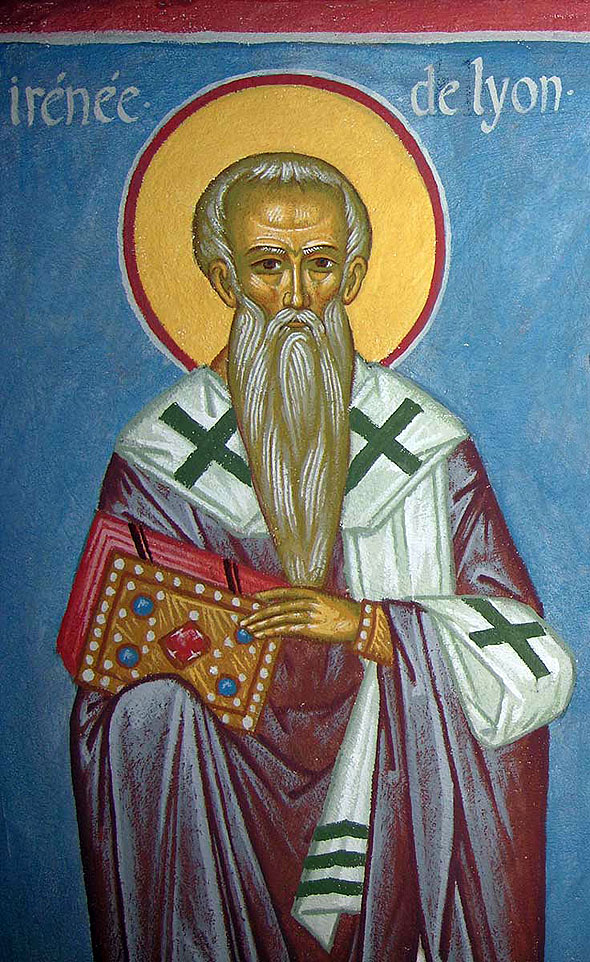
Irenaeus of Lyon
 (Εἰρηναῖος)
Pivotal Greek Church Father and Bishop of Lyon whose 'Against Heresies' refuted Gnosticism, confirmed the fourfold Gospel canon, and taught divine recapitulation.
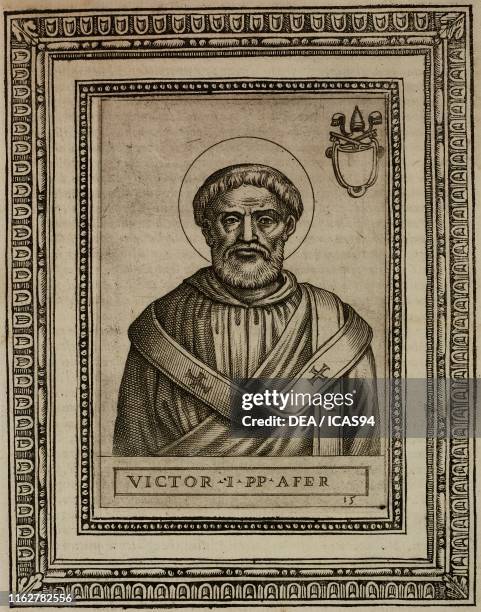
Pope Victor I
 (Victor Africanus)
First African Pope and Bishop of Rome (189–199 CE), born in Roman North Africa (Leptis Magna), who established the celebration of Easter on Sunday and transitioned the Western Church from Greek to Latin.
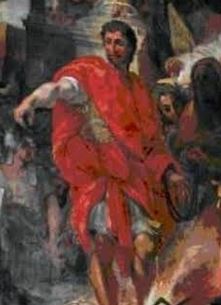
Saint Speratus
(Speratus Africanus)
Leader of the twelve Scillitan Martyrs from central Tunisia whose trial before Roman Proconsul Vigellius Saturninus in Carthage on July 17, 180 CE produced the oldest dated Latin Christian document in history.
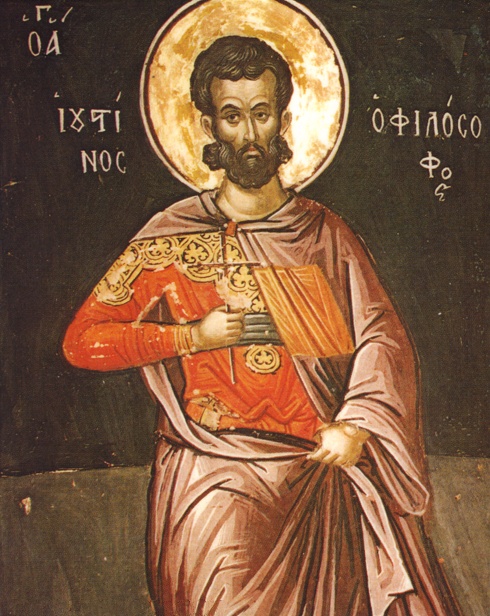
Justin Martyr
 (Ἰουστῖνος ὁ Μάρτυς)
Foremost early Christian apologist who harmonized classical Greek philosophy with biblical revelation through his doctrine of the Logos Spermatikos.
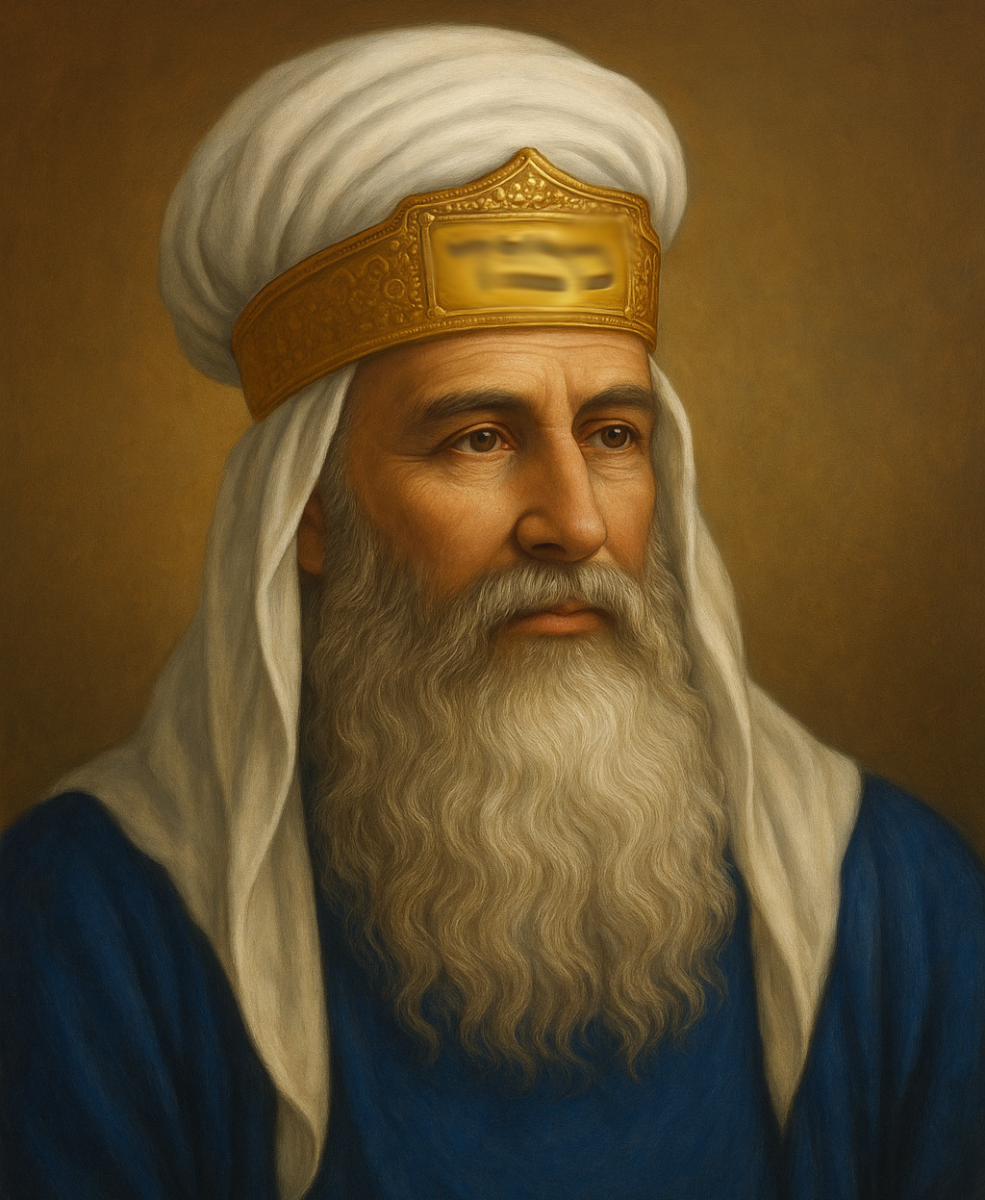
Shimon bar Yochai (שמעון בר יוחאי)
Eminent disciple of Rabbi Akiva and celebrated mystic to whom kabbalistic tradition attributes the divine revelations of the Zohar.
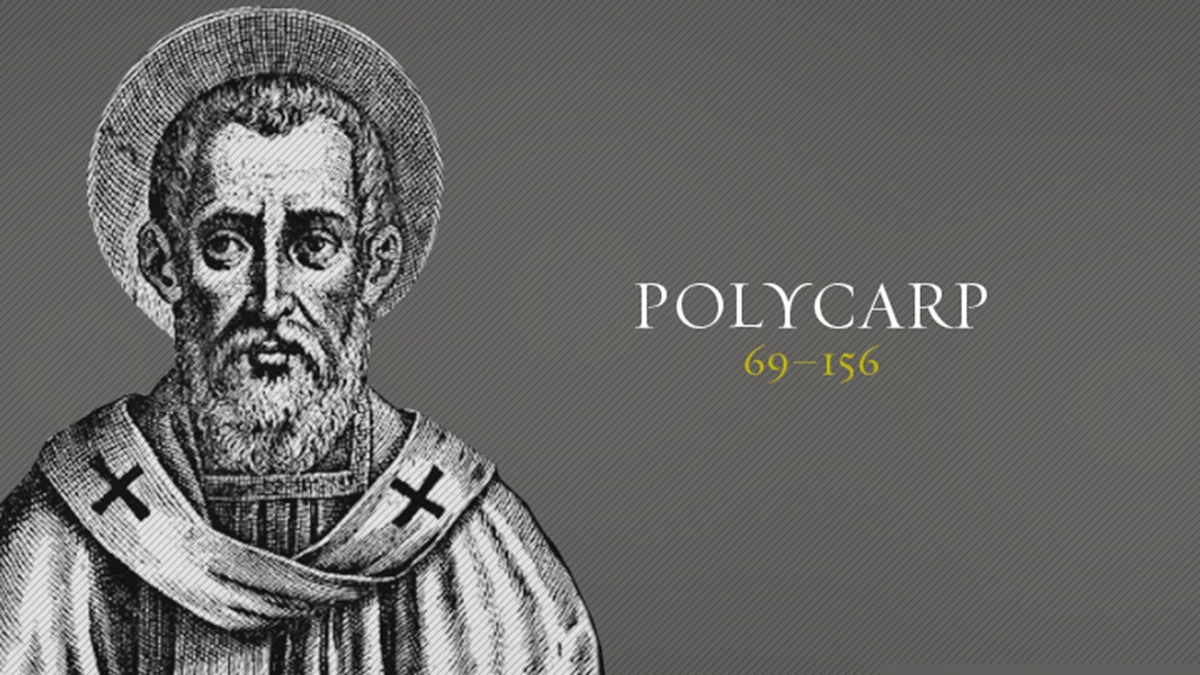
Polycarp of Smyrna
(Πολύκαρπος)
Revered Bishop of Smyrna, disciple of the Apostle John, and crucial defender of orthodoxy against early Gnosticism who died courageously at age eighty-six.
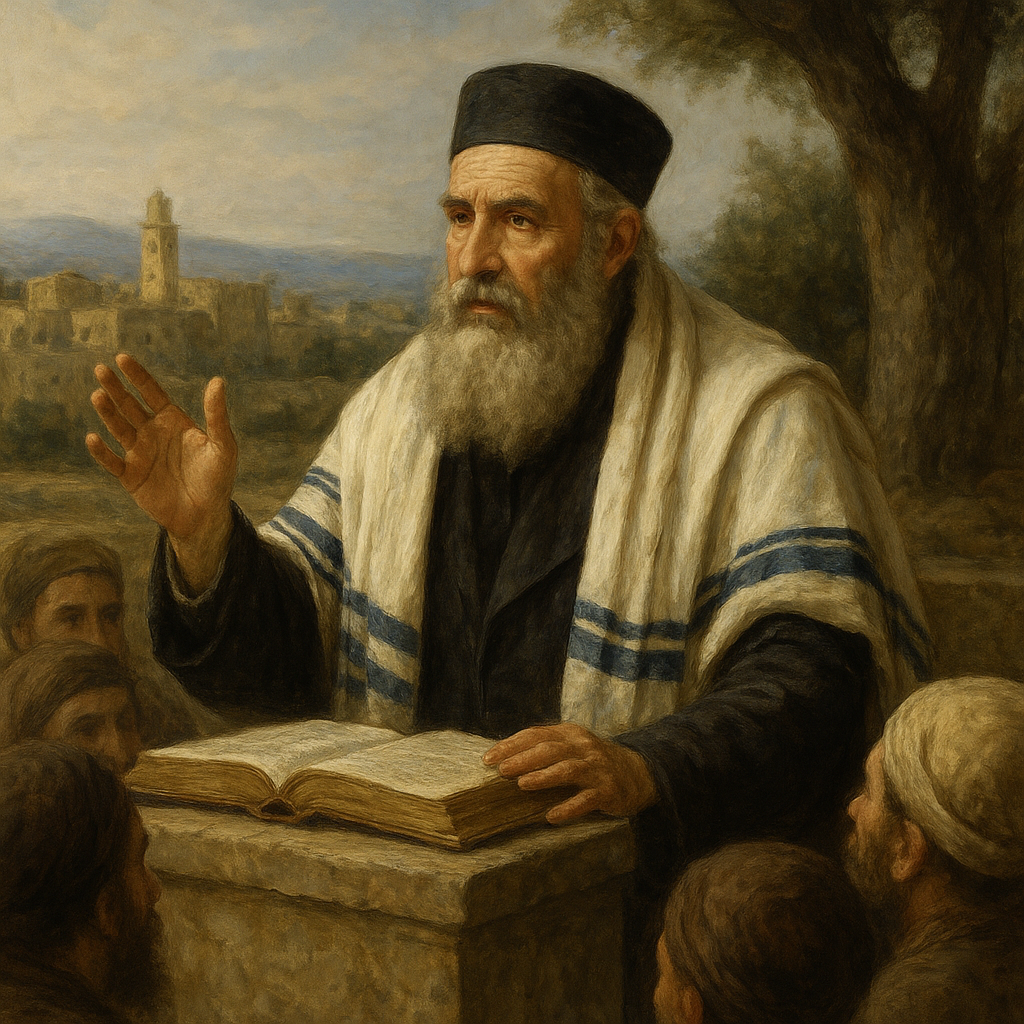
Akiva ben Joseph (רבי עקיבא)
Supreme Mishnaic sage, mystic, and martyr who systemized the Oral Torah, championed the holiness of the Song of Songs, and died declaring the Shema.
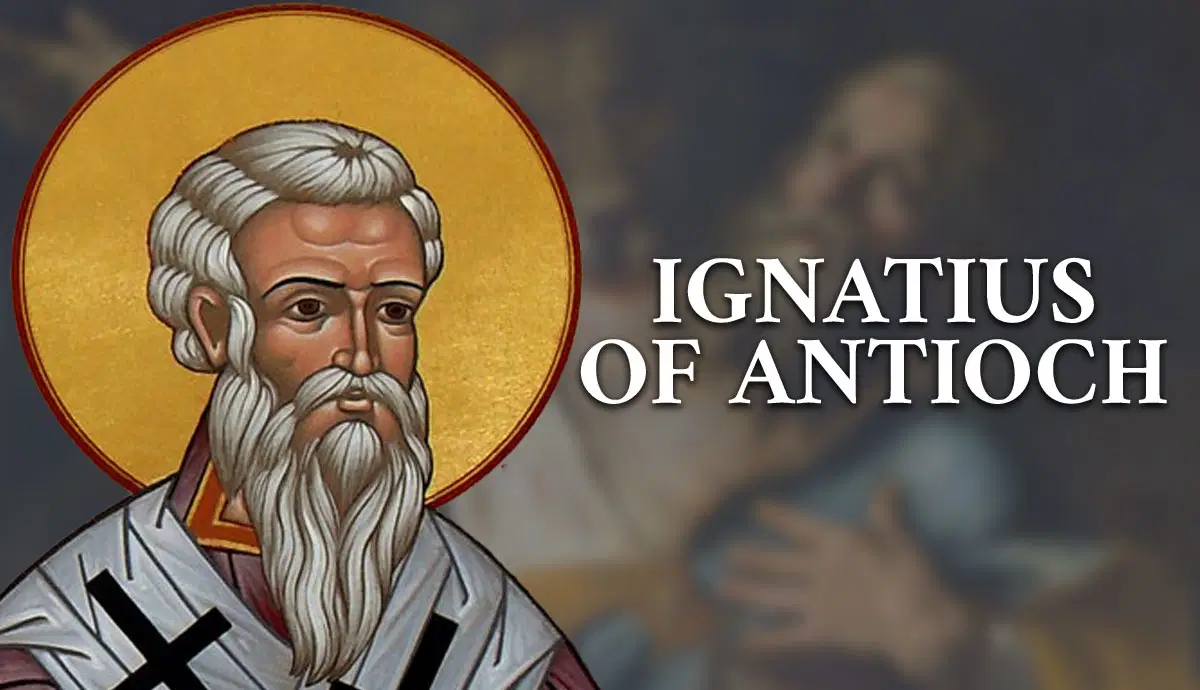
Ignatius of Antioch
 (Ἰγνάτιος Ἀντιοχείας)
Apostolic Father and Bishop of Antioch who authored seven celebrated letters defining the threefold ministry of bishops, the real Eucharist, and Christian martyrdom.
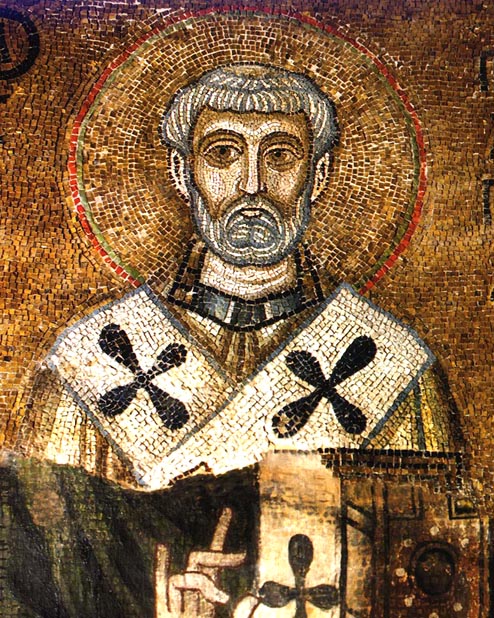
Clement of Rome
 (Κλήμης Ῥώμης)
First Apostolic Father of the early Christian Church and Bishop of Rome, celebrated for his First Epistle to the Corinthians emphasizing apostolic succession and order.

Johanan ben Zakkai (יוחנן בן זכאי)
Visionary sage who saved Judaism after the Roman destruction of the Second Temple by establishing the academy of Yavneh and replacing Temple sacrifice with deeds of lovingkindness.
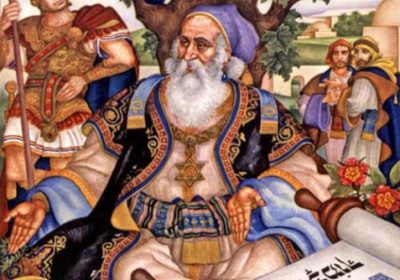
Shammai the Elder (שמאי הזקן)
Colleague of Hillel and Av Beit Din (head of the court) who founded Beit Shammai, celebrated for his uncompromising legal rigor, truthfulness, and hospitality.
Hillel the Elder
 (הלל הזקן)
Foremost Jewish sage, Nasi of the Sanhedrin, and founder of the House of Hillel whose Golden Rule and seven hermeneutic principles shaped Rabbinic Judaism.
Ali ibn Ziyad al-Fasi
 (علي بن زياد الفاسي)
11th-century hadith scholar of Fez who taught at the Qarawiyyin and drafted the theological endorsement supporting the Almoravid unification of Morocco and Andalusia.

Sidi Boushaki of Morocco
(سيدي بوسحاقي)
Distinguished 15th-century legal commentator and grammarian who taught at the University of al-Qarawiyyin, authoring celebrated commentaries on the Alfiya of Ibn Malik.

Sidi Abderrahmane El Illouli
 (سيدي عبد الرحمن الإيلولي)
16th-century Sufi theologian and educator who founded the historic Zawiya of Iloula Oumalou, a legendary fortress of Arabic and Tamazight manuscript preservation.