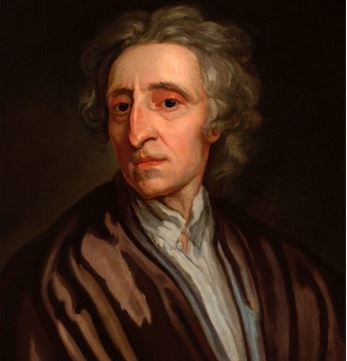
John Locke
'Father of Classical Liberalism' who argued that the human mind is a tabula rasa shaped by experience and defended inalienable natural rights to life, liberty, and property.
Start typing to search worldwide archives and community tributes
Filterable archive covering centuries of intellectual, artistic, and moral contributions to the human story.
'Father of Classical Liberalism' who argued that the human mind is a tabula rasa shaped by experience and defended inalienable natural rights to life, liberty, and property.
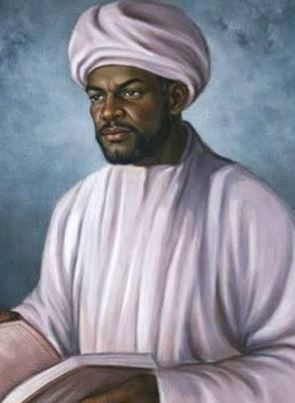
Seventeenth-century Ethiopian philosopher whose 1667 treatise Hatata pioneered rationalist deconstructive philosophy and individual conscience years before John Locke and Spinoza.
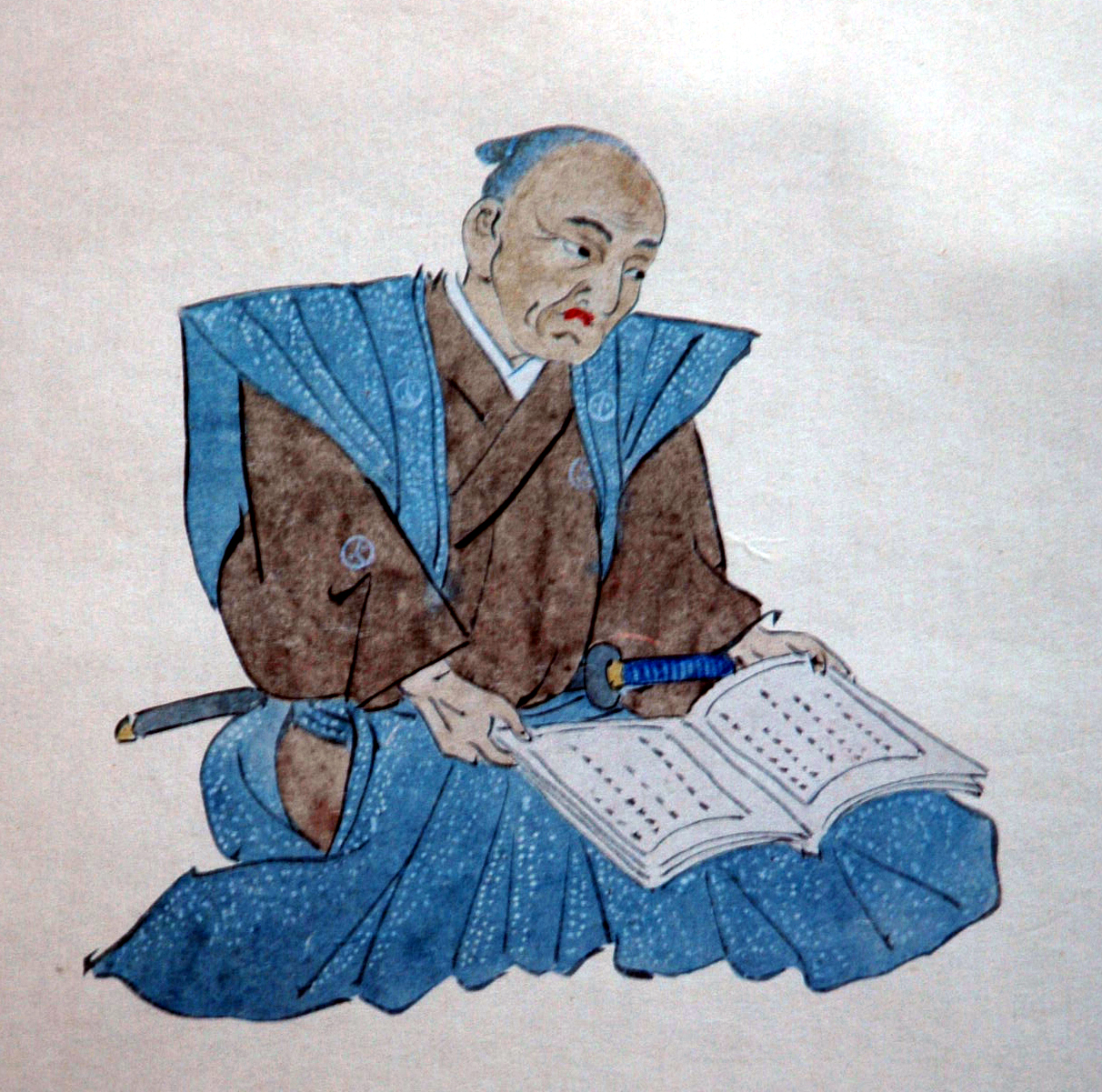
Visionary Edo-period Japanese philosopher of the Wang Yangming school (Oyomeigaku) who served as chief advisor in Okayama Domain and formulated the world's earliest comprehensive philosophy of ecological conservation and watershed management.
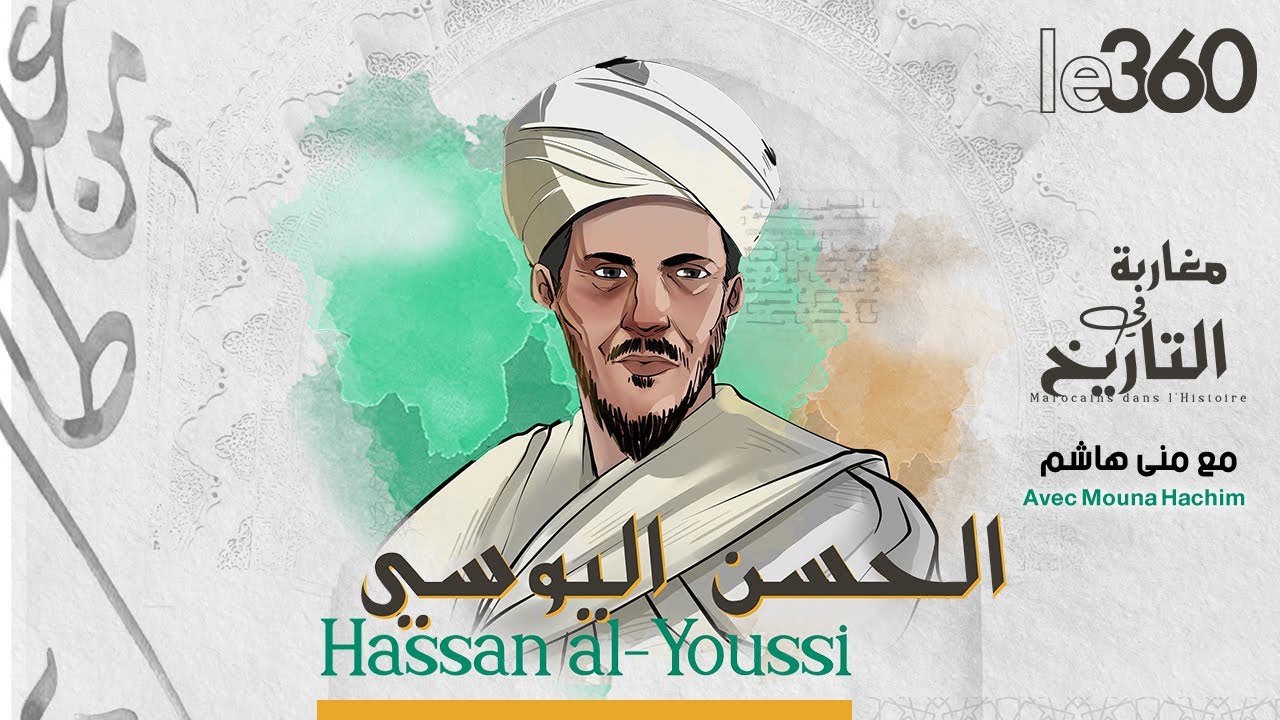
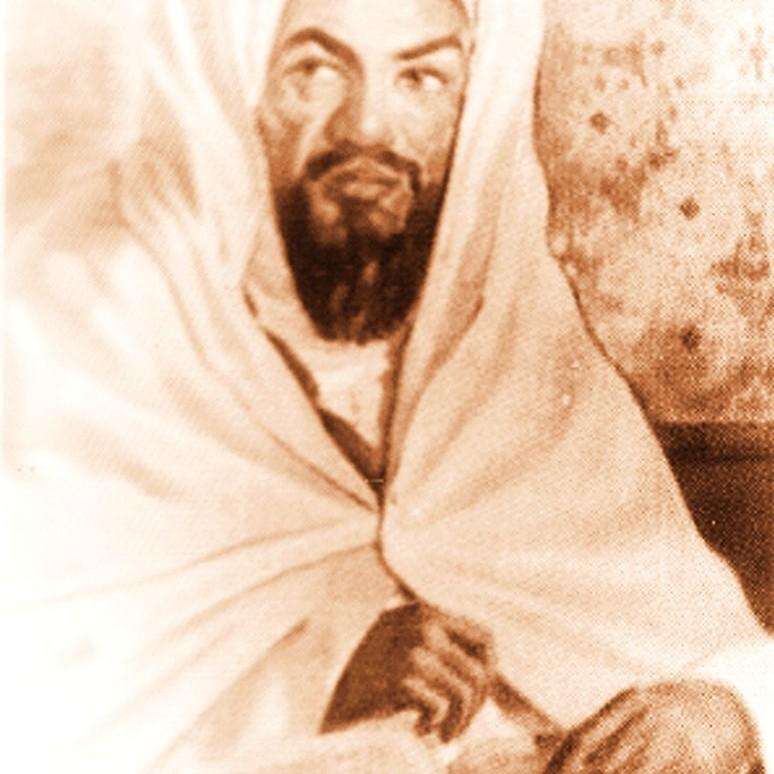
Towering 17th-century Moroccan intellectual, Sufi philosopher, and grammarian from the Middle Atlas who famously confronted Sultan Moulay Ismail with letters defending justice and the rights of subjects.
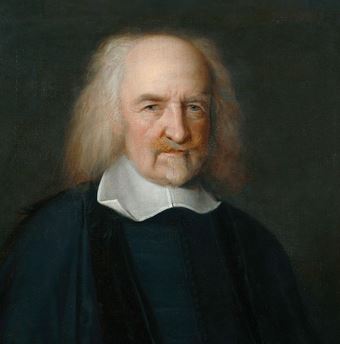
English political philosopher whose Leviathan founded modern social contract theory, warning that life without sovereign authority is 'solitary, poor, nasty, brutish, and short'.
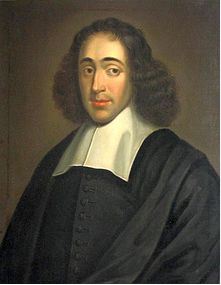
Jewish-Dutch philosopher of radical brilliance whose Ethics set forth a pantheistic monism identifying God with Nature (Deus sive Natura), laying the foundation for modern secular democracy.
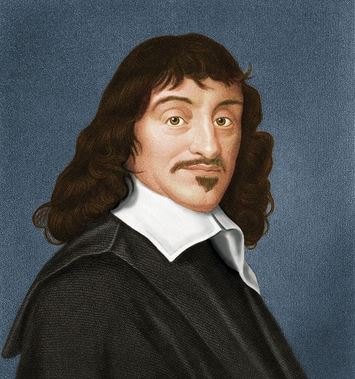
'Father of Modern Philosophy' and inventor of Cartesian coordinates, who demolished skepticism through radical doubt to discover the bedrock principle: Cogito, ergo sum.
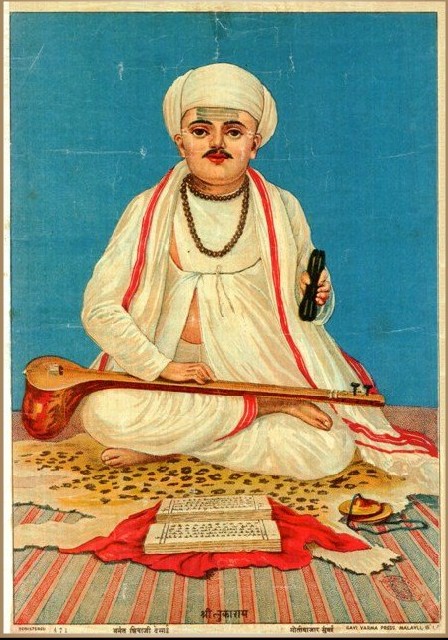
17th-century Marathi poet-saint whose 4,500 devotional 'Abhangas' championed spiritual egalitarianism, denounced religious hypocrisy, and served as the spiritual guiding light to Chhatrapati Shivaji Maharaj.
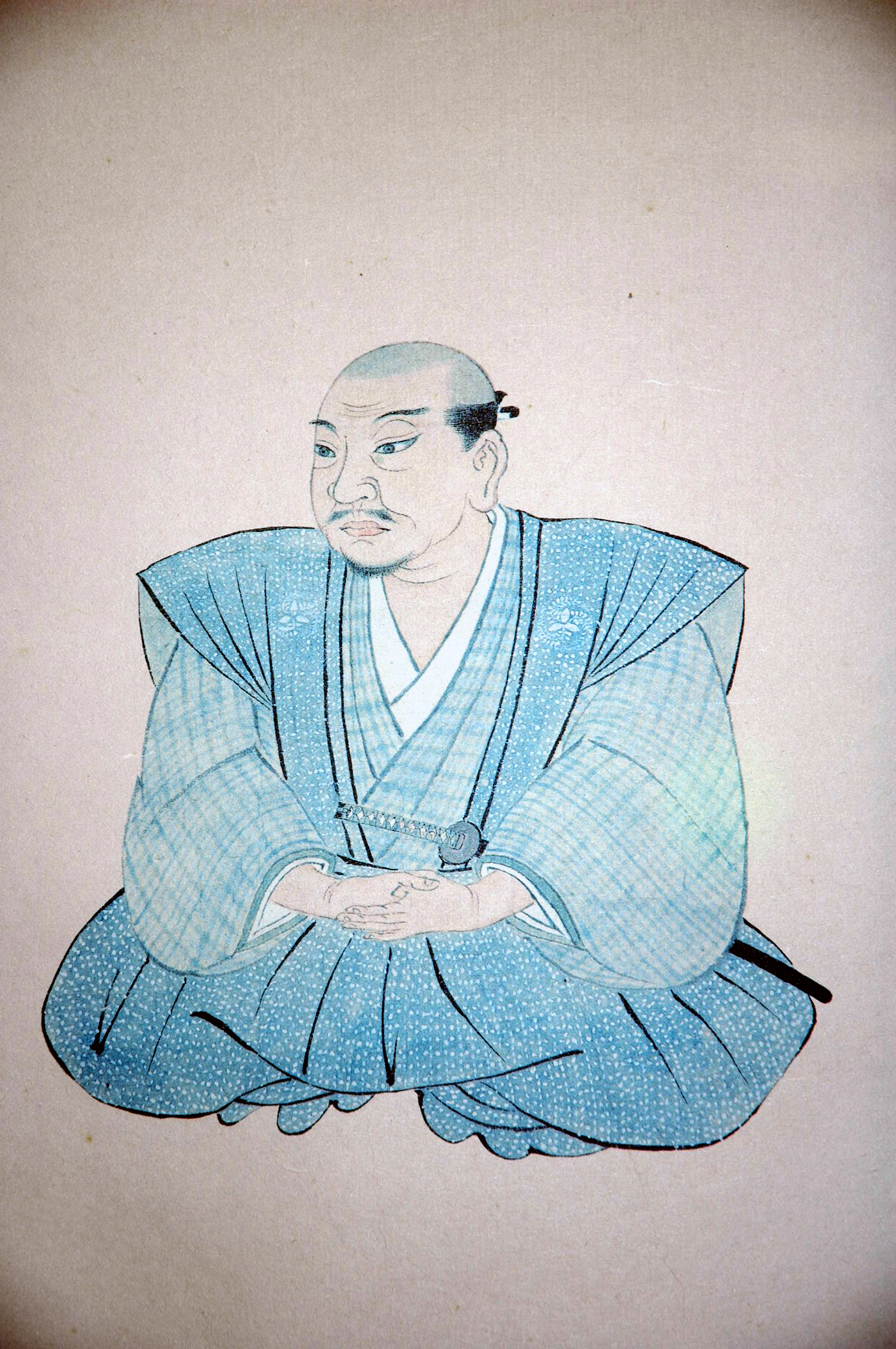
Revered Japanese Confucian philosopher known as the 'Sage of Omi', who resigned his samurai post to care for his elderly mother and founded the Japanese school of Wang Yangming Neo-Confucianism (Oyomeigaku).
Profound 17th-century philosopher and jurist who founded the School of Isfahan and formulated the doctrine of 'origination in meta-time' (huduth-e dahri).
West African scholar and jurist of Timbuktu who wrote Mi'raj al-Su'ud, establishing the definitive Islamic legal and philosophical treatise prohibiting the enslavement of Muslims and non-subjugated Africans.
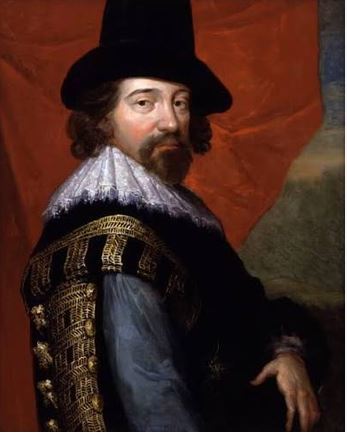
English philosopher and statesman whose Novum Organum established the empirical inductive method, dismantled the Idols of the Mind, and proclaimed that 'Knowledge is Power'.
Influential humanist philosopher and classical philologist who founded Christian Neo-Stoicism with De Constantia (1584), shaping modern European political theory and military discipline.
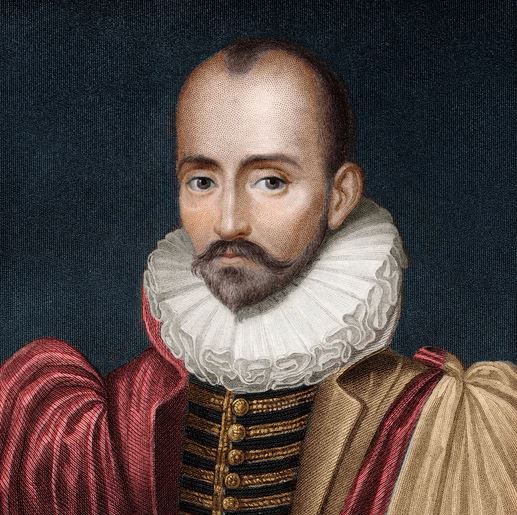
French Renaissance thinker who invented the essay as a philosophical genre, pioneering skeptical humanism, intellectual modesty, and the immortal question 'Que sais-je?' (What do I know?).
16th-century Sufi ecstatic and sage whose rhymed vernacular quatrains (Ruba'iyat) encapsulated Moroccan popular wisdom, moral ethics, and spiritual introspection.
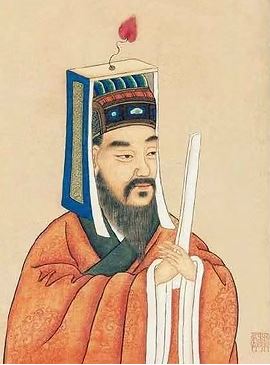
Ming general and philosopher who founded the School of Mind (Xinxue), proclaiming the unity of knowledge and action (zhixing heyi) and the innate moral conscience of every person.
15th-century mystic poet-saint, leatherworker, and social egalitarian whose vision of 'Begampura'—a sorrowless city free from caste, taxation, and oppression—became the foundational manifesto of Dalit liberation and human equality.
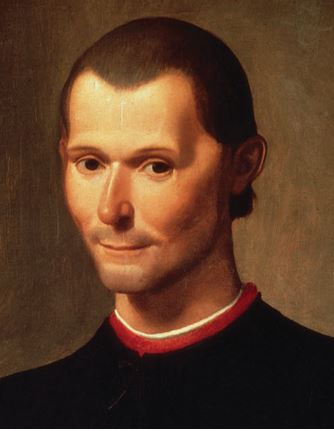
Renaissance Florentine diplomat considered the father of modern political science, whose works The Prince and Discourses on Livy exposed the realistic mechanics of state power and republican liberty.