Archival Overview
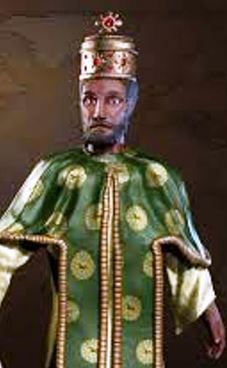
Seventeenth-century Ethiopian philosopher whose 1667 treatise Hatata pioneered rationalist deconstructive philosophy and individual conscience years before John Locke and Spinoza.
Biographical Record
Persecuted in 1630 for refusing to convert to Jesuit Catholicism under Emperor Susenyos, Zar Yaqob (1599–1692) fled into the wilderness with only the Psalms of David, hiding for two years in a cave along the Tekeze River. In that solitary retreat, he formulated an independent rationalist epistemology.
In his 1667 autobiographical treatise 'Hatata' ('The Inquiry'), he tested all religious dogmas against the 'light of reason' (lebuna), arguing that God created human reason to discern truth from human fabrication. He condemned slavery, defended gender equality in marriage, and championed rational faith.
Key Life Milestones
Two Years in the Tekeze River Cave
Developed his rationalist philosophy in solitary cave exile, formulating the supremacy of reason.
Composition of the 'Hatata'
Penned his philosophical masterpiece 'The Inquiry', establishing indigenous African rationalism.
Memorial Guestbook & Tributes
0 messages recordedLeave a Respectful Tribute
Final Resting Place
Perpetual MemorialEnfraz (near Gondar), Ethiopia