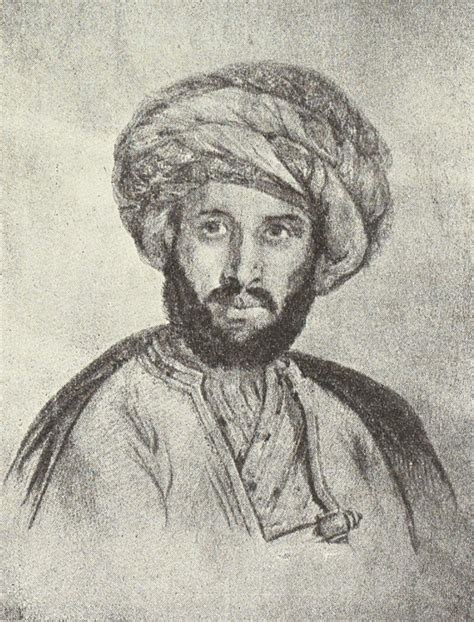
Abd al-Rahman al-Kawakibi
Visionary Syrian political philosopher whose landmark book 'The Nature of Despotism' (Taba'i al-Istibdad) diagnosed authoritarian tyranny.
Start typing to search worldwide archives and community tributes
Filterable archive covering centuries of intellectual, artistic, and moral contributions to the human story.
Visionary Syrian political philosopher whose landmark book 'The Nature of Despotism' (Taba'i al-Istibdad) diagnosed authoritarian tyranny.
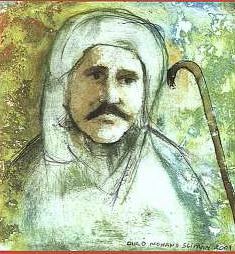
Legendary 19th-century Kabyle spiritual sage, peacemaker, and oral philosopher whose poetic aphorisms shaped the ethical conscience of the Amazigh people.
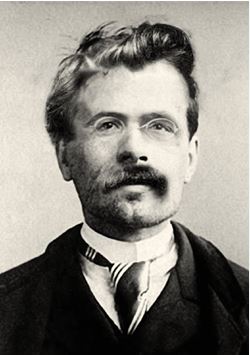
Revolutionary German philosopher whose electrifying works dismantled traditional morality, proclaimed the death of God, and celebrated the Will to Power, the รbermensch, and Amor Fati.
Influential French positivist philosopher, historian, and critic whose deterministic doctrine that human culture is governed by 'race, milieu, and moment' shaped nineteenth-century literary Naturalism and รmile Zola.
Breton philologist, historian of religion, and philosopher whose controversial 1863 Vie de Jรฉsus humanized Christ and whose famous 1882 Sorbonne lecture Qu'est-ce qu'une nation? defined a nation as 'a daily plebiscite'.
Visionary intellectual and reformist scholar of the Nahda movement who edited Tunisia's first official newspaper, directed the Sadiki endowments, and wrote the monumental geopolitical treatise Safwat al-I'tibar.
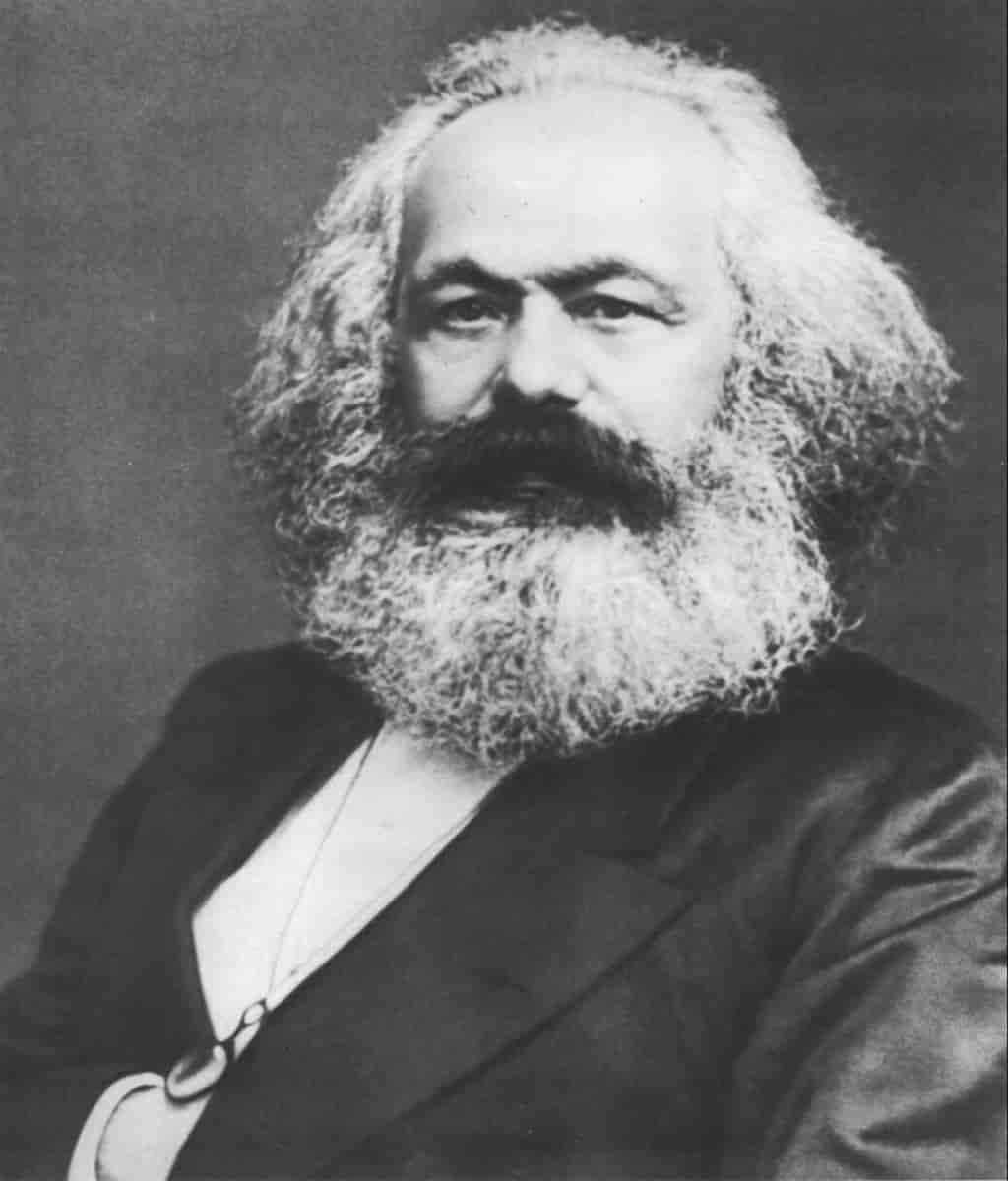
Revolutionary philosopher, political theorist, and economist whose historical materialism, The Communist Manifesto, and Das Kapital transformed modern history, politics, and sociology.
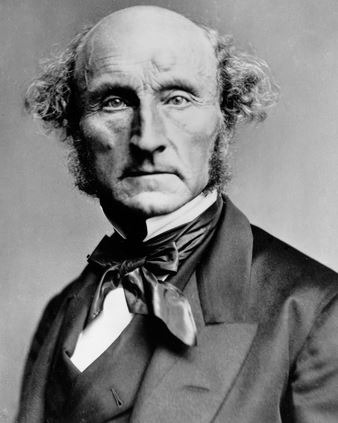
British philosopher and political economist who refined utilitarianism, formulated the harm principle in On Liberty, and made the historic parliamentary case for women's suffrage.
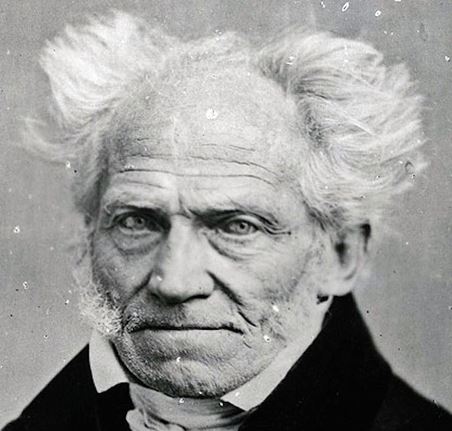
German philosopher whose masterpiece The World as Will and Representation combined Kantian critique with Indian Upanishadic thought, depicting the cosmos driven by an insatiable Will.
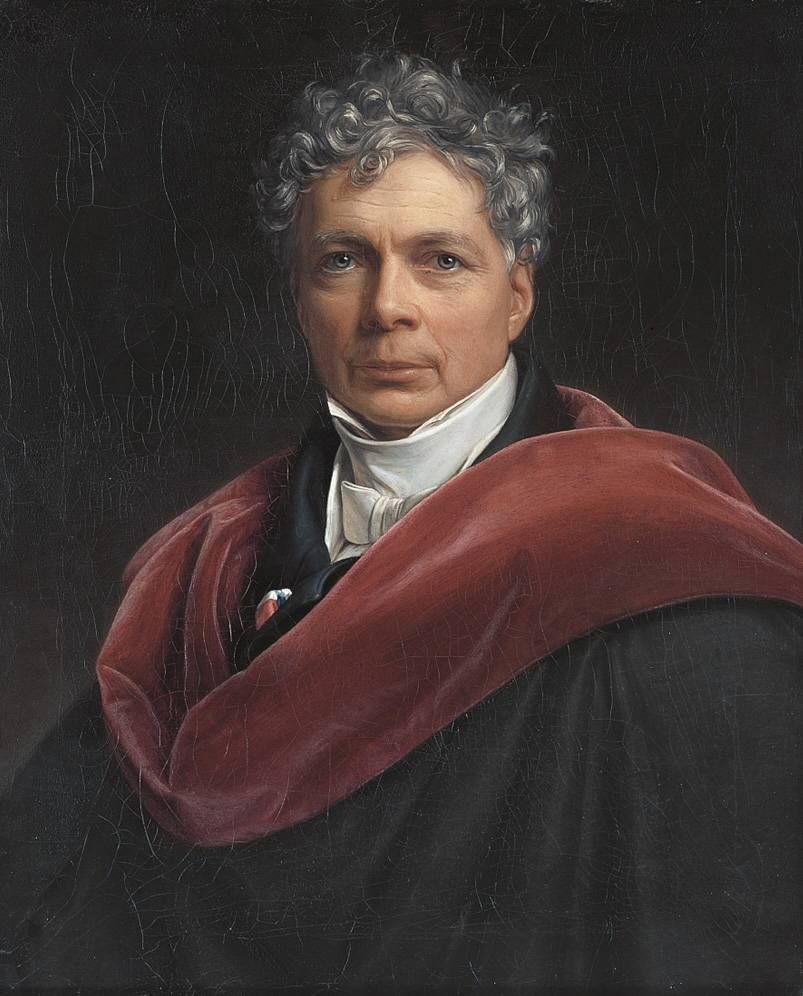
German idealist philosopher who developed Naturphilosophie (Philosophy of Nature) and Identity Philosophy, reconciling spirit and matter as two poles of a single living Absolute.
Transformative Yemeni Islamic jurist and Chief Justice whose legal commentary 'Nayl al-Awtar' championed independent rational deduction (ijtihad).
Visionary Grand Imam of Al-Azhar and polymath who recognized the necessity of modern scientific education following Napoleon's invasion of Egypt, serving as the intellectual mentor of Rifa'a al-Tahtawi and father of the Egyptian Nahda.
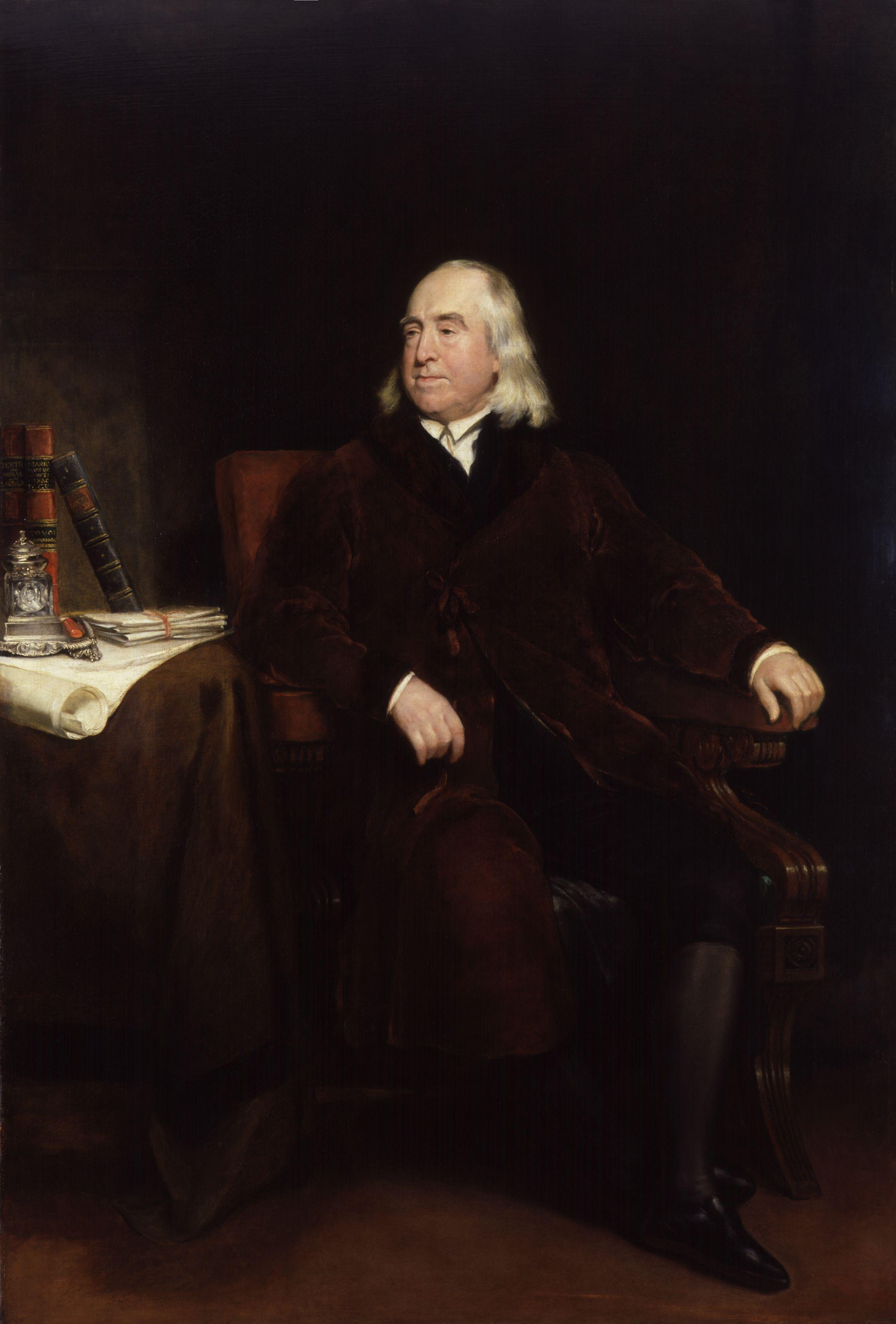
English philosopher, jurist, and social reformer who founded modern utilitarianism, proposing that morality consists in promoting 'the greatest happiness of the greatest number'.
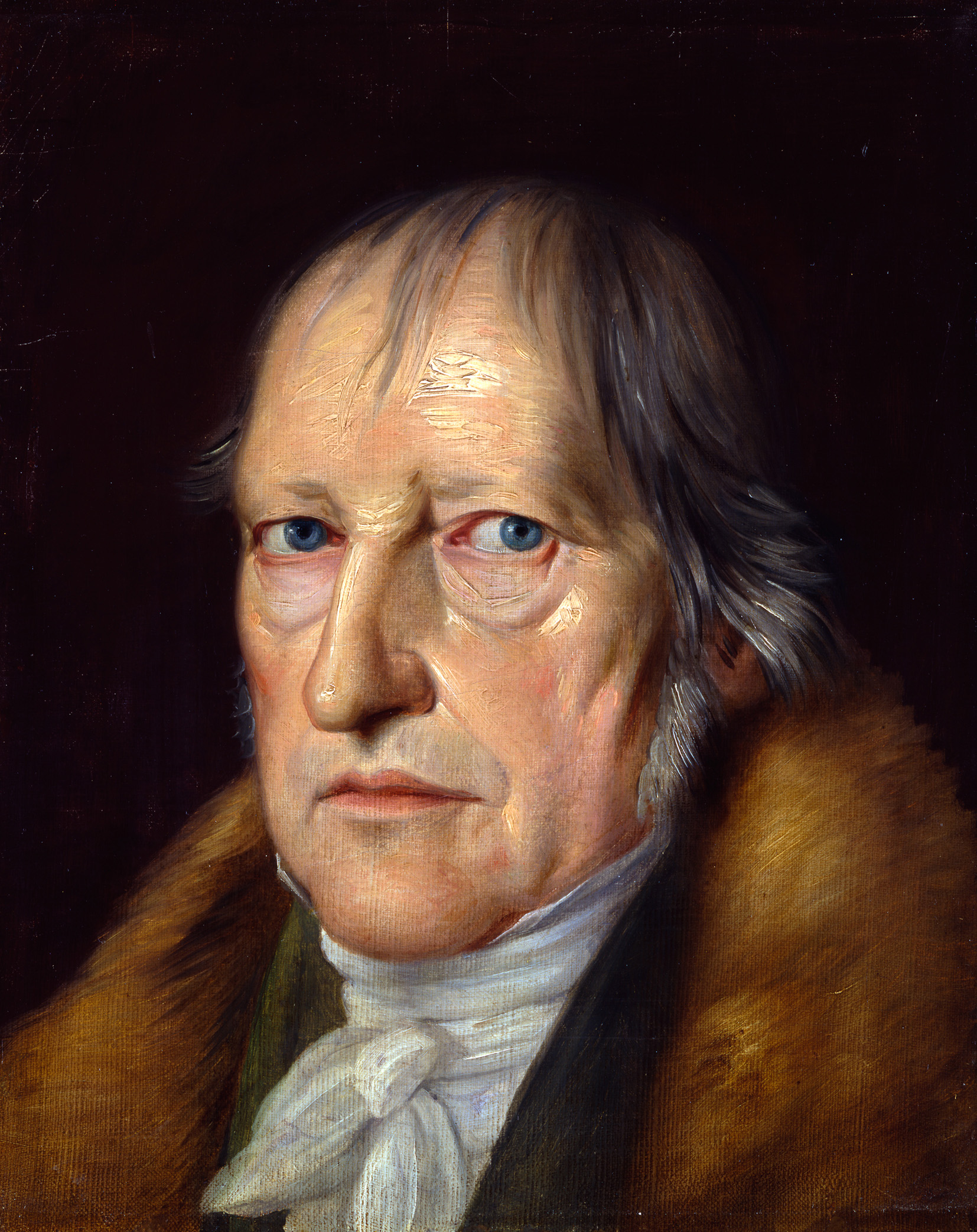
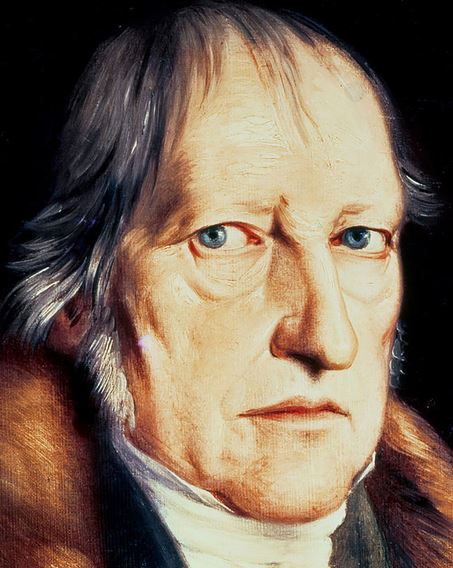
Titan of German Idealism whose dialectical system traced the historical evolution of Absolute Spirit through thesis, antithesis, and synthesis in The Phenomenology of Spirit.
Master of German Idealism whose dialectical philosophy conceptualized historical development as the progressive self-realization of Spirit (Geist) toward absolute freedom.
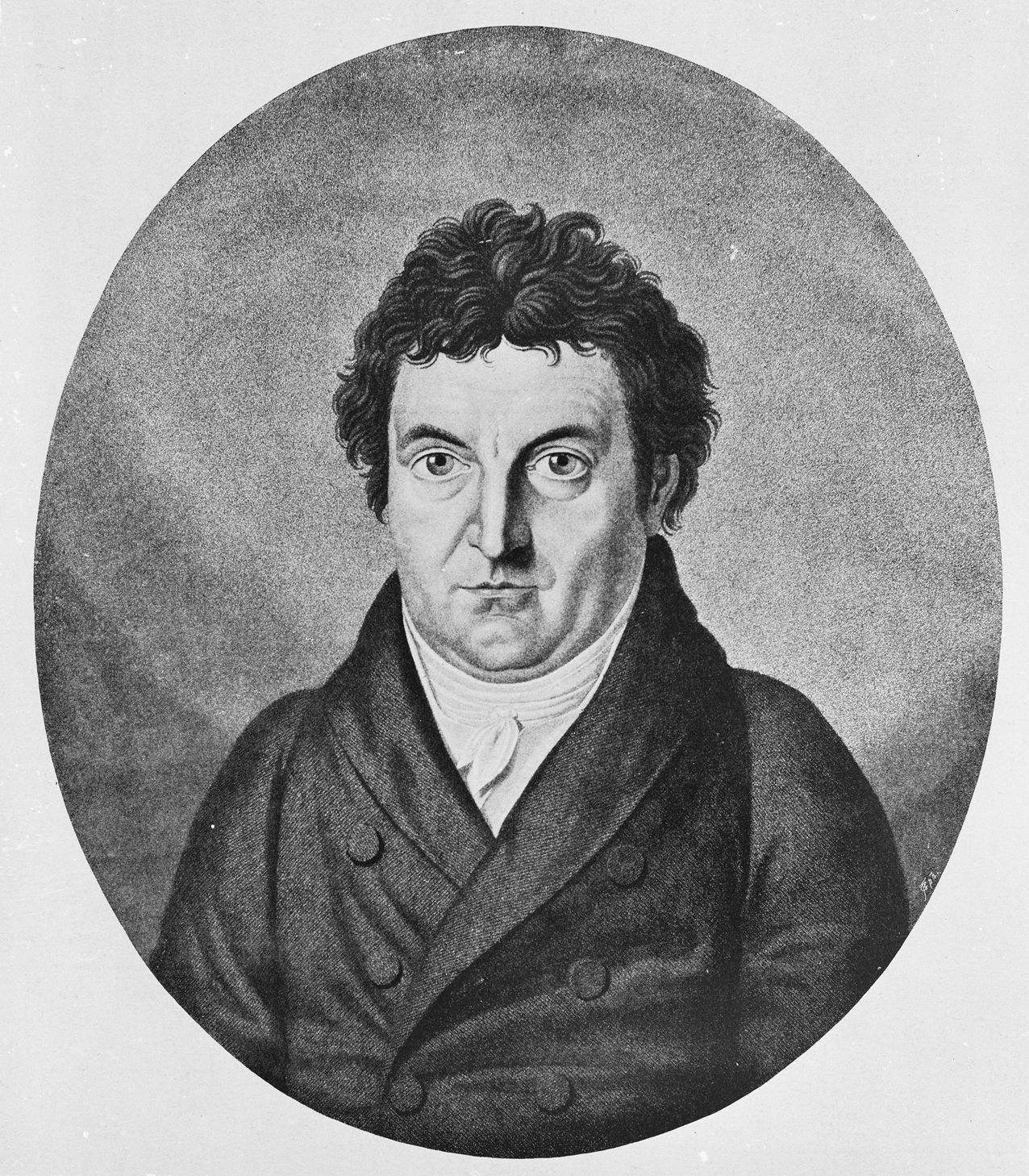
German idealist philosopher who transformed Kant's critical philosophy into subjective idealism through the self-positing Ego (Wissenschaftslehre) and delivered the Addresses to the German Nation.
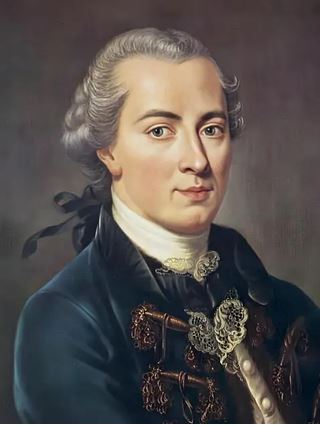
Colossus of modern thought whose Critique of Pure Reason synthesized rationalism and empiricism through transcendental idealism, establishing the Categorical Imperative of moral duty.
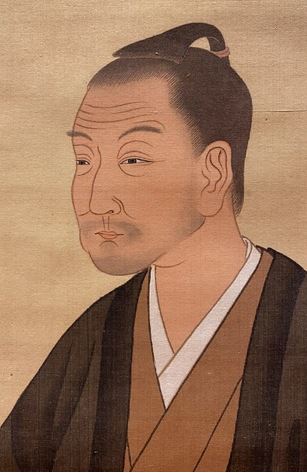
Foremost scholar of Kokugaku (National Learning) in Edo Japan who spent thirty-five years deciphering the archaic 8th-century 'Kojiki' and articulated the supreme Japanese aesthetic philosophy of 'Mono no aware' (the pathos of things).