 Great Britain
•
1 views
Great Britain
•
1 views
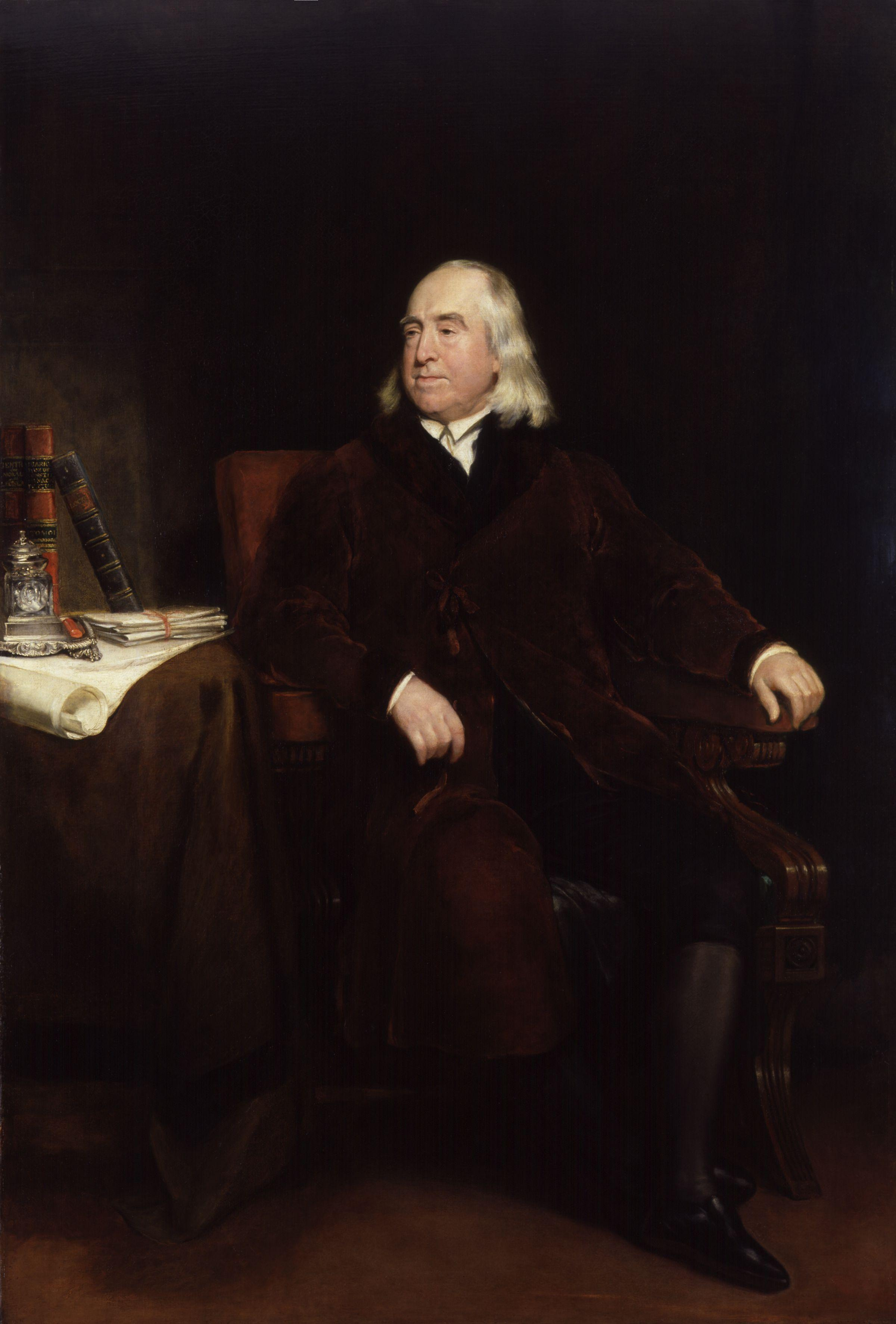
Jeremy Bentham

Spitalfields (London), Great Britain
Archival Overview
English philosopher, jurist, and social reformer who founded modern utilitarianism, proposing that morality consists in promoting 'the greatest happiness of the greatest number'.
Biographical Record
A child prodigy who read Latin at three and entered Queen's College, Oxford at twelve, Jeremy Bentham (1748–1832) abandoned legal practice to reform corrupt British jurisprudence. In 1789, he published 'An Introduction to the Principles of Morals and Legislation', formulating the hedonic calculus measuring pleasure and pain.
Bentham advocated for universal suffrage, women's rights, the decriminalization of homosexuality, animal rights, prison reform (the Panopticon), and the abolition of slavery. Per his will, his preserved skeleton dressed in his clothes sits in an 'Auto-Icon' display cabinet at University College London.
Key Life Milestones
Principles of Morals and Legislation
Published the foundational text of utilitarianism, introducing the hedonic calculus.
Design of the Panopticon
Published his design for an inspection-house architectural prison model ensuring continuous surveillance.
Memorial Guestbook & Tributes
0 messages recordedLeave a Respectful Tribute
Final Resting Place
Perpetual MemorialLondon, United Kingdom