 Germany
•
12 views
Germany
•
12 views
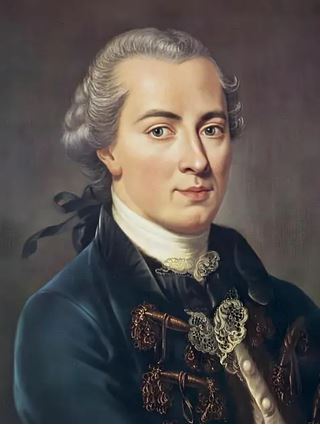
Immanuel Kant

Königsberg (Prussia), Germany
Archival Overview
Colossus of modern thought whose Critique of Pure Reason synthesized rationalism and empiricism through transcendental idealism, establishing the Categorical Imperative of moral duty.
Biographical Record
Immanuel Kant (1724–1804) lived his entire life in the East Prussian Baltic port of Königsberg, where his daily afternoon walks were so famously punctual that townsfolk set their pocket-watches by him. After reading David Hume, he awoke from his 'dogmatic slumber' to initiate a Copernican revolution in philosophy.
In his three great Critiques—Pure Reason (1781), Practical Reason (1788), and Judgment (1790)—Kant demonstrated that space, time, and causation are forms of human intuition and understanding through which we construct experience. In ethics, his Categorical Imperative demanded that we act only on maxims that can be universalized, treating every human being as an end and never merely as a means.
Key Life Milestones
Publication of the 'Critique of Pure Reason'
Published the crowning achievement of modern philosophy, establishing transcendental idealism and epistemic limits.
Formulation of the Categorical Imperative
Penned the Groundwork of the Metaphysics of Morals, establishing universal duty and inviolable human dignity.
Memorial Guestbook & Tributes
0 messages recordedLeave a Respectful Tribute
Final Resting Place
Perpetual MemorialKönigsberg, Germany