 Duchy of Wurttemberg
•
1 views
Duchy of Wurttemberg
•
1 views
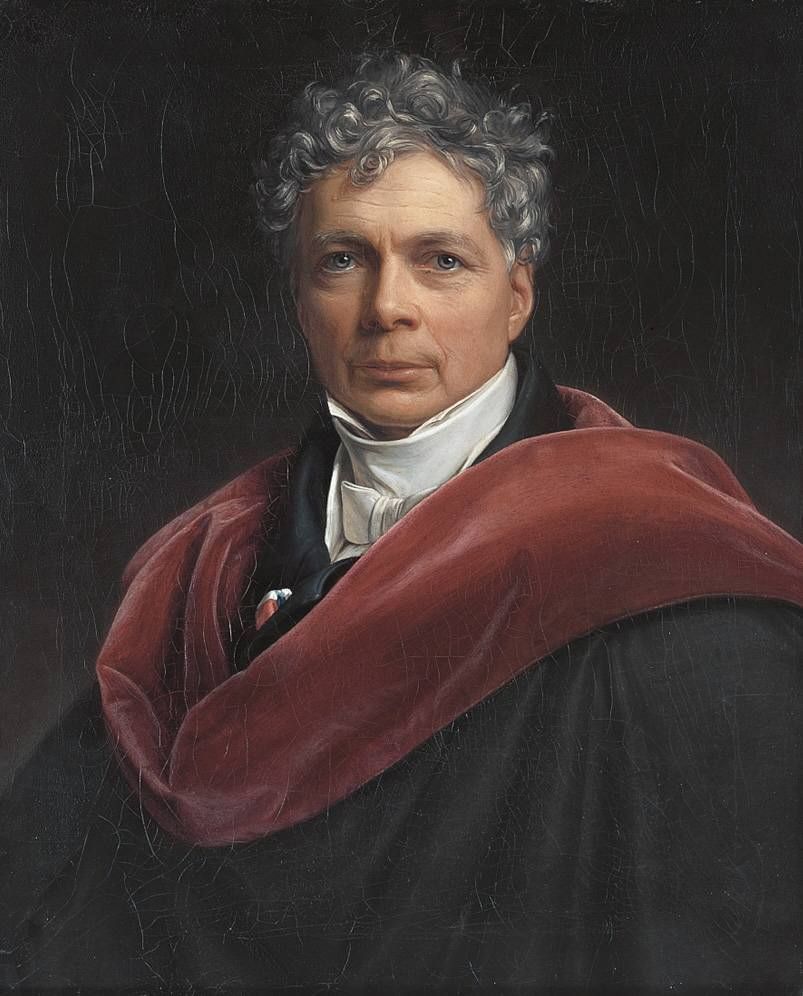
Friedrich Schelling

Leonberg (Wurttemberg), Duchy of Wurttemberg
Archival Overview
German idealist philosopher who developed Naturphilosophie (Philosophy of Nature) and Identity Philosophy, reconciling spirit and matter as two poles of a single living Absolute.
Biographical Record
A child prodigy who shared a room at the Tubingen Stift with Hegel and the poet Holderlin, Friedrich Schelling (1775–1854) was appointed full professor at Jena at age twenty-three through Goethe's patronage. He formulated 'Naturphilosophie', viewing nature not as inert mechanism, but as slumbering spirit striving toward self-awareness.
In his 'System of Transcendental Idealism' (1800), Schelling declared art to be the supreme organ of philosophy, uniting the conscious and unconscious. In 1809, he published 'Philosophical Inquiries into the Nature of Human Freedom', a profound investigation of the cosmic reality of evil.
Key Life Milestones
System of Transcendental Idealism
Published his major synthesis of transcendental consciousness and objective nature through artistic intuition.
Inquiries into Human Freedom
Published his profound metaphysical inquiry into the primal origins of human freedom and cosmic evil.
Memorial Guestbook & Tributes
0 messages recordedLeave a Respectful Tribute
Final Resting Place
Perpetual MemorialBad Ragaz, Switzerland