 Poland
•
13 views
Poland
•
13 views
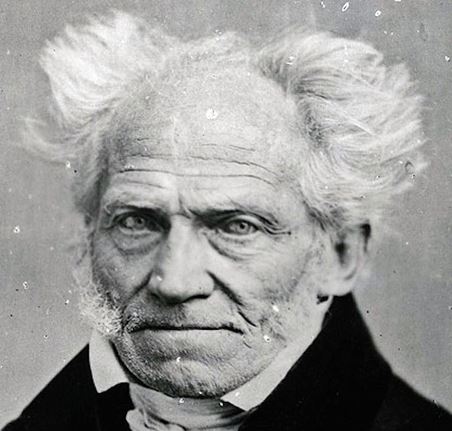
Arthur Schopenhauer

Danzig (Gdańsk), Poland
Archival Overview
German philosopher whose masterpiece The World as Will and Representation combined Kantian critique with Indian Upanishadic thought, depicting the cosmos driven by an insatiable Will.
Biographical Record
Arthur Schopenhauer (1788–1860), born in Danzig to an affluent merchant family, spent decades in independent philosophical solitude in Frankfurt accompanied by his poodle Atma. He boldly challenged the academic establishment of Hegel, creating an exquisite prose style that influenced Wagner, Tolstoy, Nietzsche, and Freud.
His magnum opus, The World as Will and Representation (1818), posited that behind the phenomenal world lies a single, blind, striving metaphysical force: the Will (*Wille*). Suffering is the inevitable result of endless desiring, which can be transcended only through aesthetic contemplation (especially music) and self-denying compassion (*Mitleid*).
Key Life Milestones
Publication of 'The World as Will and Representation'
Penned his masterpiece synthesizing Kantian epistemology, Platonic Ideas, and Vedic-Buddhist compassion.
Publication of 'Parerga and Paralipomena'
Released his brilliant essays and aphorisms, finally bringing him late-life international celebrity.
Memorial Guestbook & Tributes
0 messages recordedLeave a Respectful Tribute
Final Resting Place
Perpetual MemorialFrankfurt am Main, Germany